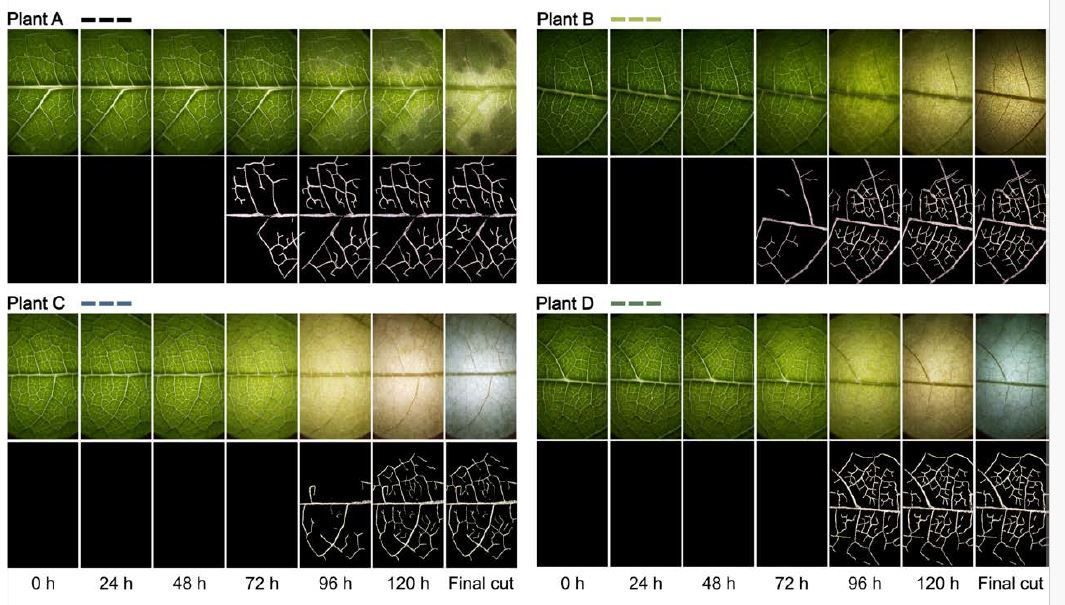
Shoot hydraulic impairments induced by root waterlogging: parallels and contrasts with drought-Eduardo J Haverroth, Cristiane J Da-Silva, Matthew Taggart, Leonardo A Oliveira, Amanda A Cardoso https://t.co/GQgjoKxa7P @eduhaverroth @amandaacardoso1 @Leonardo4raujo@ASPB#PlantSci
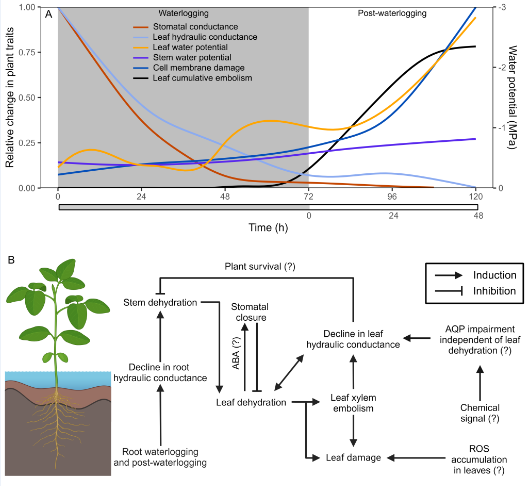
We believe that the leaf hydraulic dysfunction occurring early during waterlogging results in leaves acting as ‘circuit breakers’ against stem dehydration below catastrophic embolism levels and plant mortality during the post-waterlogging.
Check out our new publication in Plant physiology: "Shoot hydraulic impairments induced by root waterlogging: parallels and contrasts with drought"
@amandaacardoso1 @Leonardo4raujo@CristianeJdaSi1
https://t.co/fIZxq7zBdu
Stomatal closure and declines in leaf hydraulic conductance occur early during waterlogging. Then, Water potential declines are observed, with leaf water potential dropping faster than stem water potential - leaves reach critical water potentials earlier.
Impacts on water potential are observed only after the declines in stomatal conductance and leaf hydraulic conductance. Leaf water potential declines faster than stem water potential - leaves reach critical water potentials earlier.
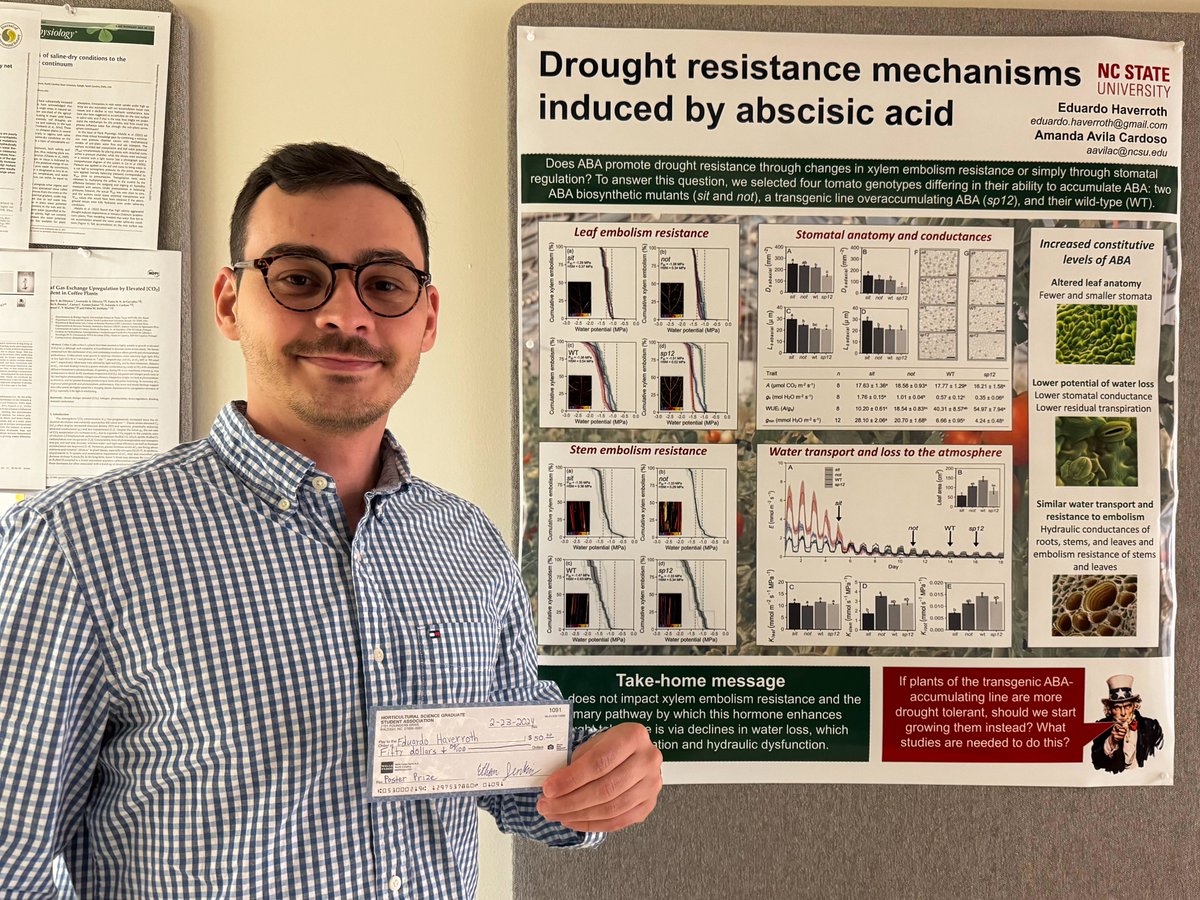
🏆 Delighted to have secured 3rd prize at the Mason Pharr Symposium at NC State University for my poster presentation! 🚀 Engaging discussions and valuable feedback on science communication made it even more enriching! 🌱 Dive into my research: https://t.co/Sj2hPpQkxy
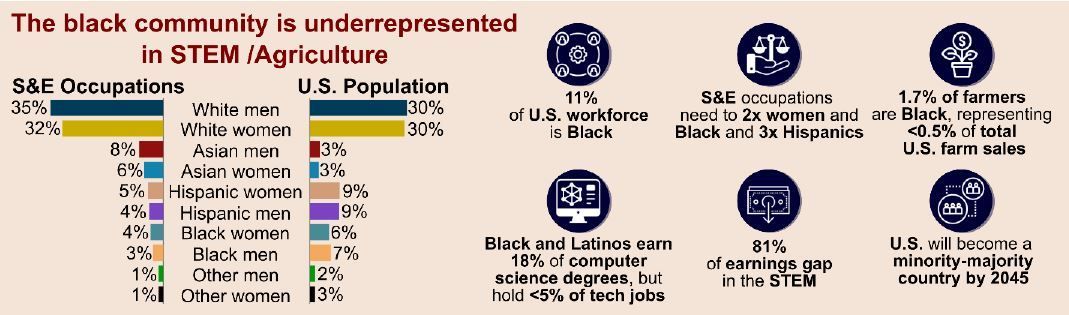
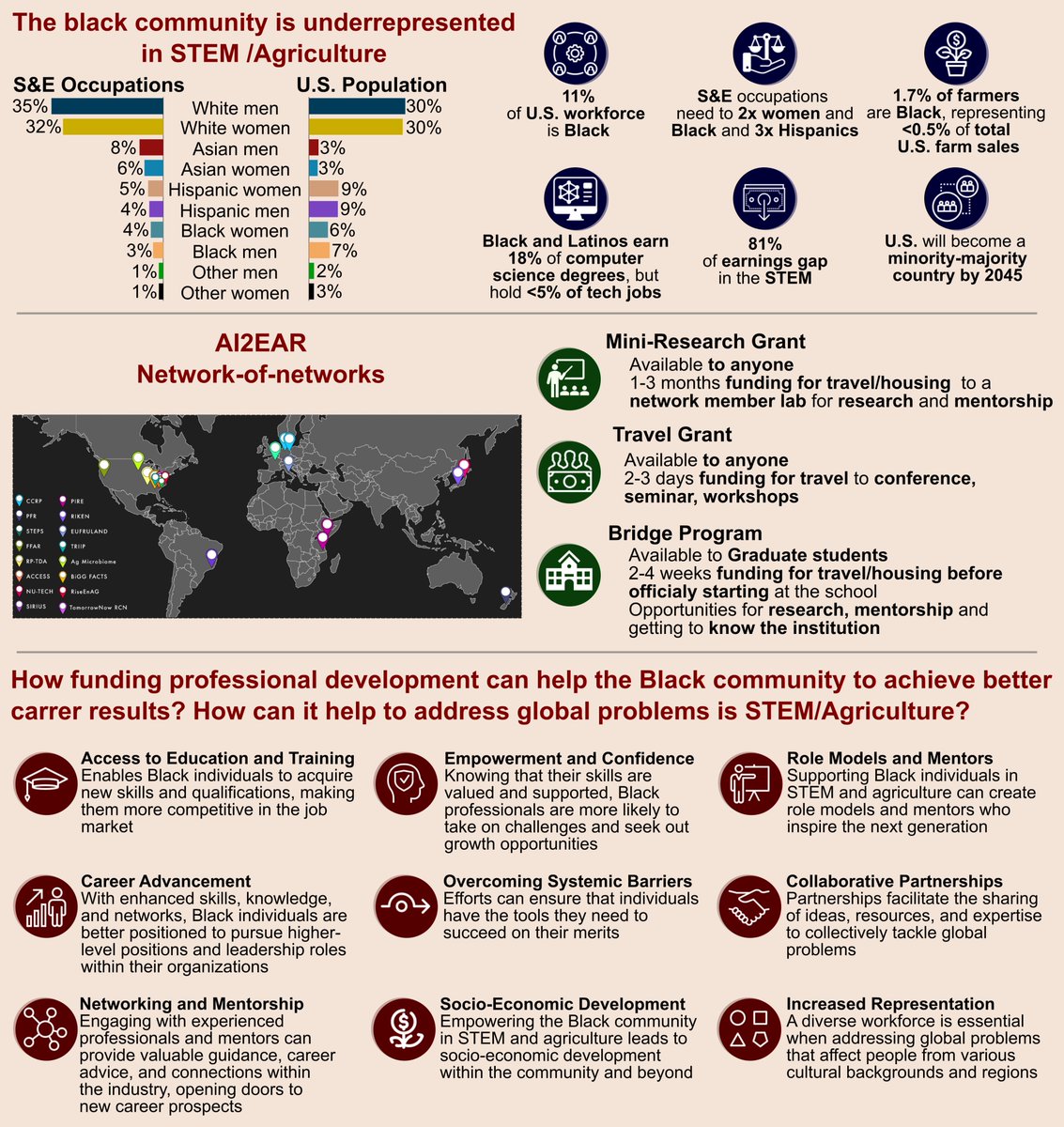
LETTER: The Black American experience: Answering the global challenge of broadening participation in STEM/agriculture (Eduardo Haverroth, Mariah Gobble, LaTosha Bradley, Kailyn Harris-Gilliam, et. al.) https://t.co/k1dWrotrAC @tlong_ncsu@ASPB #PlantSci
I am happy to share my recent publication in @ThePlantCell.
The manuscript is a letter to the editor regarding the advocacy of programs like AI2EAR, which includes programming designed to support underrepresented minorities.