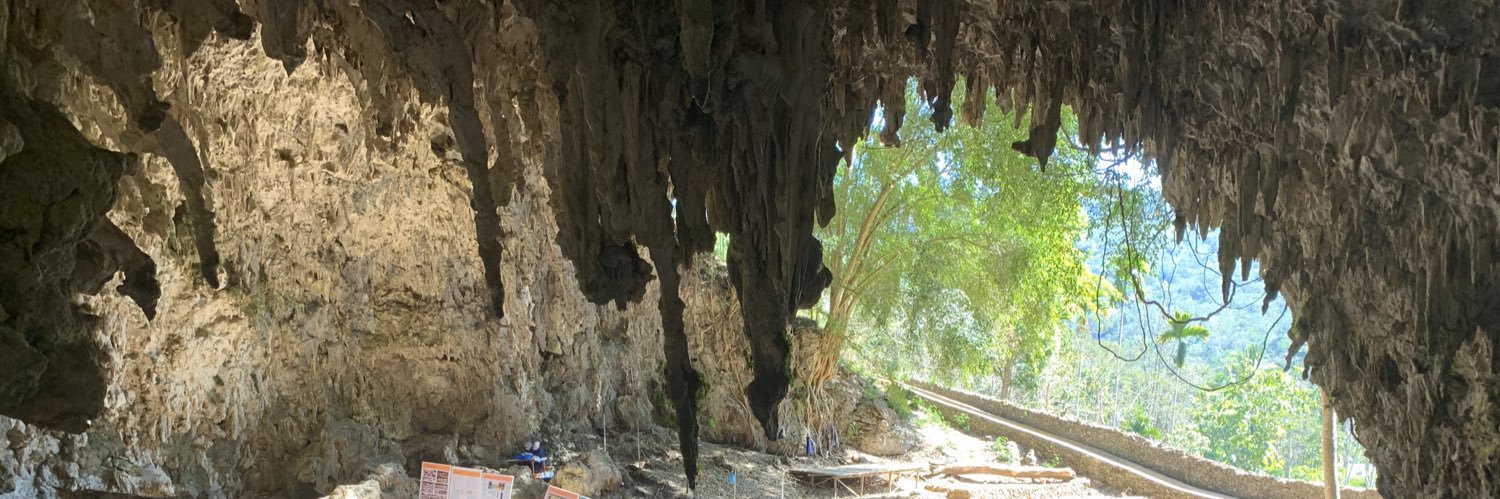
On the job market 👋 Searching for a #TT job at a lovely University to teach students all about the wonders of #Archaeology, #BioAnthropology, and #NaturalHistory
Bring active #LiangBua research to your department and gain a wonder colleague 😄
Our latest paper on the remarkable cave site of Panga ya Saidi, #Kenya. Here we report on new systematic excavation, 3D scanning, dating, and geoarchaeological analyses that provide insights on sedimentary dynamics, occupation patterns, and site-formation https://t.co/A84mcpa7nA
#ESHE2025
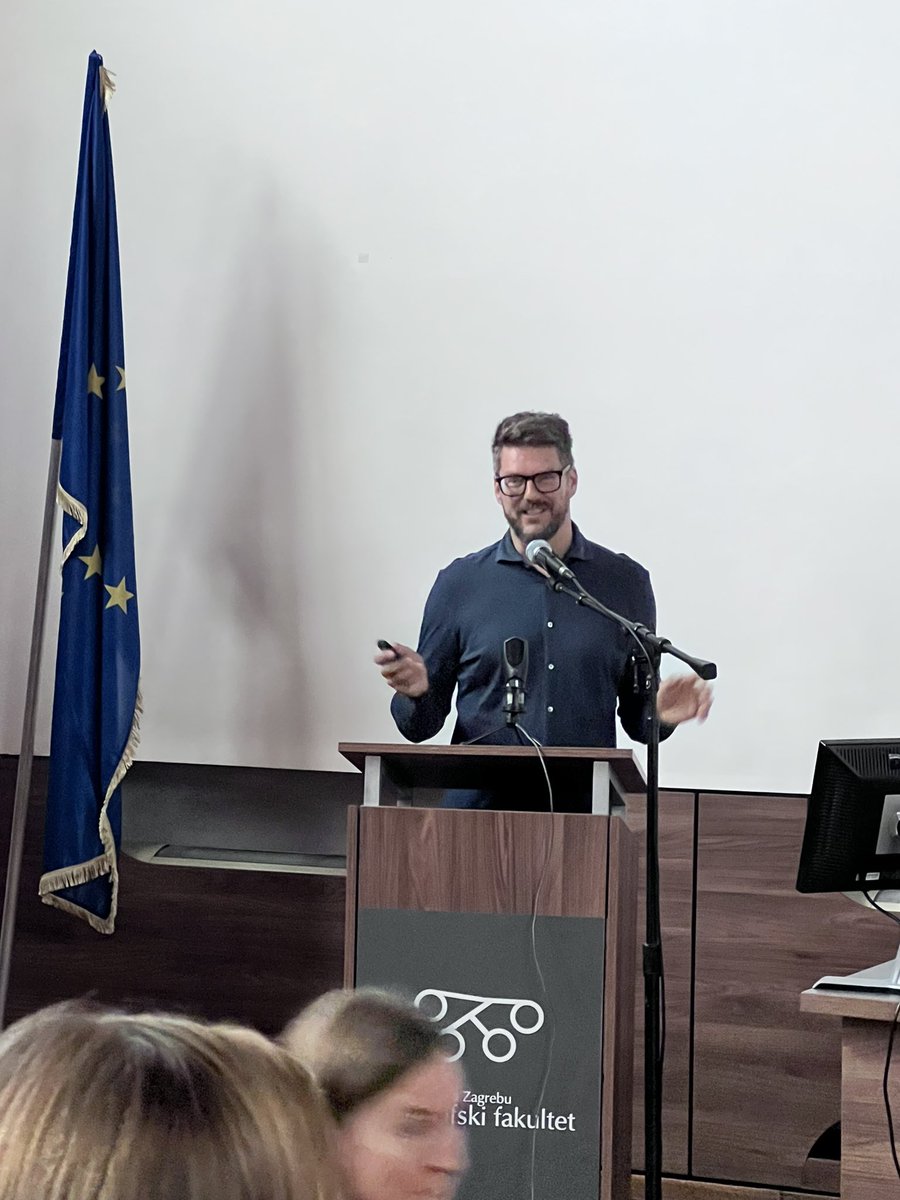
Stephanie Peyregne ‘ A new Denisovan genome sheds light on the peopling of Asian and Oceania’
DNA: single rapid dispersal Evidence of multiple/diff introgression events
Analyses of DEN3 & DEN25 reveal complex pop dynamics & interactions during sapiens dispersals 🤩!
#ESHE2025
Elizabeth Veatch ‘Behavioural complexity in Homo floresiensis reconsidered’
Did H floresiensis hunt/use fire? NO!
Tapho–Komodo Dragon prey bones fr Atlanta!
Study (3200 bones w marks, Liang Bua): most by Komodo Dragons; some scavenging.
🔥? ~10K rat bones 😳- NONE
📣 ACADEMIC MOMS:
Have you conducted research in museum collections in a foreign country with an infant (< 1 year old)?
What worked for you and what are things you wish you had done differently?
Looking for any and all advice for planning the upcoming year
🙏
“I wish it need not have happened in my time," said Frodo.
"So do I," said Gandalf, "and so do all who live to see such times. But that is not for them to decide. All we have to decide is what to do with the time that is given us.”
― J.R.R. Tolkien, The Fellowship of the Ring
@GillianLWong@SAAorg I need to be better about coming to these groups! Sounds like a great session. I have a newborn at home but I’ll try to make the next one :)
It’s pretty amazing being able to attend the #LiangBua excavations virtually while I wait for baby Luca to arrive 😂 we’ve come a long way since LB1 was uncovered and I can’t wait to see what we find this time! 🥹 #aDNA#BRIN#MPI#Hobbits#Rats
📸 EGV
Does the brain change during pregnancy? You bet it does. How about doing 26 MRI scans on a single person pre-conception to 2 years post-partum. WOW! Laura Pritschet and colleagues nailed it with their new paper in @NatureNeuro.
Key Points:
- The authors point out that pregnancy is a period of profound hormonal and physiological changes.
- The authors did something incredible by mapping neuroanatomical changes in an individual from preconception through two years postpartum.
- Boom! There were pronounced decreases in gray matter volume and cortical thickness.
- There were increases in white matter microstructural integrity, ventricle volume and cerebrospinal fluid.
- There were few regions untouched by the 'transition to motherhood.'
My take: This study shows us how a single brain in a single person can be a powerful resource when scanned serially over time. This method is hard to pull off, however what it has the potential to teach us about neuroscience is mind-blowing. Though this paper is only a single subject, the data provides a comprehensive map of the human brain across gestation. It will be interesting to add to the dataset, so we can understand changes across multiple persons and multiple conditions. The convergence of evidence is revealing that pregnancy as associated with dramatic neuroplasticity. How about a shout out to this 38-year-old woman who underwent 26 MRI scans along with blood draws from 3 weeks preconception through 2 years postpartum!
https://t.co/LEnPHzKCcl #pregnancy #brain @ndosenbach@andreashorn_@EMiddlebrooksMD
It’s nice to see data support my mental experience in this third trimester 😩
Amazing study and looking forward to more participants and replication in other groups 🧠🤰
Scans capture sweeping reorganisation of brain in pregnancy. MRIs taken from before conception until two years after birth show some short-lived changes and some lasting years https://t.co/gE7xl6gLU2
Hal ini tidak mungkin terjadi tanpa usaha dari Pak Nico Alamsyah, Dr. Thomas Sutikna, dan Dr. Sofwan Noerwidi dari @brin_indonesia#Collaboration#MPI 🇮🇩
Hal ini tidak mungkin terjadi tanpa usaha dari Pak Nico Alamsyah, Dr. Thomas Sutikna, dan Dr. Sofwan Noerwidi dari @brin_indonesia#Collaboration#MPI 🇮🇩
Presented yesterday at #ESHE2024 conference: New CT tomography study of #HFloresiensis#LB1 strongly suggests that it is not derived from H. Erectus. In fact, it is more primitive than H. erectus, suggesting deeper evolutionary roots, not an "island dwarf".
Massive congrats to Philipp Guntz, the Liang Bua research team, and folks at @MPI_EVA_Leipzig that made this possible! Looking forward to seeing the paper out soon 🤩
Presented yesterday at #ESHE2024 conference: New CT tomography study of #HFloresiensis#LB1 strongly suggests that it is not derived from H. Erectus. In fact, it is more primitive than H. erectus, suggesting deeper evolutionary roots, not an "island dwarf".
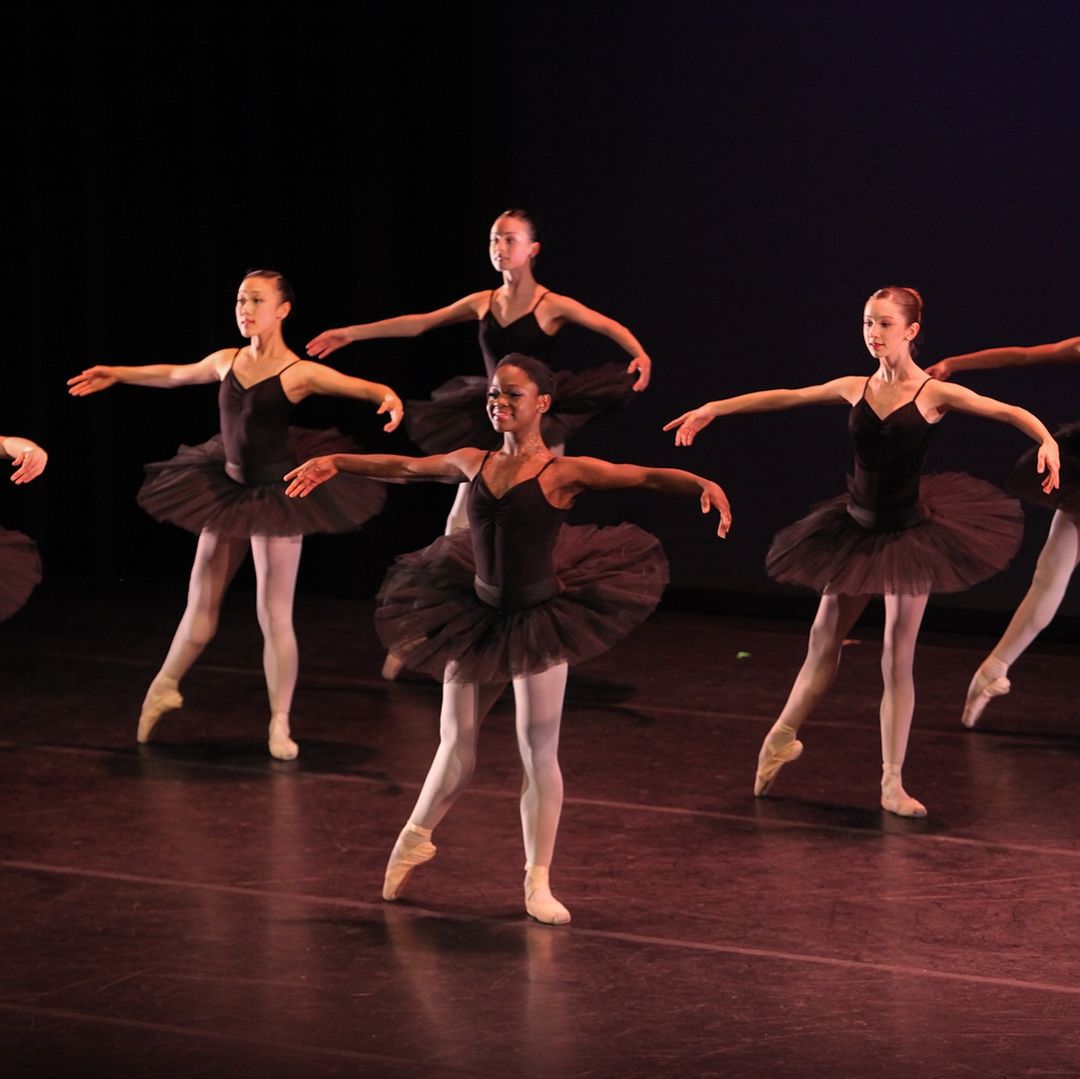
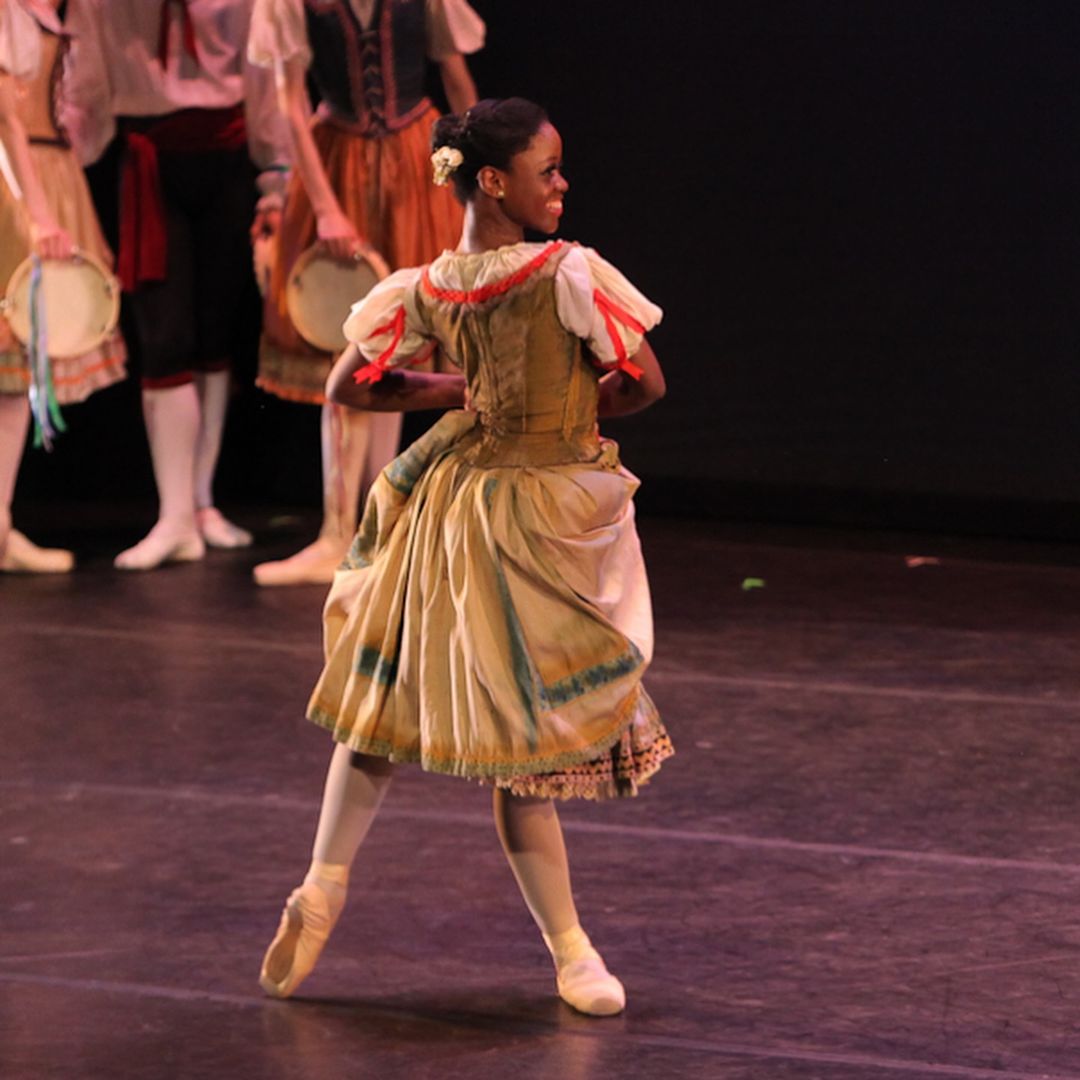
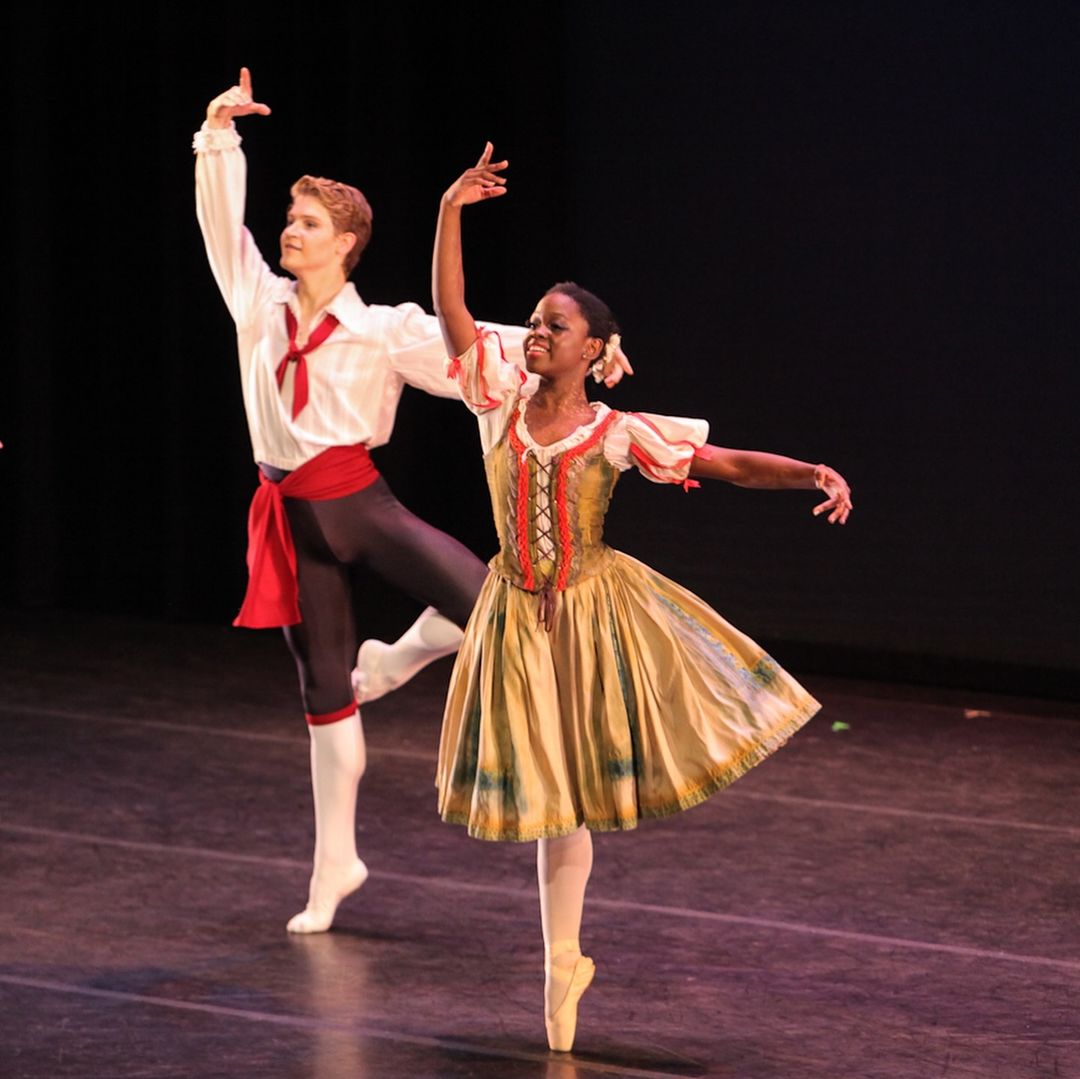
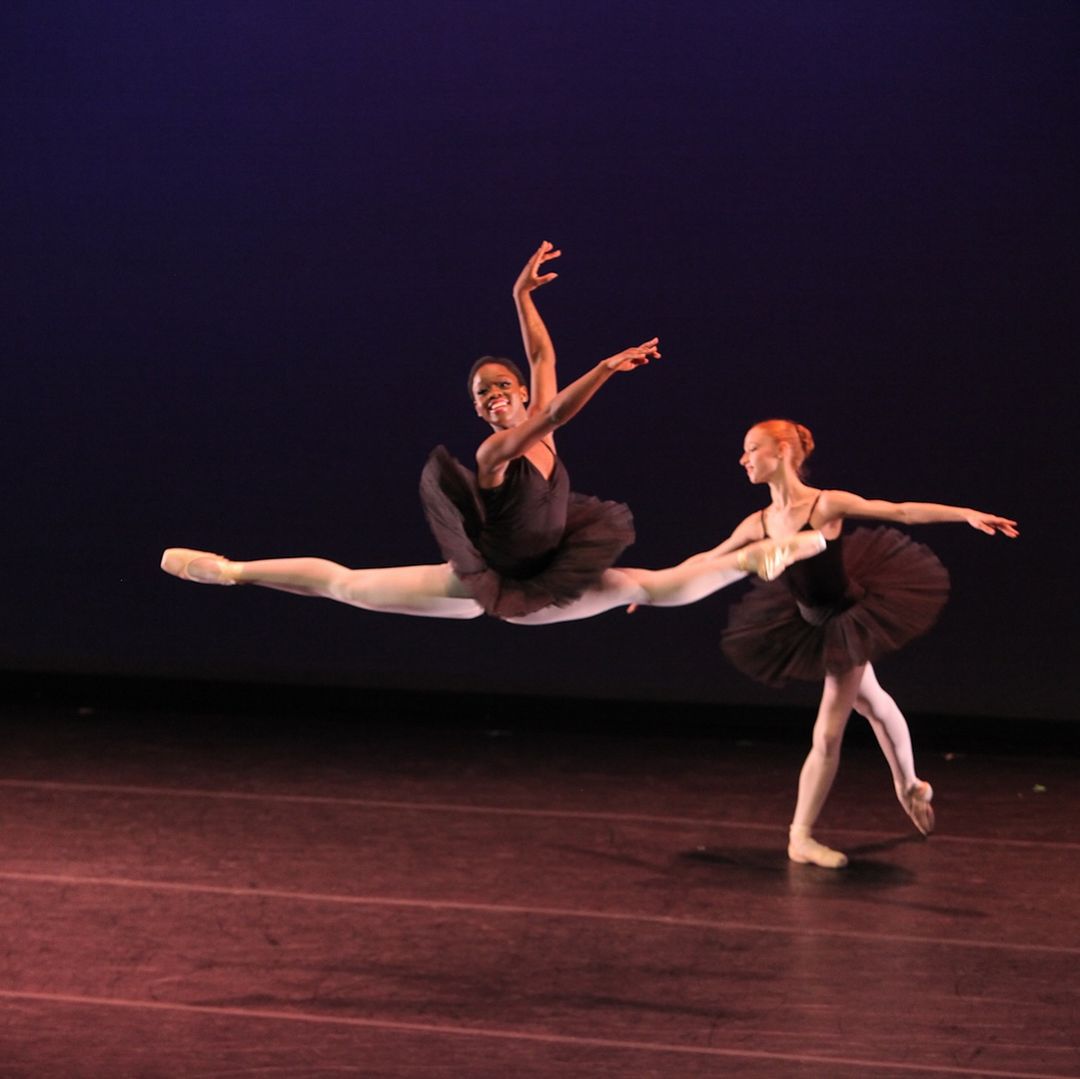
We are deeply saddened to learn of the passing of Michaela Mabinty DePrince, a brilliant artist and beloved member of the ABT family. We express our sincere condolences to her family, friends, and all who were touched by her light.
📷: Erin Baiano
An important addition to debates about Homo naledi just published in the Journal of Human Evolution by @MMartinonT@GarateDiego @Ozarchaeomaglab @MDPetraglia "No scientific evidence that Homo naledi buried their dead and produced rock art" https://t.co/ORSlKupYKV
1. The Oxford Handbook of Early Southeast Asia (2022), disunting oleh Charles Higham, adalah karya para akademisi yang menyajikan berbagai pandangan terkait sejarah, arkeologi, dan perkembangan budaya di Asia Tenggara pada periode awal.