𝗠𝗼𝘀𝘁 𝗽𝗲𝗼𝗽𝗹𝗲 𝘁𝗵𝗶����𝗸 𝗔𝗜 = 𝗖𝗵𝗮𝘁𝗚𝗣𝗧.
Not even close.
ChatGPT is what you see.
The real AI revolution is the massive ecosystem being built underneath it.
This AI Stack Map captures 100+ tools powering modern AI applications.
𝗧𝗵𝗲 𝗺𝗼𝗱𝗲𝗿𝗻 𝗔𝗜 𝘀𝘁𝗮𝗰𝗸 𝗹𝗼𝗼��𝘀 𝘀𝗼𝗺𝗲𝘁𝗵𝗶𝗻𝗴 𝗹𝗶𝗸𝗲 𝘁𝗵𝗶𝘀:
LLMs → OpenAI, Claude, Gemini, Llama, Mistral
Agentic AI → LangGraph, CrewAI, AutoGen, CAMEL, Agno
RAG → LangChain, LlamaIndex, Haystack, GraphRAG
Embeddings → OpenAI, Voyage, Cohere, BGE
MCP → Connecting models with tools, data and systems
AI Security → Guardrails, Presidio, Lakera, Prompt Security
Observability & Evals → LangSmith, Langfuse, Phoenix, Ragas
Memory → Redis, Mem0, Zep, Neo4j, Chroma
Agent Frameworks → OpenAI SDK, Semantic Kernel, Google ADK, Bedrock
Automation → n8n, Zapier, Make, Airflow, Prefect
Vector Databases → Pinecone, Weaviate, Qdrant, Milvus, pgvector
But here’s the part that matters more than the logos.
𝗧𝗵𝗶𝘀 𝗶𝘀 𝗻𝗼𝘁 𝗮 𝘀𝗵𝗼𝗽𝗽𝗶𝗻𝗴 𝗹𝗶𝘀𝘁.
It’s a dependency graph.
Your RAG is only as good as your retrieval + embeddings.
Your agent is only as reliable as its tools + evaluations + guardrails.
Your memory is useless if you can’t observe when context becomes stale or wrong.
Your MCP layer becomes dangerous if permissions and governance are an afterthought.
And a “best-in-class” stack can still become a terrible production system.
Why?
Because AI systems rarely fail only inside one component.
𝗧𝗵𝗲𝘆 𝗳𝗮𝗶𝗹 𝗮𝘁 𝘁𝗵𝗲 𝗵𝗮𝗻𝗱𝗼𝗳𝗳𝘀.
Model → Retrieval
Retrieval → Context
Context → Agent
Agent → Tool
Tool → Memory
Memory → Evaluation
That’s where latency compounds, context gets lost, permissions leak, hallucinations propagate and reliability starts falling apart.
𝗧𝗵𝗲 𝗿𝗲𝗮𝗹 𝗺𝗼𝗮𝘁 𝗶𝘀𝗻’𝘁 𝗵𝗮𝘃𝗶𝗻𝗴 𝗺𝗼𝗿𝗲 𝗔𝗜 𝘁𝗼𝗼𝗹𝘀.
It’s designing how they work together.
A stack map tells you 𝗪𝗛𝗔𝗧 exists.
Production engineering decides 𝗛𝗢𝗪 it all survives contact with reality.
Which tool in your AI stack has become indispensable?
Save this map for your next AI build.
Repost it for someone designing an AI architecture.
#AI #ArtificialIntelligence #GenAI https://t.co/o9C5nItCRh…
Resuelve un nudo matemático en solo 88 horas..
10,000 agentes de inteligencia artificial de OpenAI resolvieron el famoso rompecabezas de las ecuaciones de Navier-Stokes de la física, que dejó perplejos a los grandes científicos durante décadas.
¿Cómo se logró este milagro científico?
• Ejército digital organizado: 10 mil modelos operando en paralelo, intercambiaron 2.7 millones de mensajes y produjeron 130 mil millones de tokens en un solo entorno de investigación.
• Velocidad alucinante: La producción de la prueba científica tomó solo 88 horas, mientras que GPT-6 Astra dedicó unas 17 horas adicionales para verificarla programáticamente en el lenguaje Lean.
• El resultado: Prueba de la posibilidad de singularidad y escalada de velocidad sin límites en ciertas condiciones para un fluido que estaba en reposo.
La inteligencia artificial ya no es solo un "asistente" para los científicos humanos... ¡sino que representa laboratorios de investigación completos que condensan décadas de trabajo humano en solo unos días contados
guárdalo y sígueme para más → @ronixtec
Sam Altman tells TIME that OpenAI will achieve AGI by the end of this year. Also, the automated research intern that was promised is up and running, and its name is Astra.
Minimizing Kullback-Leibler divergence can be interpreted as an information projection wrt to Fisher orthogonality and exponential or mixture connection.
Uniqueness of projection proof may be proved with a generalization of the Pythagoras' theorem!
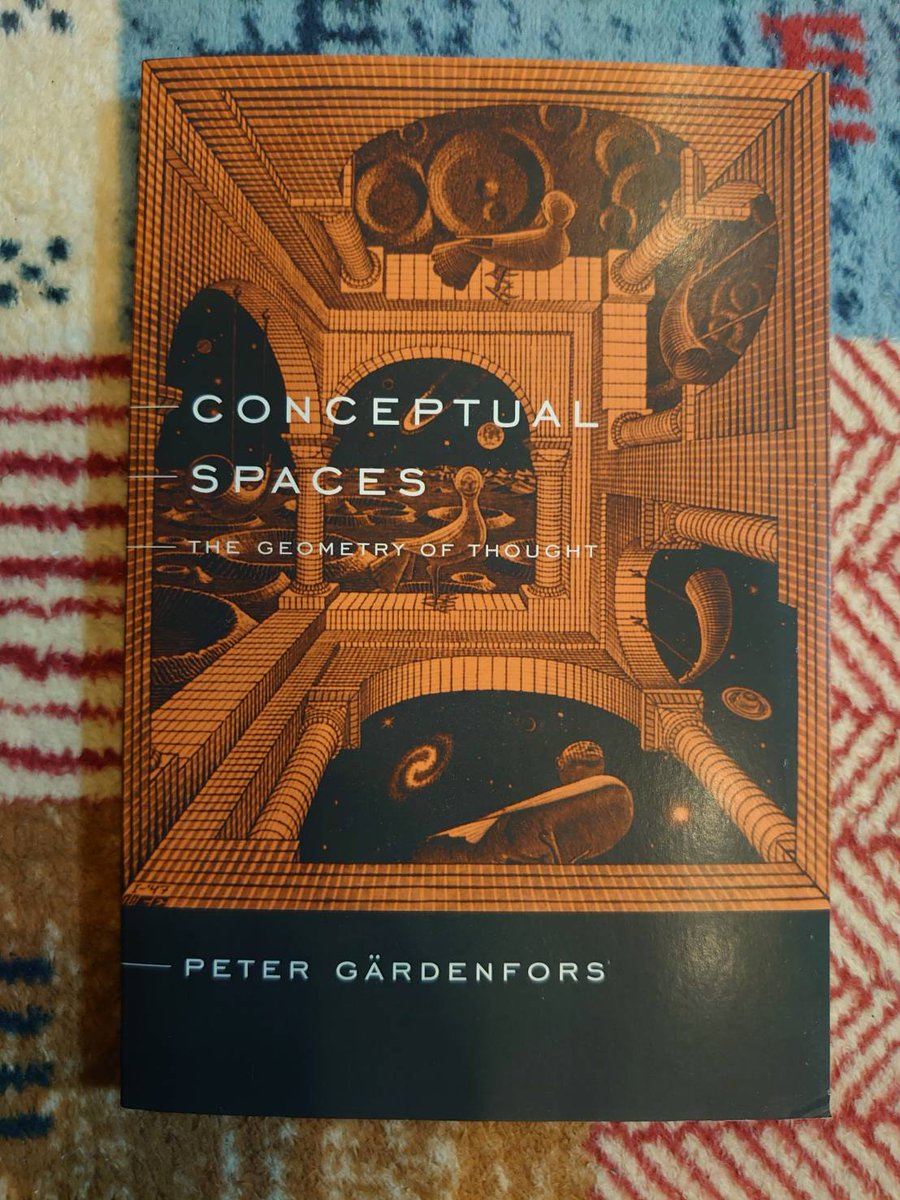
Two excellent books that I recommend on information theory:
* "Information theory, inference and learning algorithms" by Sir MacKay
Available at: https://t.co/CIPn9YJ8H6
* "Information Theory: From Coding to Learning" by Y. Polyanskiy and Y. Wu
Available from authors home page
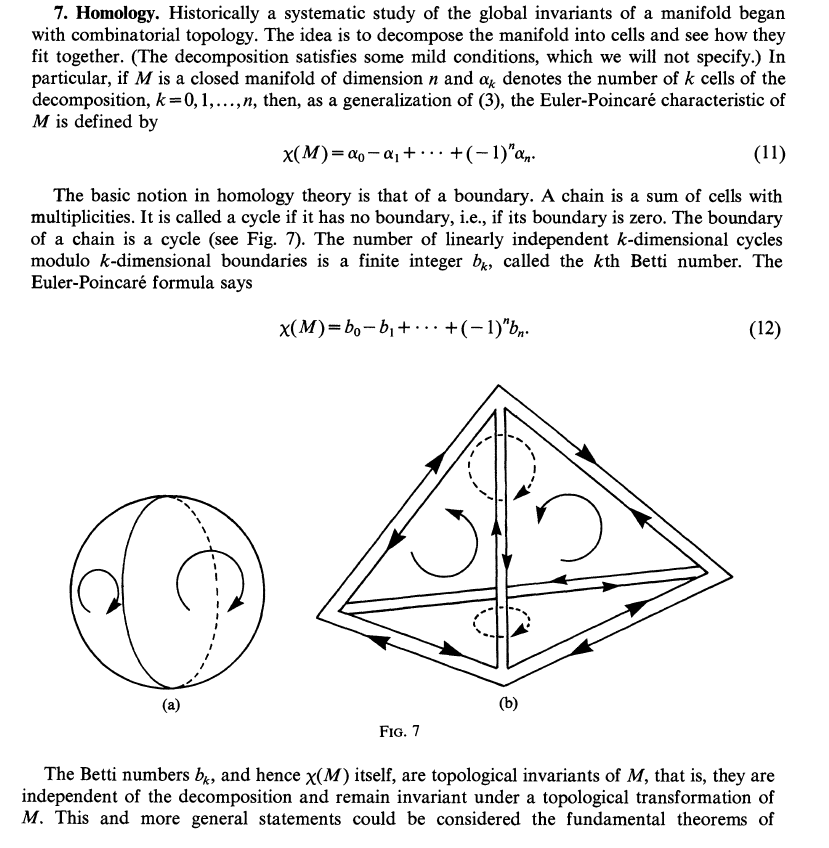
Yet another excellent "popular geometry" article
From Triangles to Manifolds
by Shing-Shen Chern
Great introduction to homology, homotopy, cohomology and vector bundles!
https://t.co/V1ahSn0Snr
https://t.co/camhLxilib
Interview in Japanese with Shun-ichi Amari by @sciportalJST Part 2, released on March 28, 2025 (incl. nice pictures!)
"Future of Japan AI: What were the differences between the US and Japan? What we must challenge now"
https://t.co/noqrOtpCK8
Softplus is a strictly convex activation function smoothing ReLU.
It is related to LogSumExp (LSE) by fixing one argument to zero.
LSE is only convex but fixing one argument to zero makes it ***strictly convex*** and yields the softplus function.
https://t.co/GvMb69QPah
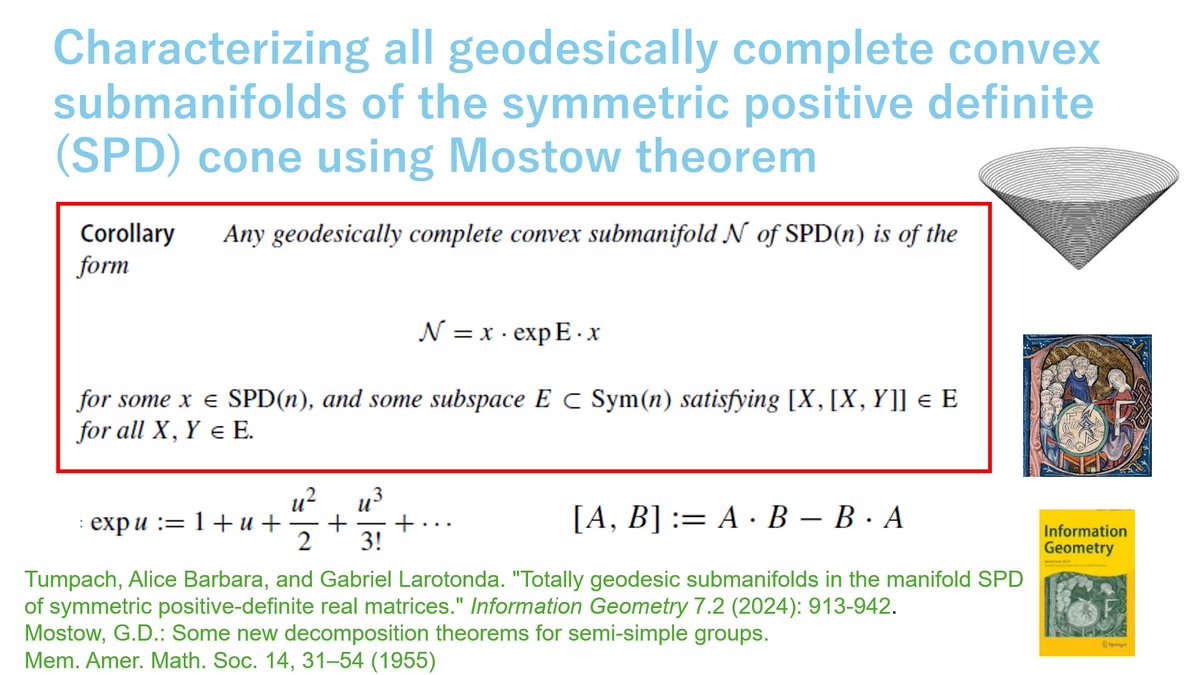
Characterize ***all*** geodesically complete convex submanifolds of the symmetric positive definite (SPD) cone using Mostow theorem.
Open access PDF:
https://t.co/qkMOB87nPX
Inductive mean: mean obtained as a limit of a converging sequence of other elementary means like the arithmetic-geometric mean (AGM) or the arithmetic-harmonic mean (AHM)
Useful because matrix AHM mean = Geometric Matrix Mean = Riemannian centroid!
https://t.co/EtLX8FOLu3
Jeffreys centroid minimizes average symmetrized Kulback-Leibler divergence of a population
Not in closed form for categorical nor normal distributions
Jeffreys-Fisher-Rao center as a proxy of Jeffreys centroid: Fisher-Rao midpoint of sided KL centroids
https://t.co/hyNQBRBIDt
In chaotic systems, the smallest fluctuations get amplified. As scientist Edward Lorenz put it in the 1960s and 70s, even a seagull flapping its wings might eventually make a big difference to the weather. Here's how scientists came to understand what chaos is, and how to wrangle it:
🧵
NeurIPS'24 has over 4k papers!
Below is my selection of 5 papers which considers information geometry:
1/ https://t.co/6iLldc9hOa
2/ https://t.co/0gyl6nD0Q4
3/ https://t.co/ZwIsBGxvIv
4/ https://t.co/mmAOvrTpWm
5/ https://t.co/IvwSK2vt2j