Health costs linked to fossil fuel infrastructure are rarely fully valued in energy approvals. Excluding these externalities can underestimate long-term fiscal exposure and distort least-cost planning.
#EnergyPolicy#PublicHealth#FiscalRisk#LNG#EnergyPlanning
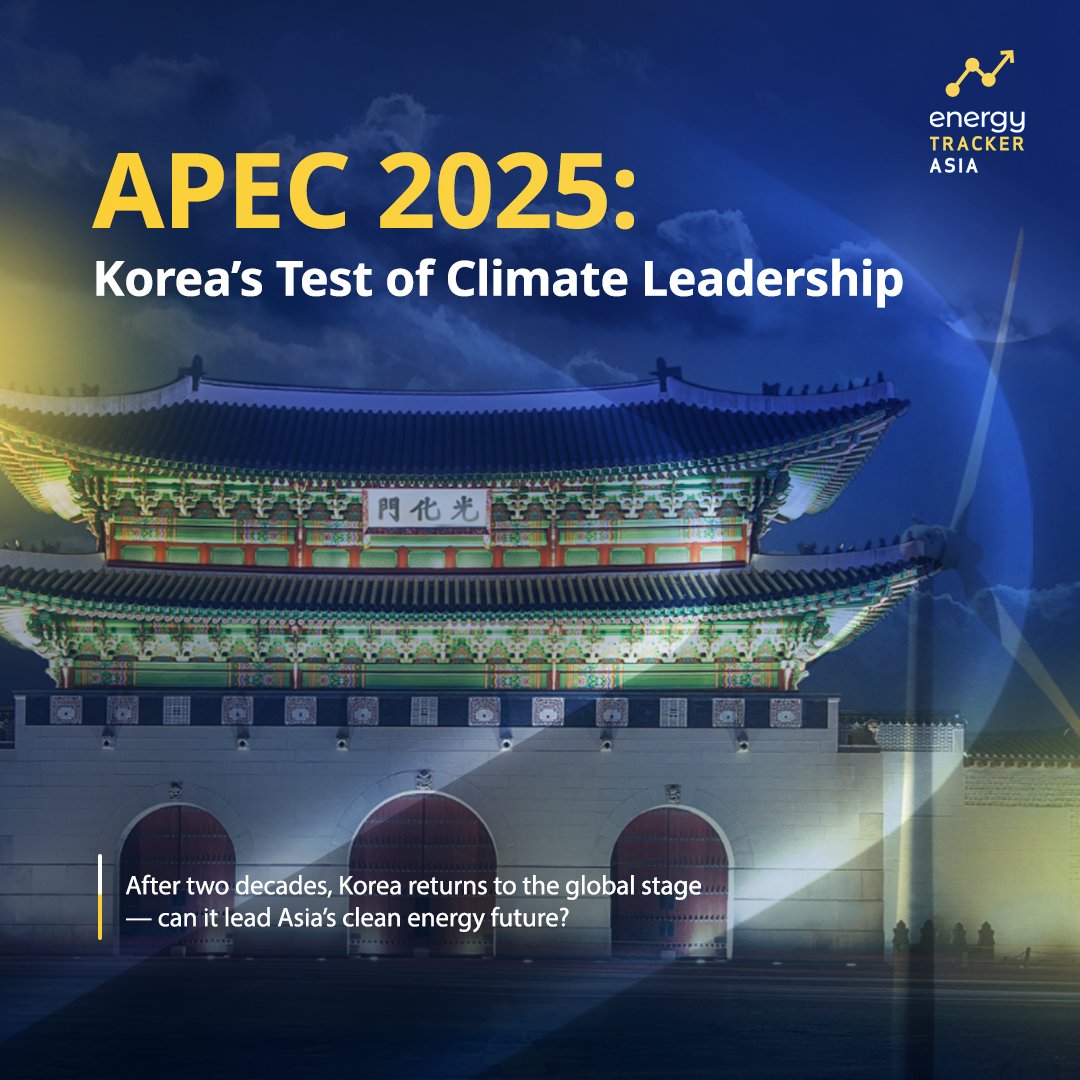
After 20 years, South Korea will host APEC 2025 — a defining moment to prove it can lead Asia’s clean energy transition.
With renewables still only 10% of its power mix, the Gyeongju summit is more than diplomacy — it’s a test of ambition.
Will South Korea rise as the climate leader APEC needs?
🔗 https://t.co/B3wPD1DtsW
#APEC2025 #EnergyTransition #CleanEnergy #ClimateAction #SouthKorea #NetZero #Sustainability
Is #nuclear energy a solution or a challenge? While it offers high energy density & low emissions, the risks of accidents, high costs & radioactive waste cast doubts on its future. Discover why #solar & #wind lead the way in sustainable energy.
https://t.co/6b50CCK20Z
The NCQG settled at $300B/year by 2035—far below the $1.3T needed. Developing nations are left to bear the brunt of the climate crisis as the Global North hesitates. Is this ambition?
#COP29#ClimateFinance
https://t.co/6gf5Jx6x2n
Despite promoting carbon neutrality, Asia Zero Emission Community (AZEC) agreements focus heavily on fossil fuels like LNG and unproven tech like CCS.
Are AZEC’s initiatives genuine or is it greenwashing?.
Find out more in our latest Special Report: https://t.co/c6tJ4Fu5eC
Trump's win precedes COP29 in Azerbaijan, where nations will set new climate finance goals and boost momentum for stronger NDCs in 2025. What impact will a Trump administration have on global climate efforts and talks? #COP29#ClimateAction#USElections
https://t.co/ujlxIznWVY
A study by @PriceofOil & @foe_us found that between 2020 and 2022, G20 economies invested an average of USD 35 billion per year in clean energy developments overseas, compared to USD 47 billion for fossil fuels. Will #COP29 change the trajectory of this climate finance?
Learn more: https://t.co/eVxGOr7F7W
#NetZero #ClimateAction #EnergyTransition #FossilFuels #AZEC
As COP29 rounds the corner, we spoke with Teresa Anderson, the global climate justice lead at @ActionAid International, about all things climate finance, including the $100 billion a year promise, loss and damage finance, fossil fuel levies and more. https://t.co/5H9gFeILal
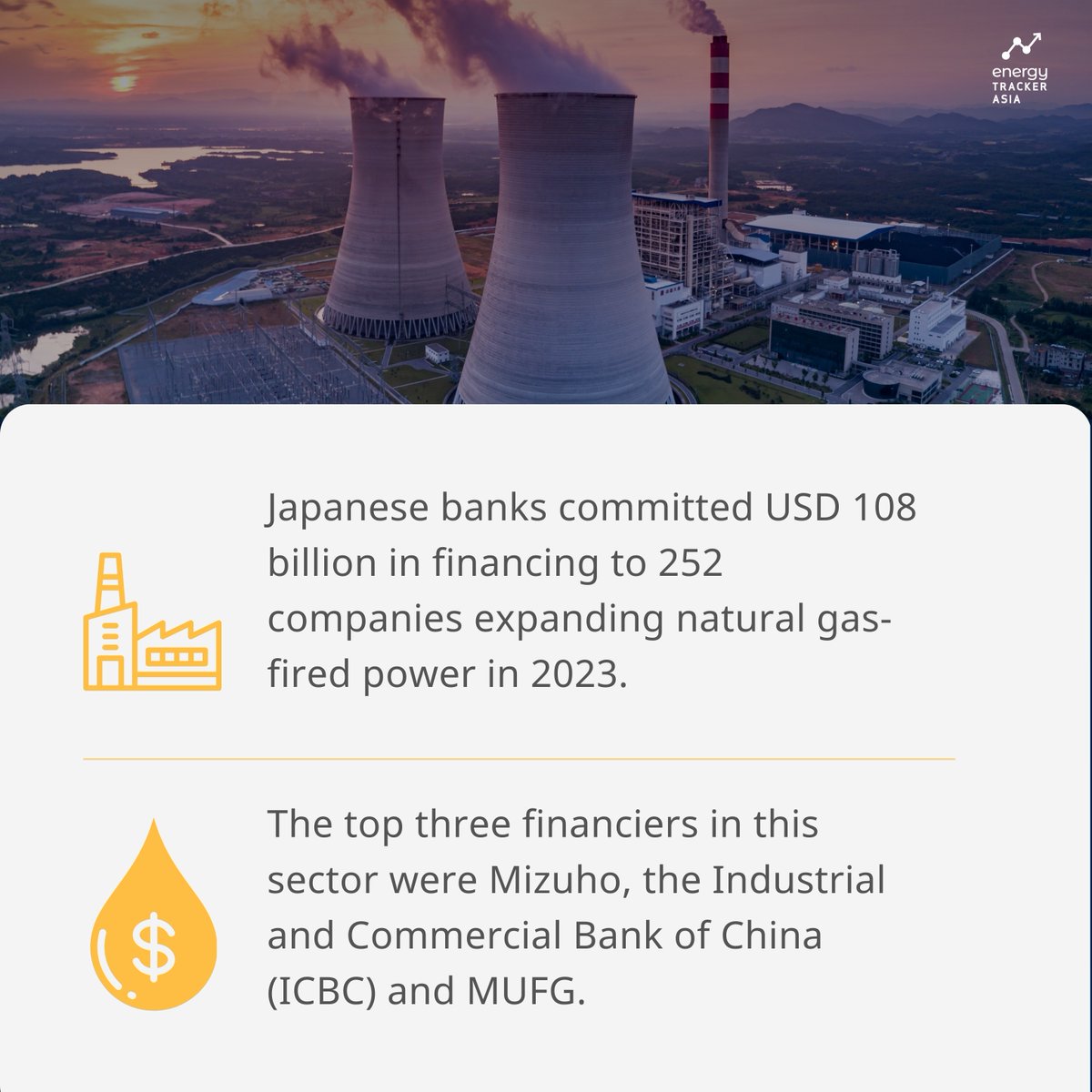
MUFG needs corporate determination to trust in renewable energy for Japan's and the world's energy sectors. Without this, they will continue funding massive fossil fuel projects, hindering true decarbonisation and net-zero goals.
Learn more here: https://t.co/QZkYzL7hXh
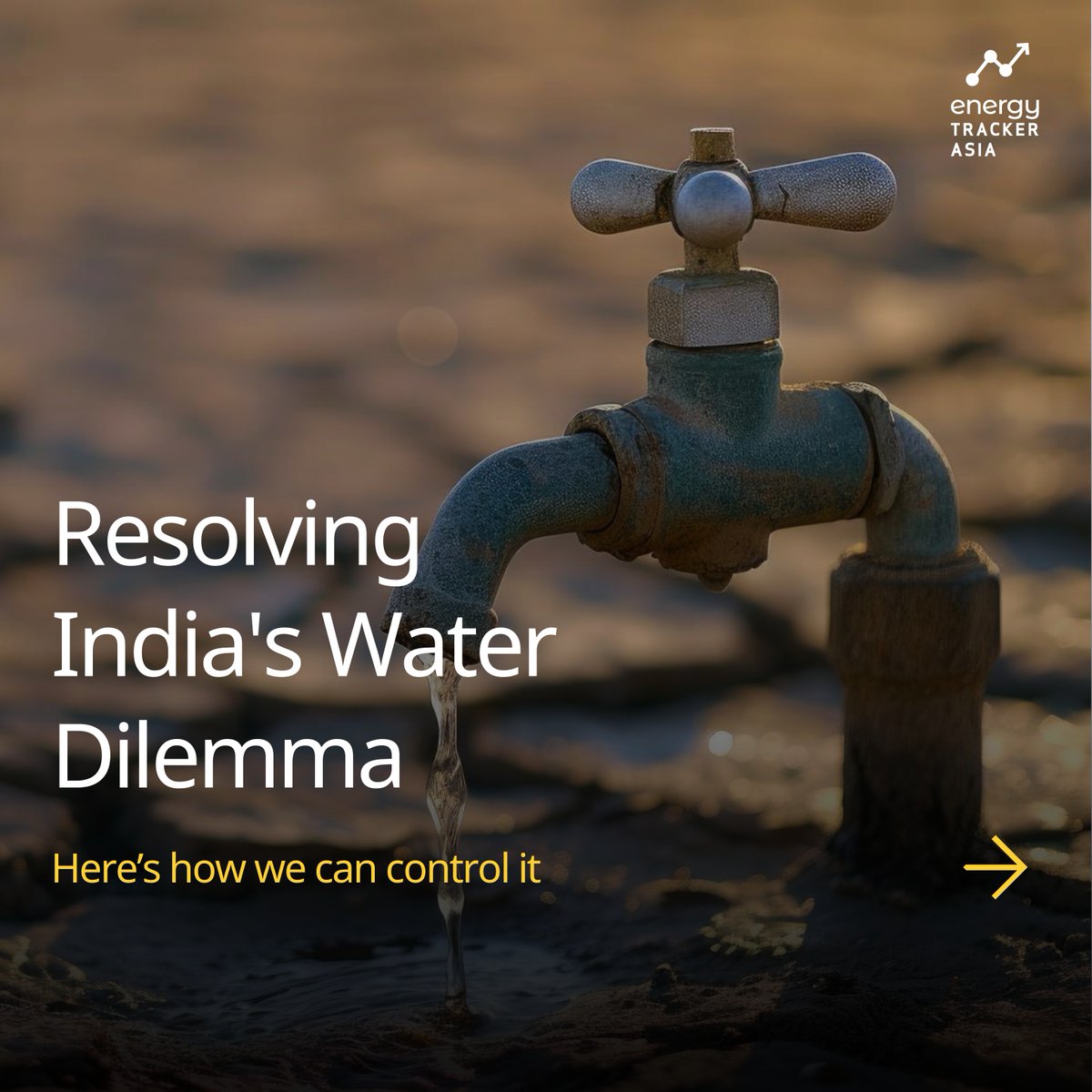
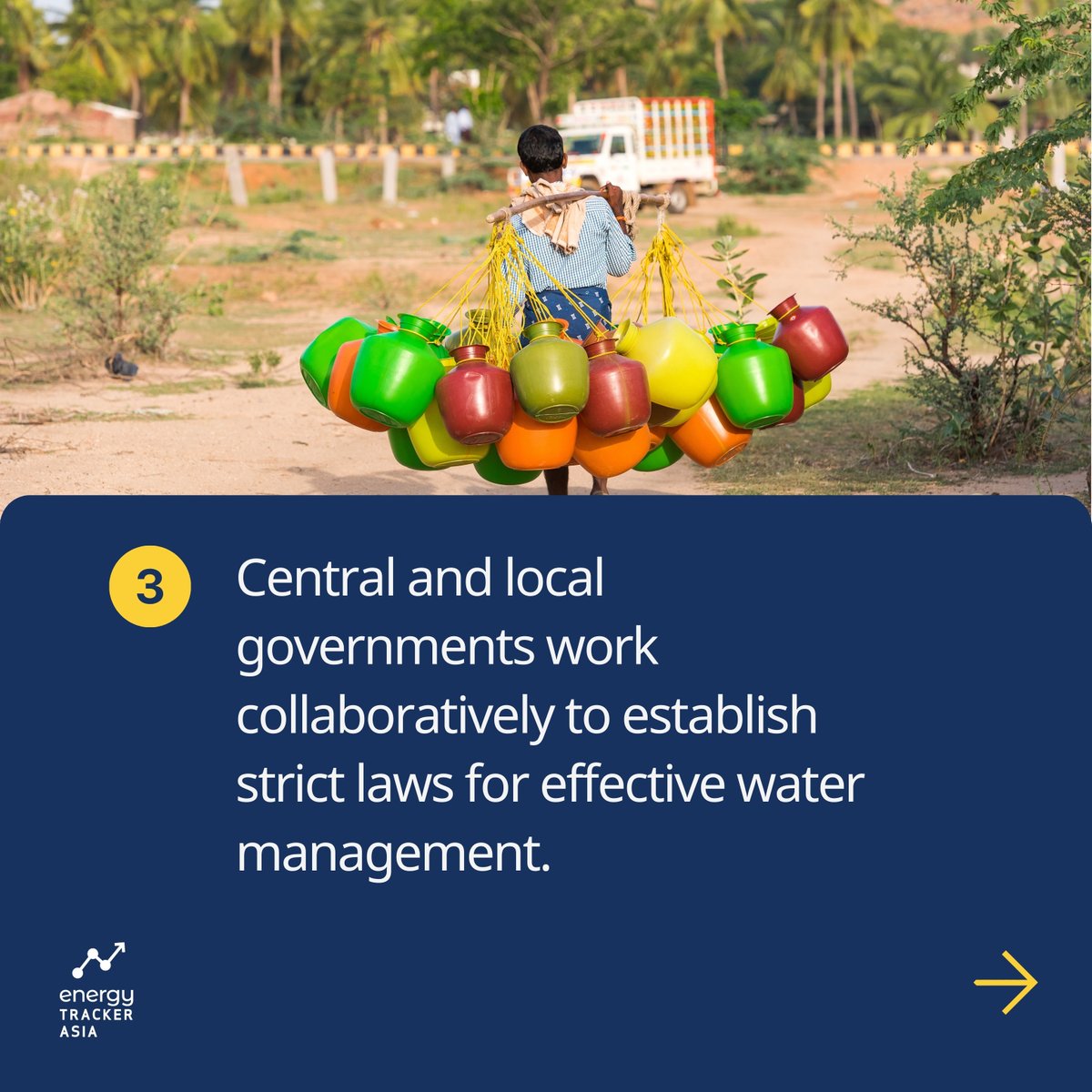
India's upcoming elections must prioritise water security. Political parties need to recognise the severity of the water crisis and commit to action. #Indiawatercrisis#IndiaElections2024@AnjalPrakash https://t.co/JVOwuRVVtM
Ammonia coal co-firing, touted as a solution to reduce carbon emissions, is a risky and expensive venture for Southeast Asia. It has negative health and environmental impacts and will increase pollutants and dependence on fossil fuels. #ClimateAction#SoutheastAsia
The @IESR has pushed back against Indonesia's New Renewable Energy (NRE) bill, calling it “ineffective and ambiguous.” #coal derivatives like coal gasification, liquefaction, and bed methane hamper GHG emission reduction efforts. https://t.co/S6EBwMZgcN
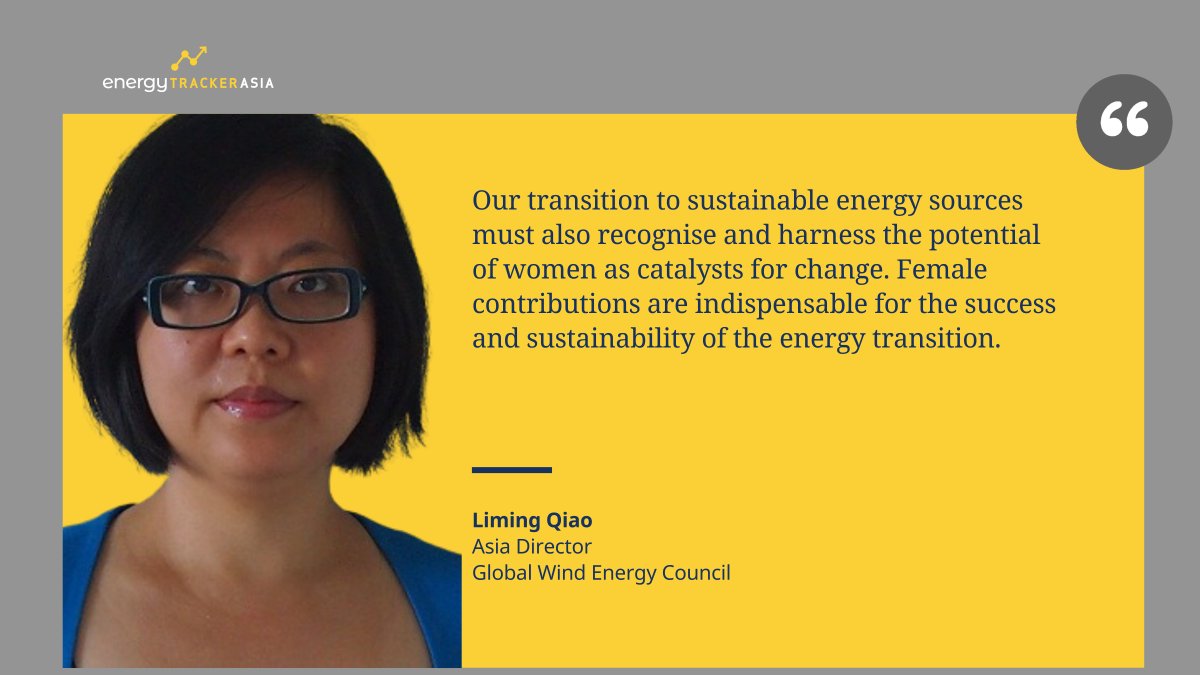
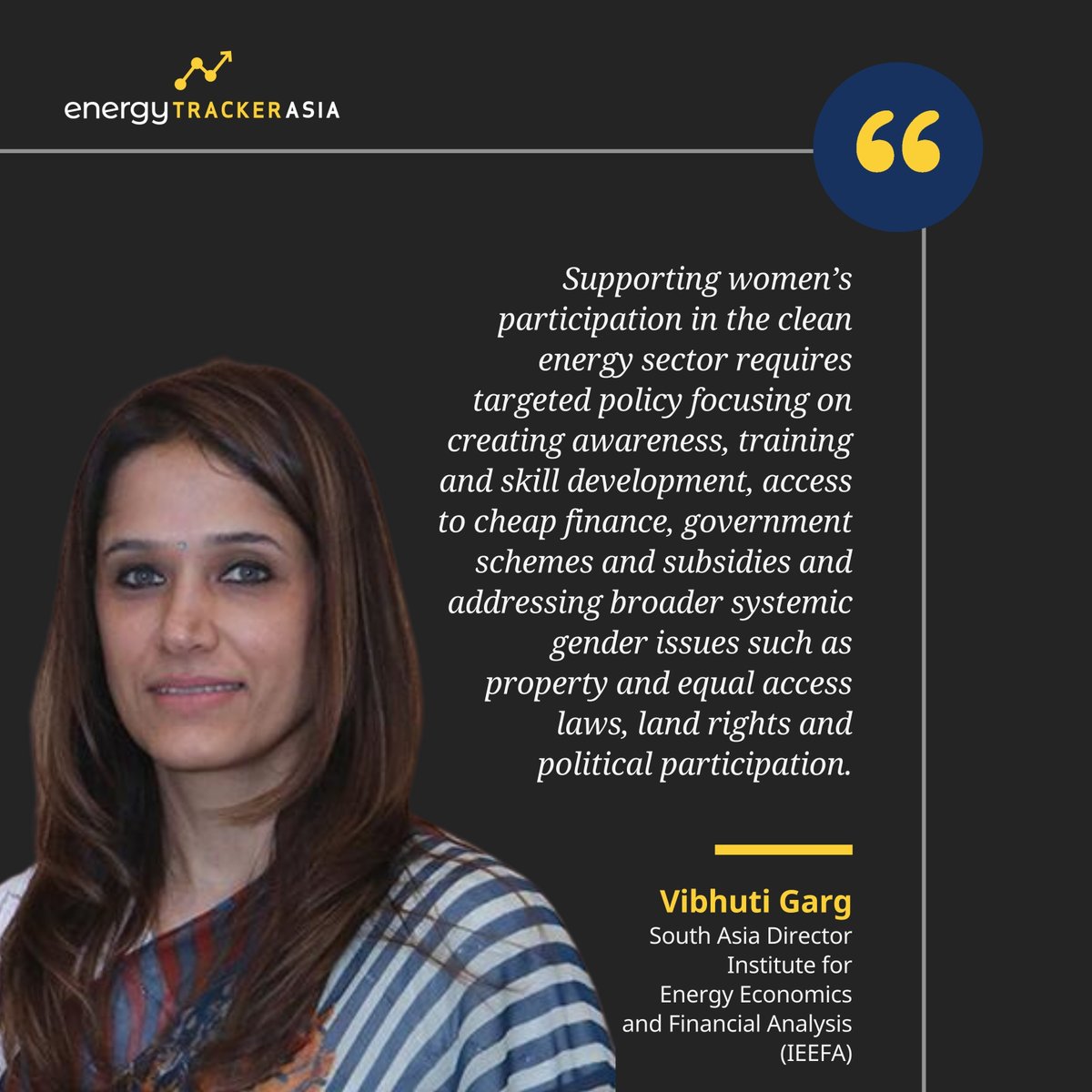
Liming Qiao, Asia Director at @GWECGlobalWind shares her thoughts on how the the emerging #wind industry brings opportunities for women to be empowered to helm the clean energy transition. #InternationalWomensDay2024
Read more here: https://t.co/6rmgbbgONa
At COP28, over 100 countries agreed to triple renewable energy by 2030, with Asia's participation crucial. Japan, exemplifying rapid progress, faces hurdles like heavy fossil fuel dependence and grid upgrades. Can it lead Asia's energy transition?
We spoke with the Director of Climate at the World Resources Institute India, Ulka Kelkar, about her thoughts on the outcomes of COP28 and the implications it will have on fossil fuels and climate finance.
https://t.co/lcMVacPBEO
The Loss and Damage Fund concept was first proposed in 1991. 30+ years later, it is now up and running. #COP28 branding efforts claim success, but inadequate pledges and unclear timelines leave climate-vulnerable nations feeling ignored and isolated.
https://t.co/mhPYqSI3kl
COP28 is the first global commitment to phase out fossil fuels by 2050. It is being hailed by many as the "beginning of the end" of the fossil fuel era. But is that enough to see the world keep 1.5C?
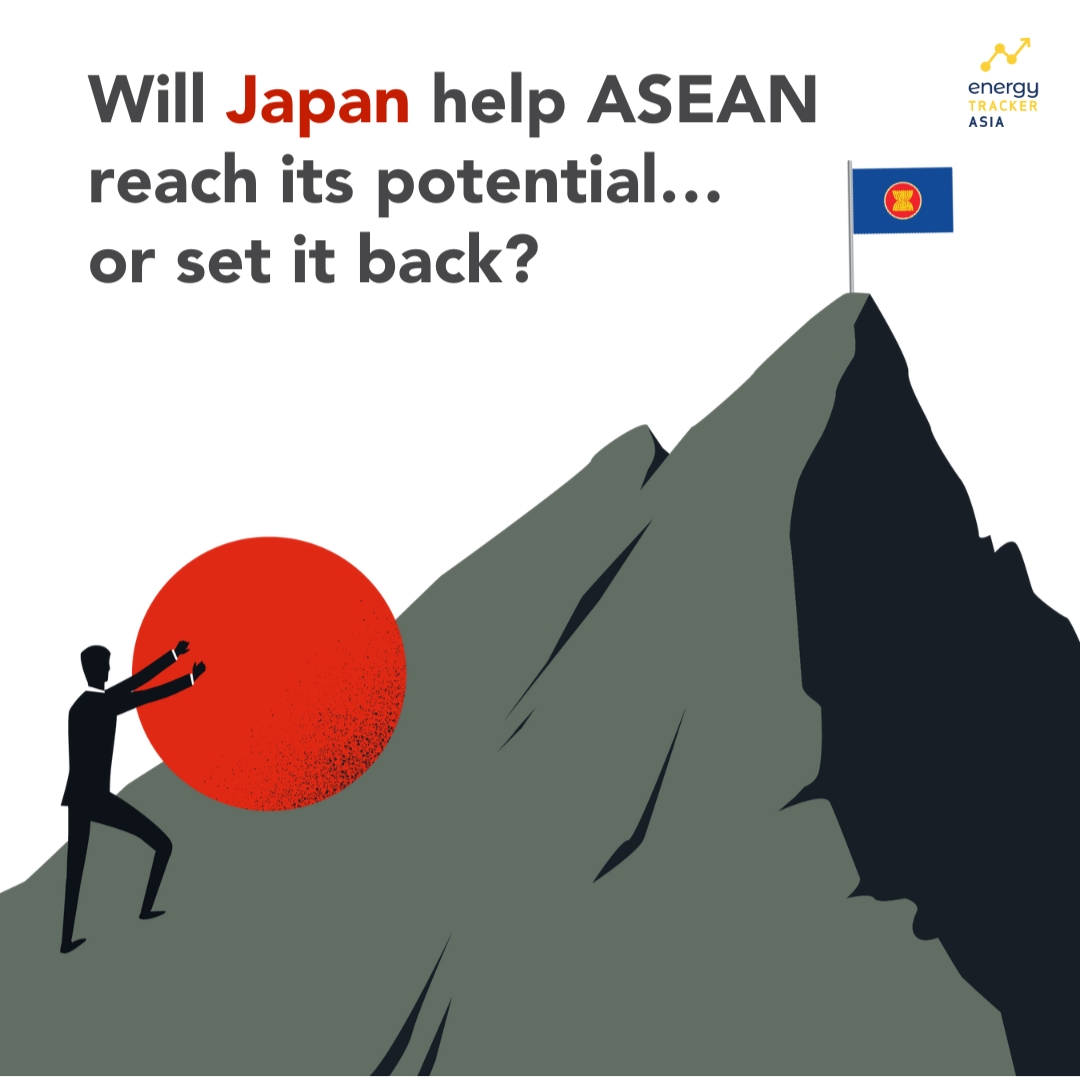
Southeast Asia holds enormous promise for renewables. But Japan’s push for gas and fossil fuel-based technologies risks a livable future. Don’t let Japan hold SEA back. Say #SayonaraFossilFuels#FossilFreeJapan#COP28