📢📢📢
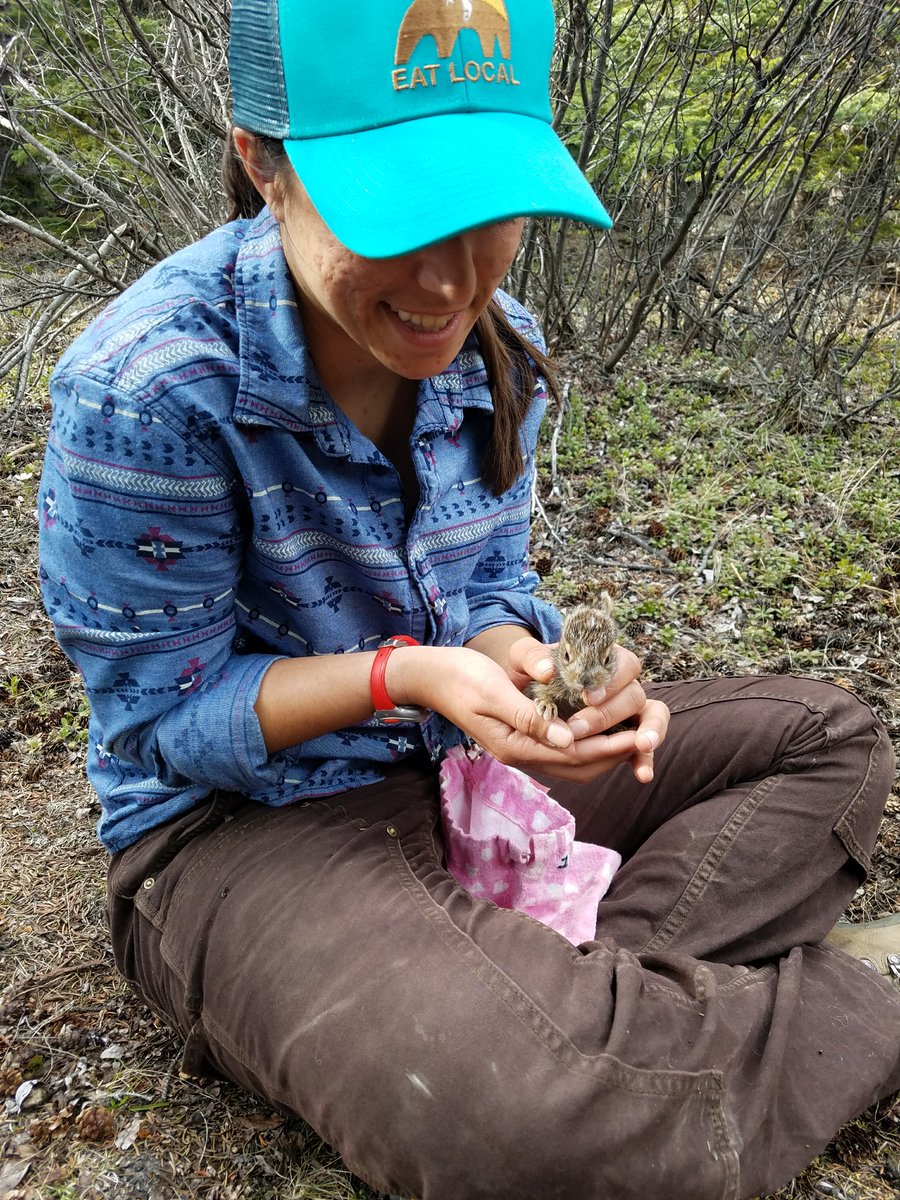
On Aug 28th, Sarah Westrick @sewestrick will be running the #ABSTakeover! Tune in to learn more about her research on individual variation in behavior of red squirrels and poison frogs!
The coquí 🐸 are literally lining up outside our behavioral testing chambers here on the Big Island, HI.
They can't wait to become data points!
Working with #invasivespecies in tropical paradise has its perks. 🌴🌊
@ekfischerlab@GEEBatUIUC@UofIllinois
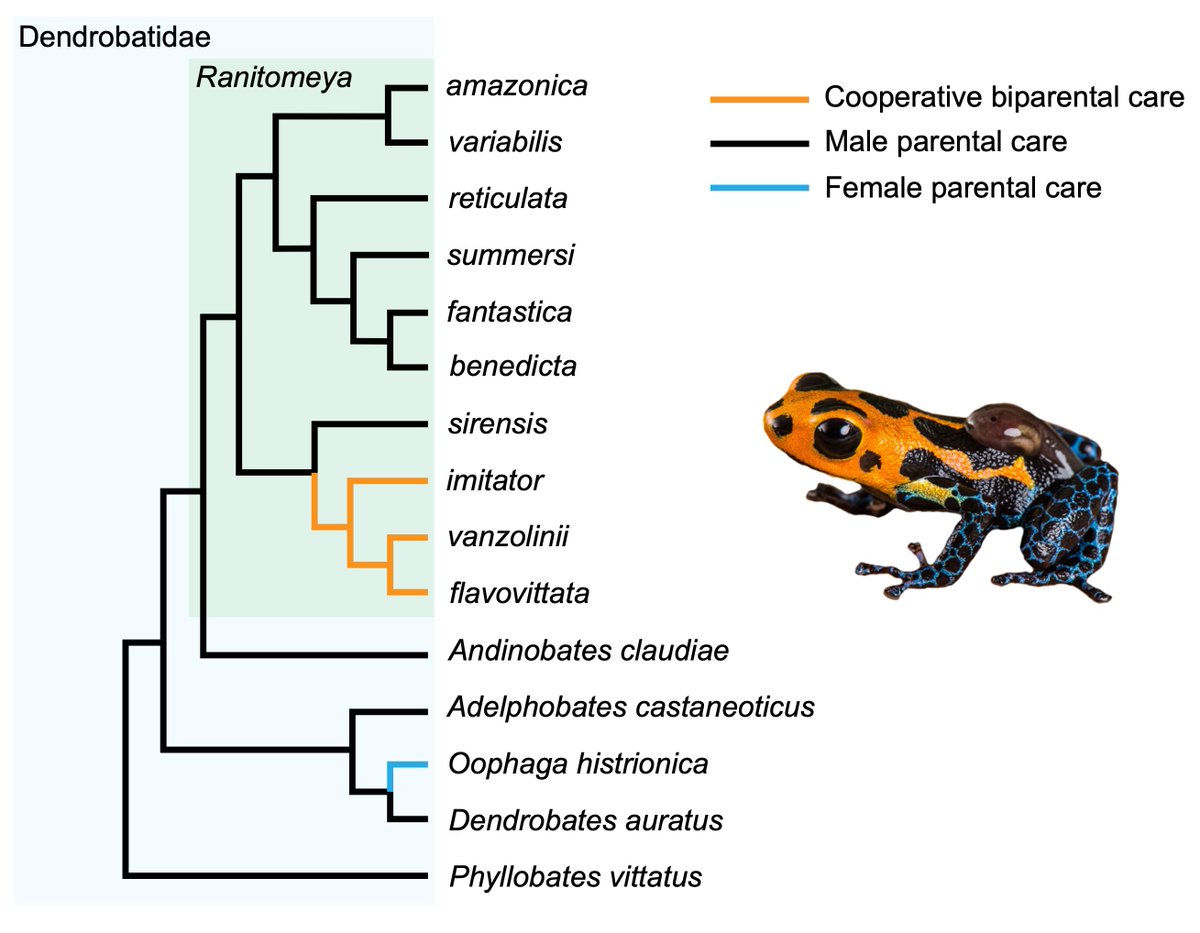
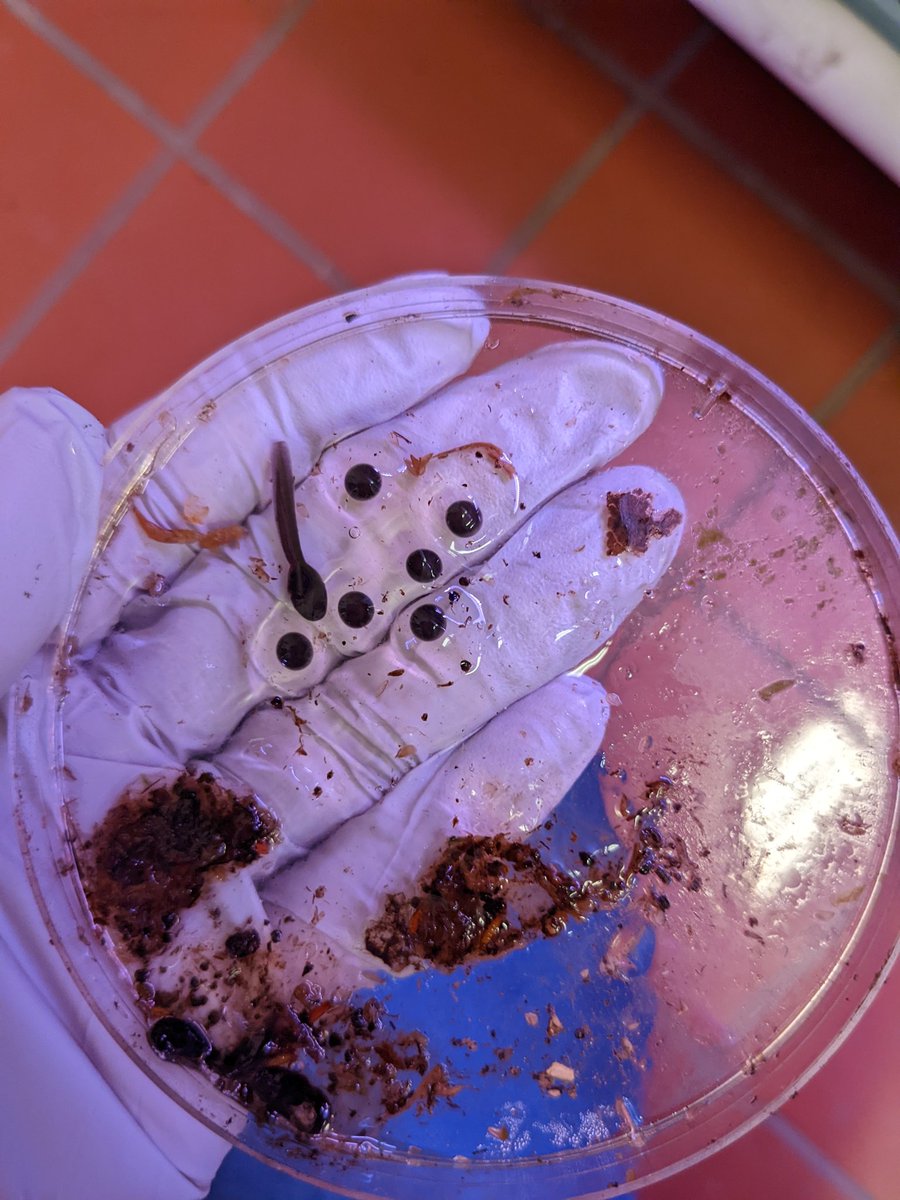
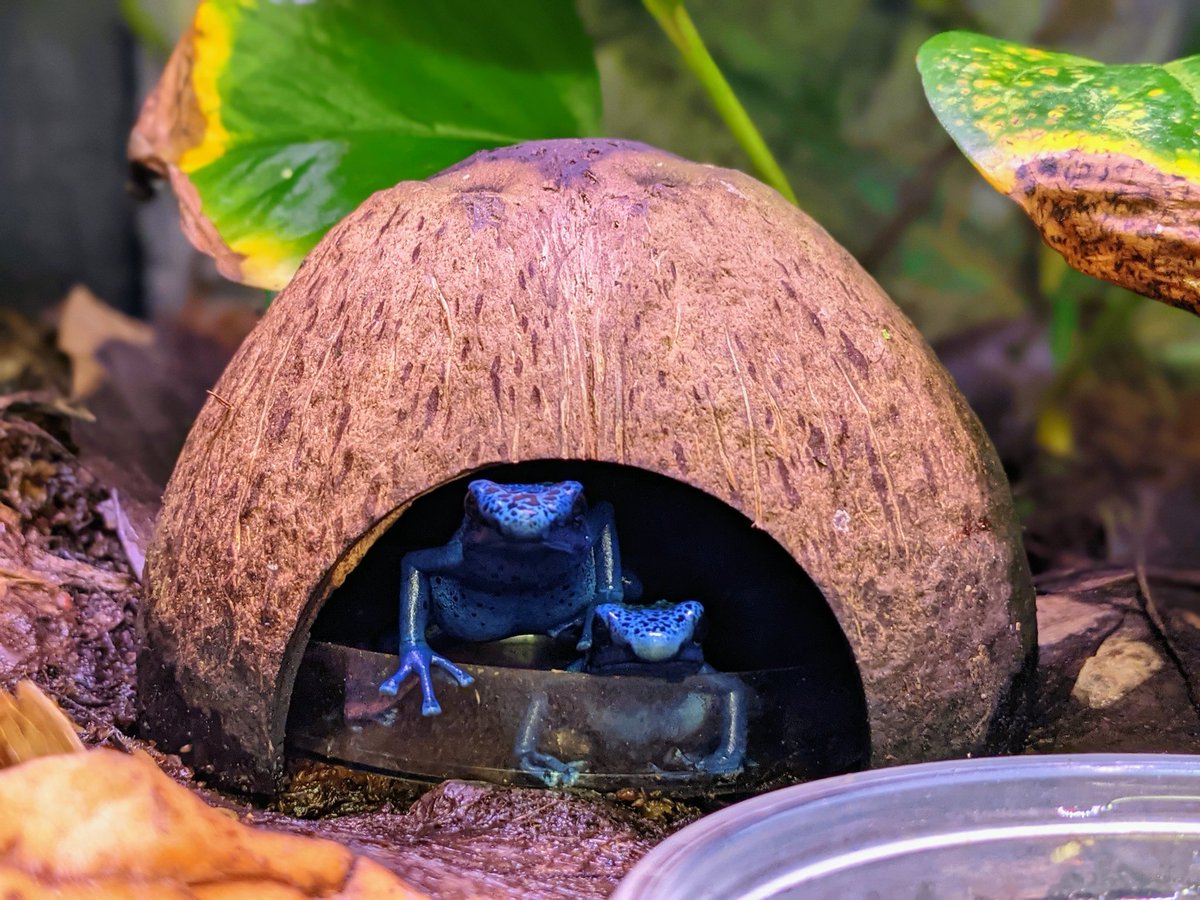
We’re in hour 3 of #ABStakeover with @moss_etal, and it’s high time for some #FrogFacts 🐸. Did you know that neotropical poison frogs are not only toxic and colorful, but are also great parents? Check out the diversity in parental care modes 👇
A big day: Our first empirical paper since setting up the lab @iBioIllinois (in the middle of a pandemic) is out in PNAS! Evolution of acoustic signals in a biparental poison frog. Read more here: https://t.co/MnhvdJ9cd3
check out our new Fischer Lab community engagement website! members of our lab have been doing some awesome work talking about poison frogs with our local community! @ekfischerlab@EmilyTerrill4@LisaLSurber@moss_etal https://t.co/IGQSA6dCg3
frog friends: anyone have pictures of frog nests or nesting (broadly defined)? brooding chambers, burrows, foam or bubble nests? grateful for anything y'all are willing to share! please RT.
Eva Fischer (@evakfischer and @ekfischerlab), Assistant Professor in @iBioIllinois, was just named an @LASillinois LEAP Scholar! This award is granted to distinguished early-career faculty, and recognizes Eva's impactful work on neotropical poison frogs. 🐸 Congratulations! 🎉
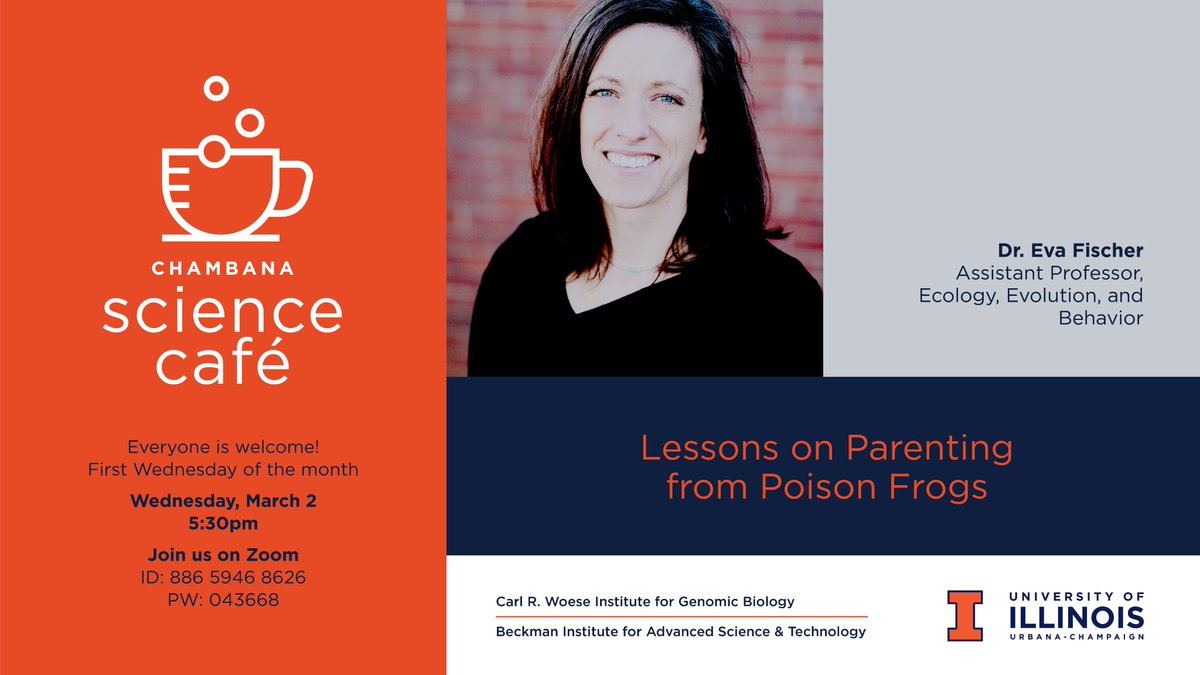
General public lecture this week as part of the awesome Science Cafe series hosted by @IGBIllinois. Science and frog pics for scientists and non-scientists alike!
Dendrobates tinctorius poison #frogs also toe-tap when they're eating! An undergrad in our lab, Thomas, is using slow-mo video to investigate why and how they do this cool behavior!
Another moment to brag about our versatile undergrads: loved seeing @thomasqparrish perform with @XtensionChords. In the lab Thomas is doing his @iBioIllinois honors project on toe tapping in poison frogs.
We know very little about how amphibians discover new water bodies. This field study shows that poison frog parents rely on olfactory cues to find new suitable water bodies. Check this short communication @frog_tracker
and I published in JEB
@LOB_SU
https://t.co/ghBWHUfYHX
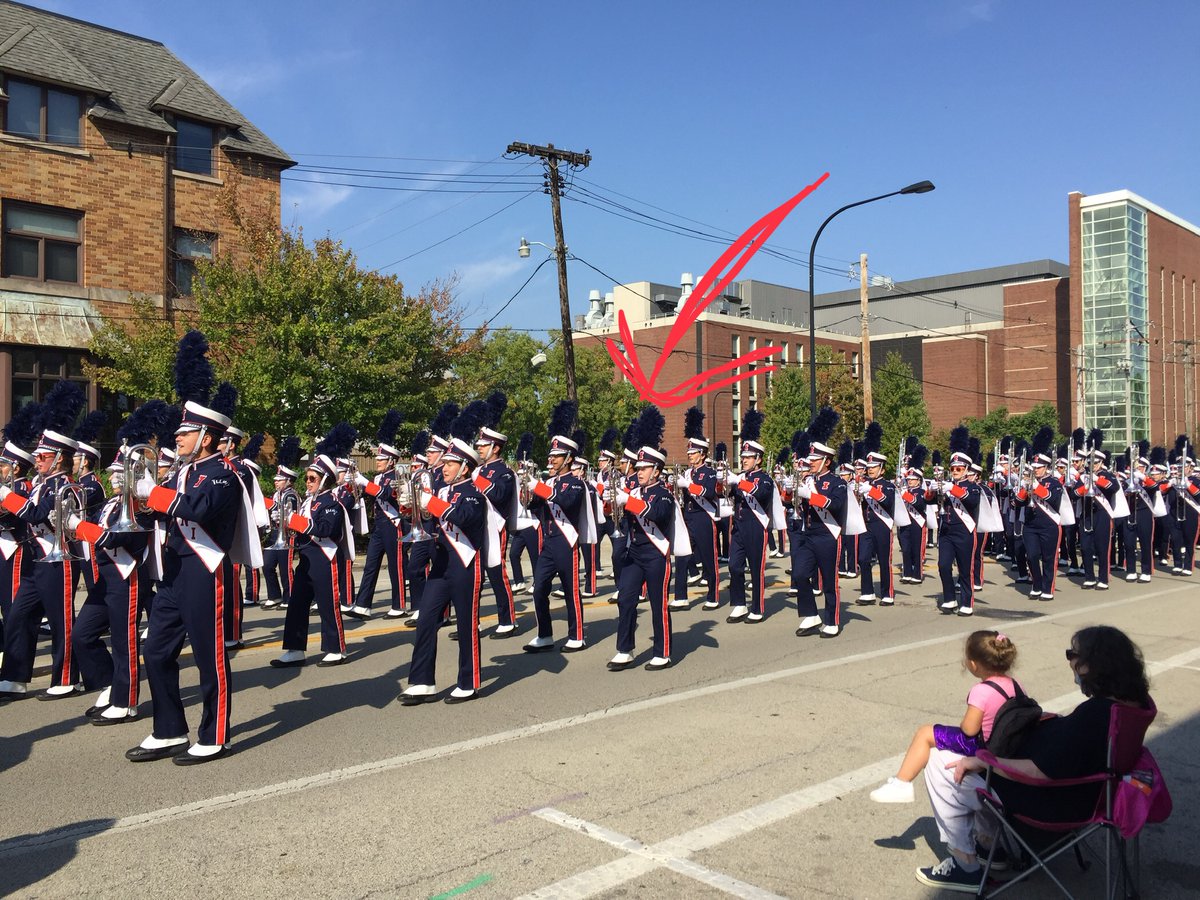
We're lucky to have lots of multi-talented folks in the lab! Undergrad Molly Podraza @mpod54 plays trumpet in the @MarchinIllini. In our lab she is exploring how frogs use environmental cues to make parental decisions.
@cowbirdlab Great question! I'm not sure visual pattern identification alone has been tested in tinctorius, but for pair-bonding species of poison frogs they must be able to identify their partner somehow (either acoustically or visually or both)!
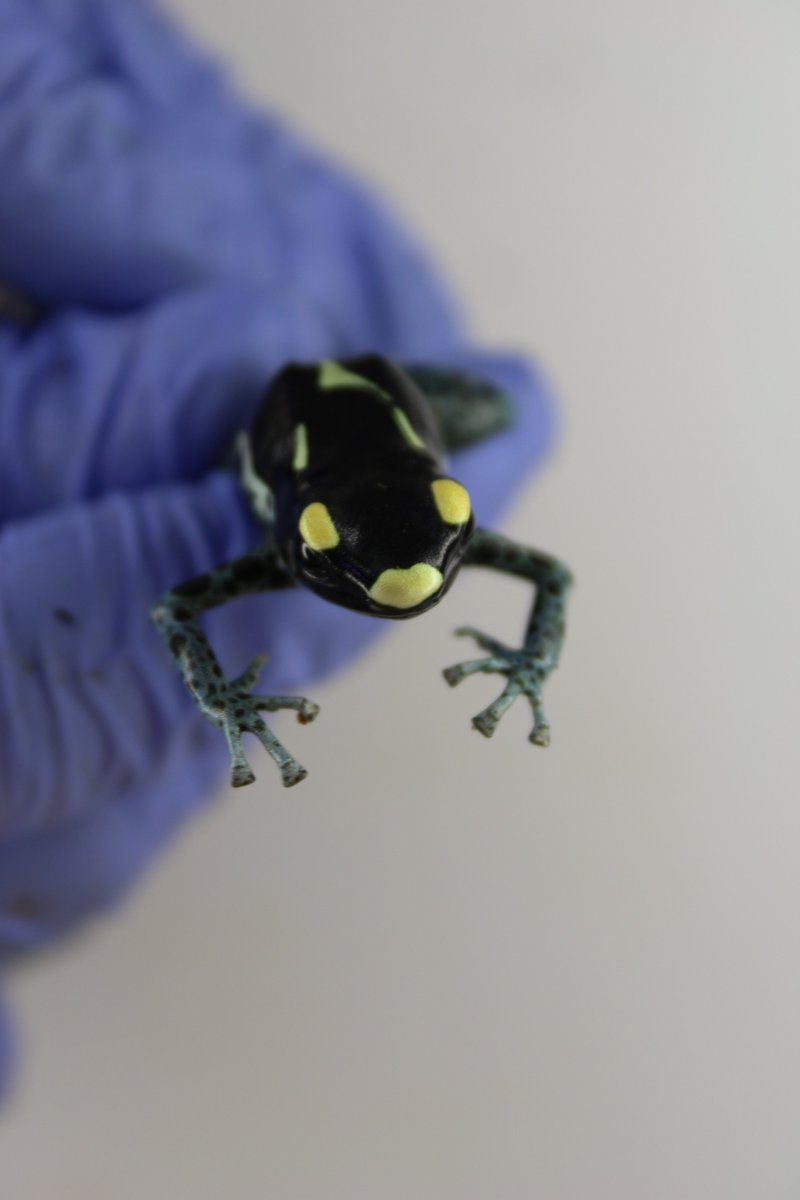
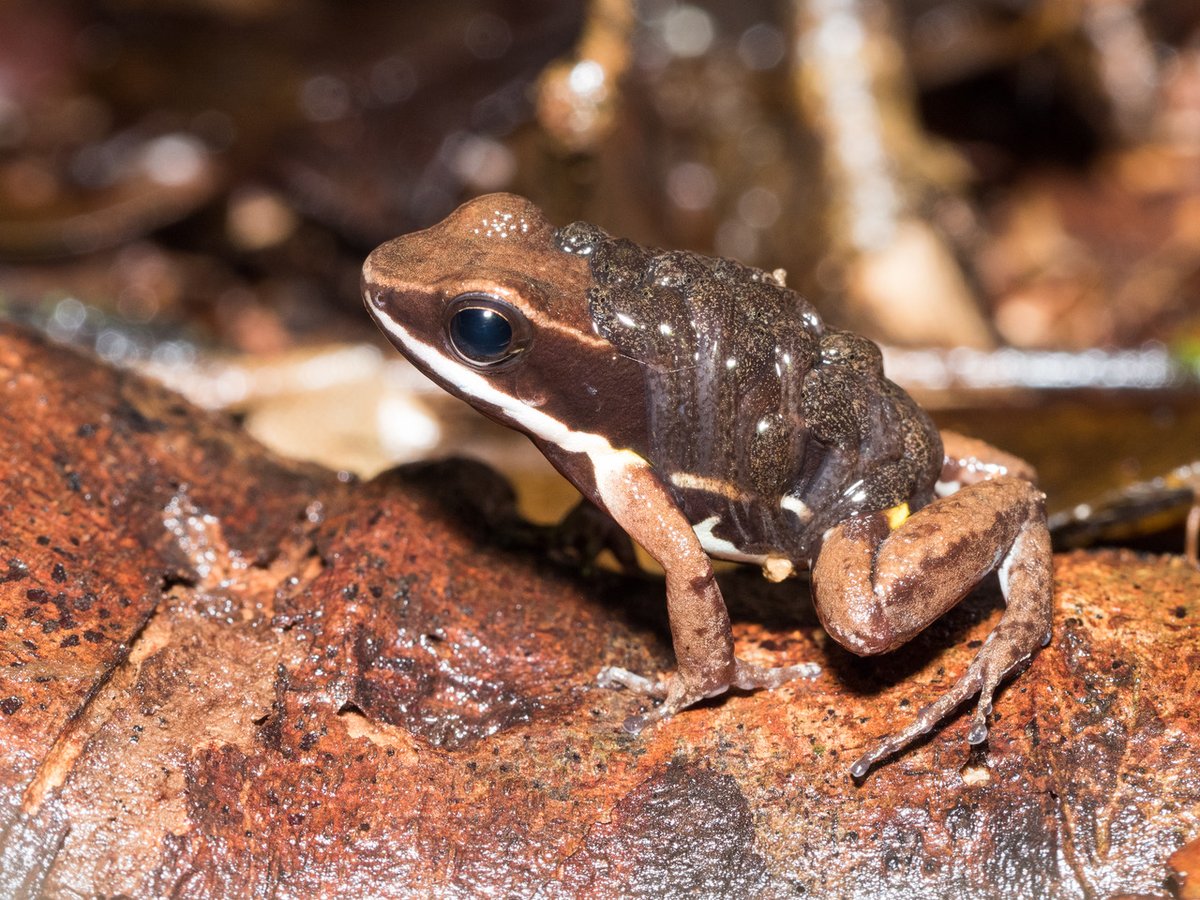
To identify individual frogs in group tanks, we take photos of their unique patterns - usually of their back or belly. But these D. tinctorius poison frogs also have some adorable facial patterning! #herpetology#poisonfrogs
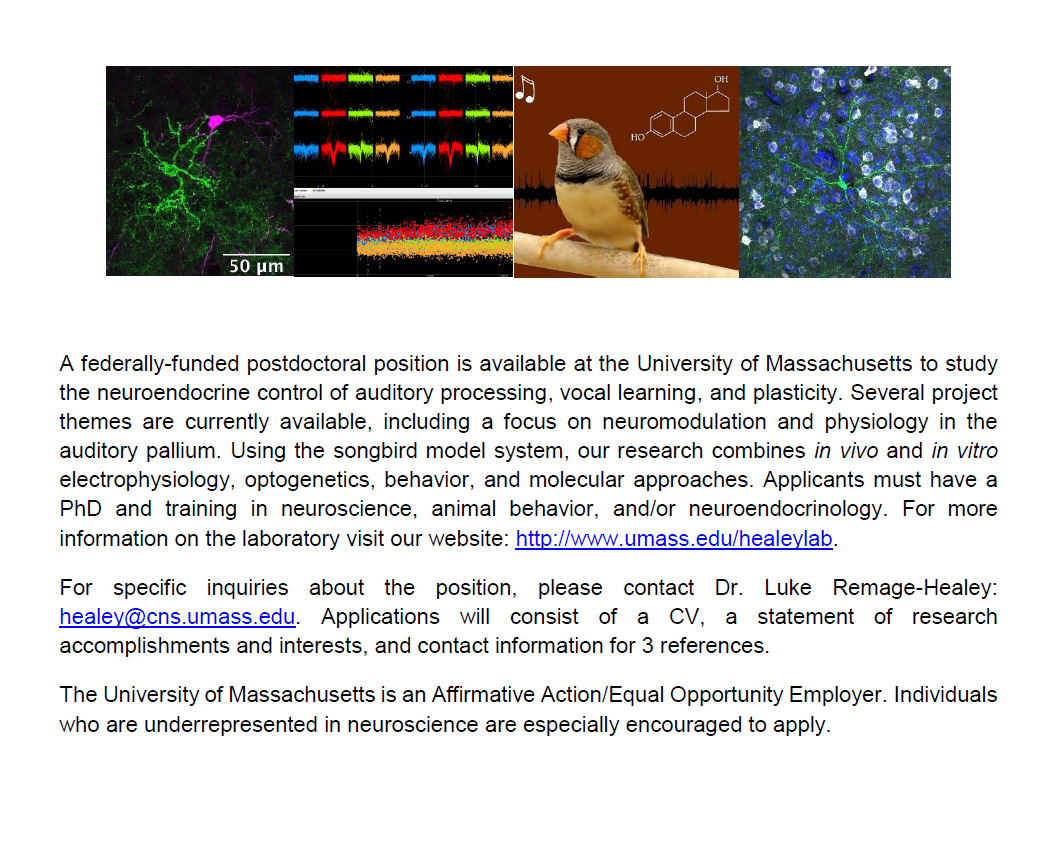
New Postdoc position available! Seeking a motivated scientist interested in neuroendocrinology, neuroethology and integrative neuroscience. Please RT
https://t.co/n2jq7stYuz