@MagdalenaTorkko Voi olla pentuajan juttu, joka korjaantuu itsekseen kasvun myötä. Ei kannata turhaan murehtia, toki seurailla tilannetta. 🐱 Onnea kotiutumiseen, siellä on pojat kohta helisemässä! 😸
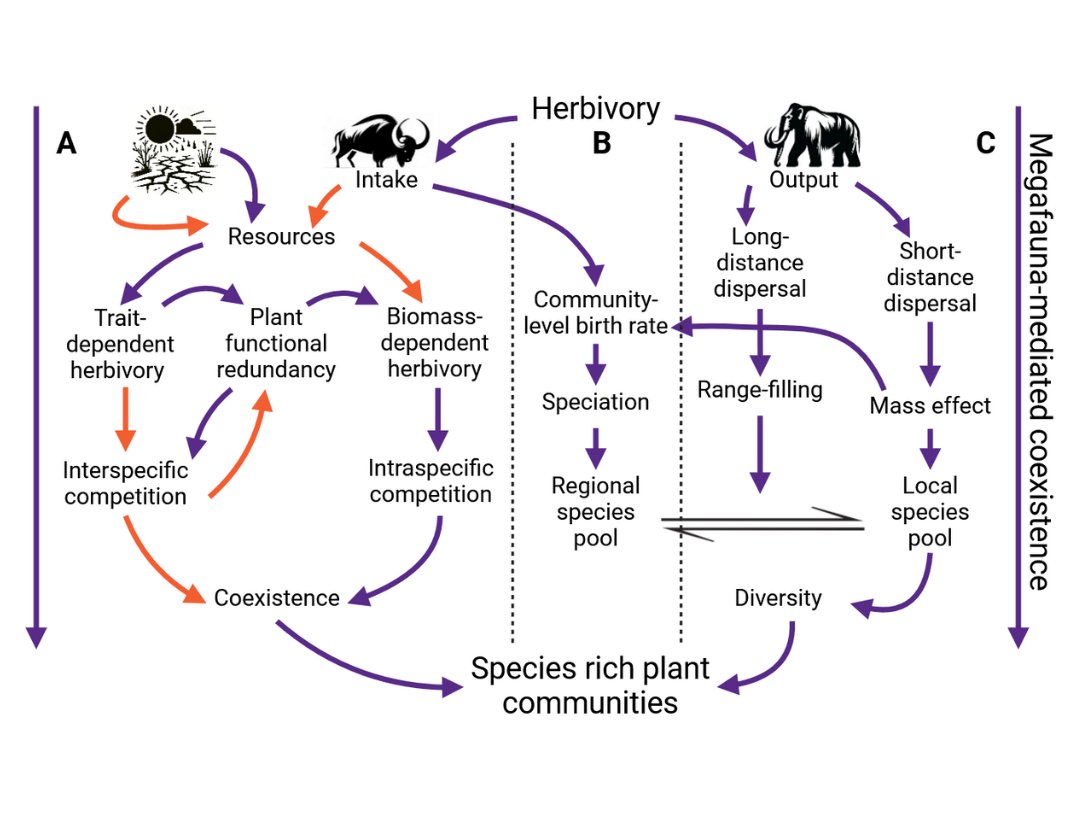
The loss of megafauna over the last 50,000 years has caused ecological theories to be based on already-degraded ecosystems.
https://t.co/4JDmjVpLXf
@SASoendergaard@ejrn_s@CamFloj@JCSvenning@NordicOikos @WileyEcolEvol
Do you have experience in copyediting and proofreading, preferably within academic publishing, and an interest in ecology and conservation? We are hiring a temporary copyeditor and would love to hear from you! 📝
📅Closing date: 23 February 2025
https://t.co/VQmvOxAyxl
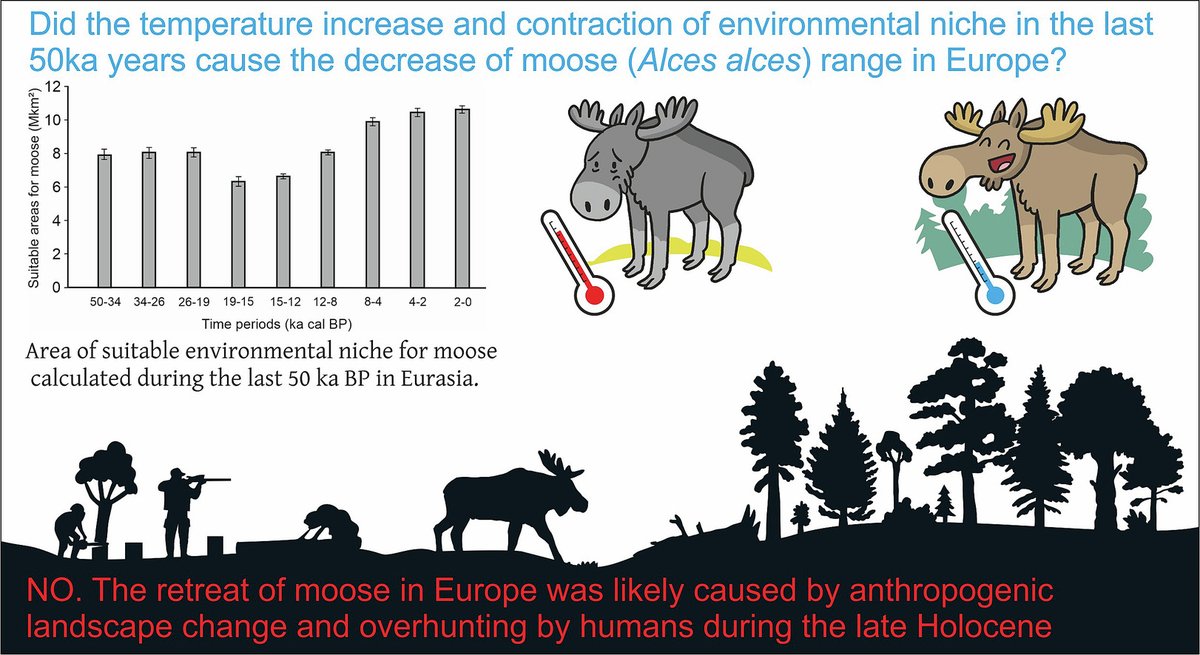
On #moose/#elk in Europe "the retreat of A. alces in large areas of Europe was likely caused by anthropogenic landscape change (..) and overhunting by humans during the late #Holocene rather than by climate warming" https://t.co/2HetUWuH39 #alces#defaunation#Holocene#megafauna
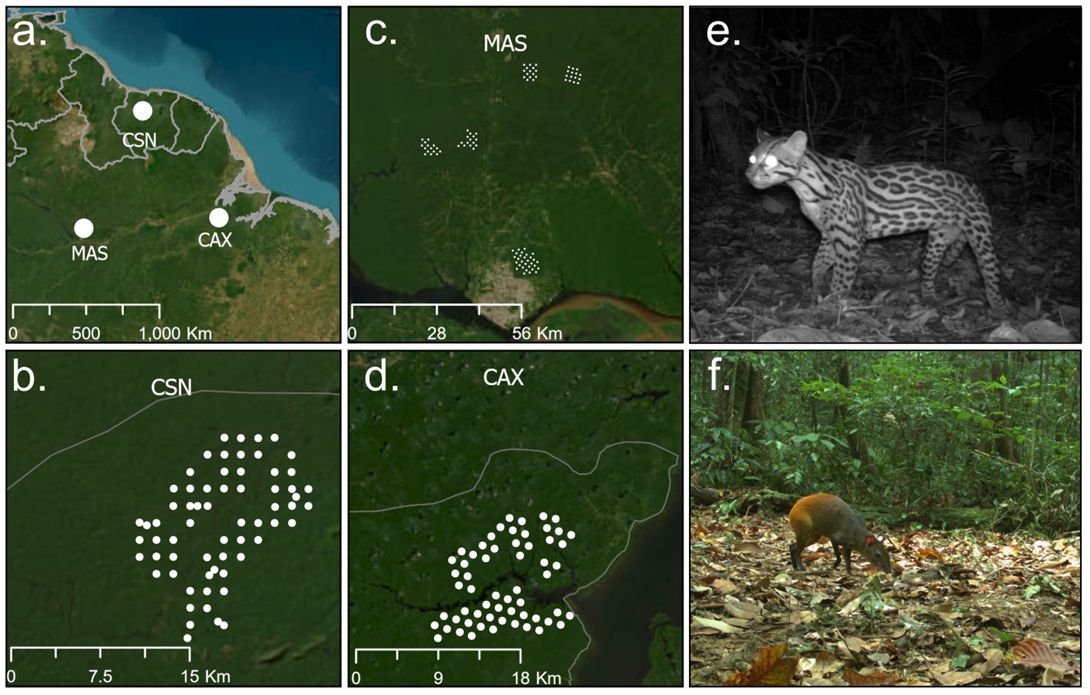
"New research reveals how predators and prey adjust their behaviours in space and time! 📷 Using camera-trap data from Brazil and Suriname, we found that red-rumped agoutis adjust their activity patterns in response to ocelots' presence."
https://t.co/KOIiy2xvgN
A new Concepts & Questions article: Birds in cities can be both good & bad for human well-being, but their impact is under-studied and likely varies across groups & cityscapes
📄Bird-mediated ecosystem services and disservices in cities and towns
https://t.co/o20Y7Un2Sb
Yöperhosten runsaus vaikuttaa pohjoisten metsien lintujen määrään – Oulun yliopiston johtaman tutkimuksen 26 vuoden aineisto on maailmanlaajuisesti harvinaisen kattava https://t.co/ywtk9I7PFV