This week on the Pacey Performance Podcast...
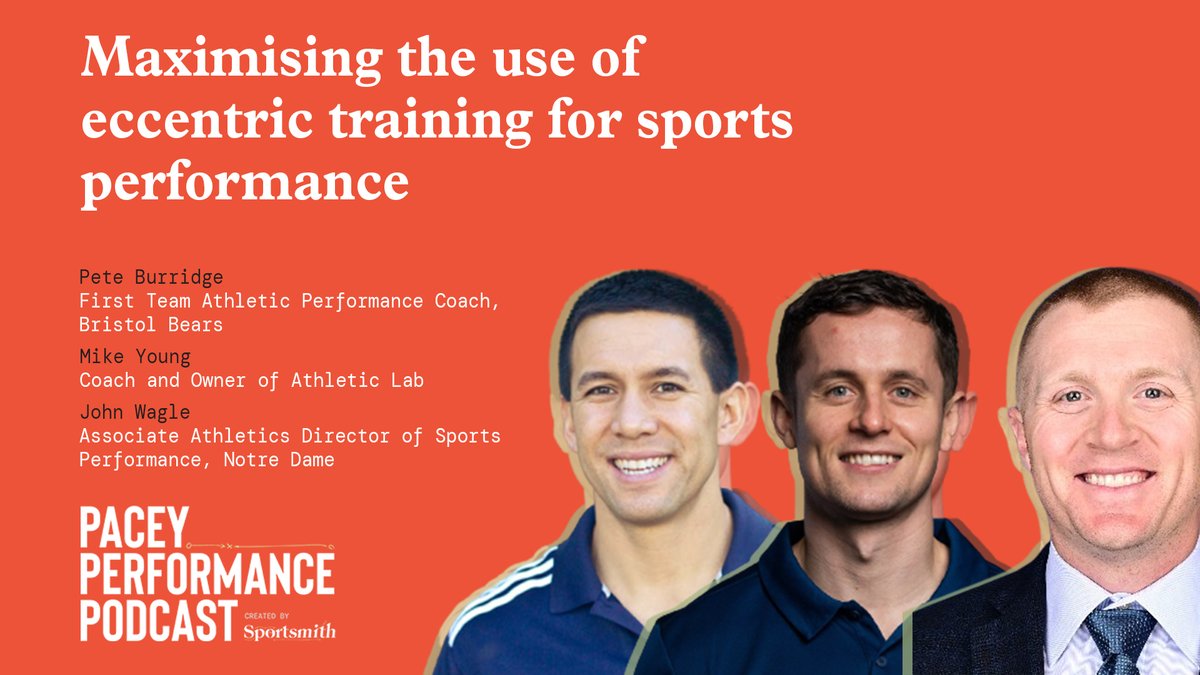
@MikeYoung @DrJohnPWagle & @peteburridge talk -
•Benefits of eccentric training
•Programming eccentrics
•Flywheel training - benefits & limitations
•Benefits of accentuated eccentric loading (AEL)
Listen via links👇
This Live focuses on the science & application of eccentric training & features; @MikeYoung @DrJohnPWagle @peteburridge
They discuss:
- Why we even need to consider eccentric training
- Ways we can implement it in an applied setting
- Flywheel training
https://t.co/cY19kFHUN6
This Live focuses on the science & application of eccentric training & features; @MikeYoung @DrJohnPWagle @peteburridge
They discuss:
- Why we even need to consider eccentric training
- Ways we can implement it in an applied setting
- Flywheel training
https://t.co/cY19kG041e
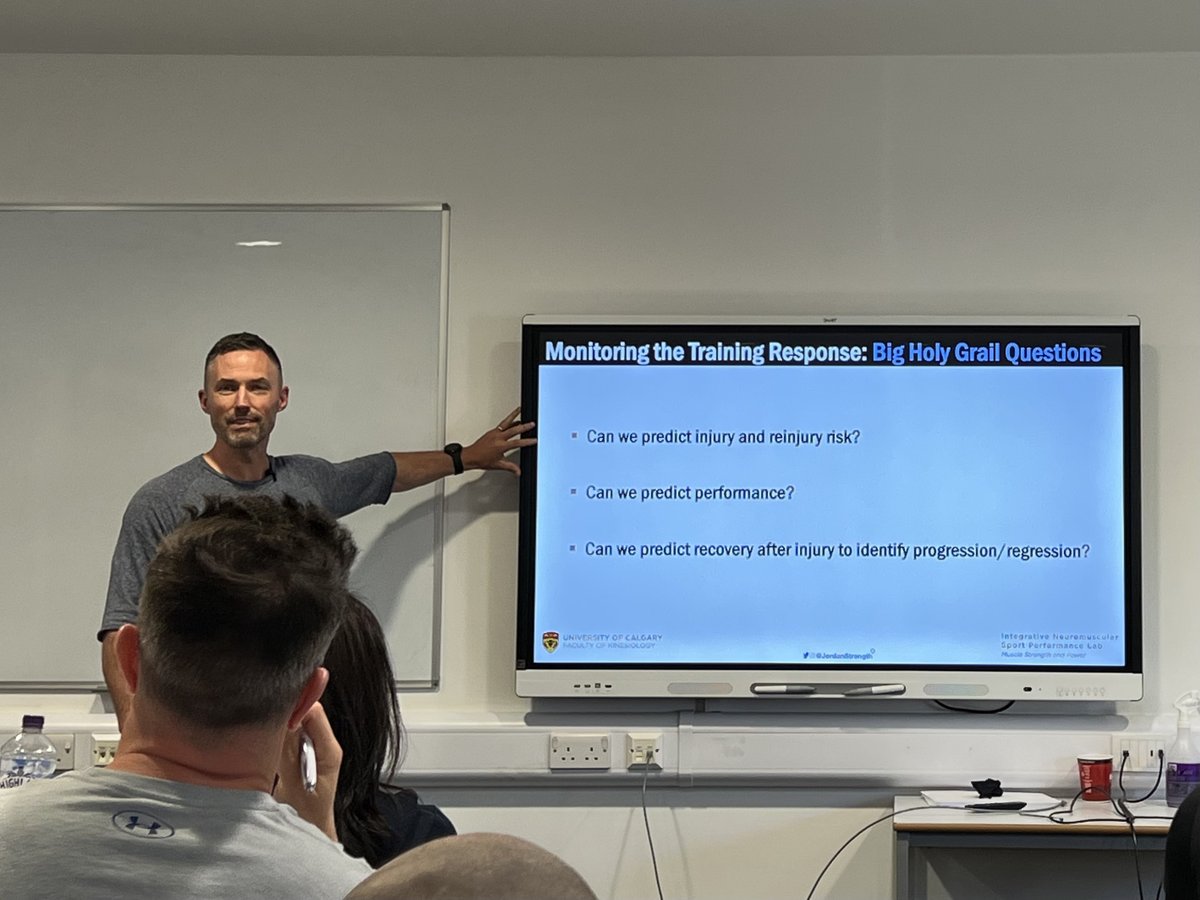
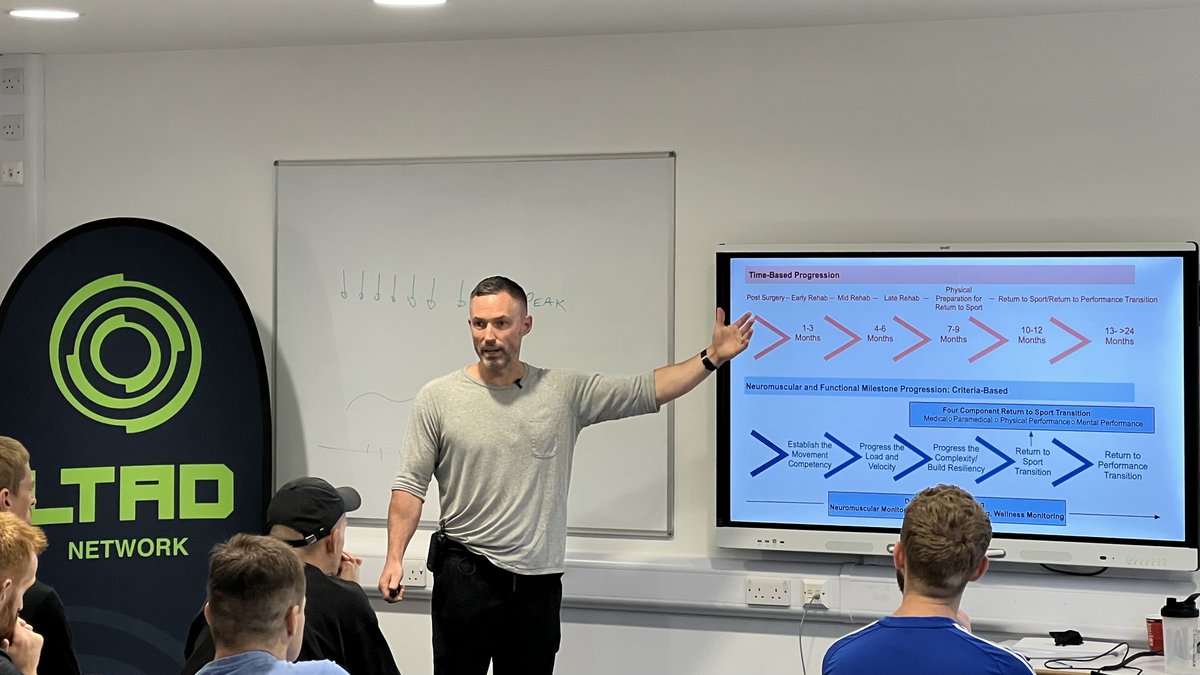
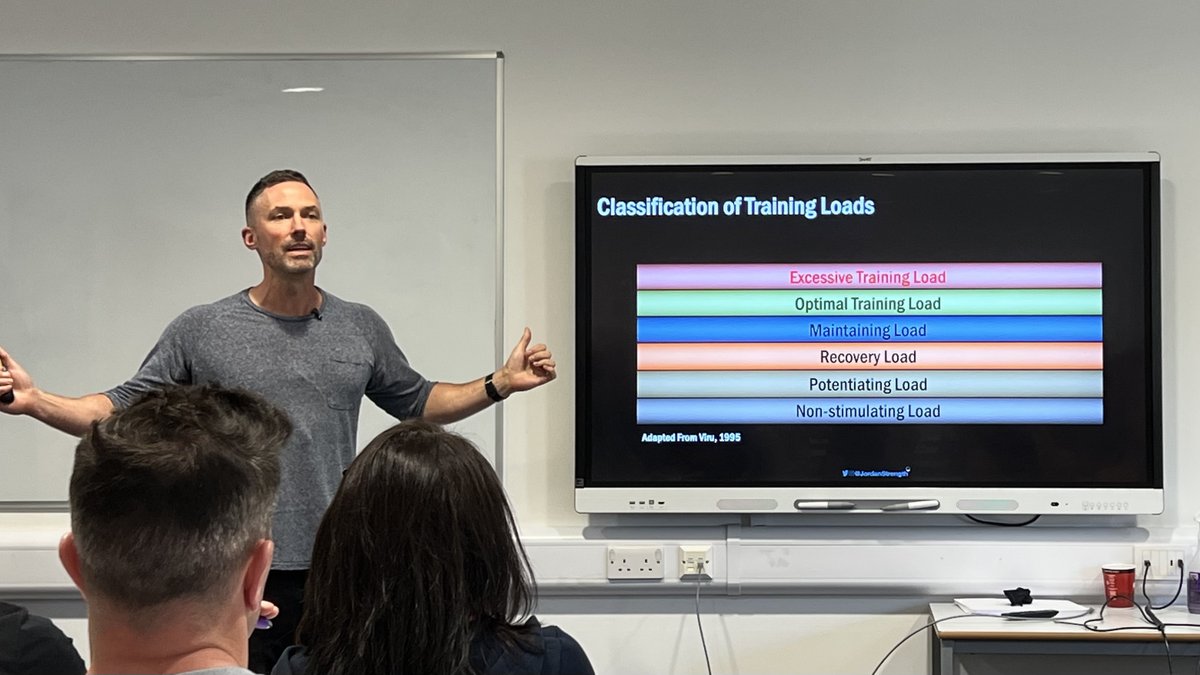
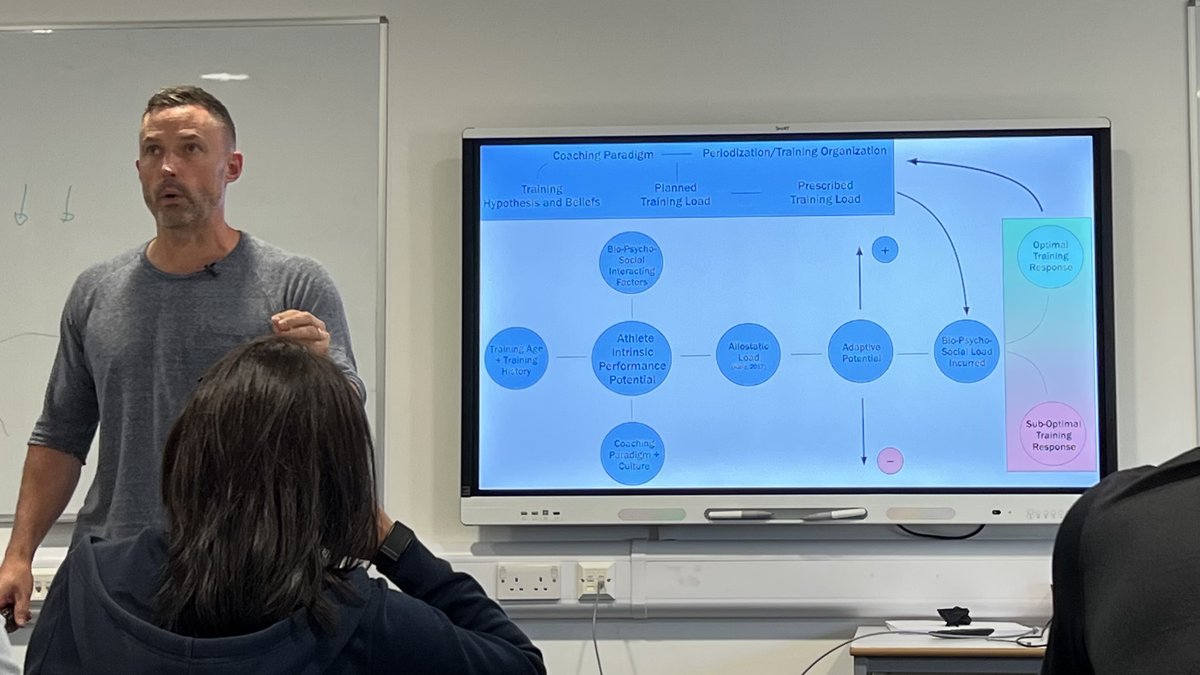
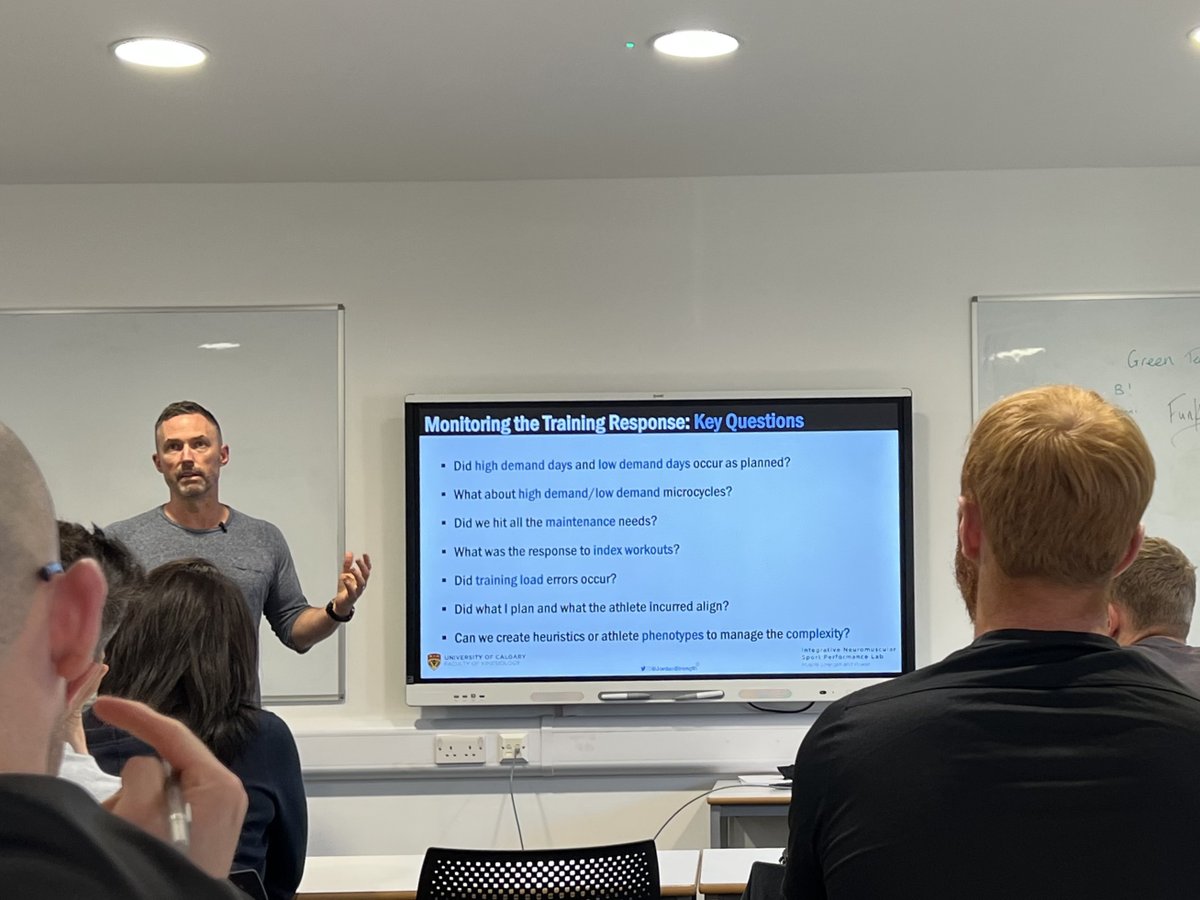
🚨Conventional testing methods are equivocal for return to performance post-injury…you need biomechanical, performance, neuromuscular control factors, sport specific capacity- @JordanStrength at @ltadnetwork annual conference #injury#ltad#acl
@MikeYoung in the gym (traditionally) vs what’s required on track:
Concentric ➡️ accentuated eccentric load / max isometrics
Full ROM ➡️ limited ROM
Slow ➡️ fast
@MikeYoung we often operate in the gym and focus on one side of the load / velocity curve and forget that the athlete operates better outside of the gym and on the other end of the curve.
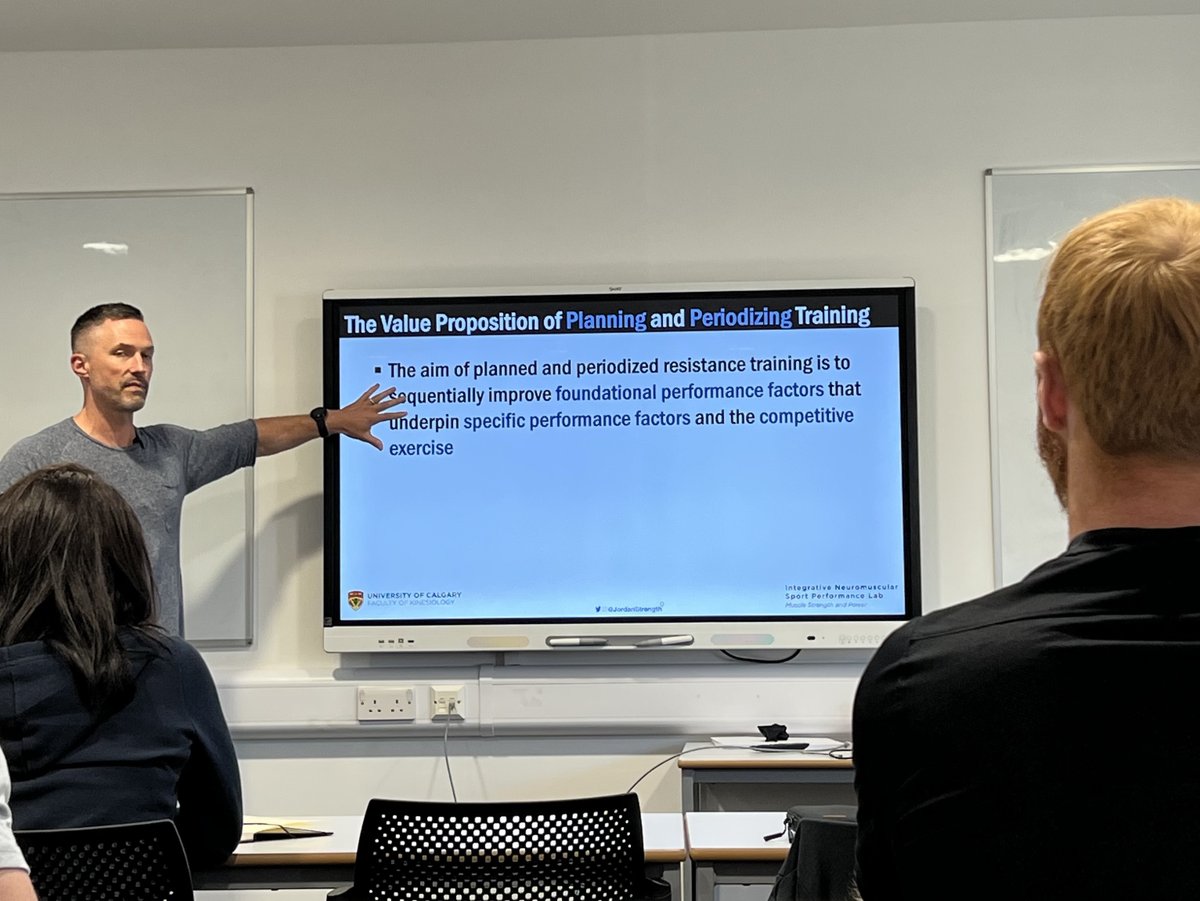
“The aim of planned and periodized resistance training is to sequentially improve foundational performance factors that underpin specific performance factors and the competitive exercise” - @jordanstrength at the @ltadnetwork annual conference
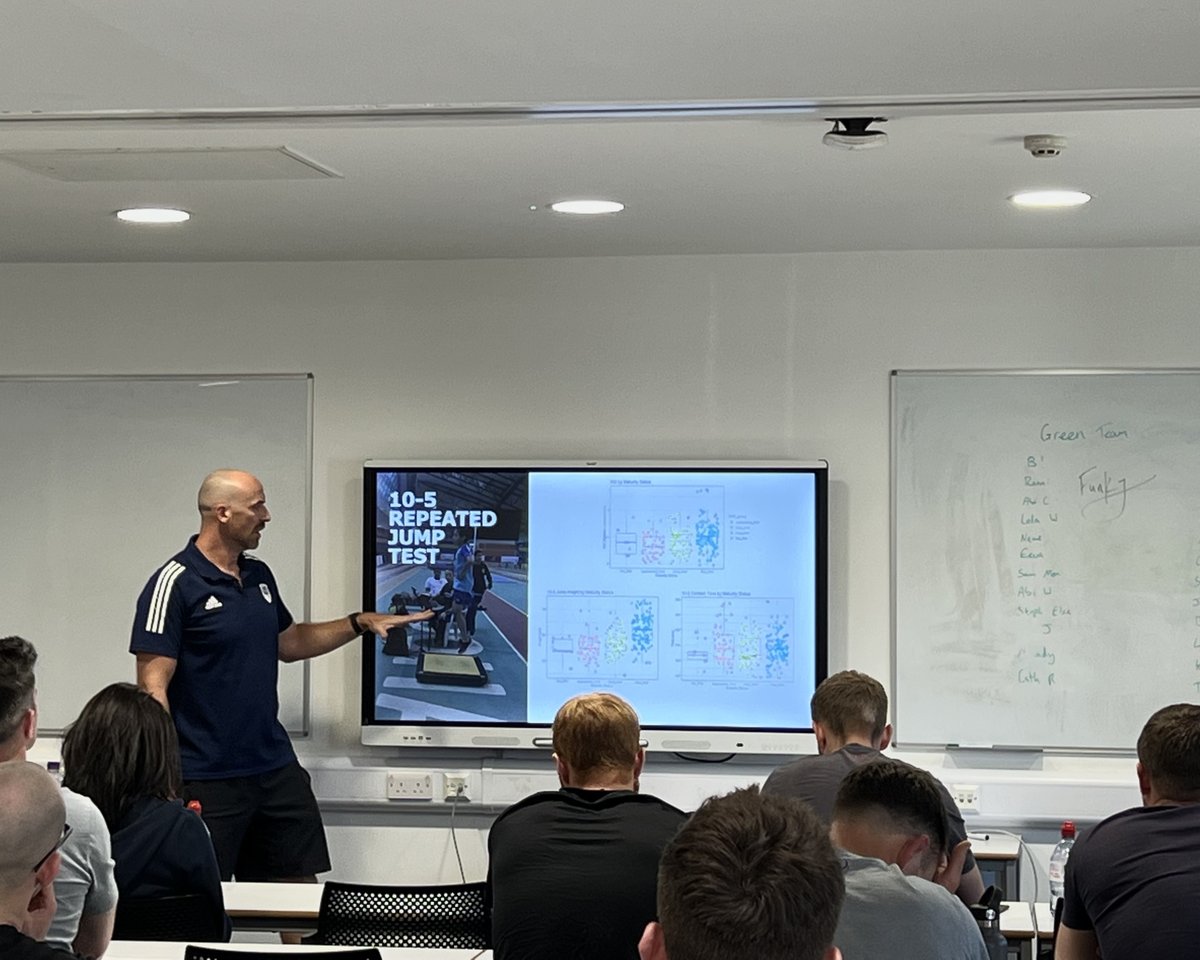
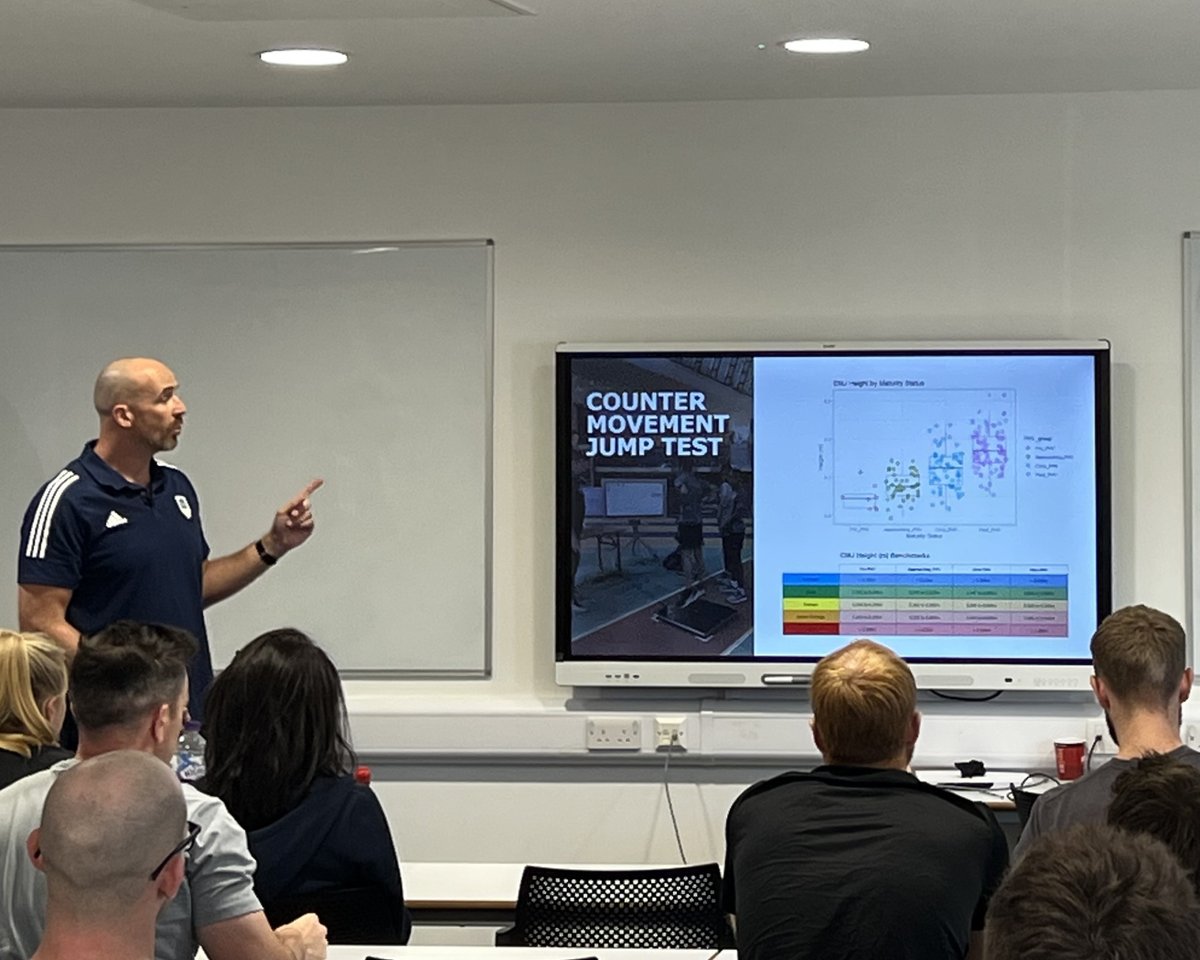
Physical testing battery for talent ID at @Aspire_Academy from @jamesbaker_8 at the @ltadnetwork annual conference: 🦘5-10 rebound test
🚀 CM jump
🏃🏾♂️30m sprint
🦵 Iso leg press
@JordanStrength Asymmetries post ACLR can exist beyond two years post RTS.
Don’t look at symmetry first, priority is strength. Get both limbs strong in multiple tests THEN ensure symmetry is within 5%
@ltadnetwork
Rebound based jumps are thought to be associated with injury risk but the evidence is mixed (as with my previous tweets)- Paul Read at @ltadnetwork#ltad#sportsscience