📄 Pleased to see our new invited commentary now online in Physiotherapy Theory and Practice.
📊 Here we discuss which CMJ measures might be worth considering during the rehabilitation journey journey of an ACL injury.
🔗 Link to full text here: https://t.co/LupaBSLzzE.
We raise children with patience, nurture & daily consistency b/w our values and our actions. Are we affording AI the same? Right now the incentive is speed, not patience. Worth asking what we're actually modeling for the intelligence we're building.
@DarioAmodei@sama@elonmusk
The abstract deadline for the Elite Basketball Rehab Conference (Vegas, July 11-12) has been extended until this Friday (May 23rd). Share your work with like minded professionals and the staff of NBA teams. Case studies are welcome!
https://t.co/AzcRv22BB4
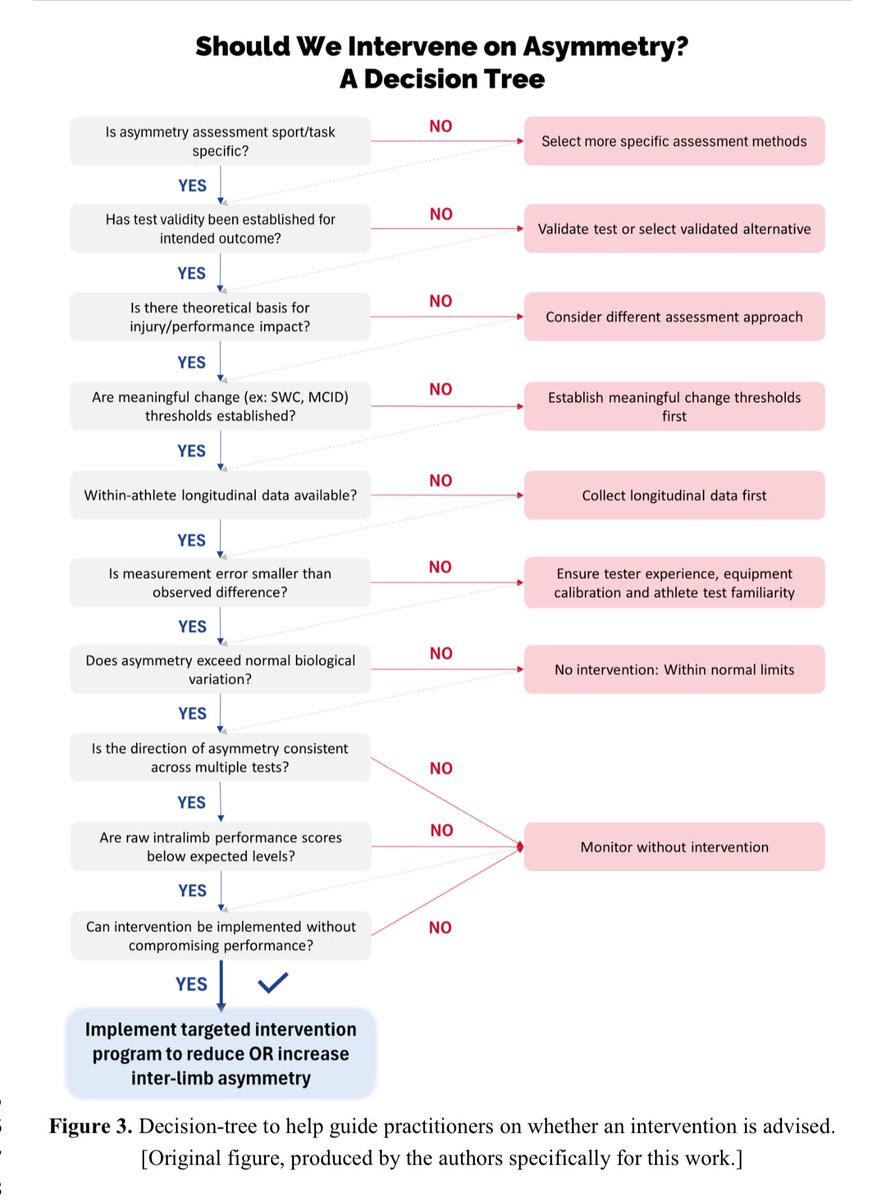
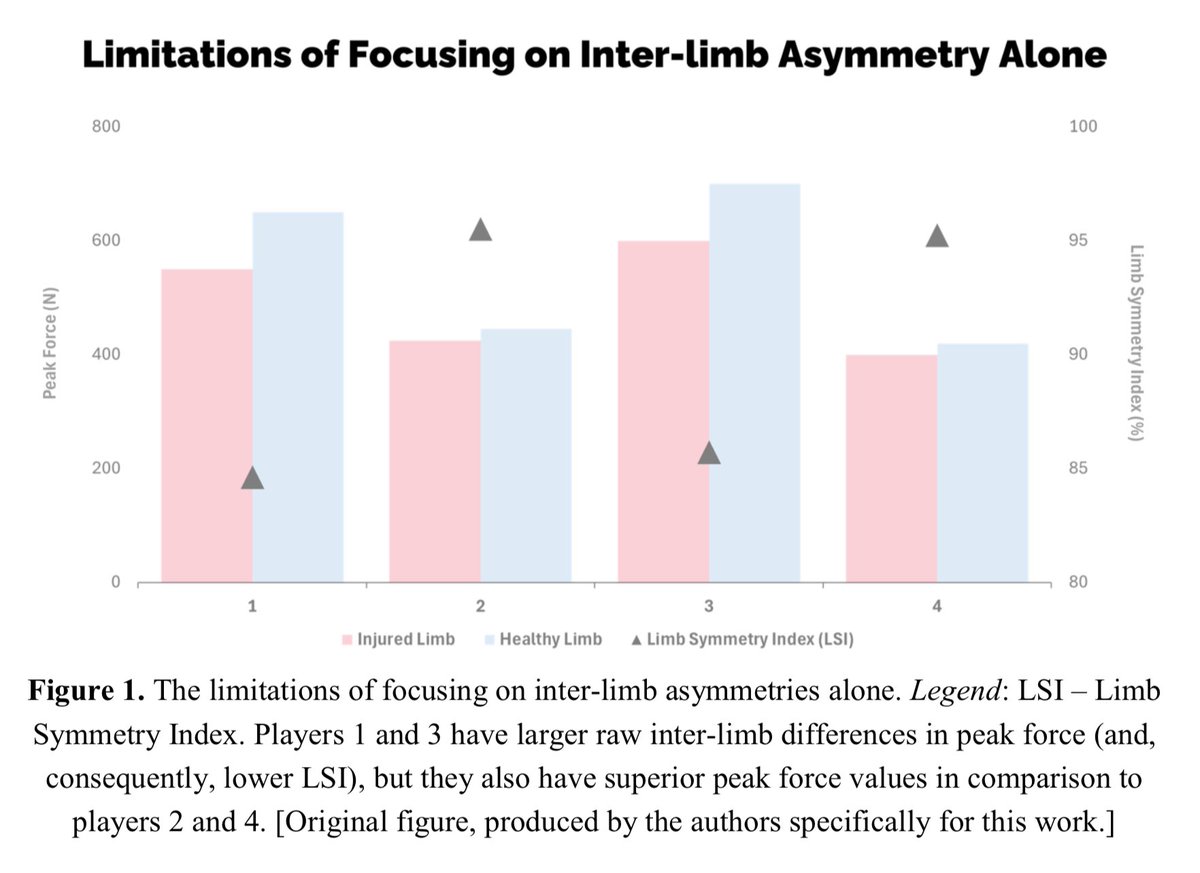
📄 Great to have our new methods paper on assessing and utilising asymmetry data now accepted for publication in @ElsevierConnect’s #Asymmetry Journal.
🔗 Link to text on RG: https://t.co/otVaXfeHOP.
Congrats to Cassidy and Helen for this work. CMJ force-time curves of ACL injured athletes were compared with SP< before and after injury. Beyond propulsive phase deficits, the uninjured limb showed altered force production in the unloading phase compared to the preinjury state
🚨 New episode!
@JordanStrength joins us to share how force plates became a key part of his approach to strength & conditioning. From traditional methods to data-informed decisions, we explore what it means to "measure what matters".
🎧 Listen now: https://t.co/2HFYFAZT7L
🆕 #AspetarTuesdayLecture
🎯 Keeping them in the Game: A Biopsychosocial Model for Knee Reinjury Prevention in University Athletes
🗣️Prof. @JordanStrength
✅ Contrast a biological vs. a biopsychosocial athlete baseline testing methodology.
✅ Explain the advantages of establishing an objective benchmark to guide return to sport decision making.
✅ Make use of functional and introspective inventories to understand neuromuscular function in university athletes.
🖥️ Full Video 👉 https://t.co/VGRxxdEb2j
Proud to see my friend @StuartMcMillan1 on the Huberman Lab Podcast discussing sprinting for sport and longevity.
Speed, power, and sprinting matter beyond elite athletics—research (including from my lab) shows they’re key for injury and aging. https://t.co/jsWnd7Ahl3
In the Saturday afternoon session, @JordanStrength will be on stage addressing the three challenges we face when using vertical jump testing on a force plate to guide return-to-play decision making and monitoring the return-to-performance transition.
2025 line up is in and it’s fantastic. This is the place to be for scientists and practitioners interested in basketball performance and rehab.
Speakers - Elite Basketball Rehab Conference https://t.co/IQwQAEUE9w