Physician-scientist, MD-PhD from NYU SoM, PhD studying structure/function of immune checkpoint receptors, NYU/Bellevue IM residency & Rheumatology Fellowship
@hui_enfu@SciImmunology@MasubuchiTakeya@hui_enfu very interesting, thanks for sharing! Coupled with our 2020 JBC paper (https://t.co/78hmtubDUY) which described the evolutionary divergence of PD-L2 from PD-L1, we now have a comprehensive understanding of PD-1-axis evolution
We're pleased to announce the launch of our new Rheumatology Fellowship Research Track, in the Division of Rheumatology, led by Dr. Jill Buyon. The new Research Track is designed to advance career pathways in research within #Rheumatology & the broader field of Medicine. Dr. Buyon, Program Director Dr. Michael Pillinger (@MHPillingerMD), & Dr. Jose Scher will play key roles as faculty educators & mentors. Welcome & congratulations to our inaugural Research Track fellows: Dr. Phil Carlucci, Dr. Marcus Hines, & Dr. Elliot Philips
#FutureofMedicine #FutureofResearch&Innovation
A new study from @NYUGSOM_Path suggests that PD-1 receptor dimerization may reveal new strategies to improve the efficacy of anticancer immunotherapies.
Learn about the findings from our investigators Drs. @jwang133, @Elliot_Philips, and Xiangpeng Kong: https://t.co/MFPgAw8syS
The immunotherapeutic target #PD1 receptor forms dimers—rather than monomers—to limit anti-tumor T cell activity during #cancer, finds new @SciImmunology work in vitro and in mice. https://t.co/cGYHvu0iVo
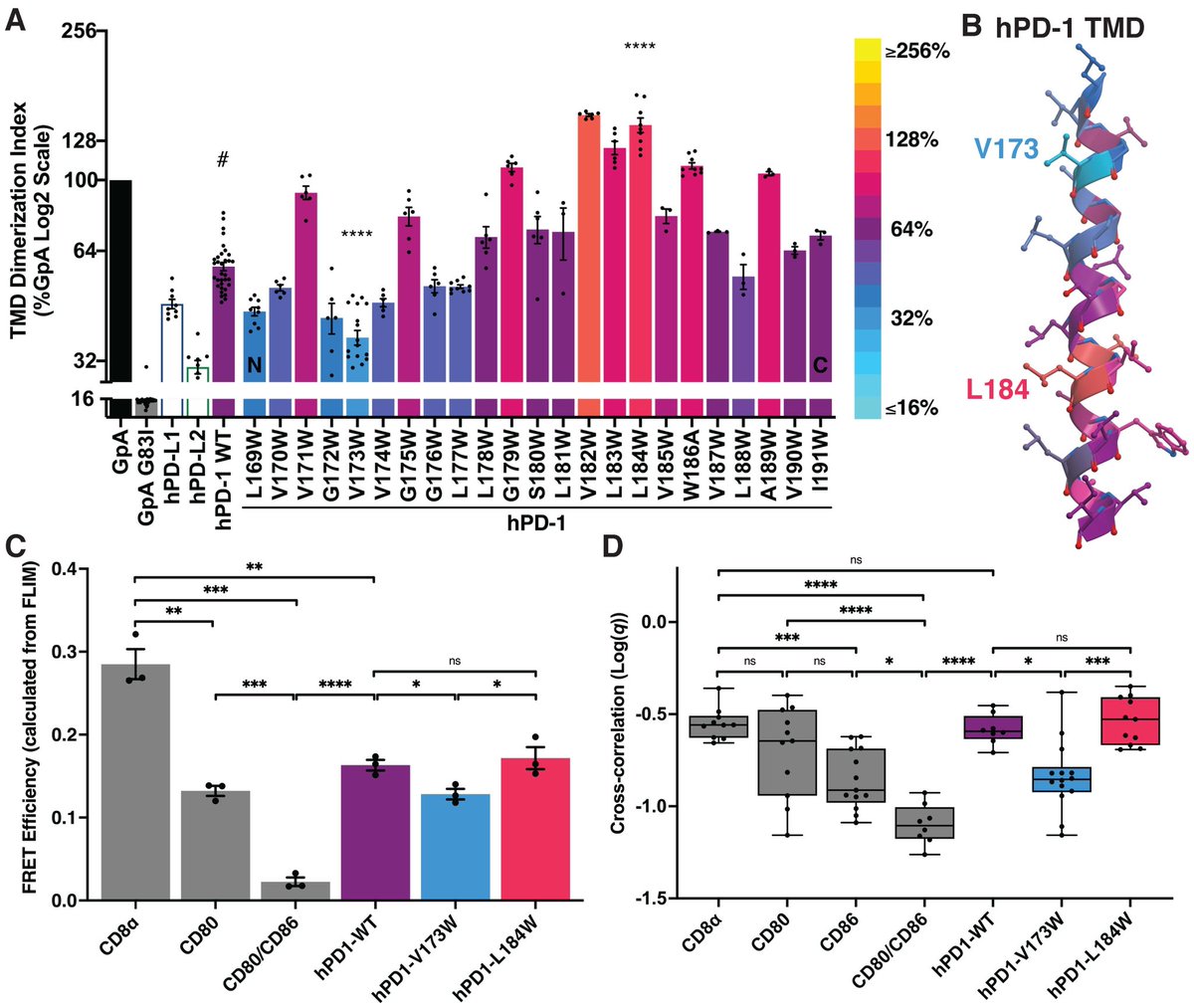
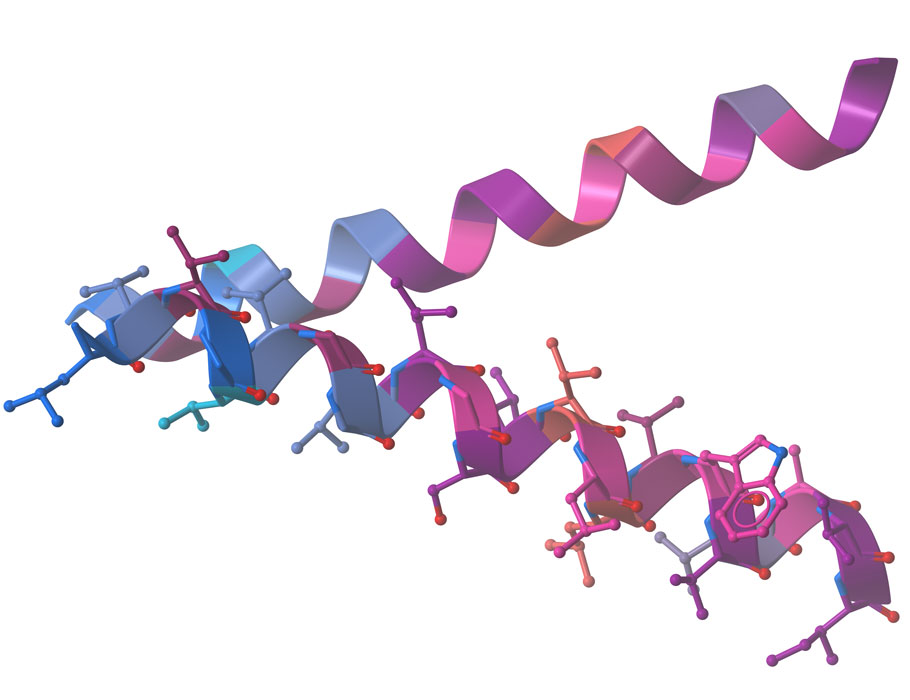
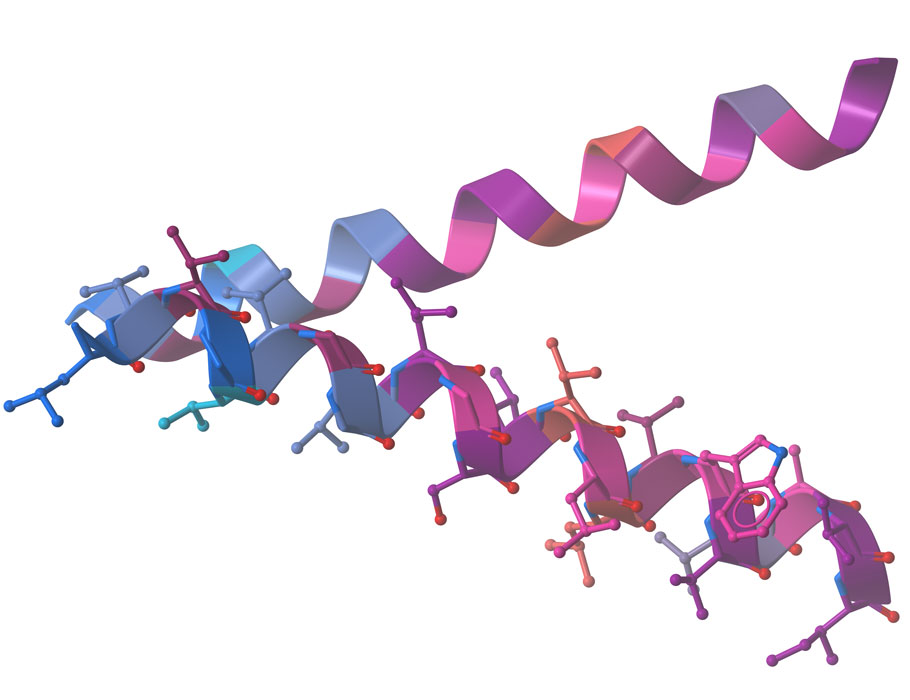
PD-1 forms homo-dimers in cis on T cells via transmembrane domain. Congrats to all authors around @MichaelLDustin, Xiang-Peng Kong, Elliot A. Philips, Jun Wang
Transmembrane domain–driven PD-1 dimers mediate T cell inhibition | Science Immunology https://t.co/urLLuoRel4
I'm excited to share our work "Structural insights reveal interplay between LAG-3 homodimerization, ligand binding, and function" that's now out in PNAS! 1/3
Link to paper: https://t.co/tTqz8a9aIw
Link to press release: https://t.co/BotEe86ztR
As well as addressing a longstanding debate about #PD1 dimerization, a new study in vitro and in mice further establishes that dimerization assists PD-1 in inhibiting T cell #autoimmunity. @MichaelLDustin@jwang133@nyugrossman
📄: https://t.co/riNddc2aWd
The immunotherapeutic target #PD1 receptor forms dimers—rather than monomers—to limit anti-tumor T cell activity during #cancer, finds new @SciImmunology work in vitro and in mice. https://t.co/P47Yc0K42K
PD-1 is an important target for cancer therapeutics, with anti-PD-1 antibodies used successfully in the clinic.
A new study in @SciImmunology shows that PD-1 can form homodimers, giving fresh clues to its function & how we could improve patient outcomes.
https://t.co/rC9qaEKBXj
The immunotherapeutic target #PD1 receptor forms dimers—rather than monomers—to limit anti-tumor T cell activity during #cancer, finds new work in vitro and in mice. @MichaelLDustin@jwang133@nyugrossman
📄: https://t.co/NLQ8V19OMI
🆕 @SciImmunology
Contrary to science dogma, the programmed cell death (PD-1) receptor on immune cells exists as a dimer (not just as a monomer). Its stimulation (checkpoint agonist) may be well suited to treat/prevent autoimmune diseases
https://t.co/5rtbi4tzIE @Elliot_Philips
PD-1 and its ligands dimerize in cis via transmembrane domain interactions to enhance T cell inhibition @jwang133@SciImmunology@MichaelLDustin
https://t.co/b3HgPh305s
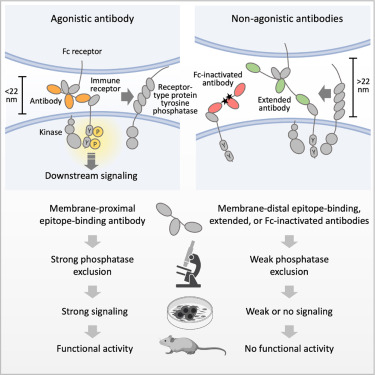
Antibody agonists trigger receptor signaling by locally excluding receptor-type protein tyrosine phosphatases from sites of antibody-receptor engagement @ImmunityCP@lippert_lab
https://t.co/NaXBtwtN4Z
Editor’s Pick Highlight of this article written by reviewers @MichaelLDustin and Ana Zenclussen: A checkpoint cliffhanger at the dawn of placental mammals - Journal of Biological Chemistry https://t.co/Y7EJcYsrU2