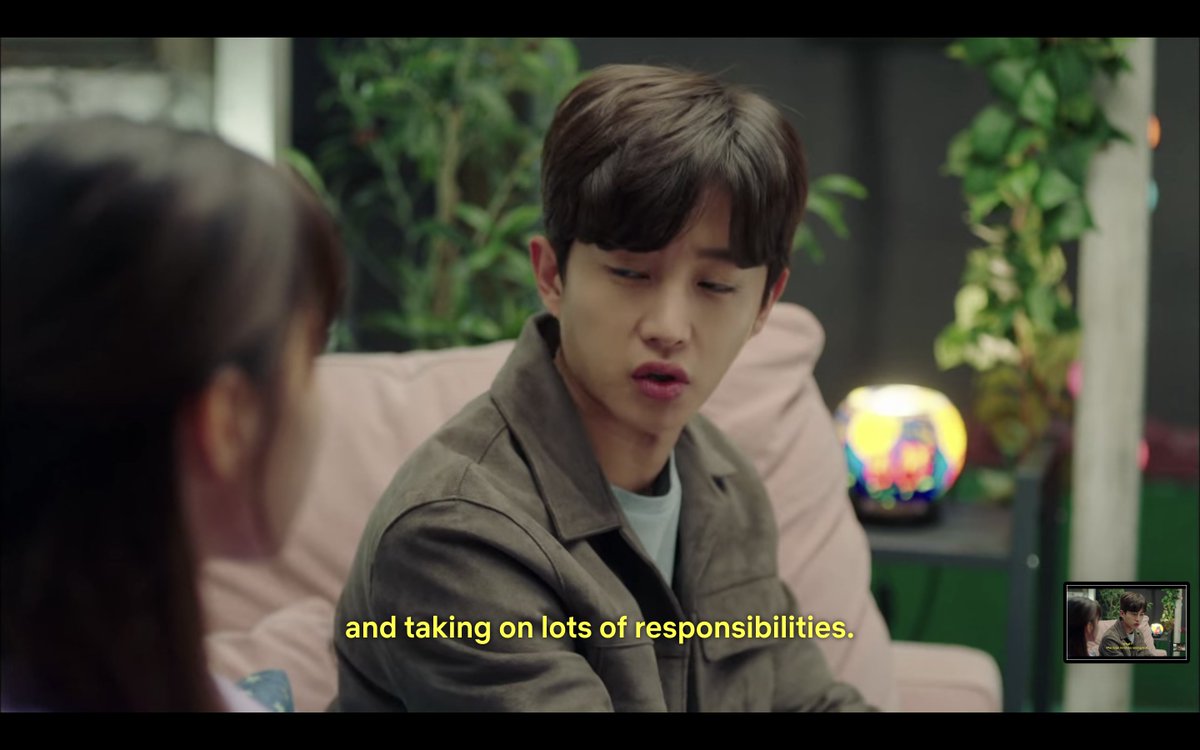
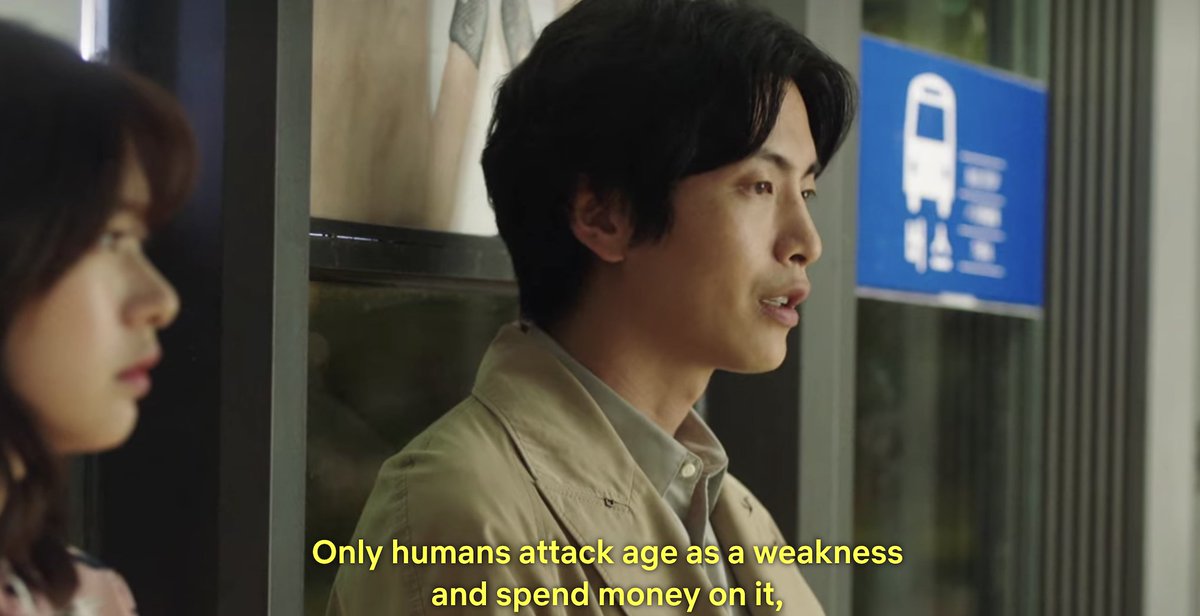
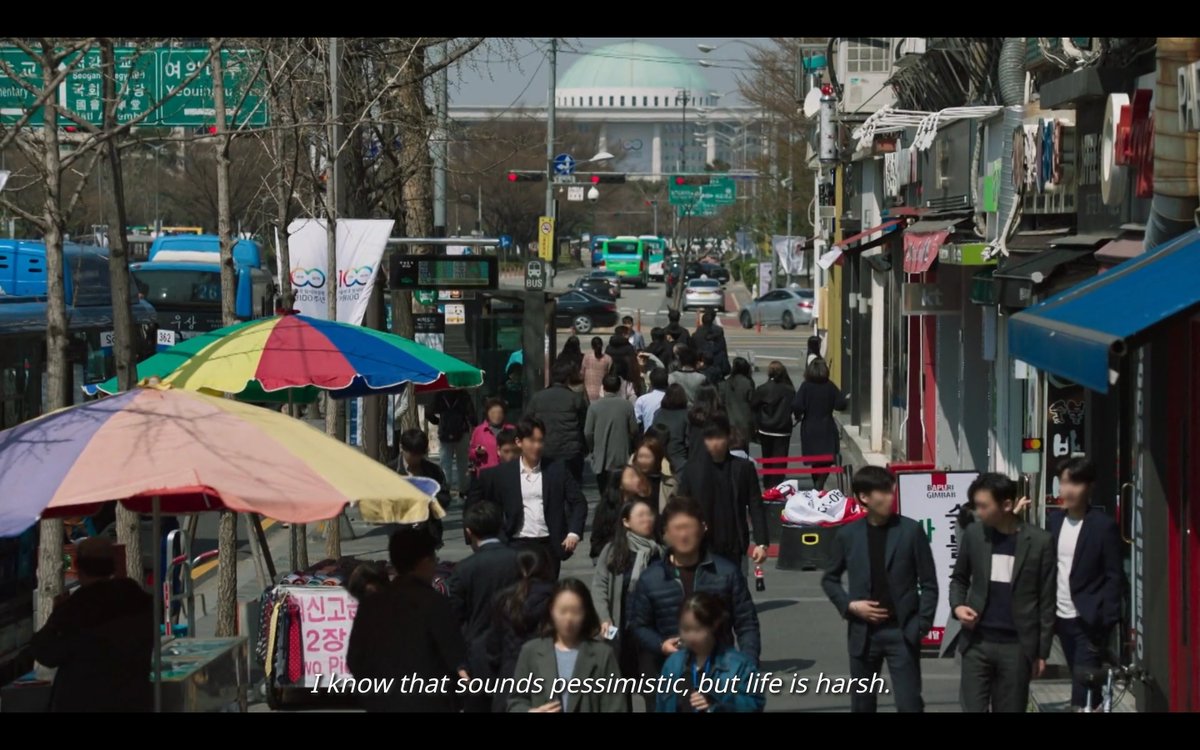
@abs14_smc I wonder if the father valued the son's education more growing up. I like how Ji-ho was able to provide for herself and prove herself by moving out on her own. Sometime kids need to rebel a little in order to do what's best for them. #smchallyu
@hicks_makenna This goes back to what Nam Se Hee was talking about in the first episode. As humans, we're conditioned to associate certain milestones with age. For someone like Ho-rang, being married and having kids is a huge deal. #smchallyu
#smchallyu Not only that, but it's hard enough to make a living in a place like Seoul. I think people nowadays just want to be able to financially support themselves so they don't end up jobless or homeless.
#smchallyu This part of the show is sort of progressive. It shows how some characters are focused on how to financially manage themselves before taking care of someone else or kids. Even though it goes against old ideas, it shows that people nowadays want to focus on themselves.
@Gr_e_tt_a Like most parents, Yoon Jin-ho's parents think they have the best intention for their children. It's always different when it comes to daughters. It doesn't allow the person to grow if they're restricted with many rules and expectations. #smchallyu
@hicks_makenna The way she's been treated all her life reflects back on how she views life. She's surprised when things go her way & when someone is willing to help. I like how when she finally moved, she was able to live a better lifestyle for herself without the approval of her dad #smchallyu
#smchallyu Nam Se Hee doesn't seem to go along with society's expectations. He chooses to be single because he wants to. He's very settled with what he has. I wonder if his upbringing made him not care about these expectations/milestones unlike Yoon Ji-ho
#smchallyu These two characters have different ways of viewing life. We often associate certain milestones with a certain age and it puts pressure on us to reach those milestones right away. Yoon Ji-ho feels pressured to be successful or be married at her age (30).
@smcsydlow I like how this show was more relatable than the other shows we've watched. Everyone goes through tough times and it can get very hard when we don't surround ourselves with others. I like how this friend group support each other without judgement. #smchallyu
@inniefinitv I completely agree. Sometimes the saying 'blood makes you family' isn't completely true. Surrounding yourself with people who make you feel loved, those that support you, & those who have your back is what truly makes a family. #smchallyu
#smchallyu Overall, I liked this show and this scene because it was reminiscent of what I went through. This show does a good job in showing common problems that go on in many Asian families.
#smchallyu The second picture is from 'Reply 1988'. I personally related a lot to this scene b/c it reminded me of when I was a teenager & didn't want to share much to my parents. My parents are sort of tiger parents so showing affection was not usual for them.
@poling_colin Your tweet explores a lot of the stereotypes towards K-pop fans. I guess to answer your question, fans are not accepted as legitimate critics of culture because there is some bias towards their criticism. Then again, isn't that everyone? #smchallyu
@DavidGarz9 I like this part of the video essay too because it highlights the two way relationship between the artist and the fans. Both parties are able to respectfully appreciate the art of music. #smchallyu
5/5 #smchallyu This quote suggests that reaction videos to music videos are a form of unbiased opinion since the viewer has not seen the video or heard the song yet. It’s a good way to capture a fan’s first reaction to the song & criticize it.
4/5 #smchallyu Yoon makes a similar point to the video essay on page 119. “However, compared to other forms of consumer review activities, reaction videos have unique features comprising a visual performance and the appearance of commenters, along with particular aesthetics…”