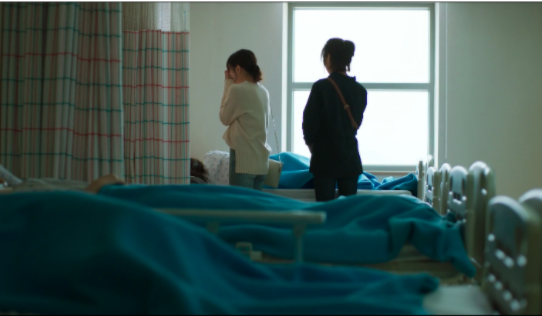
@Gr_e_tt_a I think this made it especially painful to watch because we see the happiness fading from Eun Jeong's face as she loses Hong Dae to cancer. Then she gets to the point where she attempts suicide, and subsequent imagining of Hong Dae.
@elyzza_13 This is something I really liked about the show too, and I kind of had to remind myself I am watching a K-drama, so it makes sense why I thought it was so accurately and beautifully portrayed, the acting conveying all the right things to elicit familiarity... I wish I could
#smchallyu Family, this time in a traditional blood-related way, was also addressed in Reply 1988.
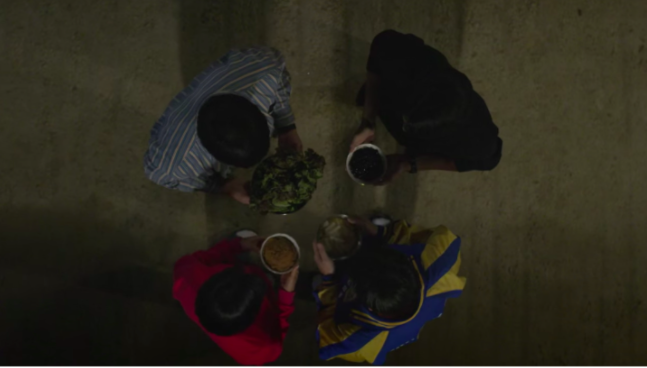
It was funny to see how my experiences growing up in an Asian household paralleled many of the scenes depicted in this show. The portrayal of a quintessential Asian family placed
emphasis on unsolicited comments on physical appearance, pressure surrounding school rankings, and helicopter parenting. I thought this scene in particular was very heartwarming because I remember doing this exact food exchange with friends and neighbors,...
, and reminded us to treasure each person in our life for their inherent value because life is fleeting and every moment is precious. These are all things we tend to forget when we deal with the stress that comes with living.
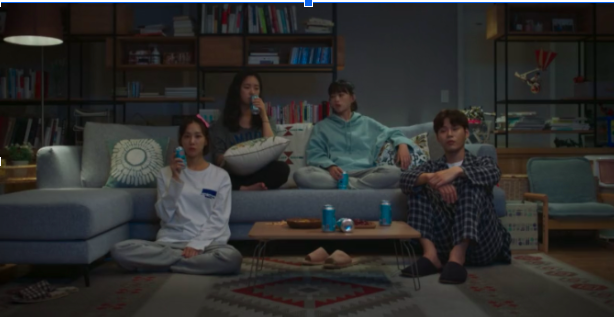
#smchallyu “On the premise of taking care of Eun Jeong, these three women and two men began living together” (52:02). I really enjoyed watching Melo is my Nature because of the beautiful message it presented urging us to find happiness in the seemingly ordinary...
things of our daily lives. The concept of the drama was also very unique to all the rest i've seen before in the sense that it wasn’t only about chasing and losing romantic love, emphasizing familial and platonic relationships. It gave the audience a sense of relatability...
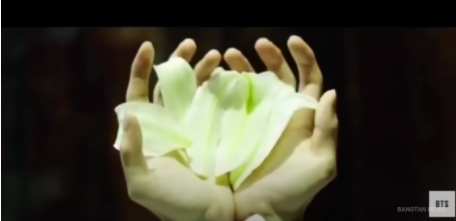
who want to keep with the trends. The most obvious image of this message is depicted at timestamp 3:41 where the white flower transitions to bloodied hands.
#smchallyu Upon initial viewing, I am unable to unpack the messages conveyed in BTS’s Spine Breaker in their 2014 Album Skool Luv Affair. Interestingly enough, their MV for Spine Breaker opens with snippets of “Fake Love”, a song featured in the then unreleased Love Yourself
directly ridiculing feeding into consumerism to keep up with trends. The youth are spine breakers in the sense that they beg and plead their parents to work, putting in blood, sweat and tears and breaking their backs to buy things they cannot afford for their demanding children
it "offers a powerful sense of enfranchisement; the female fans who scream ‘own’ not just their heroes, but their collective right to emotionally express that sense of ownership."
#smchallyu Kyong Yoon’s article features snippets from Asian-Canadian K-pop fans that really resonated with me, an Asian-American who actively listens to K-pop. In particular, the section “Subaltern Audiencehood” presented the idea that K-pop is...
often attributed to fan culture (which we know is not accurate). In relation to gendered screaming, I agree with Rolling Stone manager Andrew Lug Oldham on his take of what screaming as a fan truly means...
@inniefinitv because we know this is just not true. When reporters reduce fans to people "unable to separate fantasy from reality", they detract from the true value of the group as a while. + negative connotations are tied to gendered stereotypes of who a fan is and should be.
@inniefinitv the complexities if being a fan are oversimplified as you stated, which is a shame considering how much influence and power fandoms/stans hold. It is a shame to see that fan culture is ridiculed and mislabelled as obsession, immature, and even containing levels of brainwashing...