We are conducting a study on the wellbeing of mental health therapists (e.g. counselors, psychologists, social workers). There are very few studies on wellbeing of helping professionals that have a racially diverse sample. https://t.co/ITjMKc9Q2o
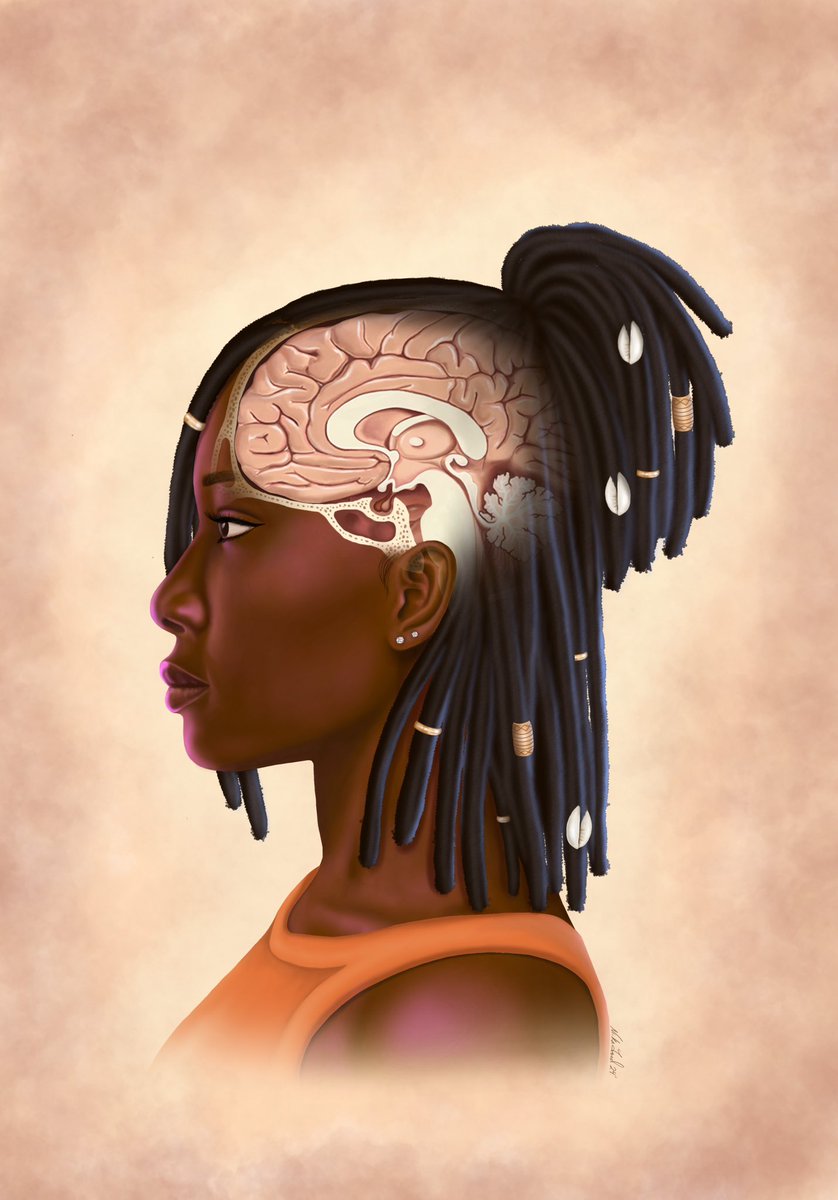
This illustration was so fun to create. Finding the right balance of transparency to show the brain while also maintaining clarity and emphasis of the hairstyle was important to me because the hair is symbolic of Black culture and I wanted to honor that.🖤 @BlackInNeuro#sciart
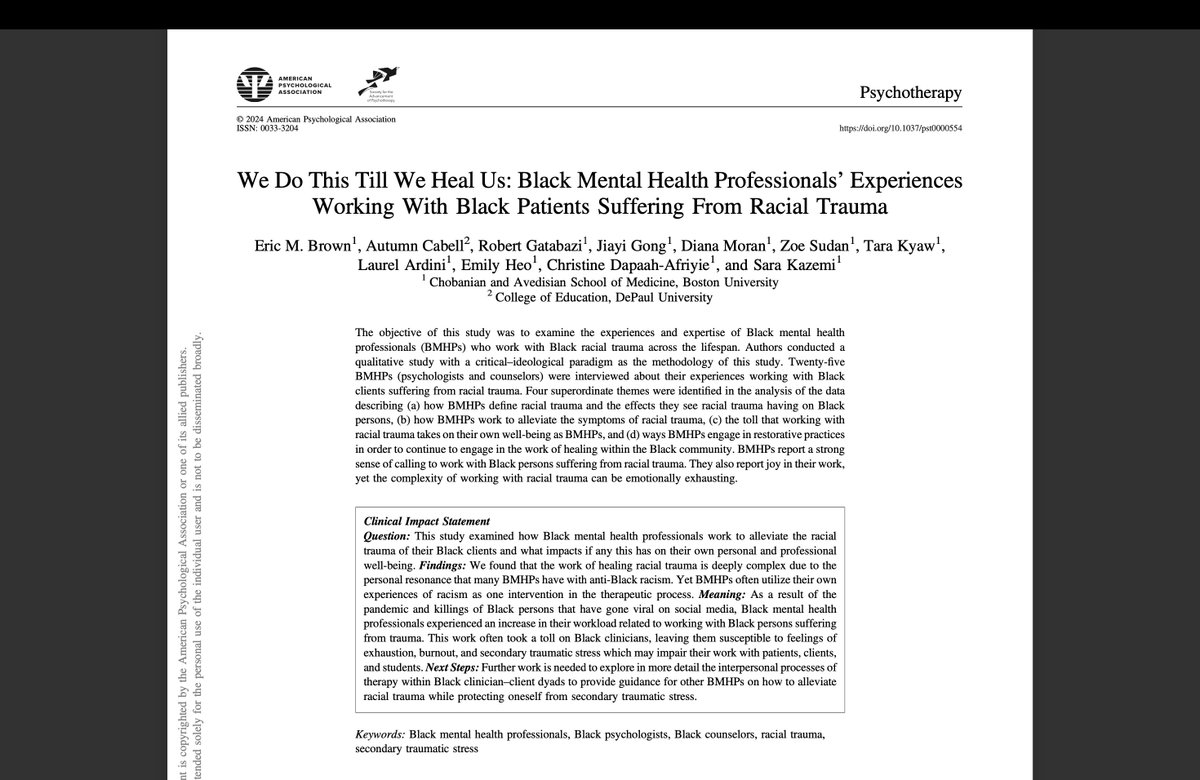
Our latest publication on the experience of Black mental health professionals experiences with healing the racial trauma of Black clients. #BlackTherapist#RacialTrauma@dralcabell
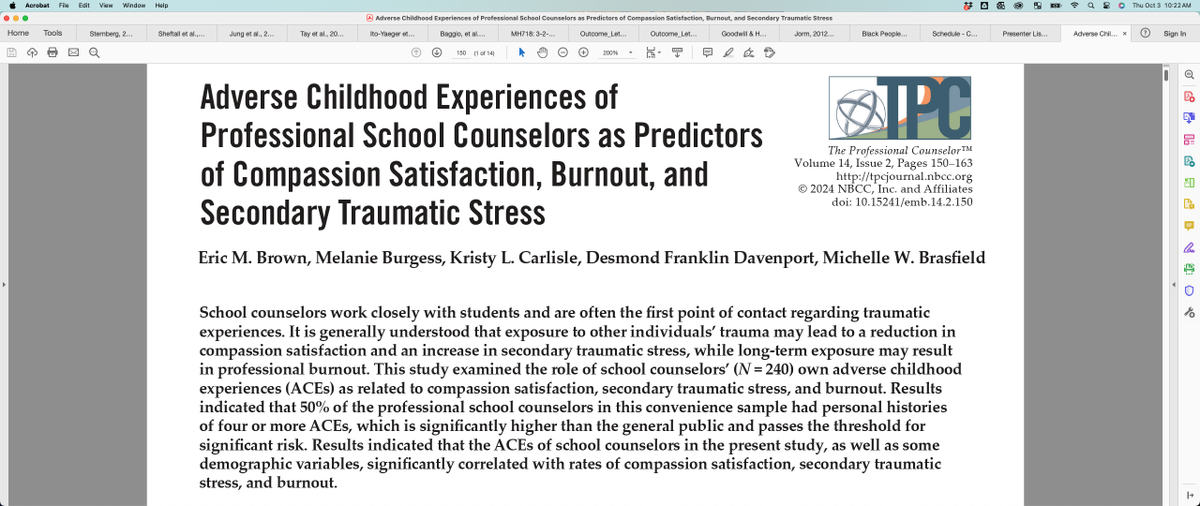
New publication on how the adverse childhood experiences (ACEs) of School Counselors correlate with compassion satisfaction, burnout, and secondary traumatic stress. (open access) https://t.co/zJHpOBL8Uu
There was quite a lot to take away from the new Inside Out 2 movie.
I love this graphic using the original characters:
💛Joy
💙Sadness
💚Disgust
💜Fear
❤️Anger
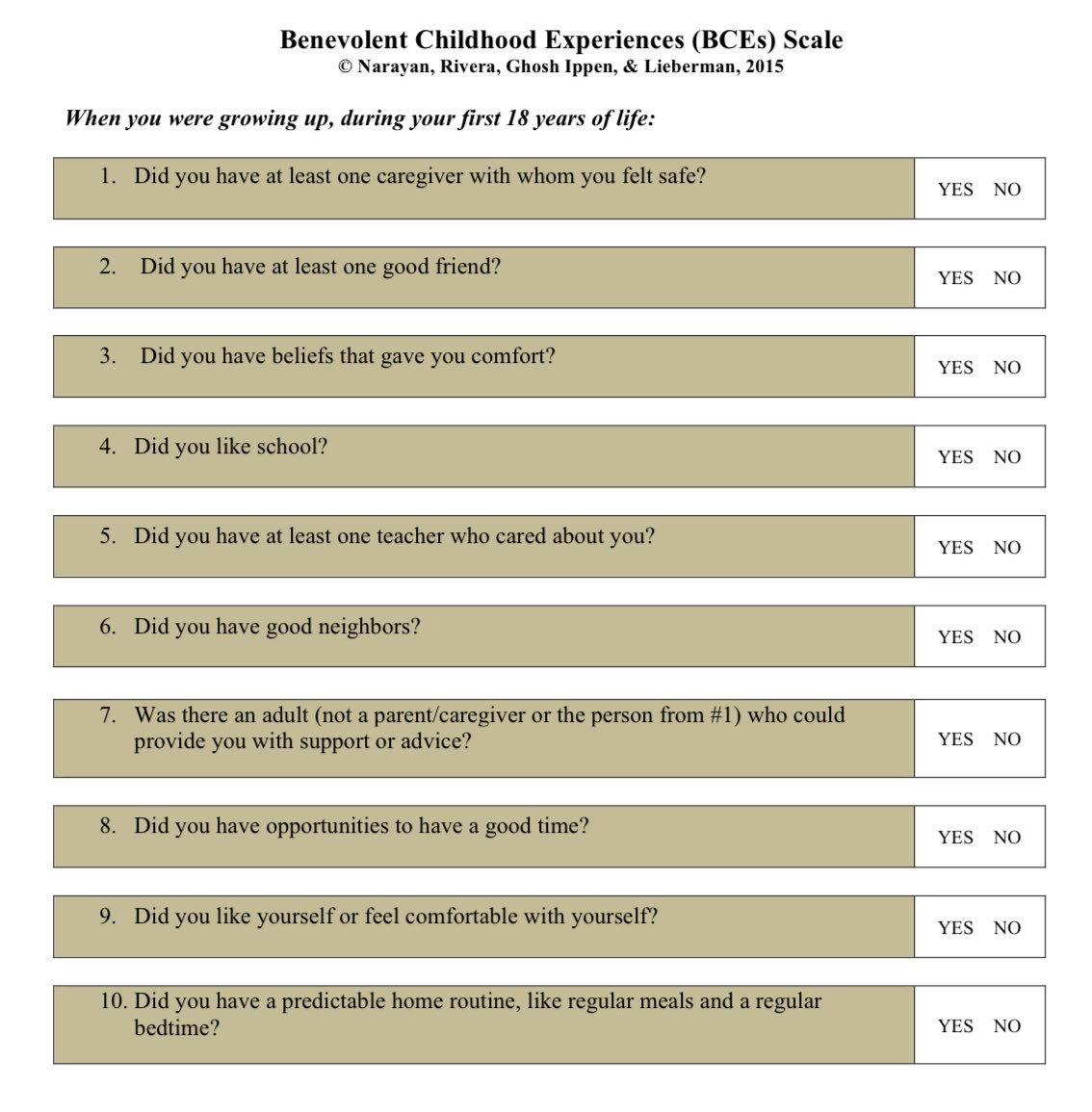
The Benevolent Childhood Experiences (the opposite of the ACEs) try to capture the positive things in a childhood that can enhance long term outcomes in mental health.
Important to evaluate the good things that can happen in a child’s life rather than just the negatives.
@repstephenlynch Please cosponsoring H.R. 7924, the Advancing Culturally Competent and Equitable and Supportive Services in Mental Health Act. This legislation would create a new grant program to support graduate behavioral health programs minority-serving institutions.
Contributors are being solicited for the new five-volume history, Cambridge History of Black Women in the United States with general editor @kbphd08. The volumes will reflect on the state of scholarship on Black women in the United States. To read more: https://t.co/E3PWWyeW5s
My latest post summarizing my research on Secondary Traumatic Stress vulnerabilities of Black Church Leaders:
Which Black Church Leaders Are More Likely to Suffer? | Psychology Today https://t.co/YGmyTmgRTt