I am currently Chair of @NTU_ASE and lead the Geodesy Group at @NTU_ASE and @EOS_SG studying natural hazards and sea-level rise in South and Southeast Asia.
11/n: Moving forward, it's crucial to develop comprehensive nature-based strategies that address not only GHG emissions and pollution but also the enduring geological impacts of human activities and alterations to the landscape.
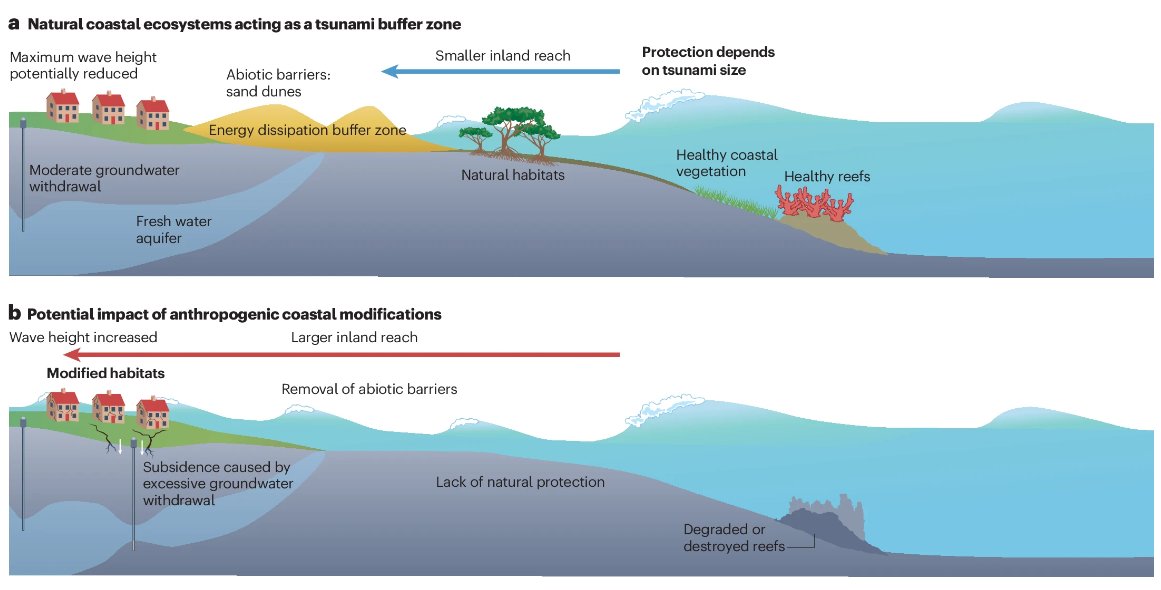
10/n: Climate change is intricately connected to most of these processes. As we warm our planet, most of these feedback systems can negatively impact earthquake-related hazards. Relative sea-level rise can increases the risk of post-earthquake flooding, tsunami, and liquefaction.
🚨New Perspective!
Human modifications to the environment can amplify the hazards from earthquake-triggered landslides, liquefaction & tsunami🌊⚠️
This Perspective by @emh_geodesy et al. discusses these links to identify steps for hazard mitigation
https://t.co/RpQSgDGiEI
📣🚨 We're hiring a Research Fellow in Physics-Based Seismic Hazard Assessment at @EOS_SG. The selected candidate will work on earthquake processes and tectonic dynamics in the Southeast Asian Ring of Fire: https://t.co/wJt5cBKzuf
🙏 Please share! Thanks.
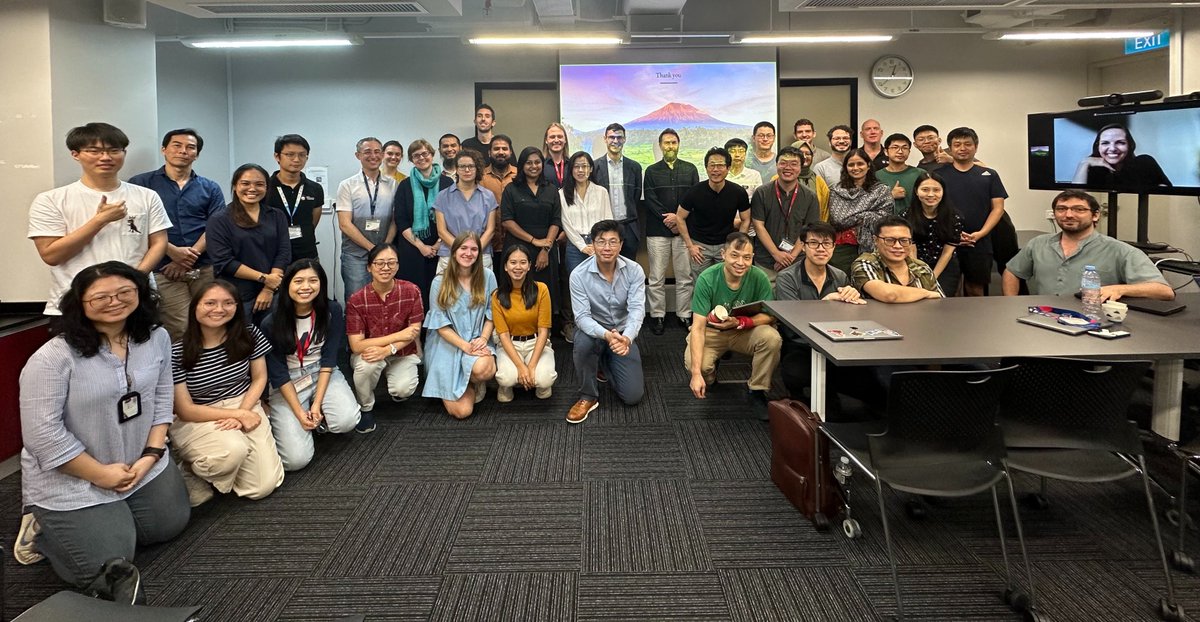
Great presentations and fruitful discussions at the #InVEST_EOS Quarterly Meeting! #EOSsg scientists from different research groups exchanged valuable insights on seismic and volcanic hazards in Southeast Asia.
Learn more about the InVEST programme: https://t.co/atKW87maol
Slow slip events, also known as 'silent earthquakes', don't generate strong shaking. A new #EOSsg study in collaboration with @OVSICORI_UNA discovered the first observations of slow slip events in Osa Peninsula, in Southern Costa Rica.
https://t.co/tUCCoUO3dt