Scientists, researchers, and advocates recently gathered in Washington, D.C. for the Stand Up for Science rally. Voices from Johns Hopkins and across the globe spoke on the importance of continued investment in scientific progress. https://t.co/JyCEatDoC8
Illumina's website (https://t.co/2ZKIkaQpNa) has a number of really useful articles and troubleshooting info. We also give a big thanks to David Mohr at Johns Hopkins ECGC core who has been incredible in helping us understand how to improve our sequencing results!
Excited to share our recent publication (https://t.co/sFBZtmaeEB) where we detail the molecular protocol for performing CIMERAseq to analyze small ncRNA:target RNA interactions.
You'll notice mention of sequencing challenges in the troubleshooting section... let me elaborate🧵
If you do use low-diversity or custom libraries, be sure to advocate for yourself - you can ask the company or core to share sequencing run data, including the % clusters passing filter (%PF), and graph of % plate occupied vs %PF to understand how to improve your sequencing.
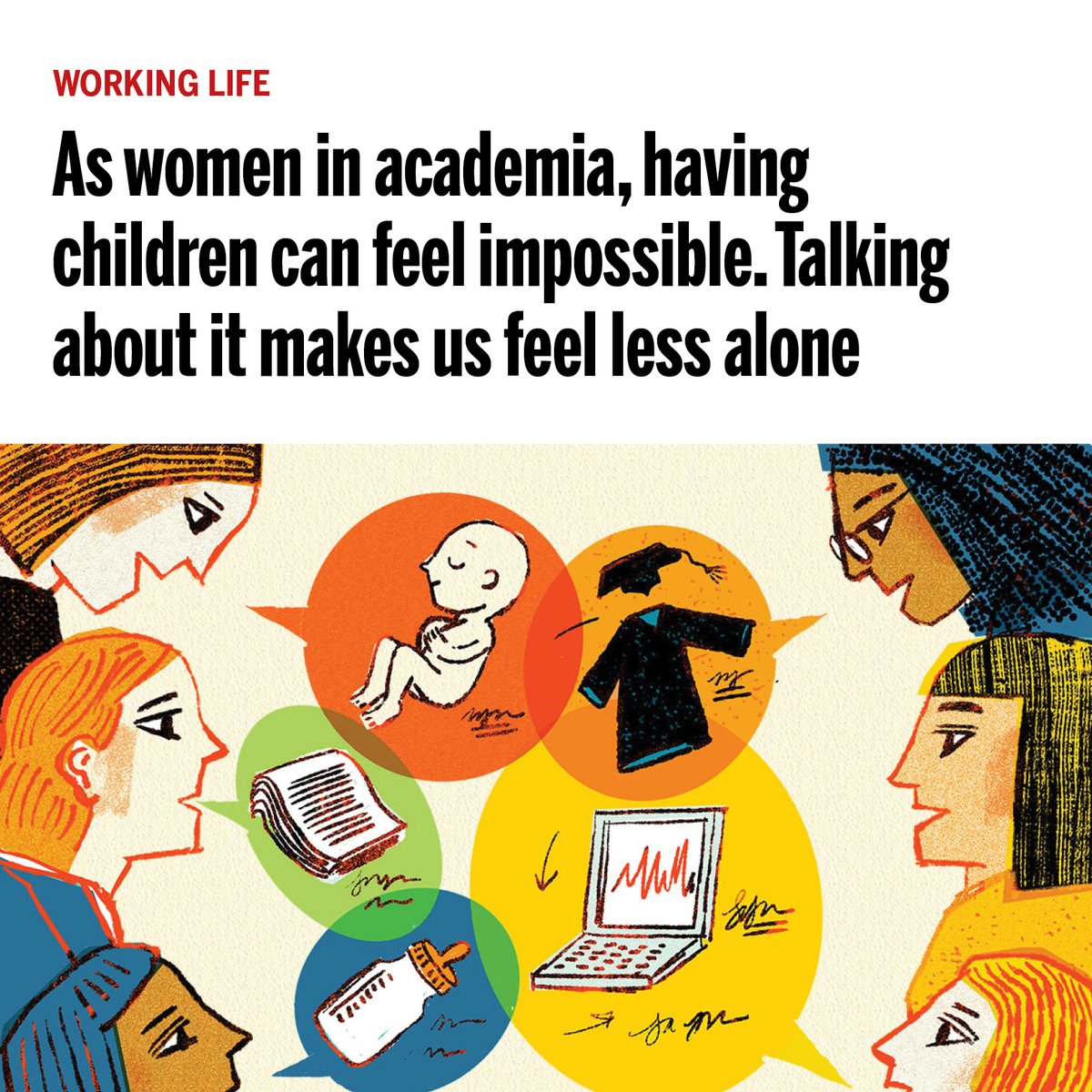
"The academic structure … makes planning for a family feel like an impossible luxury."
In this #ScienceWorkingLife, two postdocs share how, as women in academia, having children can feel impossible—and how talking about it makes them feel less alone. https://t.co/cvu5lbrzWj
The future is visiting again!
We are seeking applicants for the 6th season of MITOchats. Deadline for submission is October 21st.
Visit https://t.co/3L1pgvZTDA for details.