Scientific ideas rarely create their own commercial momentum.
For the latest Biotech Founder’s Playbook, I spoke to Oxitec co-founder Luke Alphey about building support for a technology that customers, investors and regulators first had to understand.
https://t.co/JvMUsGsAMh
🚨 New paper! We silenced polyphenol oxidase (PPO) in N. benthamiana to reduce browning and cross-linking in leaf extracts 🧪🌿
Interestingly, this also led to increased transient expression of GFP.
https://t.co/ofTTjVN7UU
#PlantBiotech#Agroinfiltration#ProteinExpression
Tickets now available for London launch of Dom Phillips book, How to Save the Amazon.
5th June, 7pm at Foyles bookshop
With “top thinker for 2025” Eliane Brum, Javari Valley indigenous leader Beto Marubo, Alessandra Sampaio and me.
https://t.co/979lWmV6jO
Our new Brief Communication is out in Plant Biotechnology Journal! 🌱📢
Silencing immunity genes boosts transient expression in N benthamiana, with ICS, CERK1, NPR1, and EIN2 showing the biggest impact. Exciting potential for Molecular Farming! 🚀
🔗 https://t.co/LAj34A0W5Q
Join Nucleate’s ‘Anatomy of an Oxford Start-Up’ event next Wednesday! 🌱🧬 Hear firsthand what it’s like to build a start-up in Oxford, and stick around afterwards to chat over food and drinks at Rhodes House.
🔗: https://t.co/yb5xhmtv3S
@NucleateUK, powered by @ARIA_research
Plant Chemetics lab featured in @Alphafold_X Impact Stories! 🌿
How AI is Helping to Protect the World’s Crops | AlphaFold Impact Stories https://t.co/e15lLfZbzO via @YouTube
🎉🚨APPLICATIONS OPEN! 🚨🎉
The BSPP Undergraduate Vacation Bursary opens for supervisor applications today! 15 Masters projects of 6-8 weeks will be fully funded by the BSPP. Open to all members WORLDWIDE! Find out more and apply here:
https://t.co/vaJATR5jOF
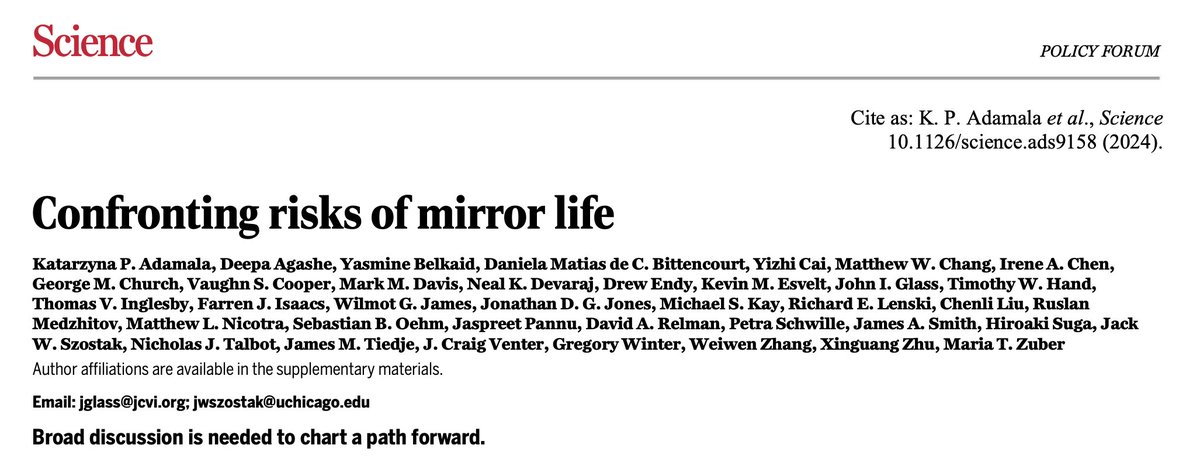
The capability for producing "mirror life" is out there and poses danger. When some scientists who worked on this became aware, they stopped pursuing it, and co-authored this piece, along with over 30 leading scientists—a @ScienceMagazine policy forum that lays out the risks
https://t.co/ud23zfG3o2
Sharing an opportunity on behalf of @EITFood that might be of interest to the BSPP community! 🥬
Applications are open for the 2025 EIT Food Seedbed Incubator, a program to help researchers validate market need for their innovative solutions: https://t.co/Iz7G5BSOuB
Here is something to distract you from the gloom: What can metagenomics tell us about the taxonomic composition of lichen symbioses? A peer-reviewed version of our analysis of >400 lichen metagenomes from around the world is now out in @PLOSBiology. 1/12 https://t.co/MMGDSEwm8H
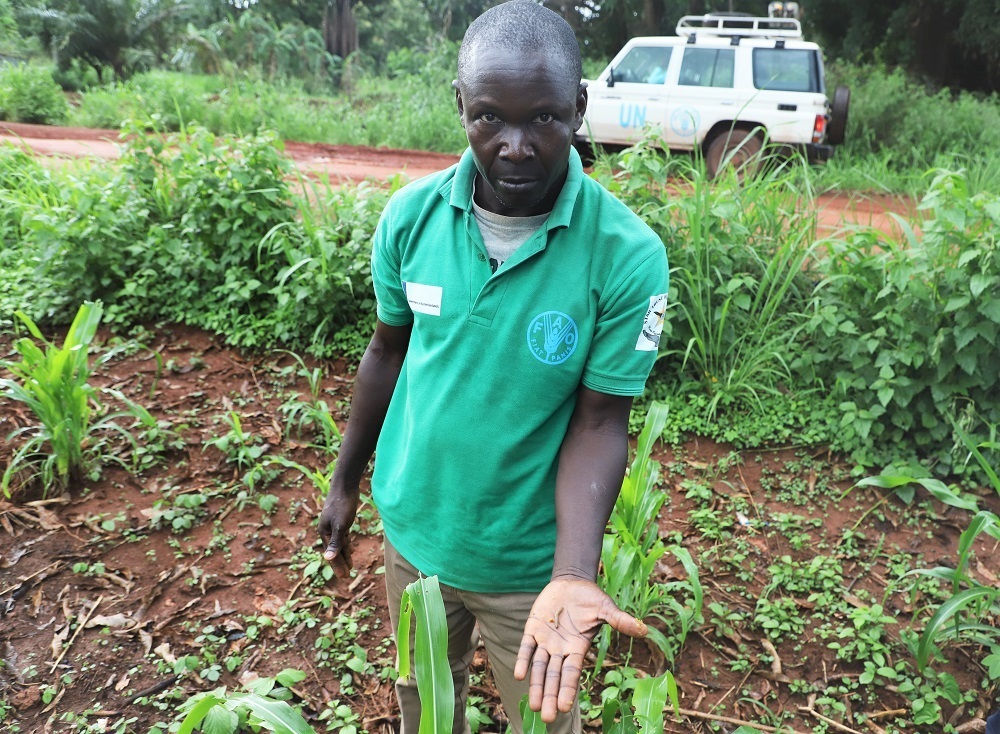
Climate change pests threaten food security in South Sudan, where 86% of rural households rely on farming, worsening food insecurity.🌽🐛
CABI’s Plantwise program aims to improve access to plant health services and strengthen government support.
👉https://t.co/OFkMPZeZC8
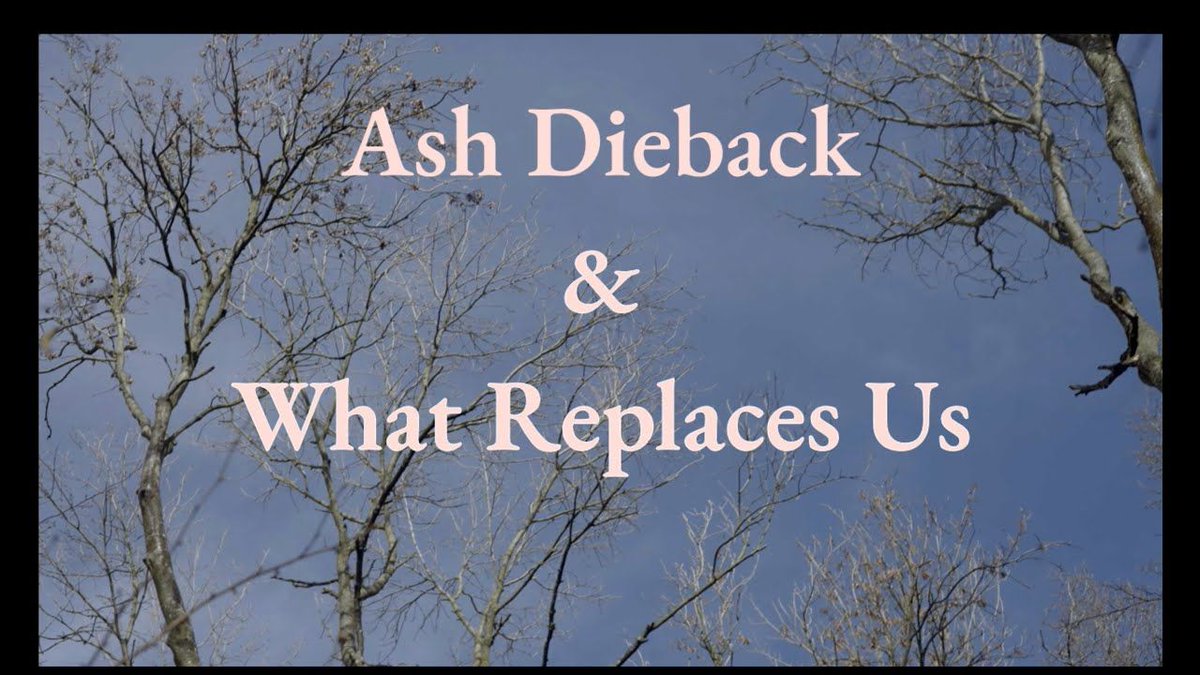
A new angle for exploring plant pathology! 🌱🎶 Oxford Music Composition PhD student Zack Di Lello reveals the impacts of plant disease through 'the language of the trees'. An inspiring cross-disciplinary journey bridging art and science! 🎥✨
Watch here: https://t.co/wyekcYHLDi
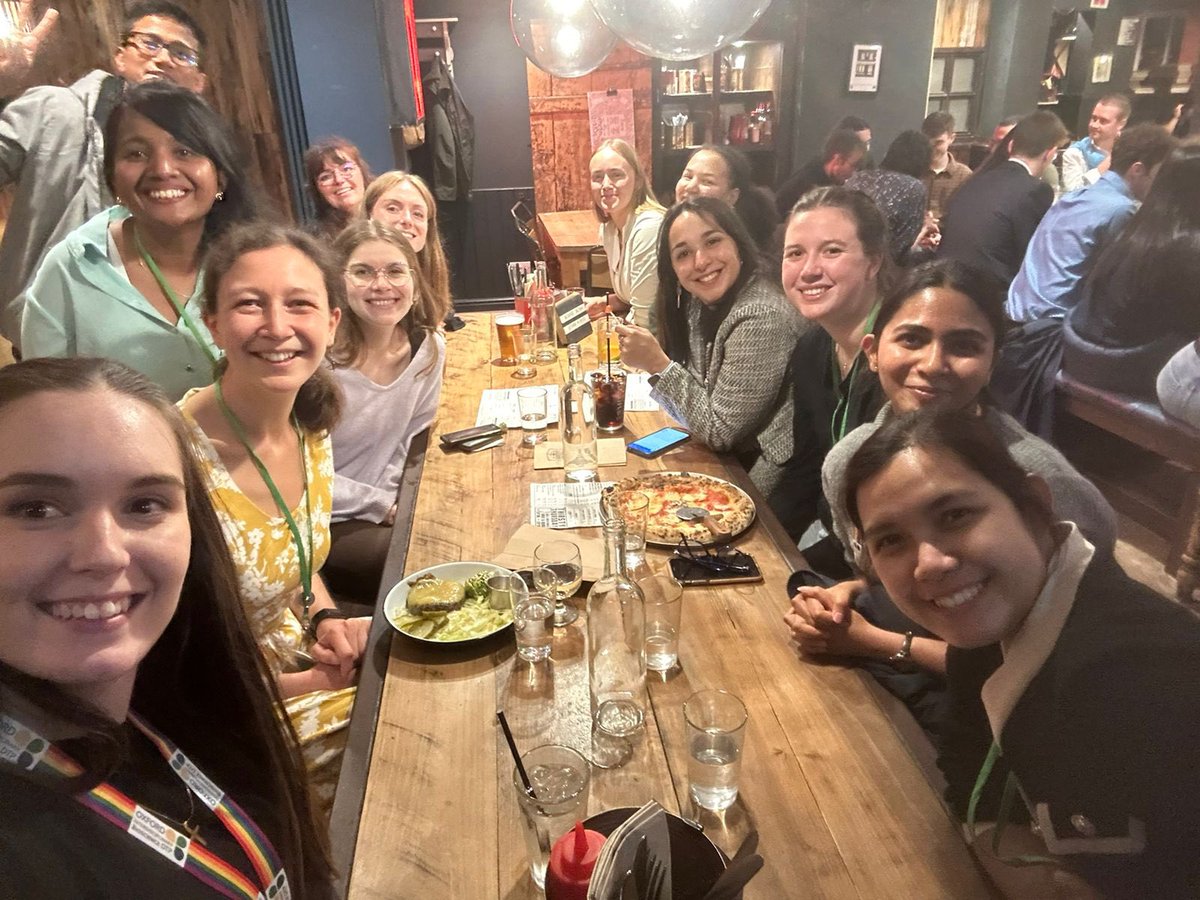
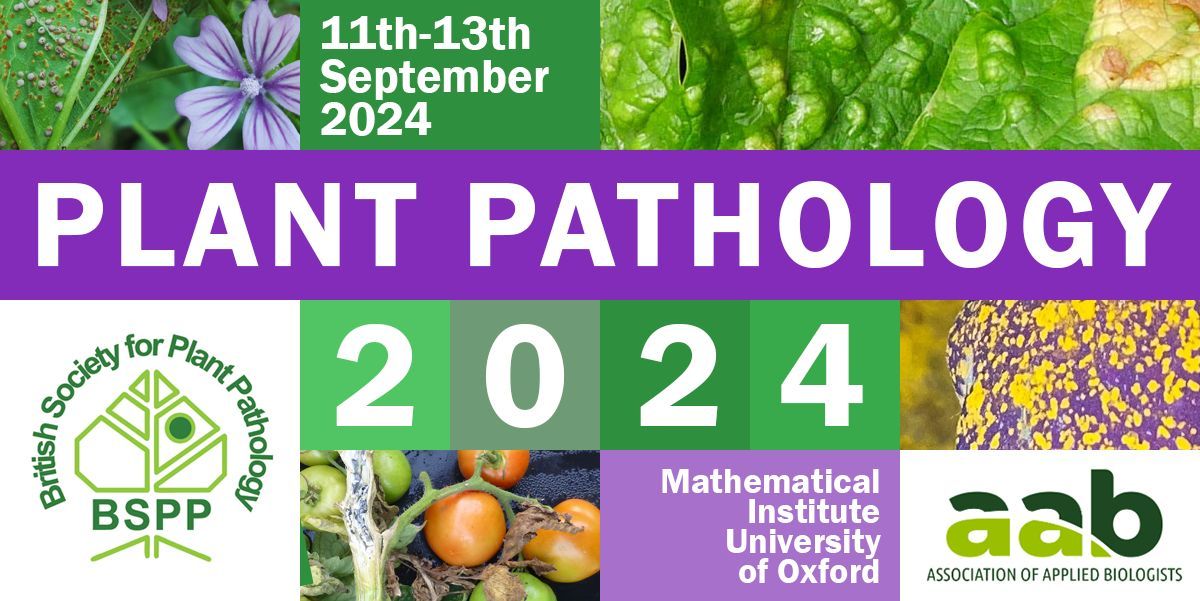
And that’s a wrap on #ECPP24! A big thank you to all our amazing speakers, poster presenters, and attendees. We’re sad that it’s over but we’re also excited to expand our group and welcome even more participants for #PPATH24 tomorrow! 🌱🦠
⏳ Just 1 week to go until #PPATH2024 & #ECPP2024! We're counting down the days and can't wait to see everyone. With exciting events planned, this is going to be a conference to remember! 🌐✨
Biggest medical discoveries of the week (🧵)
1. Why do some people get bitten by mosquitoes but others don't?
It turns out that mosquitoes use three signals to pick their hosts: CO2 from breath, human odour, and the infrared radiation emitted by skin
(https://t.co/zfTBp0Sube)
🚨 New blog alert! 🌱 Explore how cutting-edge tech like unmanned aerial vehicles (UAVs) 🚁 and convolutional neural networks (CNNs) 🧠 are being used to tackle diseases like Virus Yellows in sugar beets after the EU neonicotinoid ban. 🦠🌾
https://t.co/f4Rtk15Knv
A new study finds in more than 2000 African women who had received a twice-yearly injection of the antiviral drug lenacapavir as pre-exposure prophylaxis (PrEP), not one contracted HIV. https://t.co/qsoDOCiLql @NewsfromScience