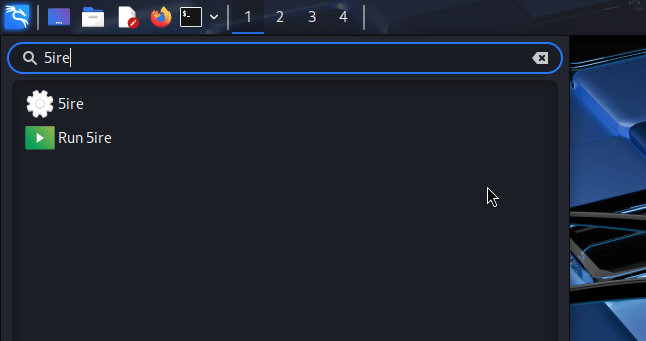
Kali & LLM: Completely local with Ollama & 5ire: We are extending our LLM-driven Kali series, where natural language replaces manual command input. This time however, we are doing everything locally and offline. We are using our own hardware and not… https://t.co/Tqydp01kPp
Dear @VodafoneQatar,
It's been 5 days since my money was deducted from my account for the bill, but it shows as unpaid in the Vodafone mobile app.
I want this issue resolved ASAP.
Thank you.
🚨 Common mistakes made by new or inexperienced developers:
- Lack of input validation
- Creating SQL queries directly without using prepared statements or ORM
- Lack of server-side validation
- No proper understanding of client-side and server-side
- Keeping the tokens in the GET request
- Hardcoded API keys in the codebase, without using the .env variable
- Poor understanding of OWASP Top 10
- While building an API, there is no authentication system.
If you are using local storage to keep your JWT token, then it’s not secure enough.
Saving JWT in the local storage is normally vulnerable to XSS.
For example, if an attacker successfully injects malicious JavaScript into your site, they can access the JWT, which is stored in the local storage.
So to mitigate this, we have to always use cookie-based tokens with the SameSite flag set to Lax. For reference, you can see the screenshot below, which is in Django.