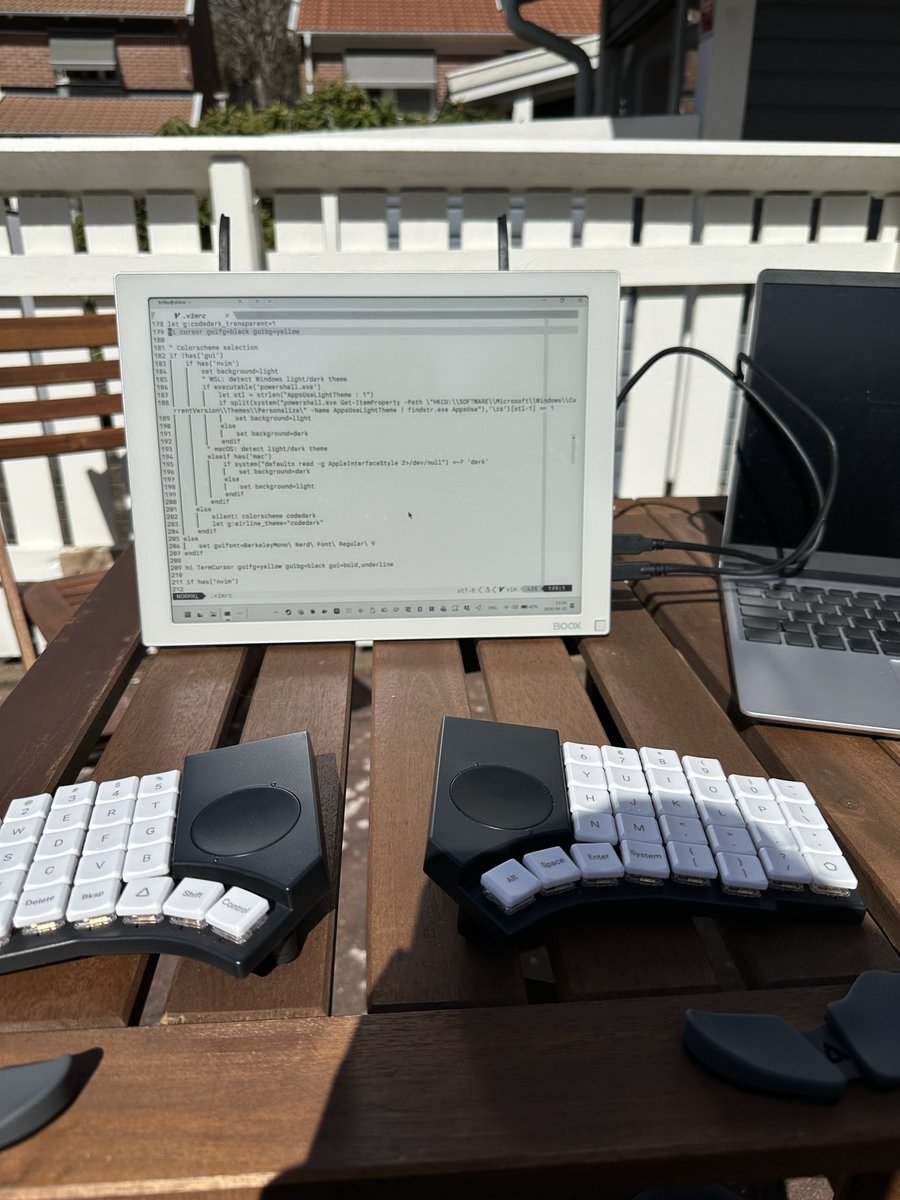
I’ve decided to move back to sublime text.
- VSCode is a security liability
- I don’t edit code hardly ever, so I don’t need any IDE like features
- sublime is fast and comfortable to use
- it brings back good memories
I've got an agent in a loop optimizing a renderer with the goal to minimize frame times (and tests to measure). It got times down from 88ms to 2ms and allocations down from ~150K to 500. Sounds good, right? Wrong. This is exactly why agent psychosis is a big fucking problem.
As an experiment, I rewrote the Ghostty core render state in Go, with access to identically laid out data structures as Ghostty and the exact same validation tests. I made a purposely naive renderer (simple, correct, but slow). 88ms per frame with 150,000 allocations (horrendous, lol)!
I then kickstarted a Ralph loop to bring the frame times down. I told it it can't modify input data structures or the public API or tests (they're correct), but it can do anything else it wants. It got to work.
It has worked for about 4 hours. I've spent around $350 on this experiment so far. The results?
88ms => 1.5ms
150K allocs => ~500 allocs
Incredible right? Nope.
My hand-written renderer I ported has frame times (same benchmark) of ~20us (0.020ms) and 0 allocations in the update path.
This is the problem with psychosis and lacking systems understanding. If you don't understand the system, you're going to accept that this is an incredible result. If you understand the system, you'll see better solutions immediately and can do roughly 75x better on throughput.
The people who blindly trust agent output are in the former camp. They're sheeple, overdrinking from a fountain of mediocrity.
Standard disclaimer: I use AI all the time. I like AI. The point I'm making is to not blindly accept results. Think. Analyze. Learn.
@gumbo_skol@00_990_00@andyformn@MinnesotaDFL Wrong
A 2024 peer-reviewed study in JAMA Network Open analyzed 253 school shootings by adolescents (1990–2016): Handguns were the most used weapon in 85.5% of cases
https://t.co/bSELbRhLbc
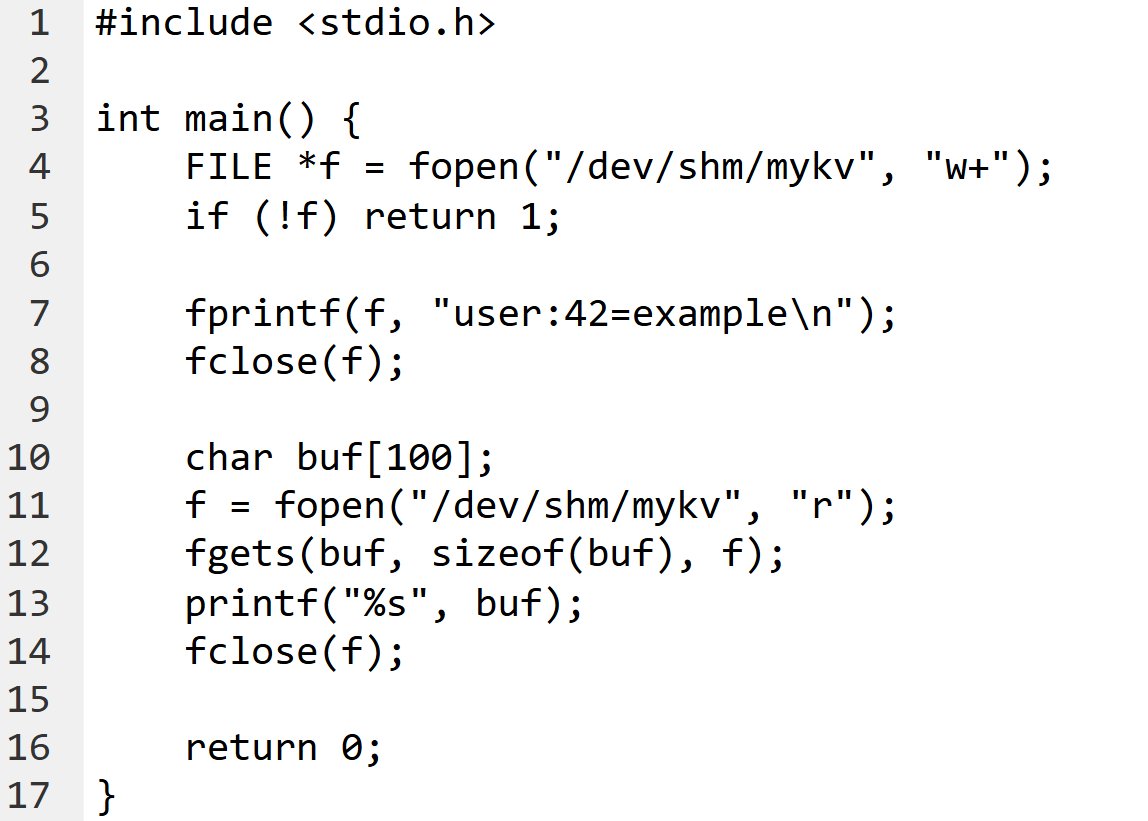
fun fact: linux already gives you a zero-dependency in-memory store it’s just /dev/shm > a RAM-backed filesystem that’s been around forever
you can literally write to it like a normal file and read it back for small local data, it’s surprisingly fast
not trying to replace Redis, just a simple trick when you don’t need extra stuff
@willmcgugan Wonderful experiments I think you're having it do too much. If you narrow the scope and create a markdown that explains the valuable context you already have in your head I suspect you'll get better results
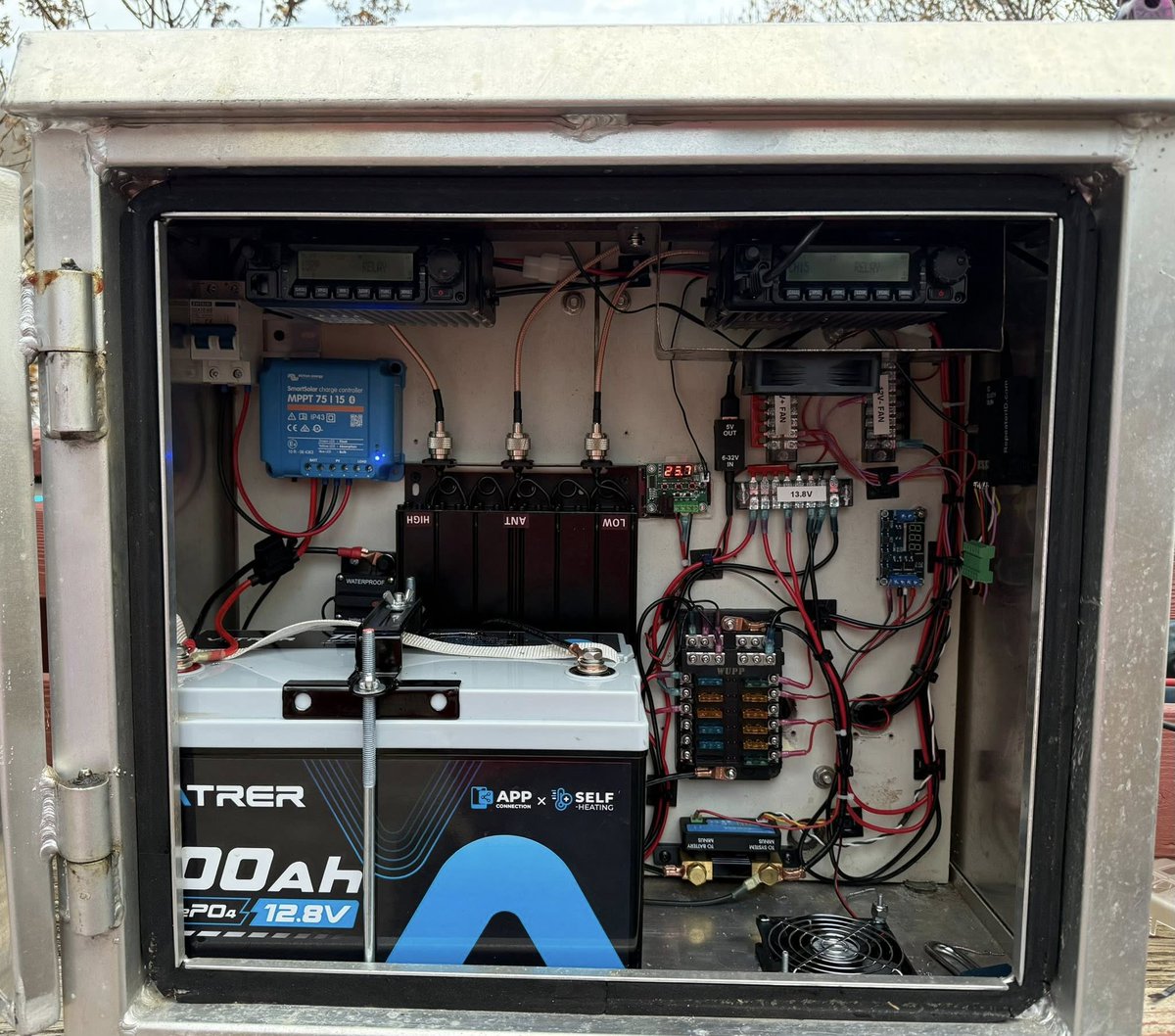
The #RETEVIS RA87 build is doing great in the #snow. Having it read the battery level off is a game changer. An the lights on the outside for power (red), transmitting (blue), ID (purple) are really nice #RETEVISReliable#RETEVISRT97L
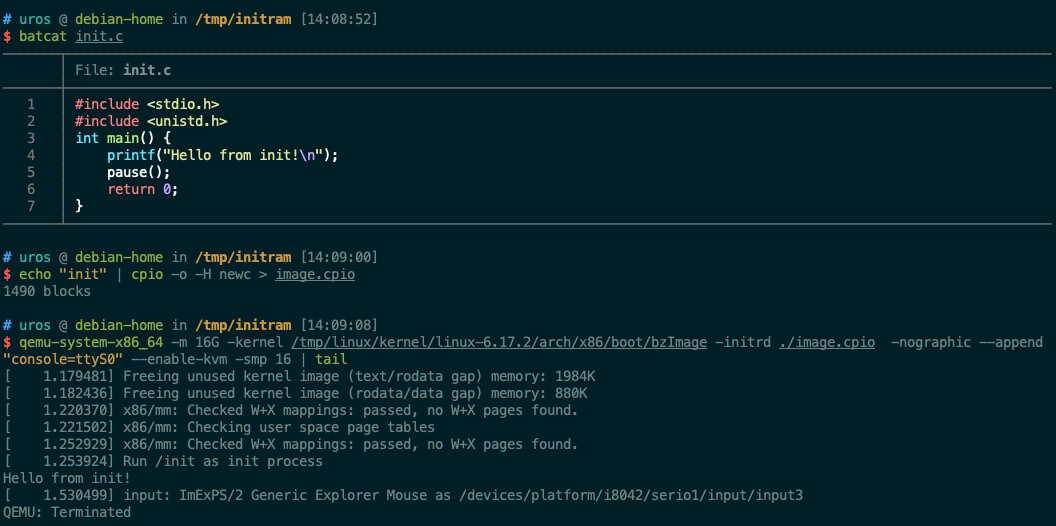
Here's a QEMU "superpower" for running Linux:
You can boot a full Linux VM with zero setup.
No installers, no virtual disks, no partitions.
You just need two files:
1. A Linux kernel (bzImage)
2. A root filesystem (initramfs.cpio)
Then, run one command:
qemu-system-x86_64 -kernel bzImage -initrd initramfs.cpio
What's happening?
You're telling QEMU to become the bootloader.
The -kernel flag is a shortcut that skips the entire complex boot chain. QEMU loads your kernel and initrd files directly into the guest's virtual RAM, points the virtual CPU at the kernel's entry point, and hits "Go."
It's the ultimate way to run a minimal, single-purpose Linux environment.
Want to see the full deep-dive on how to build your own minimal Linux "micro distro" with a custom initramfs and boot it in 10 minutes, from scratch? Check out the full writeup: https://t.co/EOP8mQQPRU