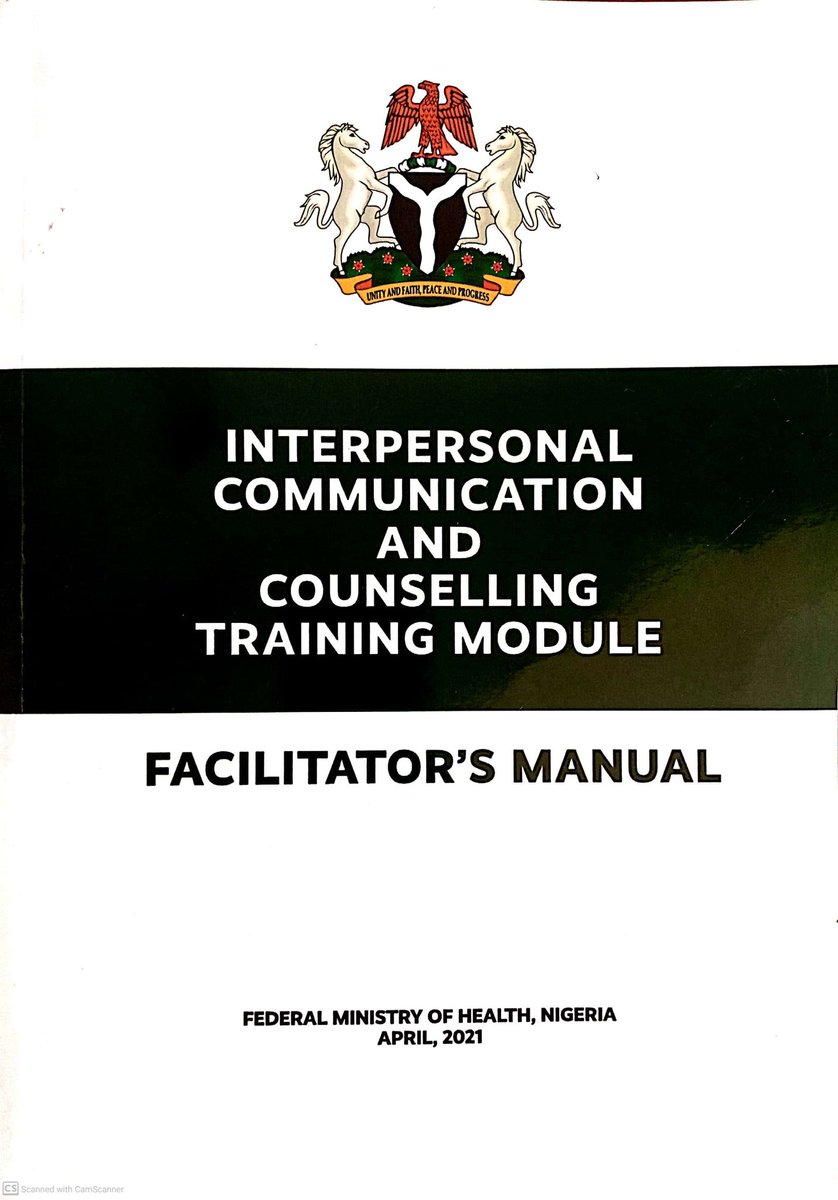
This training manual is designed for health care providers, it is an interactive training manual that teaches counselling, Communication, and motivation skills using....
An inclusive and equitable world requires #ReimaginingLeadership to empower people of all genders & improve health outcomes for all. Want to be a part of that transformation? Join @WLGHConf! https://t.co/jDal1cH4Sl
I work hard to get what I want but I never fail to savor and enjoy what I have. True happiness begins with enjoying what you already have. Happy new month!
@seunomoakinola@BANigeria@Eljabbary Malaria vaccines continue to face challenges due to the different species and stages of the parasites which are all able to cause disease.
@BANigeria The signs & symptoms of severe malaria are Stomach pains, Yellow eyes, Difficulty breathing, Dark or coca cola- colored urine, Pale eyes, palms or lips, Very high fever, Convulsions, or fits (in Children), Extreme body weakness & vomiting, Coma, little or no urine.
@BANigeria If you do not complete the treatment, the malaria will come back. If not treated timely & completely, malaria can quickly turn into SEVERE MALARIA & it can be fatal. Severe malaria is a life-threatening condition & patients need to be taken to the hospital immediately.
@BANigeria This is not recommended. The BEST & effective treatment for malaria as approved by WHO & Federal Ministry of Health (FMoH) in Nigeria are Artemisinin-based Combination Therapy (ACTs). It is important that you complete the full course of ACTs given to you.
@BANigeria Once a diagnosis of malaria is made, it is critical to initiate treatment with ACTs within 24 hours. This would prevent the progression to severe malaria & ultimately prevent complications. Many people use antibiotics for the treatment of malaria.
@BANigeria Malaria can be treated using recommended medicines such as: a full dose of Artemisinin-based Combination Therapy (ACT) for treatment of uncomplicated malaria according to national treatment guidelines.
@BANigeria Some people believe that malaria can be treated by:
• Taking laxatives (medicines that purge). Taking Herbal mixtures.
• Alcoholic drinks.
• Taking nothing at all because malaria subsides after a while.
• Taking pain killer tablets. These are all not true about Malaria.
@BANigeria upper respiratory tract infections, stress, bacterial infections, viral infections typhoid fever etc. It is therefore very important to test every fever case to be sure that the patient has malaria & not any other illness which could resemble malaria in its symptoms.
@BANigeria Malaria is known to present signs & symptoms such as fever, malaise, headache, loss of appetite, body pains, vomiting, nausea, chills & rigor amongst many other symptoms. These symptoms are also present in other disease conditions such as: