Super excited that our paper on RNA Pol II clustering and kinetics in live embryos is finally out in print! We find that RNAPII clusters represent stoichiometric accumulations of molecules with a single cluster stably associated with a single gene (1/2)
https://t.co/u6TKv76184
🧠 Turning the lights back on in “cold” cancers
Imagine the immune system as a neighbourhood watch. Healthy cells keep their porch lights on, displaying clear house numbers so patrolling guards (immune cells) can see them. Some cancers, however, turn off the lights and hide the numbers. The guards walk right past — not because they’re ineffective, but because they can’t see the threat.
This is what happens in so-called immunologically “cold” tumours. By switching down key molecular signals (HLA-I), these cancers evade detection by cytotoxic T cells, making them resistant to many immunotherapies.
In a new paper, researchers from team NexTGen created a discovery system to tackle this challenge head-on and identify new antigens in neuroblastoma, a devastating childhood cancer that is especially adept at staying hidden from the immune system, but the system is broadly applicable across diverse tumour types.
Members of the #CancerGrandChallenges team NexTGen (co-funded by @TheMarkFdn), Nikolaos Sgourakis and John Maris, published the landmark Science Advances paper “HLA-Shuttle: A system for enhancing antigen presentation in immunologically cold tumors”.
📖 Read the paper in @ScienceMagazine: https://t.co/8fjPwXPjon
#CancerResearch #neuroblastoma
From cold to hot tumors: Our lab's first 2026 paper in @ScienceAdvances: HLA-Shuttle restores antigen presentation in "cold" tumors like neuroblastoma, enabling discovery of hundreds of new therapeutic targets to guide #Immunotherapy development.
Great team effort led by Daniel Hwang with collaborators John Maris, @MustafaMir16, Andrea Facciabene and Alithea Bio.
Supported by @CancerGrand Teams NexTGen&MATCHMAKERS,@theNCI@TheMarkFdn@UPenn_I3H@PennMedicine@CHOP_Research
https://t.co/W1JLDFlapX
1/n) Excited to share our new preprint: Using high-res live embryo imaging we show that transcription factor hubs are localized to new genes when specific DNA binding is perturbed. Hub interaction kinetics at these new sites determine factor occupancy: https://t.co/ZkNklKMgTV
Excited to share our new opinion article (https://t.co/PFLoTFYtAr) on how "Dynamic microenvironments shape nuclear organization & gene expression" published in the Current Opinion in Genetics & Development co-authored by twitterless Matthew Fischer & @MustafaMir16! A thread [1/7]
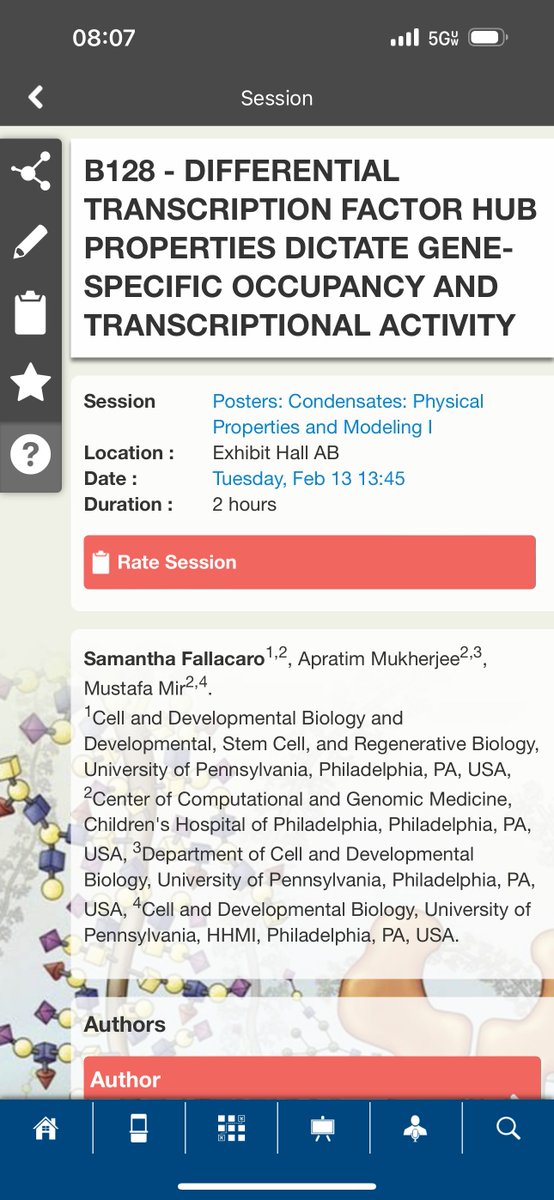
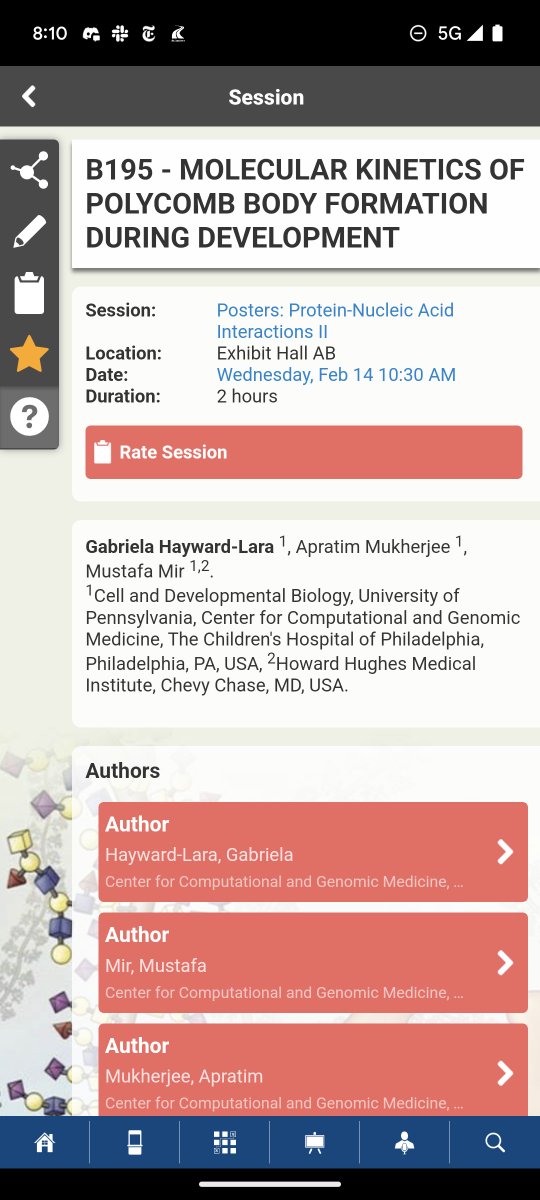
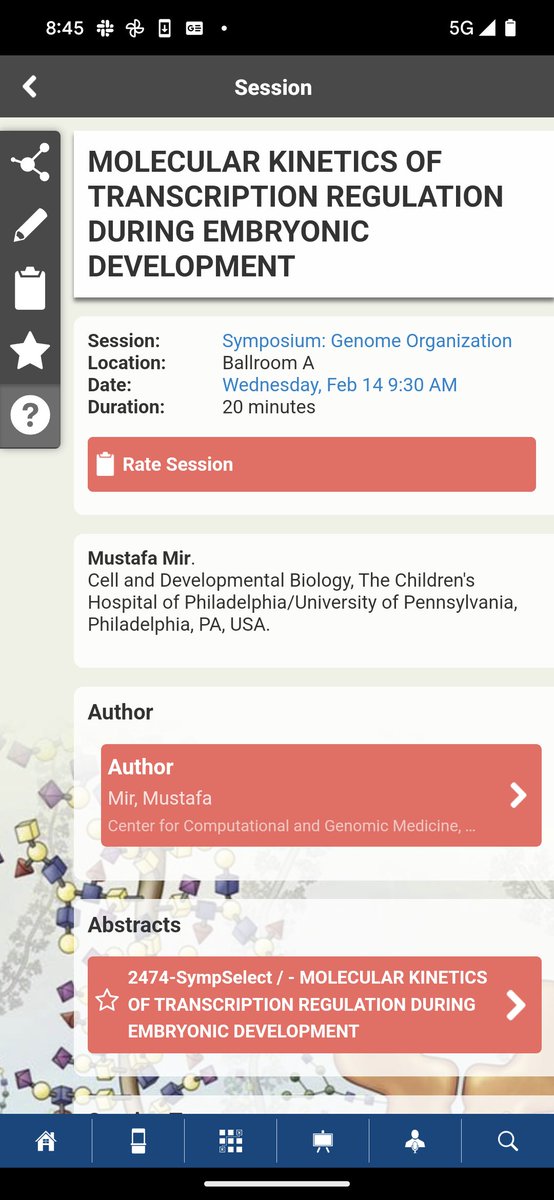
#BPS2024 check out our lab's presentations & pls reach out if you want to chat! Posters:B128 (@littlescholar_ ) txn activator hubs, B195(@GHaywardLara ) repressive bodies. Talks: @mukherja PolII kinetics(13th,5:30 p 201AB), myself, on how hubs find their targets (14th,9:30a BRA)
Check out this video about life in our lab made by the very talented @CHOP_Research Creative Services team as part of their "lab life" series (https://t.co/VSquPTZqyQ)
https://t.co/oXmrSdhTLM
(1/2) The Mir Lab at @ChildrensPhila grew from a bare room to a flourishing space filled with advanced #microscopytechnologies and scientific discoveries. In our latest #LabLife video, see how Dr. Mustafa Mir's team has evolved over a short amount of time: https://t.co/IhID9wW13x










![GHaywardLara's tweet photo. Excited to share our new opinion article (https://t.co/PFLoTFYtAr) on how "Dynamic microenvironments shape nuclear organization & gene expression" published in the Current Opinion in Genetics & Development co-authored by twitterless Matthew Fischer & @MustafaMir16! A thread [1/7] https://t.co/96ixnmnGlq](https://pbs.twimg.com/media/GIZ5vj2XUAAQ4p3.jpg)