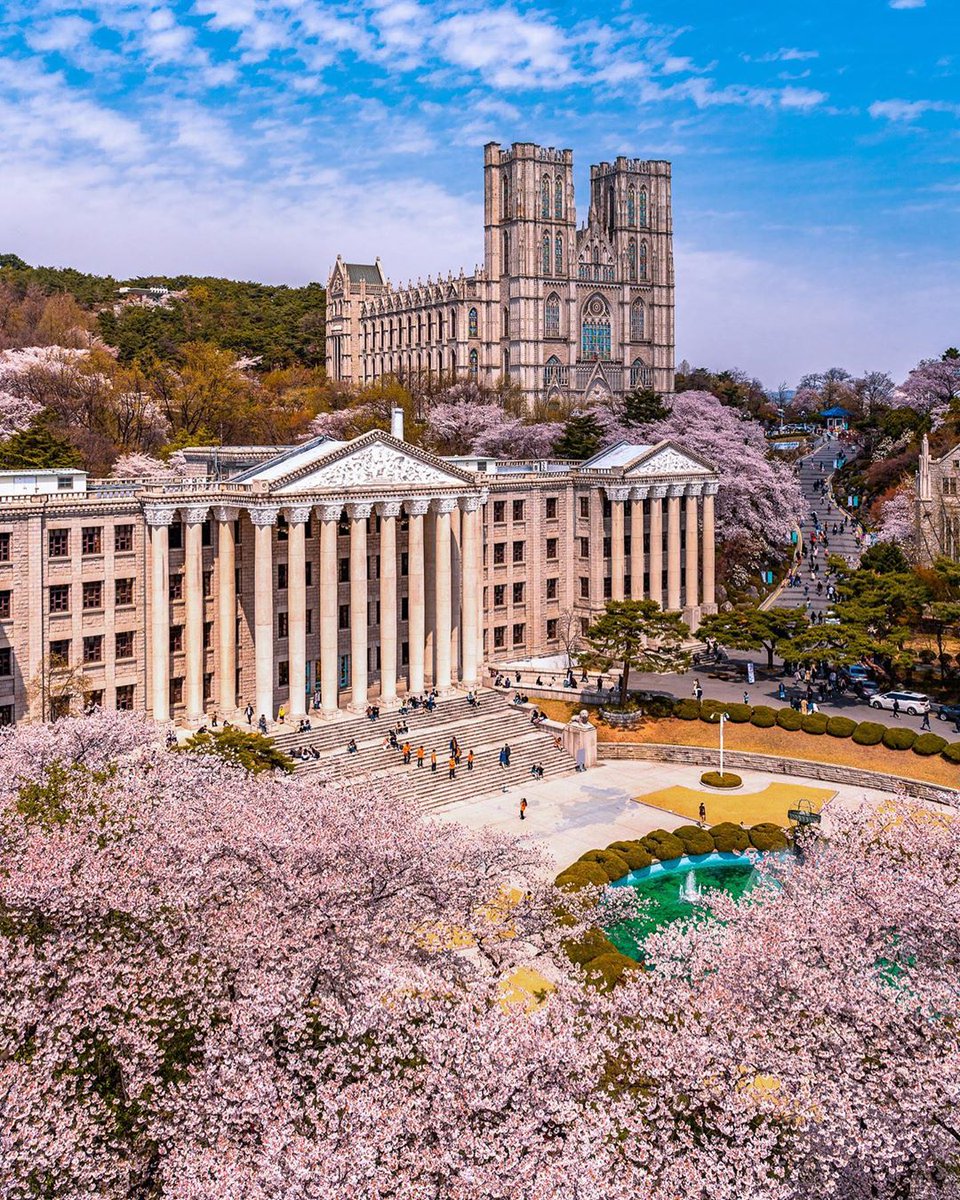
Yes, her name is Nguyen Nguyen. My grade 6 classmate that sat in front of me. She never spoke to anyone. Not even the teacher. I mean, EVER. But she was brilliant & never needed help with anything. We would walk to school together, & even then—not a single word. Then one day…
"Just look at the last student at the back, and based from what they're doing, you'll know how your teaching is going."
One of my colleagues, a seasoned teacher, had this to say based on his decades of experience teaching. Insightful lunch!
The complexification of the electricity sector. A short thread 🧵
Several decades ago, we used to have a single utility doing production, distribution, and sale. Customers were paying a fixed price per kWh. And generators were controllable (based on hydro/fossil fuel).
1/12
"A competitive market is only an arrangement, not an end in itself. The objective will always have to be increasing or maximizing economic welfare."
A compelling guidepost from the first day of my Electricity Markets course.
Now back to energy stuff... I am ramping up my studies in energy flexibility and came across this figure and naming convention from a 2017 LBNL report (cited by Trolove et al, 2023)
yes to✨S H I M MY✨
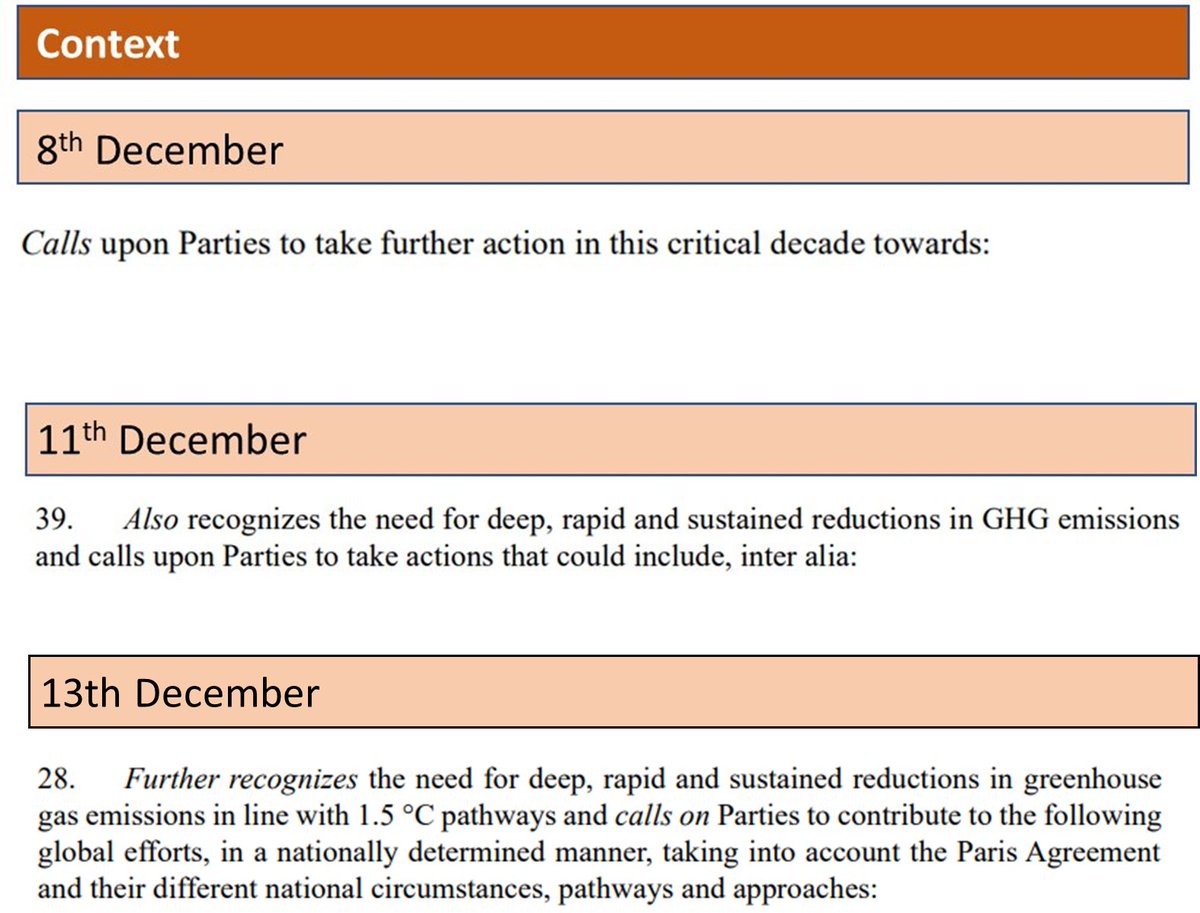
The COP energy package of 13-Dec draft wording, before and after, word by word 🧵
First the context text:
🟢"1.5" in there💪
🟡"Calls on" - back to where we started!
(So much more to say on this, but I don't understand!)
"While climate scientists were warning the world of disaster, a small army of scientists, engineers, policymakers and others were getting to work. These first responders have helped move us toward our climate goals. Our warnings did their job."
https://t.co/eLQrcc440m
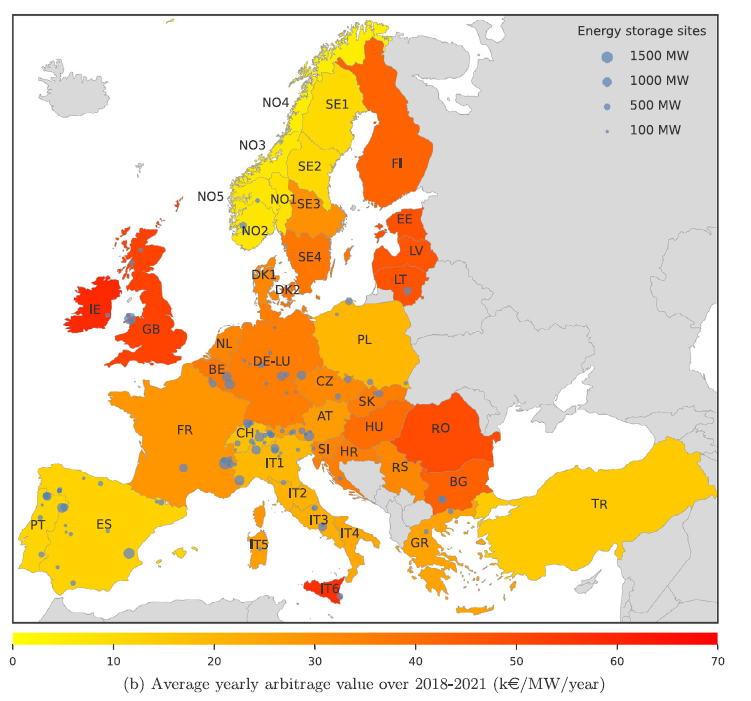
The value of storage depends on the size of the price spread and its frequency.
Let's assume that the frequency is once a day (daytime to nighttime). It remains the spread size.
Two things are essential: RES share + price of fossil fuel.
1/6
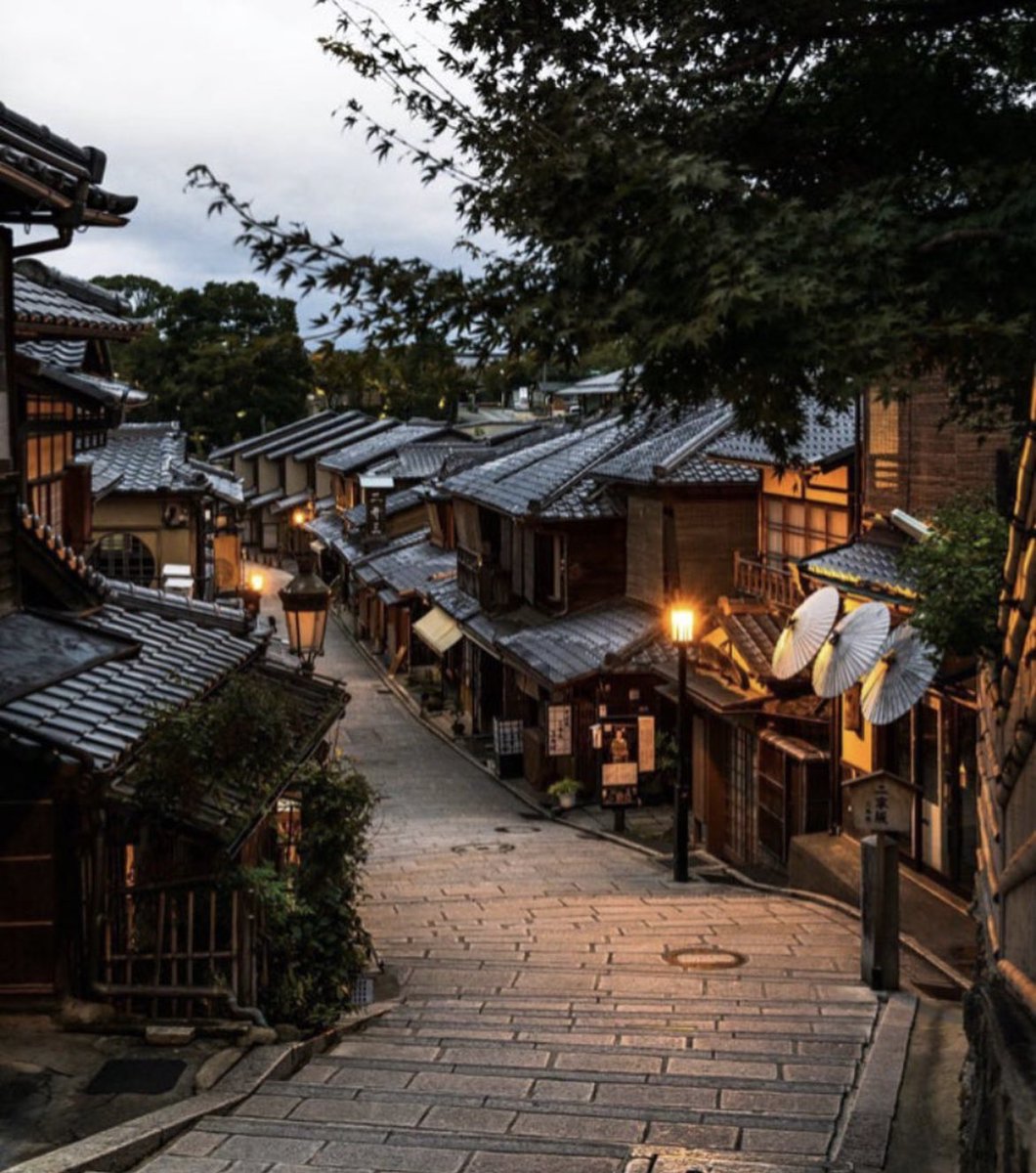
Kyōto, founded in 794, is a city with a rich history spanning over a thousand years. It was once the capital of Japan and boasted one of the largest populations of any city worldwide.
This city is home to a remarkable array of cultural treasures, including more than 1,650 temples, 400 Shinto shrines, 800 shrines, a majestic castle, three palaces, and numerous city parks and gardens.
During World War II, Kyōto remained largely untouched because it was intentionally excluded from American war plans. The U.S. initially considered dropping an atomic bomb on Kyoto but ultimately spared it due to the city's historical significance.
When the people of Kyōto discuss war, they are often referring to the Onin War, a civil conflict that lasted for 11 years in the 15th century between two samurai families.
Today, Kyōto stands as one of the most visited cities globally, attracting tourists from all corners of the world.
Not exactly my field (yet?), but hope this helps anyone who needs it!
(and would of course be happy to read inputs/clarifications from experts in my network!)
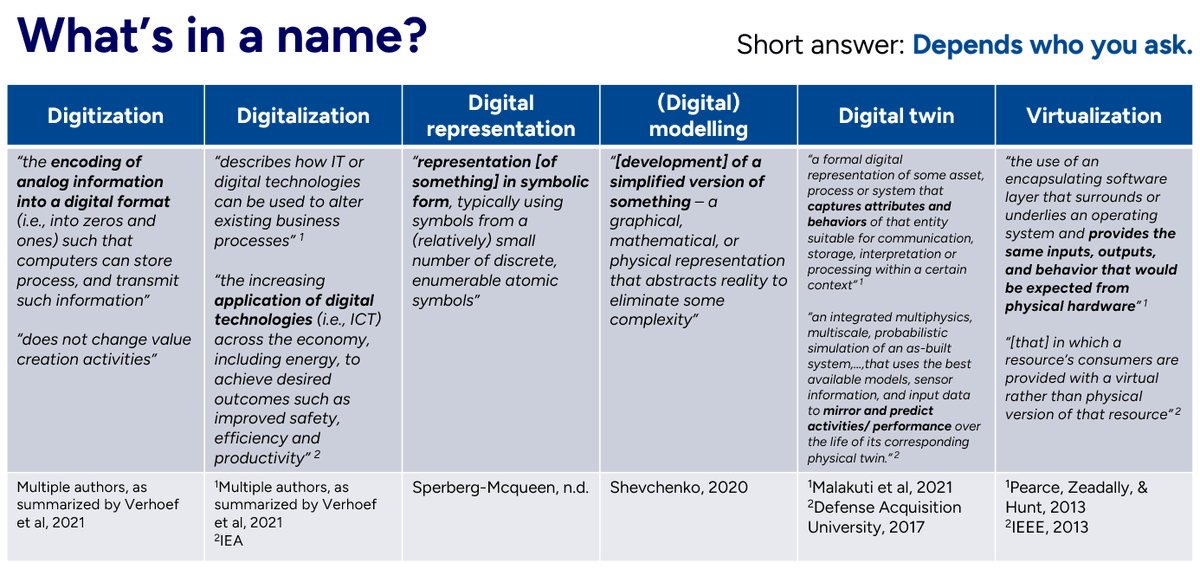
In a class presentation I gave last week, I started by this disambiguation of commonly conflated and interchanged words (or shall I say, buzzwords). I never really gave it much thought until then, so it was a very helpful exercise!
Our new report on the world’s electricity grids is out!
The 1st-of-its-kind, country-by-country analysis shows that to meet energy & climate goals, we need to add or replace 80 mln km of power lines by 2040
That's the size of the entire global grid built over the past 100 years