Democracy is stronger when everyone belongs.
This Pride Month, we celebrate LGBTQ+ communities and the ongoing work to build systems where every voice is represented, valued, and heard.
Happy Pride Month. 🏳️🌈
In the newest The Democracy Lab @ExpandDemocracy talks with Colin Cole and Heather Villanueva of MED about building support for proportional representation, advancing electoral justice, & organizing for electoral reform at the local level.
🎙️ Listen here: https://t.co/tOwLQRVzRl
Voting rights scholar and Lift Every Voice panelist Spencer Overton argues that the Supreme Court’s latest attack on the Voting Rights Act demands bold new approaches to representation.
Read more: https://t.co/9DYGsd7796
Tonight in Bend, OR 🎬
Join MED + Common Cause Oregon for a free screening of American Troubles: A Tale of Two Democracies and Q&A on strengthening democracy.
6–7:30 PM @ Craft Kitchen & Brewery.
RSVP: https://t.co/zSVDNdFbFa
The right to vote means little if your community’s voice is carved up and canceled out.
As protections weaken, racial vote dilution persists—revealing a system where representation is still unequal by design.
Read more: https://t.co/wd65wwA9AH
Reform is coming—the question is what kind.
If we keep winner-take-all rules, we’ll reproduce the same dysfunction. If we change how votes translate into seats, we can build a more representative democracy.
Read more: https://t.co/8Seq5DXnzH
Join MED's Colin Cole and Heather Villanueva for a #AMA (Ask Me Anything) on Reddit about everything from election reform to political extremism to how we build a better democracy.
https://t.co/xd7SGNLwxH
This isn’t just about one map, it’s about a system where representation swings with partisan control.
Winner-take-all rules make fairness fragile. Proportional systems would make it durable.
Read more about the Virginia Debate: https://t.co/o133Gxtf3L
Even awarding the Heisman uses ranked choice voting 🏆
If it can work to pick college football’s top player, it can work for Indiana voters too — giving people more say and making sure elections reflect the choice of the majority.
Learn more: https://t.co/G8WYdRQgwa
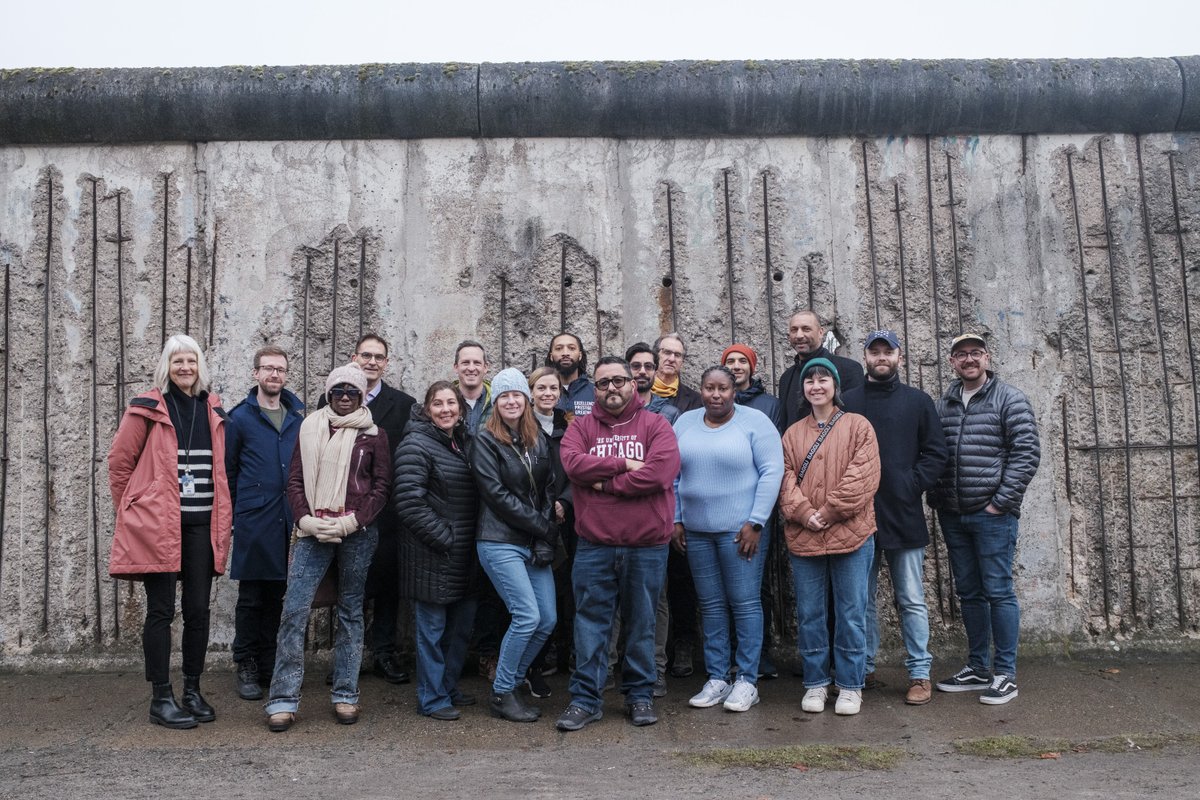
From a learning tour in Germany to Portland’s historic shift to proportional representation, we hear what reformers learned—and what it could mean for the future of U.S. democracy.
Is Portland a glimpse of what’s next?
Listen to episode 6 at https://t.co/gD6noU4tOI
🎙️ Season 2 Finale is here.
We close the season back in the U.S. with reflections from participants and a look at Portland, Oregon’s groundbreaking 2024 election. Is Portland a glimpse into the future of our former democracy?
🎧 Listen to episode 6 now: https://t.co/gD6noU4tOI
MED’s Colin Cole joins @DailyZeitgeist to discuss the shifting global response to the US-Israel war, the implications of recent social media verdicts, and what debates around Section 230 and age verification could mean for the future of the internet.
https://t.co/1fpO4nP5n3
In winner-take-all elections, millions of votes effectively don’t count.
Proportional representation offers a better way — where voters get a fair share of seats and more real choices.
Check out this quick explainer from @Sightline breaks it down:
https://t.co/Dps6R5wyMG
Countries like New Zealand, Northern Ireland, and South Africa changed their electoral systems amid crises. Now, the U.S. faces a similar moment. Can proportional representation be the solution? Director Colin Cole shares insights at a recent panel with @protctdemocracy .
ICYMI: Portland’s new electoral system is already delivering results.
Thanks to multi-member districts and ranked choice voting, the city now has a council that better reflects its voters.
More on what’s working:
https://t.co/1p9l0WrOiq
Communities of color are often too dispersed or concentrated for fair representation under single-district systems. Proportional representation lets voters pool support across lines to elect reflective representatives. Colin Cole shares his perspective with @protctdemocracy.
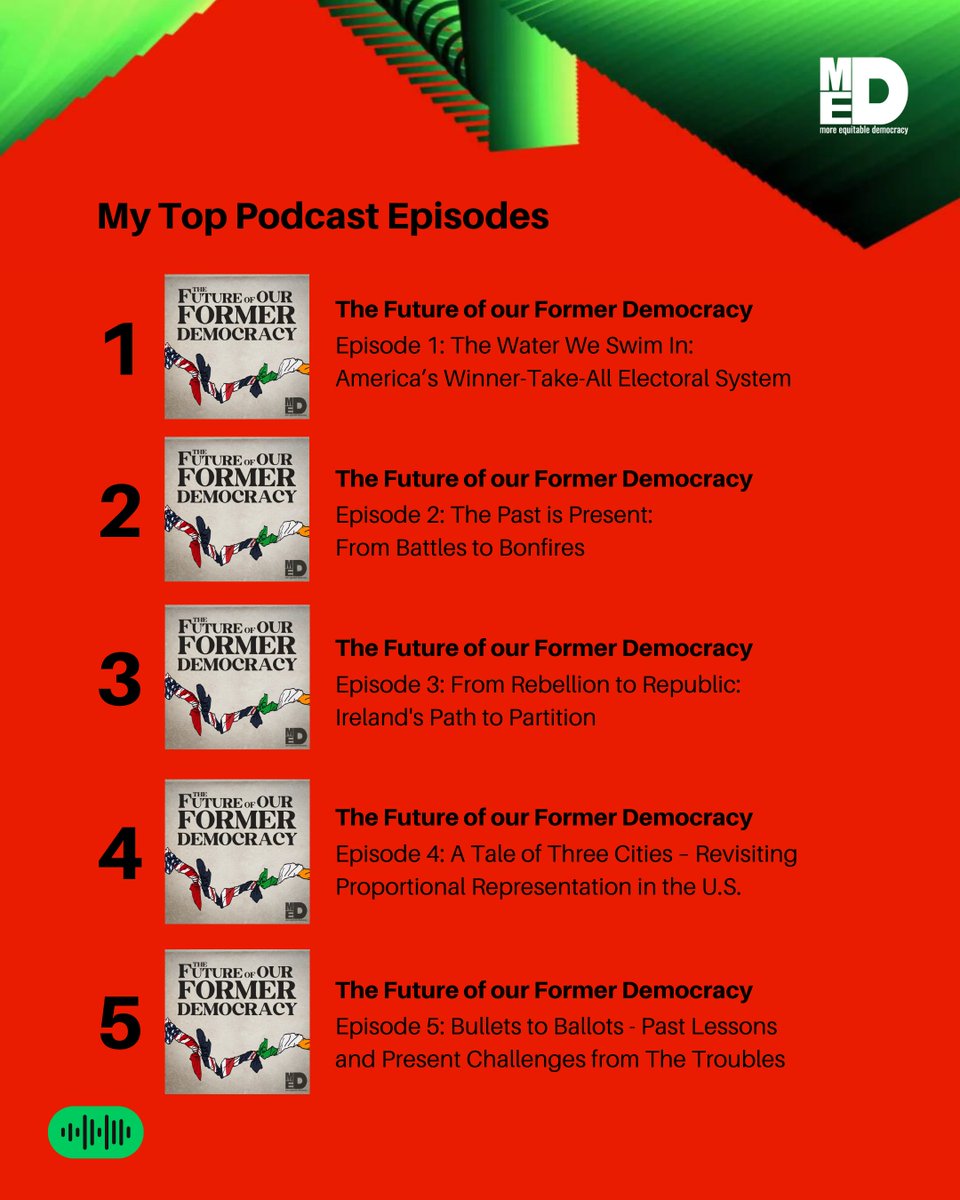
🎙️ Season 2 trailer of our award-winning podcast just dropped!
In 'The Future of our Former Democracy’, we examine far-right movements in modern Germany and the U.S. to explore what lessons this history might mean for American democracy.
Listen: https://t.co/FZVJIIQKwM
We’re not obsessed with ourselves… we’re obsessed with fixing our democracy🤠
Check out our award-winning show wherever you get your podcasts!
https://t.co/k3CHbiwen1
🚨 Reminder! 🚨
Our podcast The Future of Our Former Democracy is up for two Signal Awards — and we still need YOUR votes to win! 🏆
If you haven’t voted yet, now’s the time.
👉 Link in bio — let’s show the power of people coming together for a stronger, more equitable democracy.