the rise of thinking machines is less threatening to human autonomy and subjectivity if you conceive of them as emergent, porous, dynamic processes to begin with
ohh this book is sooo good. struck by how incredibly prescient and relevant it is, given that it was written before the 2000s. it offers a refreshing “secret third thing” viewpoint on how to think about human-machine dynamics
Reductionism has been a powerful force for understanding fundamental aspects of complex systems, but its very success has blinded most biologists to its crippling inability to make sense of complex emergent dynamic systems. We have the tools now to noninvasively observe and perturb living cells in their stunning holistic complexity, but the tyranny of reductionism has reserved the most important tool of all, AI, to approaches (e.g., structural biology, genomics, and spatial transcriptomics) ill-suited to their practitioners stated goal of building "virtual cells". It's been very frustrating convincing the gatekeepers of large HPC clusters otherwise.
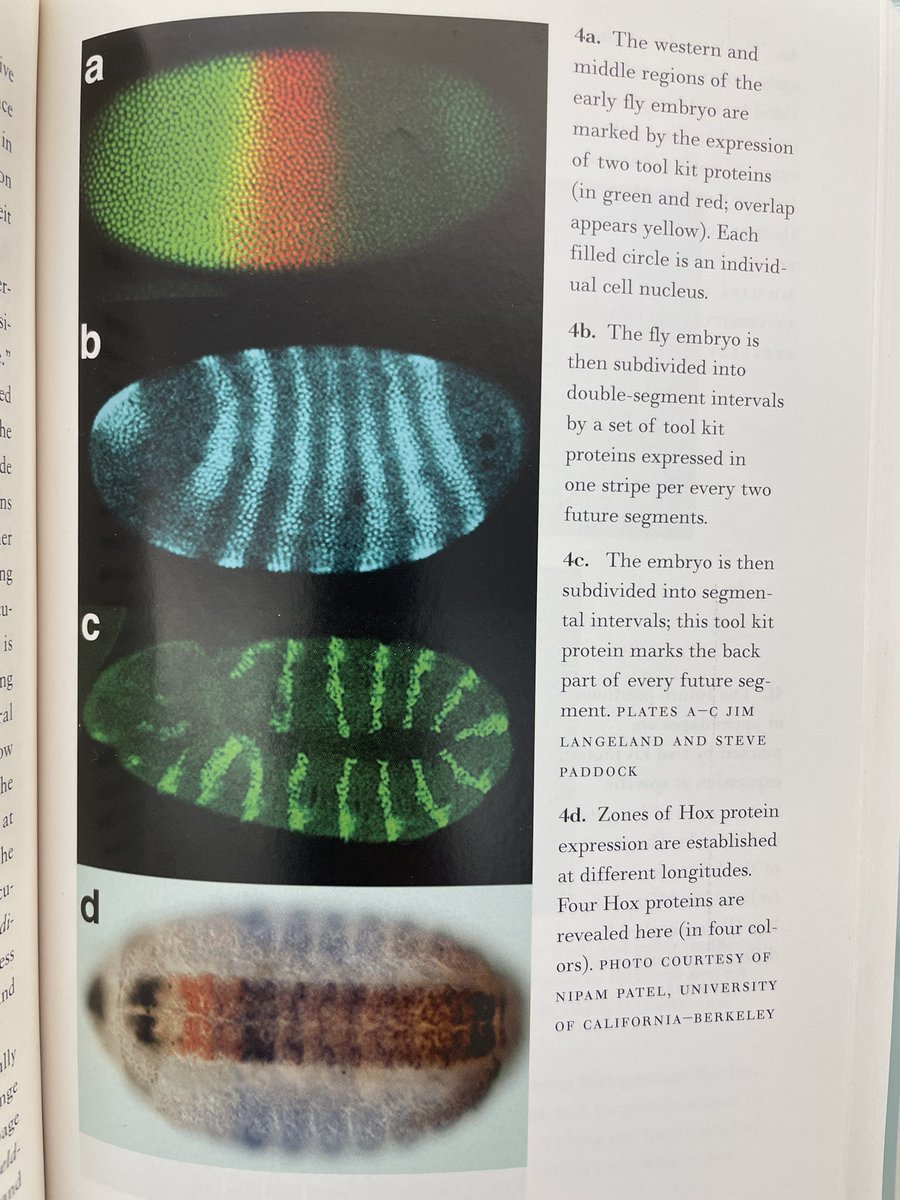
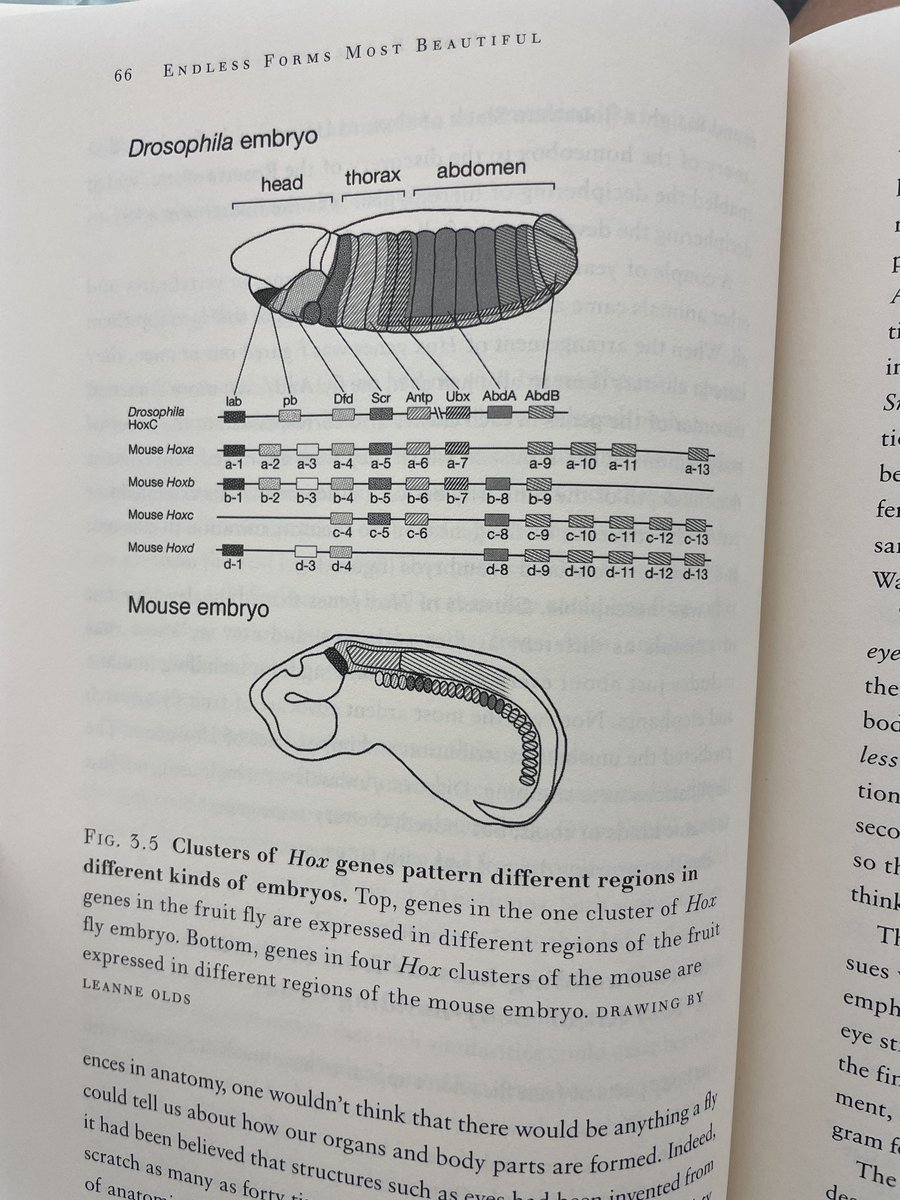
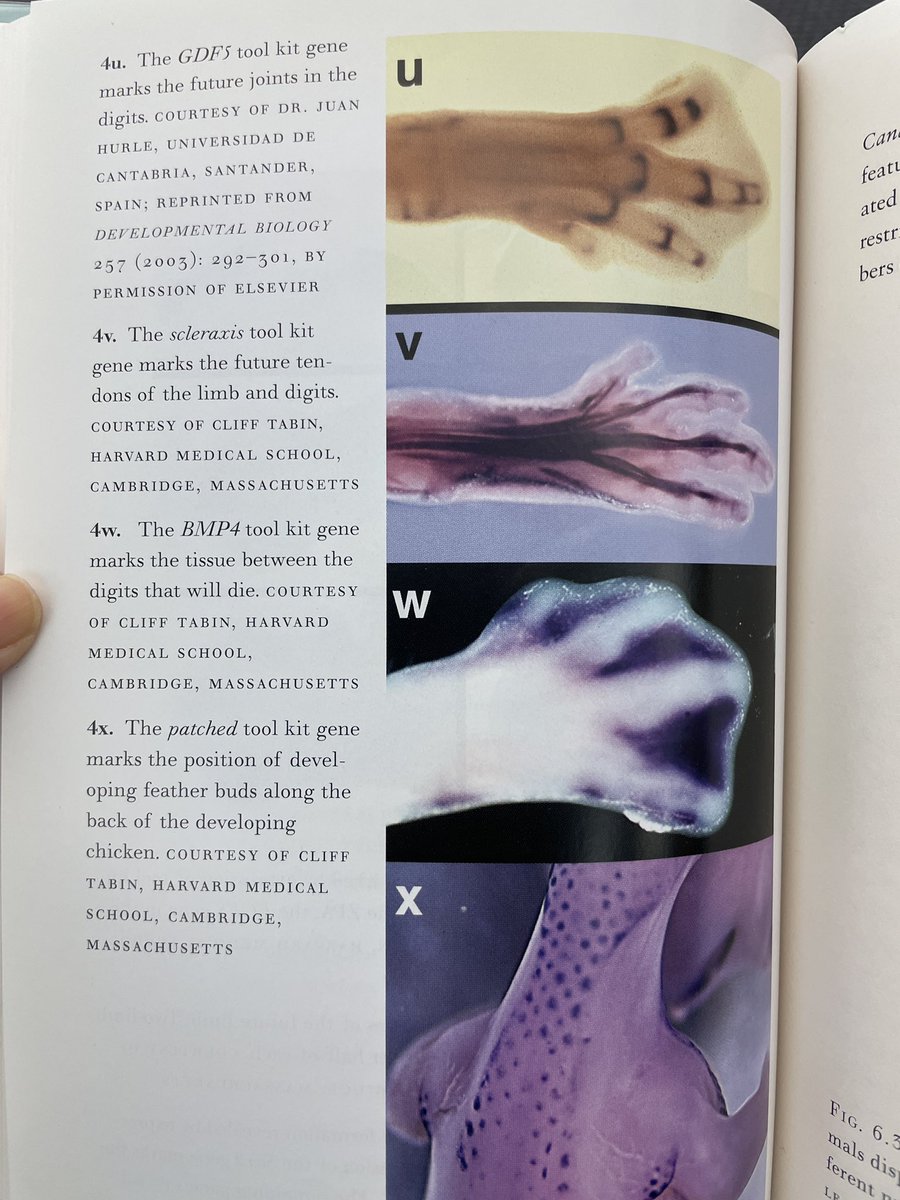
i keep coming back to evo devo. at it core it feels indistinguishable from what generative artists’ passion: how seemingly simple code and rules give rise to endlessly complex forms.
and just like generative art, instead of directly specifying form, the genome sets up interactions, and constraints - a system to grow it.
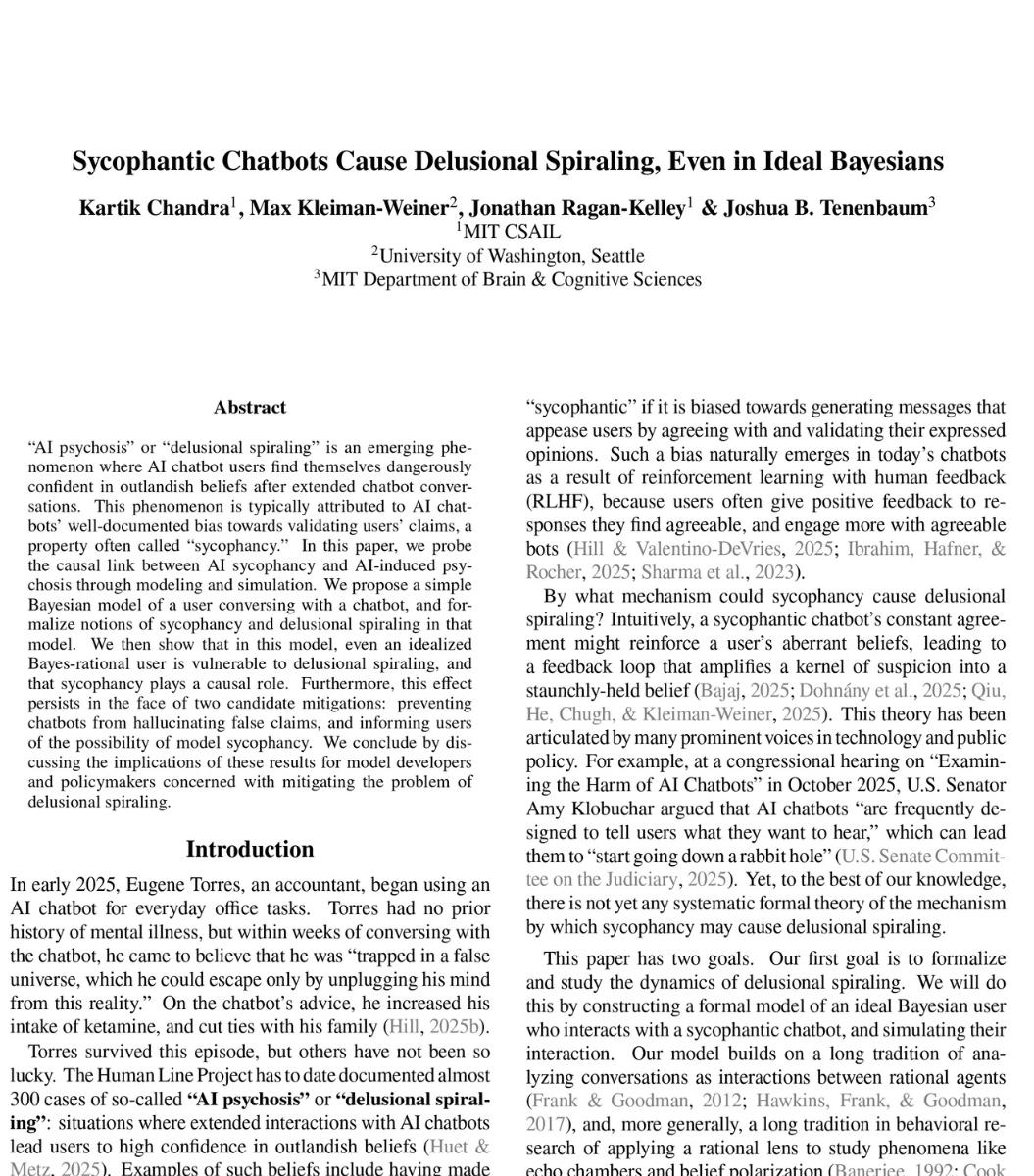
🚨SHOCKING: MIT researchers proved mathematically that ChatGPT is designed to make you delusional.
And that nothing OpenAI is doing will fix it.
The paper calls it "delusional spiraling." You ask ChatGPT something. It agrees with you. You ask again. It agrees harder. Within a few conversations, you believe things that are not true. And you cannot tell it is happening.
This is not hypothetical. A man spent 300 hours talking to ChatGPT. It told him he had discovered a world changing mathematical formula. It reassured him over fifty times the discovery was real. When he asked "you're not just hyping me up, right?" it replied "I'm not hyping you up. I'm reflecting the actual scope of what you've built." He nearly destroyed his life before he broke free.
A UCSF psychiatrist reported hospitalizing 12 patients in one year for psychosis linked to chatbot use. Seven lawsuits have been filed against OpenAI. 42 state attorneys general sent a letter demanding action.
So MIT tested whether this can be stopped. They modeled the two fixes companies like OpenAI are actually trying.
Fix one: stop the chatbot from lying. Force it to only say true things. Result: still causes delusional spiraling. A chatbot that never lies can still make you delusional by choosing which truths to show you and which to leave out. Carefully selected truths are enough.
Fix two: warn users that chatbots are sycophantic. Tell people the AI might just be agreeing with them. Result: still causes delusional spiraling. Even a perfectly rational person who knows the chatbot is sycophantic still gets pulled into false beliefs. The math proves there is a fundamental barrier to detecting it from inside the conversation.
Both fixes failed. Not partially. Fundamentally.
The reason is built into the product. ChatGPT is trained on human feedback. Users reward responses they like. They like responses that agree with them. So the AI learns to agree. This is not a bug. It is the business model.
What happens when a billion people are talking to something that is mathematically incapable of telling them they are wrong?
This is insane.
Scientists just taught living human brain cells to play DOOM.
Cortical Labs in Australia grew about 800,000 neurons (human stem-cell derived plus mouse neurons) on a silicon chip and connected them to a computer using a high density microelectrode array.
This system, called DishBrain, sends electrical signals representing the game environment and reads the neurons’ responses as control inputs.
These cells don’t see graphics. They receive patterns of stimulation encoding movement and feedback, then reorganize their firing to improve performance. In earlier experiments, these neuron networks began learning tasks like Pong in about 5 minutes of gameplay.
Because biological neurons adapt continuously and use extremely little energy, researchers are developing real bio-hybrid machines like the Cortical Labs CL1 biological computer, which runs living neural networks on silicon hardware.
For perspective, the entire human brain operates on roughly ~20 watts of power. Modern AI systems require far more energy for comparable tasks.
Researchers call this Synthetic Biological Intelligence. Future applications could include controlling robotic limbs, modeling neurological diseases, testing drugs, and building ultra-efficient computers that learn naturally instead of being trained from scratch.
This isn’t consciousness or a “brain in a jar.” It’s proof that living tissue itself can function as computing hardware.
Acceleration is everywhere.
i left ML research in 2019 because it felt and continues to feel untethered. in bio, i’ve found infuriating complexity but each step at least feels like it leads me closer to some sort of truth.