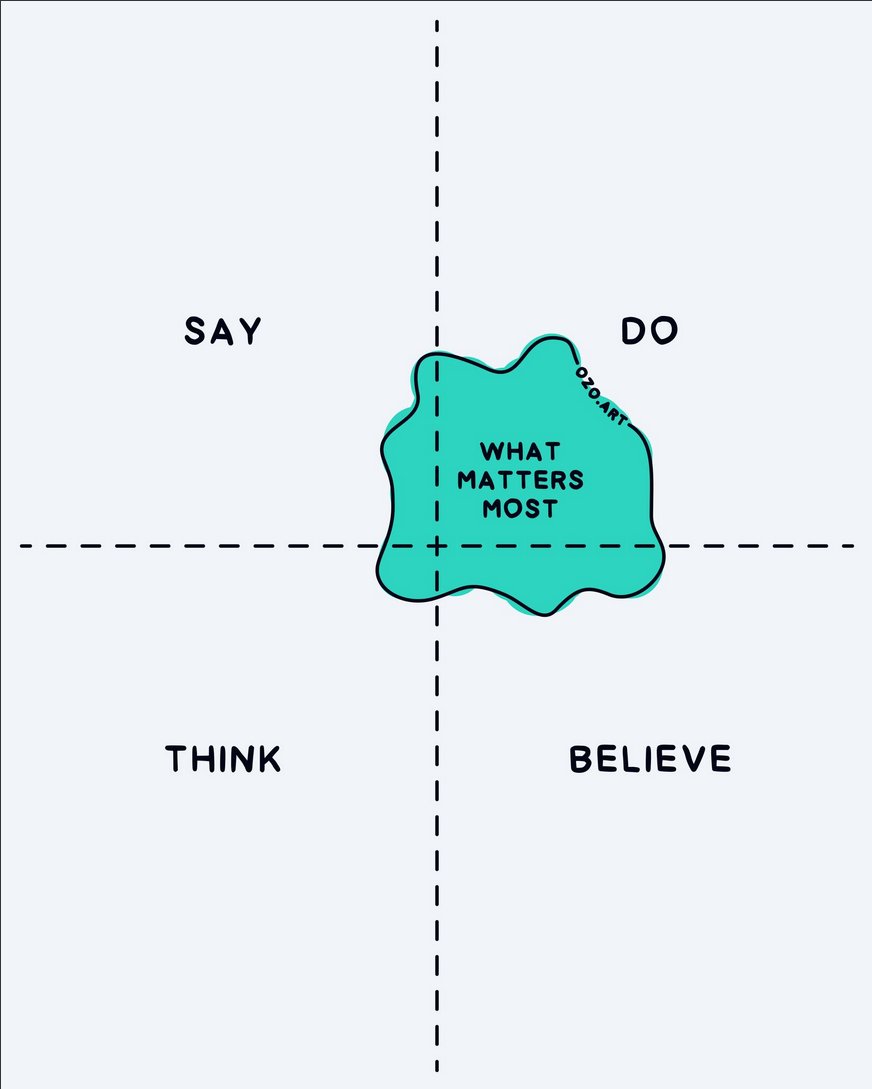
Friendliness isn't always a sign of trustworthiness. Warmth is easy to fake.
The foundations of trust are reliability and integrity. What counts isn't courtesy in the moment—it's keeping commitments over time.
The best way to inspire confidence is to consistently walk our talk.
Pressure isn't what breaks you—it's your preparation that decides everything.
Elite performers don't magically rise in clutch moments. They've trained their minds to stay locked in when others fall apart.
The science is clear: choking happens when your brain shifts from execution to evaluation. You start thinking about consequences instead of process.
Resisting this mental interference is completely trainable.
1. Master your physiology first
- Your nervous system betrays you under pressure
- Box breathing instantly resets your stress response
- Train in simulated pressure regularly
2. Control your attention ruthlessly
- Olympic data shows distractions kill performance, not skill breakdowns
- Ask "What's Important Now?" to snap back to present
- Create verbal resets that interrupt mental spirals
3. Reframe pressure as opportunity
- The clutch mindset sees pressure as a challenge, not a threat
- Research shows this single shift dramatically improves performance
- Set crystal-clear process goals, not vague outcomes
The greatest don't hope they'll perform—they've trained so they know they will.
Pressure is a privilege. You've earned the right to be in that moment.
Want to cut performance anxiety by 60% in just 14 days?
Here's a science-backed protocol I've used with athletes that actually works...
First, you need to understand that anxiety starts in the body.
When your heart races and muscles tense, it's nearly impossible to focus. Your nervous system is in fight-or-flight mode.
The solution begins with calming your body:
Days 1-5:
- Practice box breathing (4 counts in, hold 4, out 4, hold 4) for 5 minutes, twice daily.
- Do progressive muscle relaxation.
- Light exercise helps burn excess adrenaline.
Research shows controlled breathing alone reduced anxiety and improved focus in collegiate athletes.
Days 6-10: Train your attention to stay present.
Anxiety lives in the "what ifs" - What if I fail? What if I let the team down?
The antidote is focusing on "what now." LeBron James uses mindfulness regularly to stay focused during critical games.
Days 11-14: Reframe your thoughts.
Look at Roger Federer - early in his career, he struggled with self-doubt. By reframing negative thoughts, he became one of tennis's most mentally resilient players.
Key insight:
Most games you're anxious about don't actually matter that much. Not that they aren't important - but the odds of one game redefining your life are small.
This perspective helps you see the game for what it is rather than the threat it could be.
The process works because it addresses anxiety's three pillars:
- A dysregulated nervous system
- Scattered attention
- Negative thought patterns
Master these, and you'll step onto the field feeling calm, clear, and ready to perform.
Remember: Pre-game anxiety isn't your destiny. It's a solvable problem.
Start with 5 minutes of box breathing today. Stay consistent for 14 days. Watch your game transform.
Elite performance is 90% mental.
After studying 100+ professional and olympic athletes, I found they all face the same barriers: self-doubt, anxiety, and more.
The difference between champions and everyone else isn't talent - it's their ability to master their mind.
"Excellence is never an accident. It is always the result of high intention, sincere effort, and intelligent execution." - Aristotle
An excellent business, or marriage - takes deliberate effort.
When you want something to be better in life,
Choose to be excellent yourself.
5 high performance hacks you can do this weekend to be better by next Monday:
• Sleep 8 hours a night
• Get 60 mins of exercise
• 10+ mins of mindfulness
• Spend 30 minutes outside
• Write down your plan for next week
The only real performance hacks aren’t hacks at all.
3 mindset strategies all world-class athletes have:
1. Process goals
2. Imagery for performance
3. Control of their self-talk
Any of these can (and should) be developed by athletes at every level.
These are skills you’ll need to win on the field and in life.
One degree is the difference between ice and water 🧊 💧
Imagine the slightest degree of differences in High Performance
Those differences are our habits, sleep, recovery, intent, daily decisions, gratitude, and our circle
3 daily habits to build a growth mindset
1. Progress > Perfection
Make note of the places you move forward, versus the things you complete.
Of course getting stuff done matters - but learning to celebrate progress will help you enjoy the process more.
2. Practice persistence
In the gym, at work, or at home, practice going a little further than you anticipated. Pushing yourself a little bit more and being persistent will alter the way you value effort.
3. Use self-talk that’s focused on mastery
The best strategy you can develop is to talk to yourself (and others) about getting better - and having evidence to back it up.
Working toward mastery and learning to appreciate your growth will make that mindset more meaningful to you.
Learning and mental stimulation may also encourage an increase in myelin, as well as support the maintenance of existing myelin.
In other words, staying mentally active and continuously learning new things can help preserve and enhance cognitive function in the aging brain.
Learning and engaging in cognitive activities can have a positive impact on the aging brain.
When you learn new things or engage in mentally stimulating activities, it can promote the formation of new connections between nerve cells, a process known as neuroplasticity.