Our designer Erica built a cool ASCII art generator (we are going to be using this in @warpdotdev...).
Good example of just building a tool when you need it -- what I think of as just-in-time software.
Code is here https://t.co/On0i3eYfmG
The way we land open-source features at @warpdotdev is pretty unique.
Alongside code and issue discussions, we check in TECH[md] and PRODUCT[md] specs for every feature that lands.
Here's how the full planning and implementation flow works:
You can now run any CLI agent with first-class support in Warp, including Claude Code, Codex, OpenCode and Gemini CLI.
• Vertical tabs
• Notifications when they need you
• Integrated code review
• Remote control from mobile
• Rich input editor
Download Warp for free today.
We were tired of manually writing git commits for @linear issues. So I built a @raycast extension.
Simply copy the Linear issue ID → hit your hotkey → paste the commit message.
That's it!
Why build it?
We love how you can link Git commits to @linear issues. However, doing this while also following other best practices (like Conventional Commits) made writing commit messages painful.
For example, for a Linear issue with ID 'ENG-123' and title 'Some bug', we'd have to:
1. Type the commit type ('fix')
2. Copy the Linear issue ID from Linear
3. Paste it with 'closes' (or some other magic word) → 'fix(closes ENG-123):'
4. Copy the Linear issue title from Linear
5. Paste it → 'fix(closes ENG-123): Some bug'
6. Lowercase the first letter → 'fix(closes ENG-123): some bug'
We'd bounce between Linear and Terminal 3+ times, copying/pasting/editing until we got it right.
The team was rightfully complaining that the process was annoying. We even considered changing how we name Linear issues to minimize the number of edits.
That's why I built the @raycast extension!
Behind the scenes, the extension fetches the Linear issue with the specified ID using Linear's API and constructs the full commit command. The conventional commit type ('fix', 'chore', 'docs', etc.) is inferred from the Linear issue label.
The extension is private to the @openlayerco org, because it follows our commit message formatting, but hopefully you can build your own version of this!
Say hello to Emmett Nelson, Openlayer’s newest Account Exec! From AWS to Metaplane to Openlayer, he’s seen it all in AI/ML sales.
Why he joined, how he stays sharp, and his favorite 2025 photo 👇https://t.co/yXBX7xPunZ
At #DataAISummit, teams echoed the same concern:
Hallucinations, chain failures, degraded prompts, LLMs in prod are breaking without visibility.
Openlayer helps you catch it before it hits users.
🔗 https://t.co/6XJ5t6pntI
It’s Friday.
Your pipeline says it’s “fine.”
Your model says it “should work.”
Your LLM is feeling ✨creative✨
Openlayer helps you trust what you ship, before it bites back.
🔗https://t.co/fQ5rOjDFZn
📍We’re at the Databricks Data + AI Summit next week, come find us at Lounge F624!
🔥 swag and real talk on making GenAI & ML apps reliable and production-ready.
DM us or email [email protected] to connect.
#DataAISummit
We’re heading to @databricks#DataAISummit (June 9–12)! We’ll be on-site all week connecting with teams building GenAI & ensuring their AI systems are reliable + prod-ready. Booth info drops May 30. Swag? 🔥
@jpmorgan nailed it: AI speed without safeguards = big risks. Openlayer helps teams deploy AI safely—with governance, explainability, and evaluation.#AIgovernance#ExplainableAI#ModelSecurity
https://t.co/3fLTETcY2K
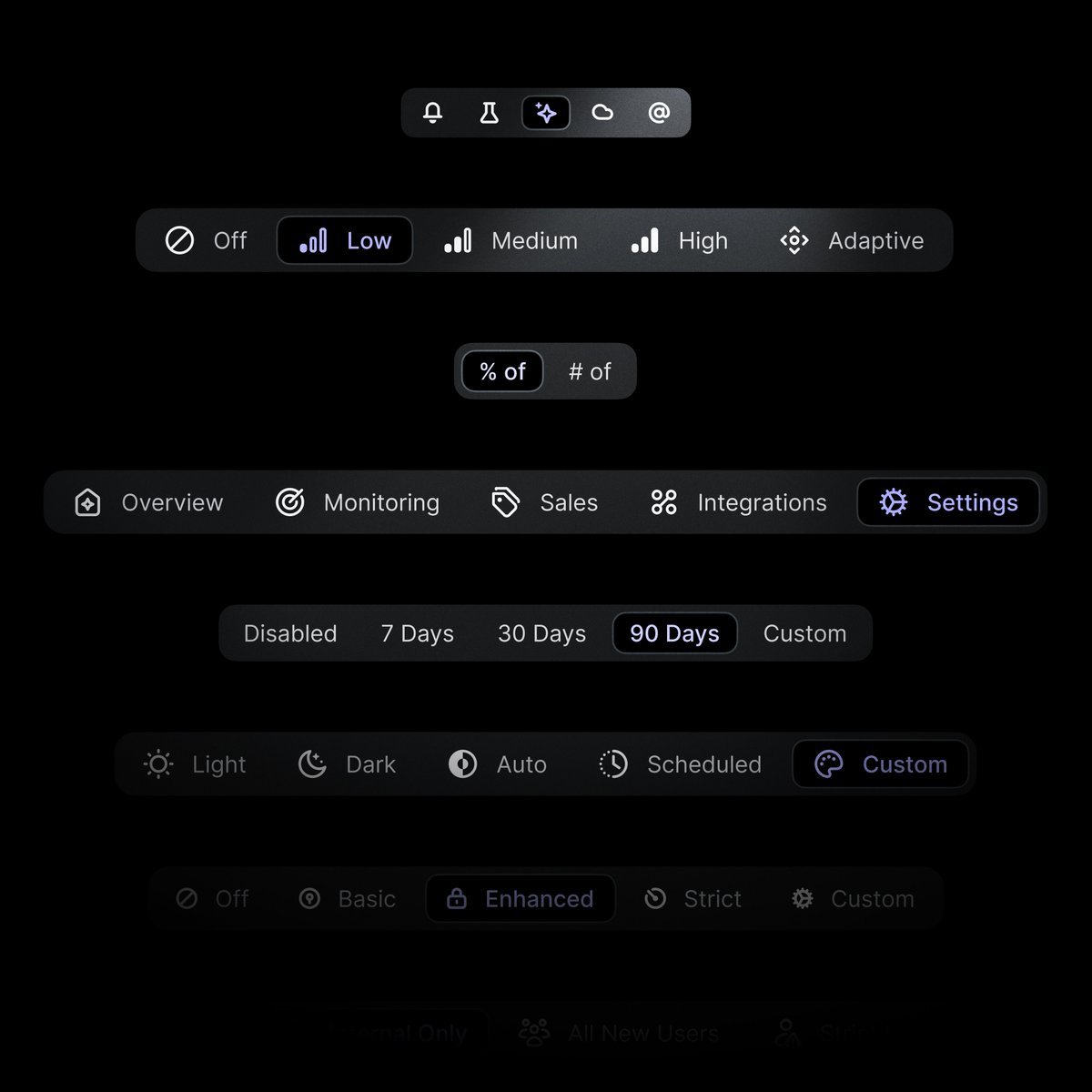
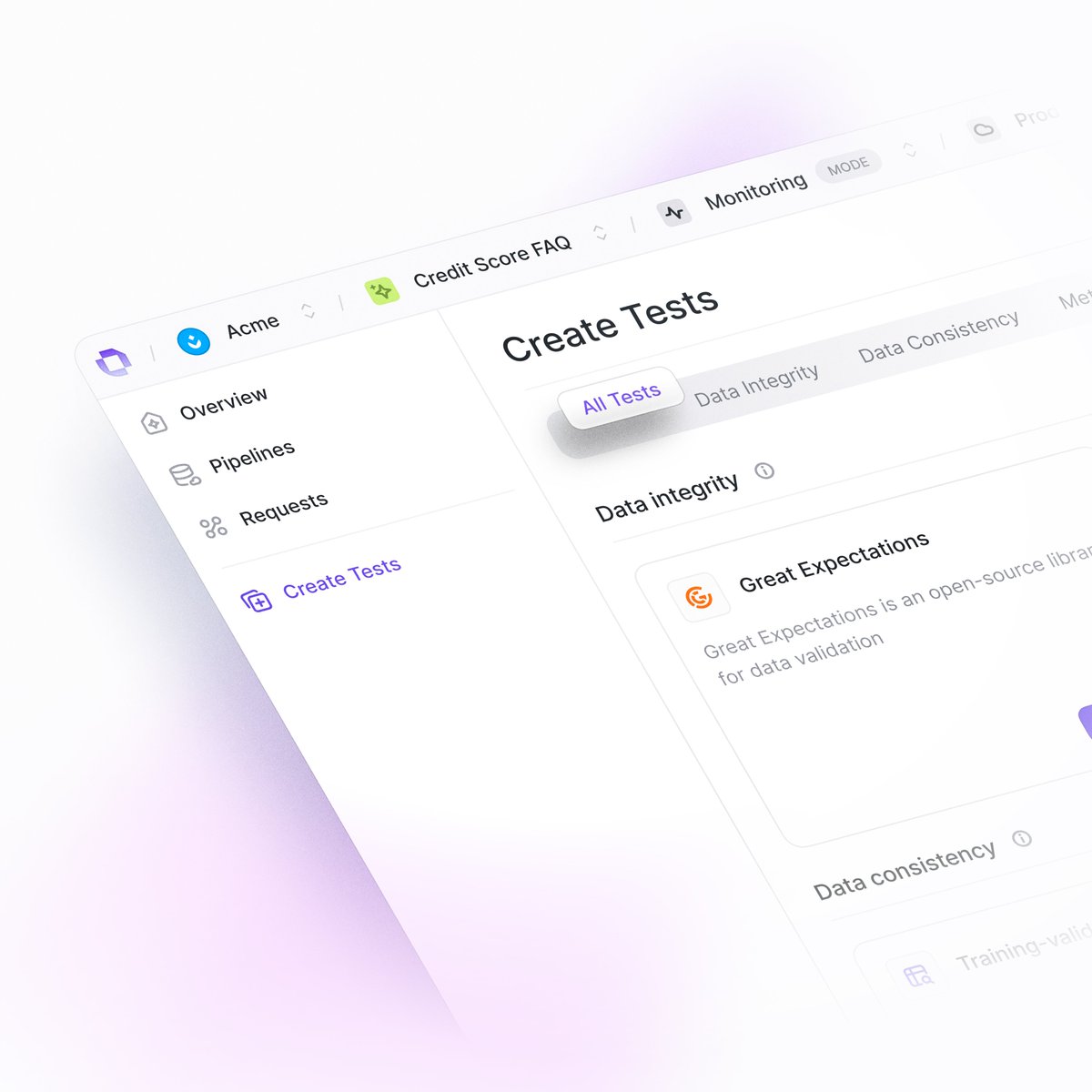
1. building truly exceptional UI requires intense dedication and attention to detail
that means every design we create gets thoroughly reviewed by everyone on the team and a pool of customers and trusted advisors who are domain experts
we don't ship those designs until they're pixel perfect, and I mean truly exact to the level of detail the talented @ericaoutput and @vitorviesi specify