@tangled_zans@arntzenius@_julesh_ @bgavran3 @andre_videla There's also "Categories of Containers" by Ghani, Altenkirch & Abbott. It has some nice pictures. https://t.co/PC2jmHM8go
@WikstromJoel@chrislpenner@statebox@csaba_hruska Generally speaking, the Statebox mon. cat. editor just gives you a free structure (i.e. a mon. cat. morphism repr'd in JSON or Hs) independent of any specific domain, which you can interpret in whatever context you like by providing your own generators (boxes/arrows/morphisms).
@WikstromJoel@chrislpenner This is exactly the kind of diagrams you can do with the @statebox editor. They can be exported to Haskell Arrows or JSON. Let me throw in a good example I found on twitter. 🤓
https://t.co/lMcCis9V8h
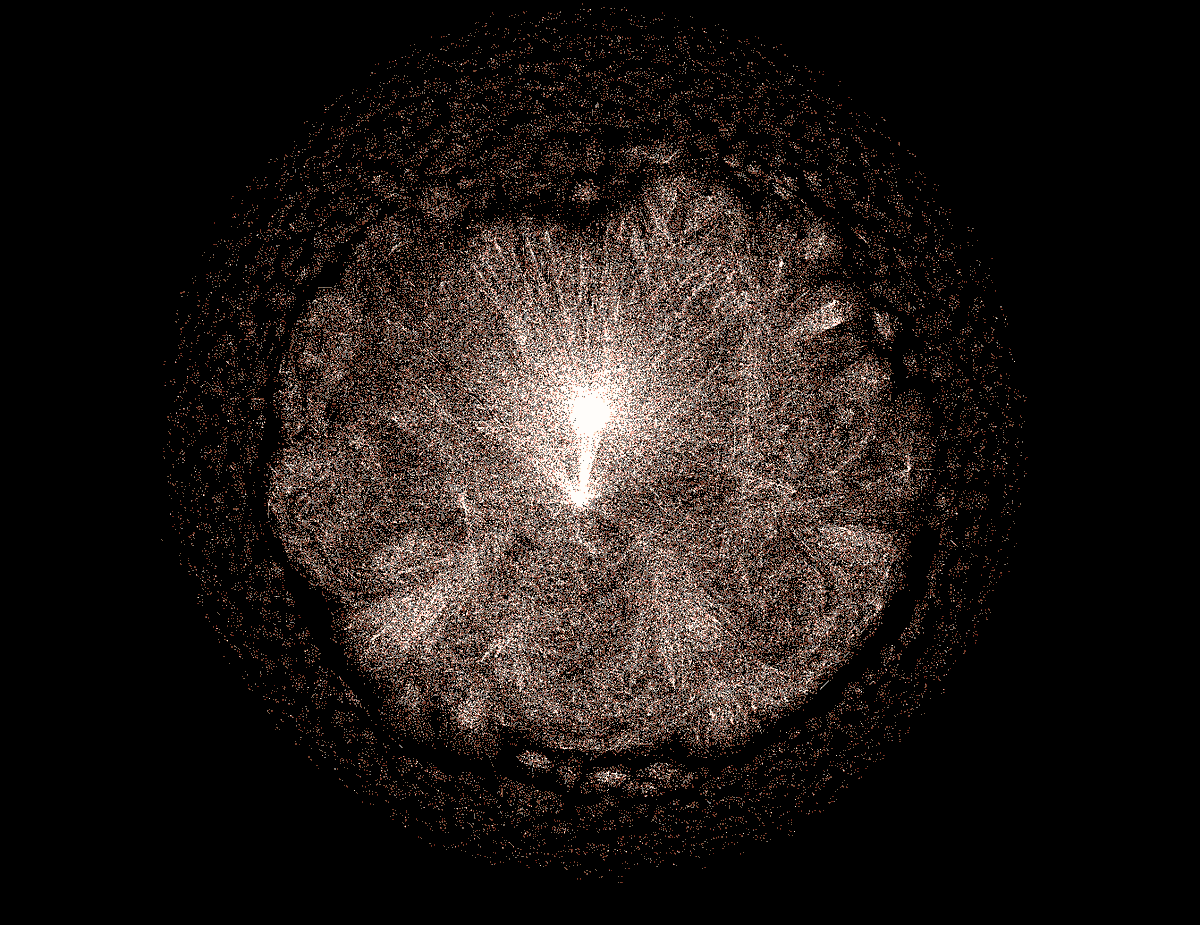
My first visualization of the retainer graph of a Haskell program's live heap.
(I used the external STG interpreter to export the interpreted program's live heap data)
@tilde_cs If you're ok with emacs, org-mode has some amazing table functionality courtesy of org-table. It also has good interop with all manner of things. Pandoc speaks org-mode too, and there are some packages to deal with Jupyter, which I haven't tried yet.
Goedenavond @coecke, is there some online place where we might follow your educational efforts along the lines of Kindergarten Quantum Mechanics, if any of that is ongoing? (Apart from arxiv I mean.)