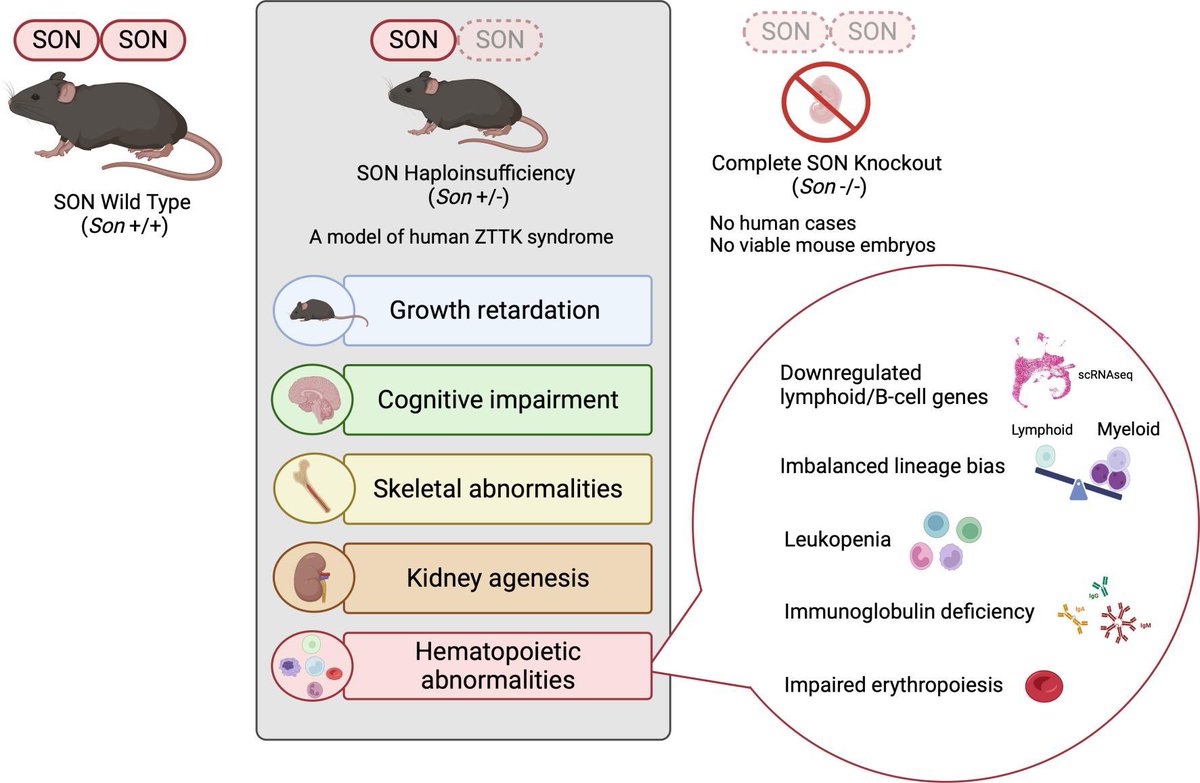
It's been almost 12 years since we started our efforts to generate Son KO mice, which had tons of obstacles. Finally, sharing our publication on the first Son+/- mouse model!😃 Hope this model can contribute to ZTTK syndrome research and SON biology! https://t.co/kQUW6mQZAP
Can’t make it to #ASH25, but our grad student Saeed Zakakhosravi will present Poster #3157 on Sunday, Dec 7!
Come learn how SON deficiency alters hematopoietic lineage fate and disrupts lymphoid development in ZTTK syndrome; Our passion for hematopoiesis & ZTTK syndrome research!
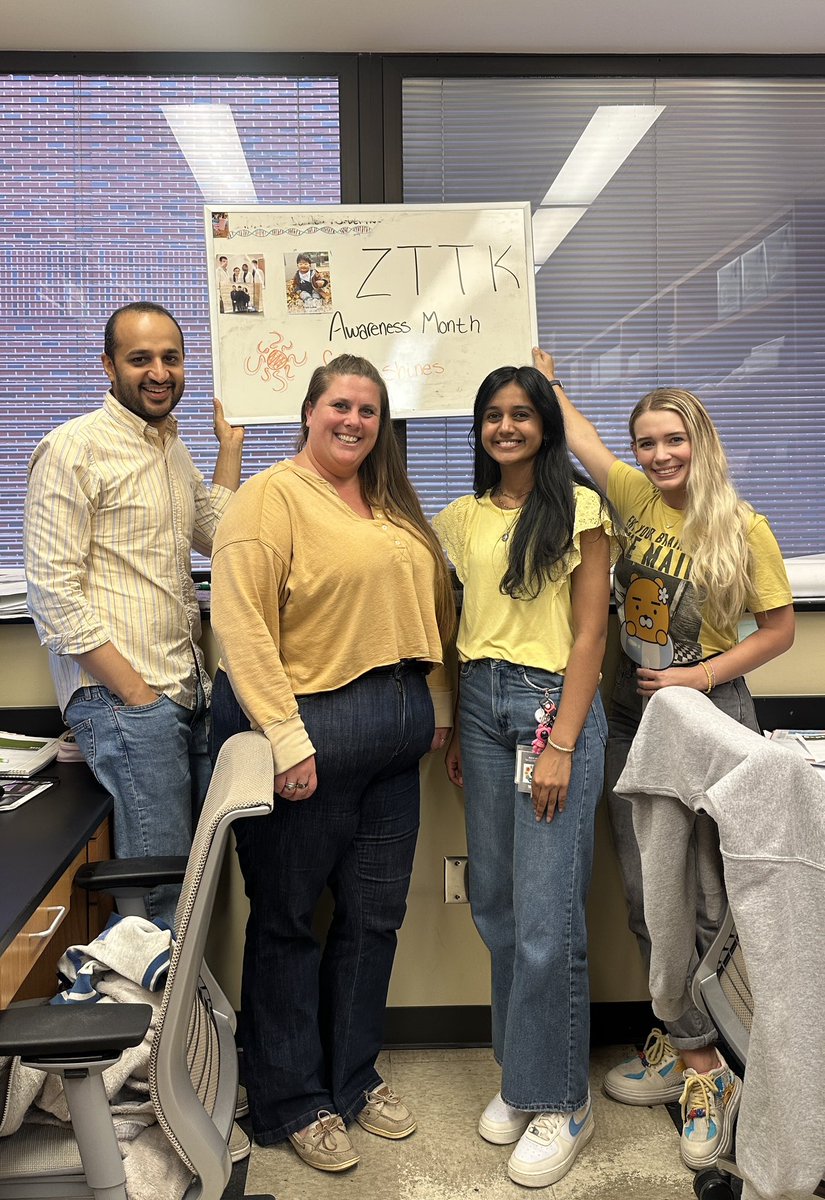
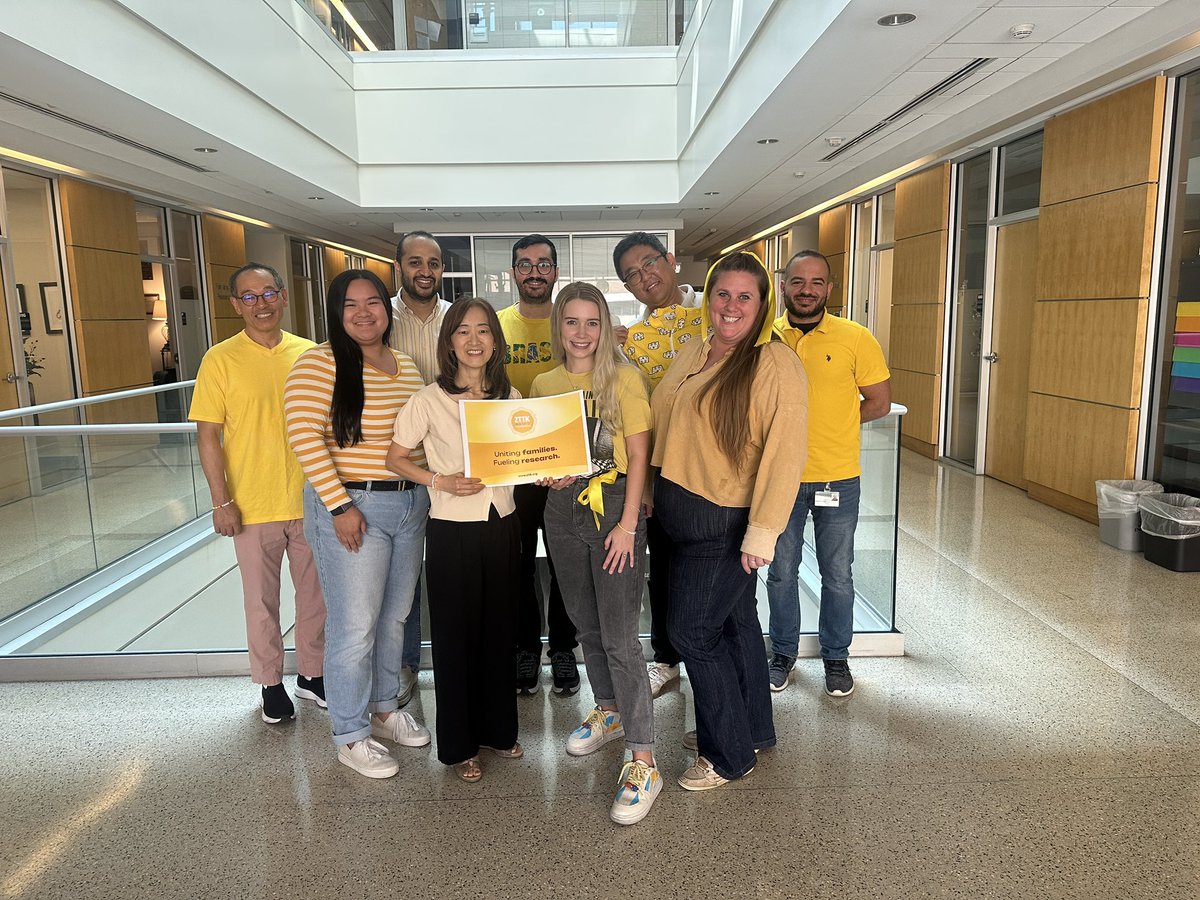
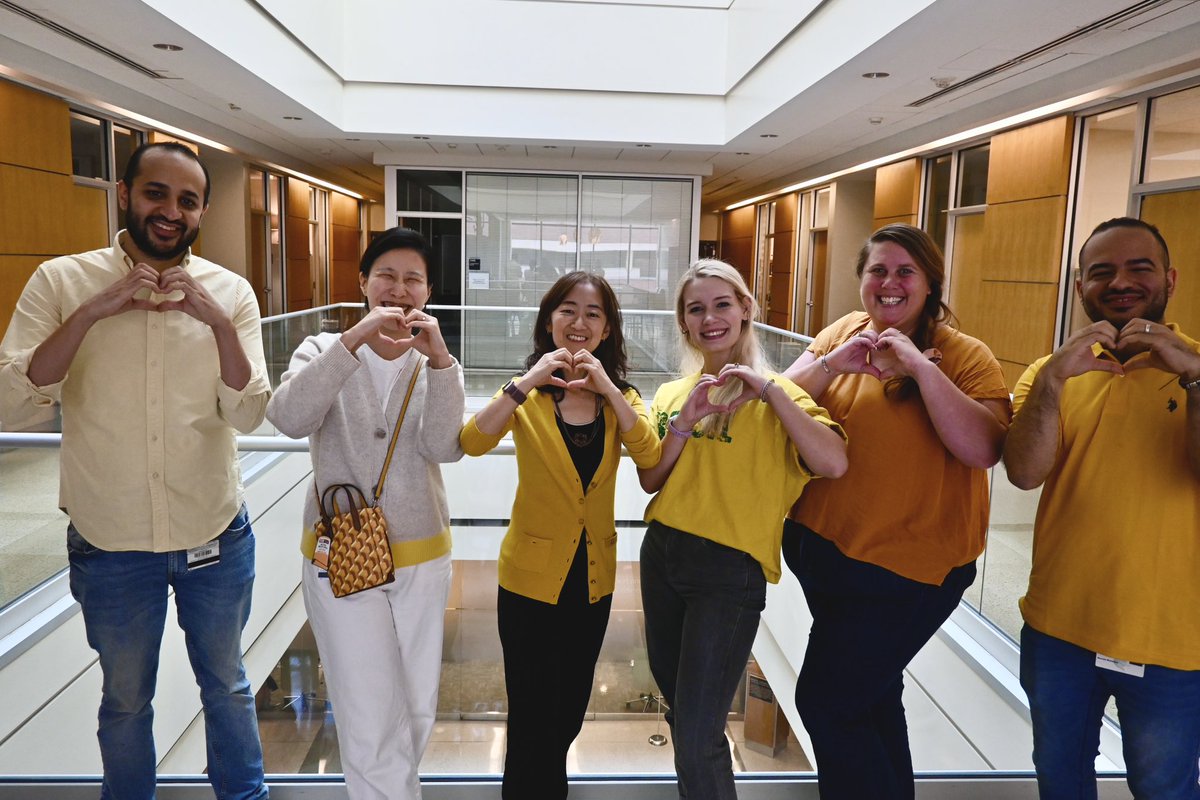
💛 The Ahn Lab proudly wore yellow for #ZTTKAwareness Month!
We stand with the ZTTK SON-Shine Foundation & the ZTTK community - raising awareness, advocating, & working to improve lives of our SON-Shines! ☀️
Join us: https://t.co/sQacZjW7GV | Donate: https://t.co/l7tx9l65Y2
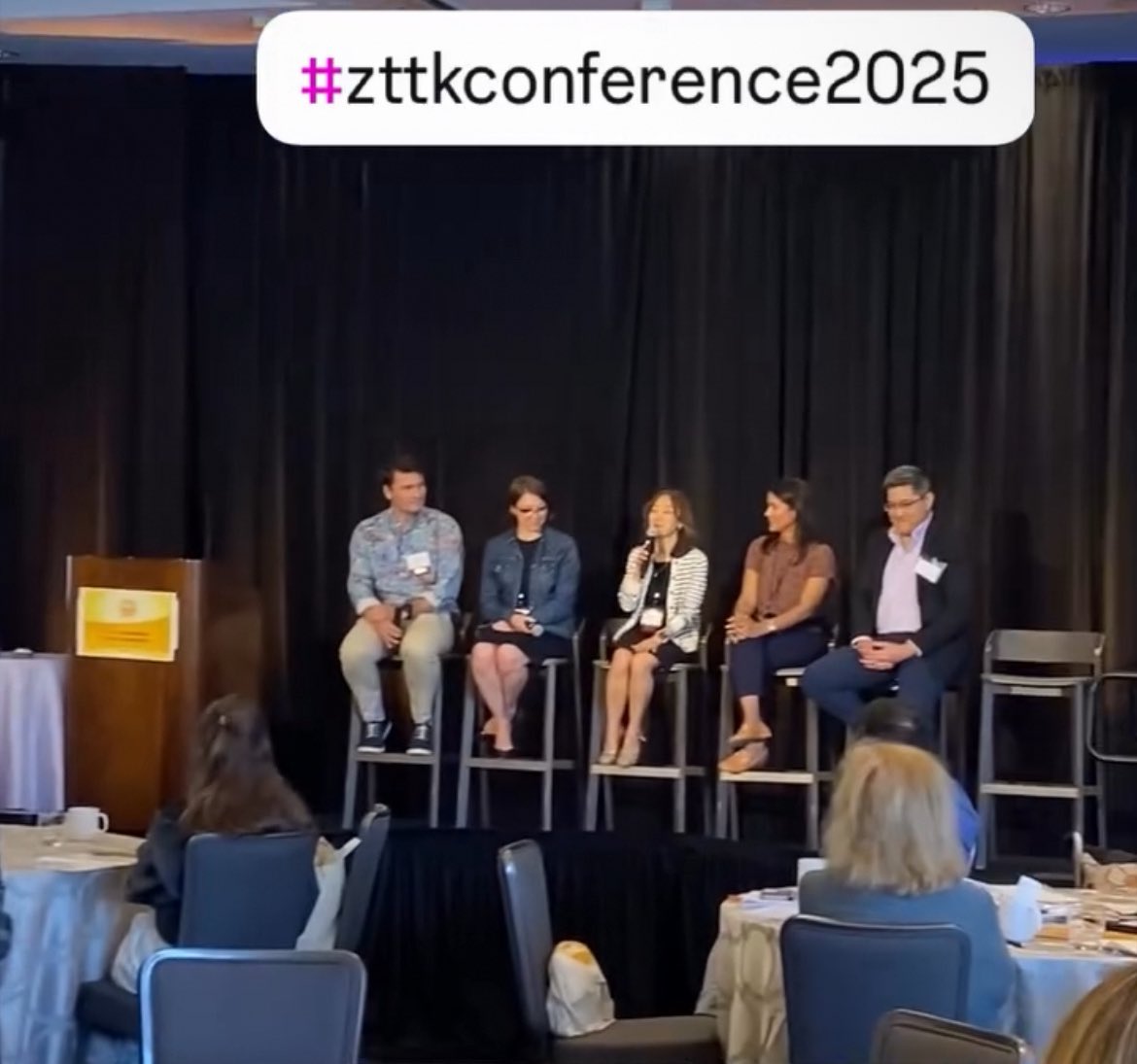
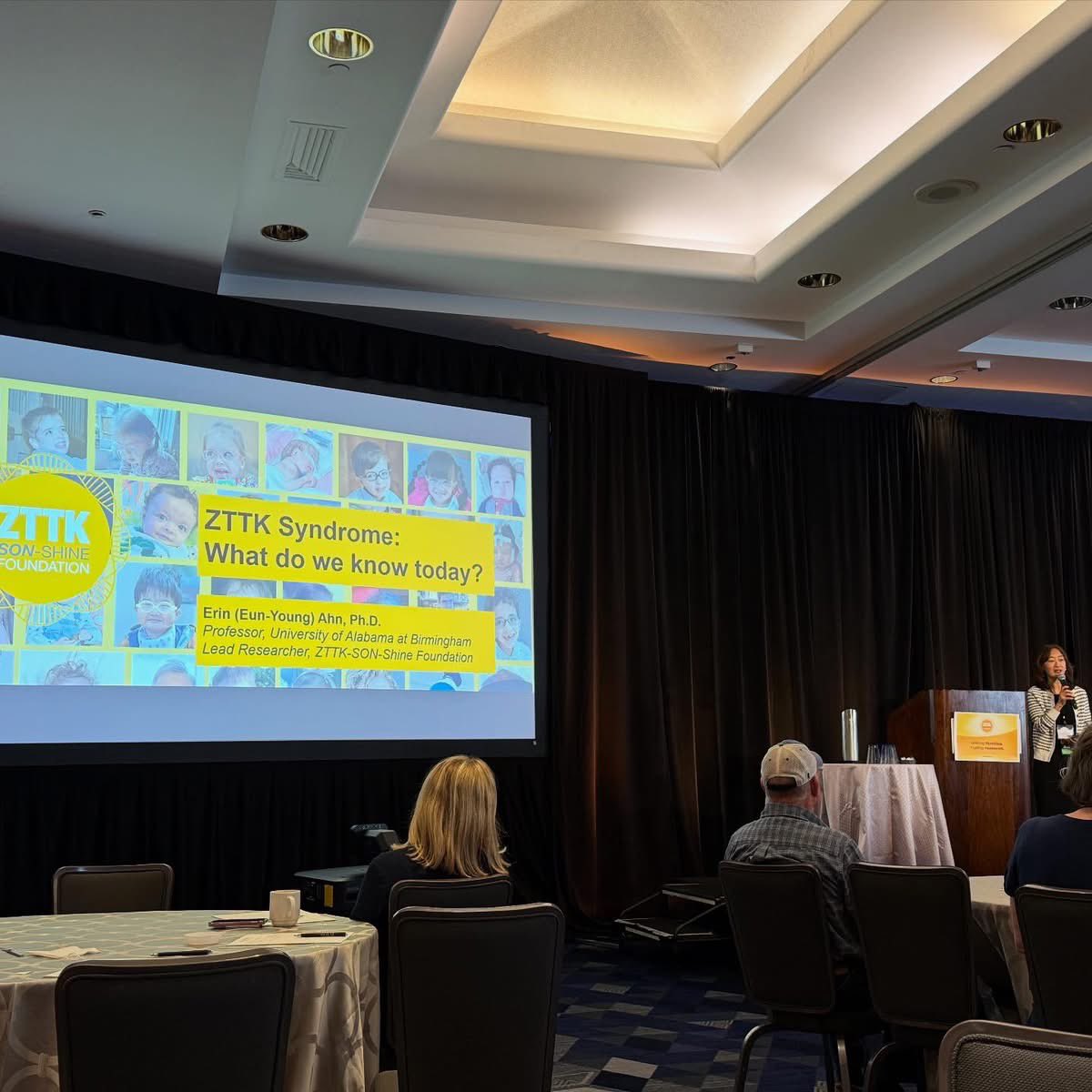
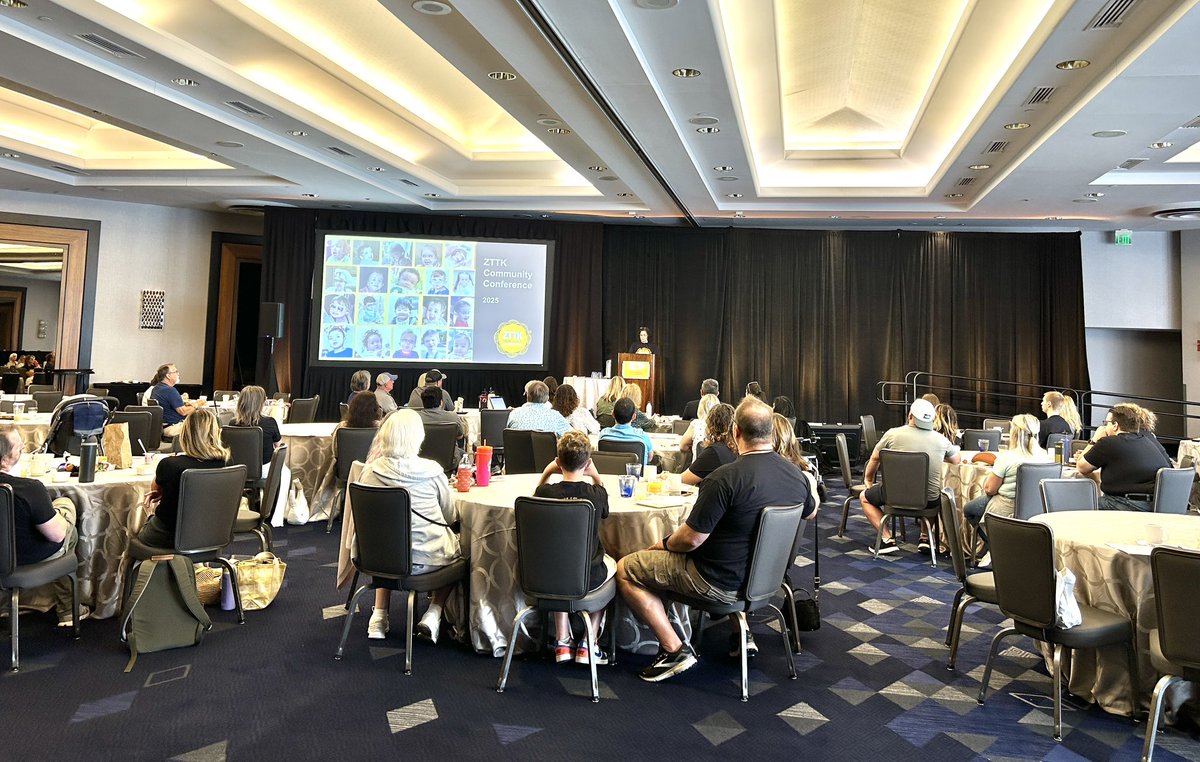
The inaugural ZTTK Community Conference = 💯 success!
Inspired by the SON-Shine Families from around the world whose courage & love drive my work and brighten my heart. ❤️ Honored to serve the ZTTK community. Together we build hope & progress! 💛 Huge thanks to @czi@cziscience.
Today is #RareDiseaseDay. As a Lead Researcher of the ZTTK SON-Shine Foundation (https://t.co/sQacZjWFwt), I see firsthand the strength of rare disease families. Research is more than data - it’s a lifeline. We won’t stop moving forward to bring life-changing therapies closer! 💛
💜🌍 Today is Rare Disease Day! 🌍💜
Together, we stand with the 300 million people worldwide living with rare diseases. In uniting on this day we can raise awareness, advocate for change, and promote a more equitable future! ⚖️
Learn more: https://t.co/AUKfGZJLJB
💜🌍 Today is Rare Disease Day! 🌍💜
Together, we stand with the 300 million people worldwide living with rare diseases. In uniting on this day we can raise awareness, advocate for change, and promote a more equitable future! ⚖️
Learn more: https://t.co/AUKfGZJLJB
Every year, the @BCRFAlabama helps the UAB O’Neal Comprehensive Cancer Center in our on-going battle against cancer. In 2024, it raised $440,000 for cutting-edge breast cancer research! Read more here: https://t.co/7KltsLnltq
Thrilled to share that the ZTTK SON-Shine Foundation has been selected to receive the CZI grant from @ChanZuckerberg@czi@cziscience !! Honored to work with dedicated and passionate parents to make a real difference! ☀️ https://t.co/Mwx85IfqZs #ZTTKsyndrome#CureZTTK
We’re excited to announce that 31 new patient-led rare disease organizations are joining our #RareAsOne Network. We look forward to connecting, collaborating + driving progress together.
Meet the grantees & learn more about our #RareDisease funding https://t.co/gUheBKh5Qz
So excited that our foundation has been selected to receive an $800,000 grant from @ChanZuckerberg@cziscience Rare as One project! This will help us accelerate our research and community outreach efforts! #CureZTTK#ZTTKSyndrome Learn more: https://t.co/myp0zE9dOx
Positions are now open for this cycle, in the areas of CANCER BIOLOGY & IMMUNOLOGY
CANCER CONTROL & POPULATION SCIENCES
EXPERIMENTAL THERAPEUTICS and
NEURO-ONCOLOGY please RT https://t.co/aIgwSLQNl0 @ONealCancerUAB@UABHeersink#academia
It was wonderful to have Julien Courchet @JCourchet and Martijn Kerkhofs here and spend time together discussing tons of sciences! Thank you so much for visiting us. The Lyon chocolate is absolutely the best!
It's been almost 12 years since we started our efforts to generate Son KO mice, which had tons of obstacles. Finally, sharing our publication on the first Son+/- mouse model!😃 Hope this model can contribute to ZTTK syndrome research and SON biology! https://t.co/kQUW6mQZAP
Thrilled to share our latest review on translational adaptation in breast cancer metastasis and the promising therapeutic opportunities it unveils! Immense thanks to @genophoria and @a_navickas !
A pleasant surprise to start the day! Our article on TEQUILA-seq, a versatile and low-cost method for targeted long-read RNA sequencing, has made it into @NatureComms's Top 25 life and biological sciences articles of 2023! #NCOMTop25@CHOP_Research https://t.co/qs42QjcXFg
Researchers identified a genetic change shared by humans and other apes that might have contributed to their ancestors’ tail loss, some 25 million years ago https://t.co/vditHfaVhX