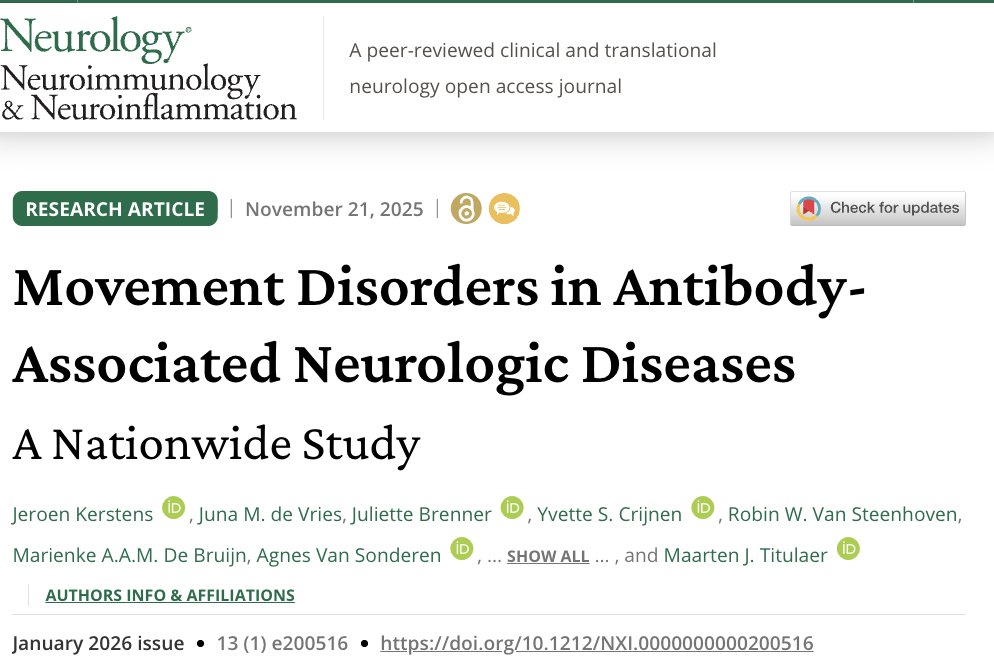
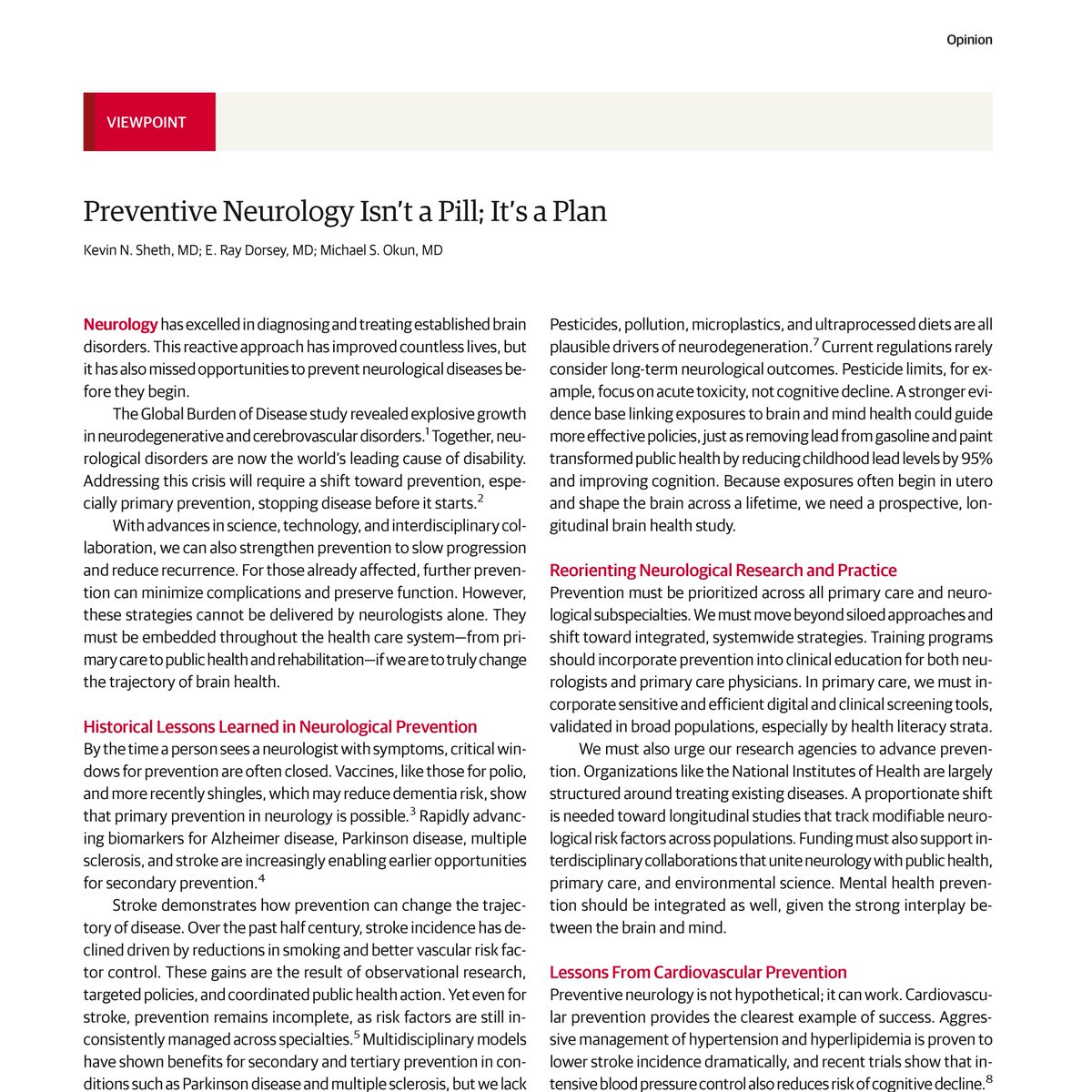
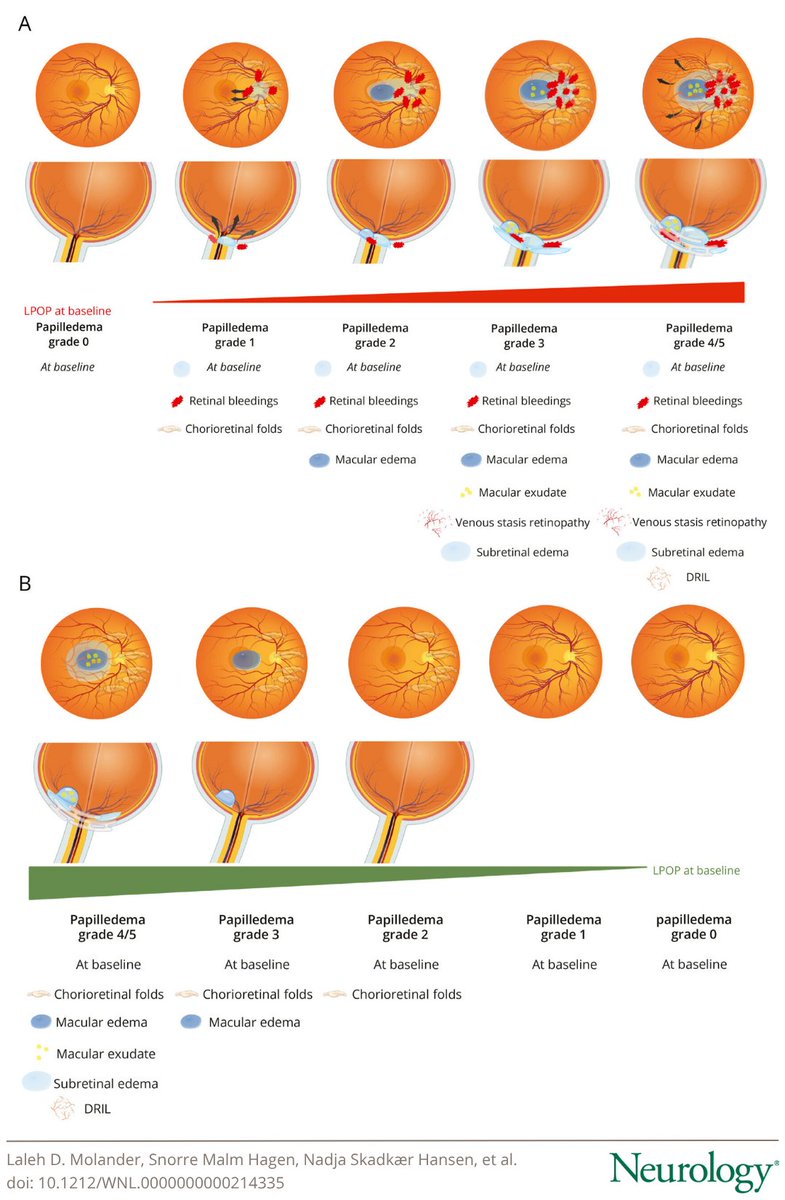
Is these tics or epilepsy (seizures)?
The videos show several folks in a nice paper by Morano and colleagues @MDCP_Journal who have faciobrachial dystonic seizures (FBDS).
Key points:
- Manifestation of anti‐leucine‐rich glioma‐inactivated 1 (LGI1) encephalitis.
- Debate: epileptic seizures vs. paroxysmal movement disorders.
- Debate: cortical vs. subcortical.
- Typical FBDS sudden, brief, lateralized tonic contractions involving upper limb and the ipsilateral face and less frequently, the leg.
- Can be hand dystonia.
- Can be unilateral, bilateral asynchronous, or alternating.
- Mostly aware but may have loss of awareness.
- Violent and jerky can bring in trunk and lower limbs and lead to traumatic falls.
- May have basal ganglia hypermetabolism on PET.
- Epileptic nature: stereotyped appearance and the possible impairment of awareness, and neurophysiological evidence.
- Cortical myoclonic jerks superimposed to tonic spasms may occur.
- EEG: slow activity preceding FBDS by less than one second, maximal over the contralateral mid frontal regions, has been consistently documented.
- Could it be a wider cortico‐subcortical network?
My take: The separation of tics from seizures/epilepsy is trickier than one may think and maybe in a generation or two we will understand the physiology and possibly even remove or refine labels.
https://t.co/QMabqJ6FQ5
Do you know when your cerebral vessels develop? Here's an excellent graphic from Arrighi et al. summarizing the timeline of #CircleOfWillis maturation in children. Read now @NeurosurgeryCNS.
🔗: https://t.co/el8CYNewqA
Tackling a 92-page #delirium guideline can be daunting: https://t.co/HHxykJhgkx
Well, now there's a 6-page clinically focused review!
https://t.co/PprDO4TUBS
42F with drug-refractory b/l independent hippocampal onset seizures on stereoEEG undergoes bilateral hippocampal (RHip + LHip) RNS implantation. EcOG for a habitual seizure is shown below. Click to view your options and review the explanation
https://t.co/BhEHVpajc1
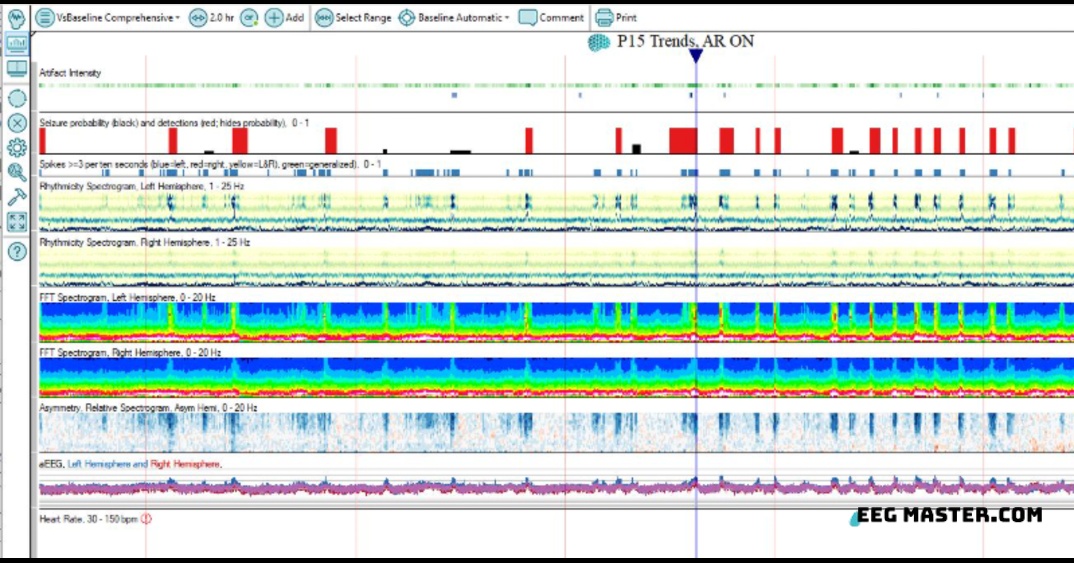
What's the best diagnosis based on the following 2hr QEEG epoch?
A) Absence seizures
B) R focal SE
C) L focal SE
D) L lateralized PD
https://t.co/oAiZXKzQCX
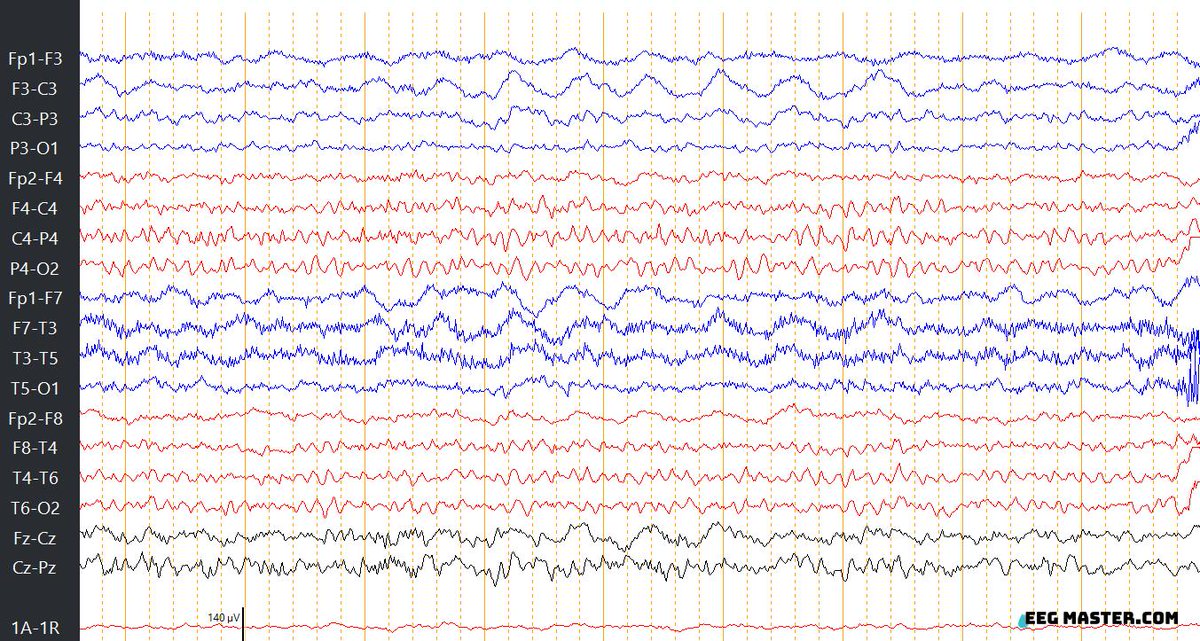
44 male with left frontoparietal glioblastoma develops worsening aphasia. cEEG demonstrates the following. What is the best description of this EEG finding.
GRDA | LRDA | LPDs | Seizure | Artifact
Answer and read the explanation by clicking here.
https://t.co/PrxYptQRLF
Clinical, radiologic, and pathologic associations of executive dysfunction in children with focal cortical dysplasia–related epilepsy https://t.co/ftdJRfin1K


![ClinicalNeuroph's tweet photo. [Epilepsy] Zhang et al.: "For all patients, PET/MRI showed the highest sensitivity for localizing the epileptogenic zone." https://t.co/DUZR4HGW51 https://t.co/rOo5iDR4bh](https://pbs.twimg.com/media/G_gxrFgXcAALFJn.jpg)




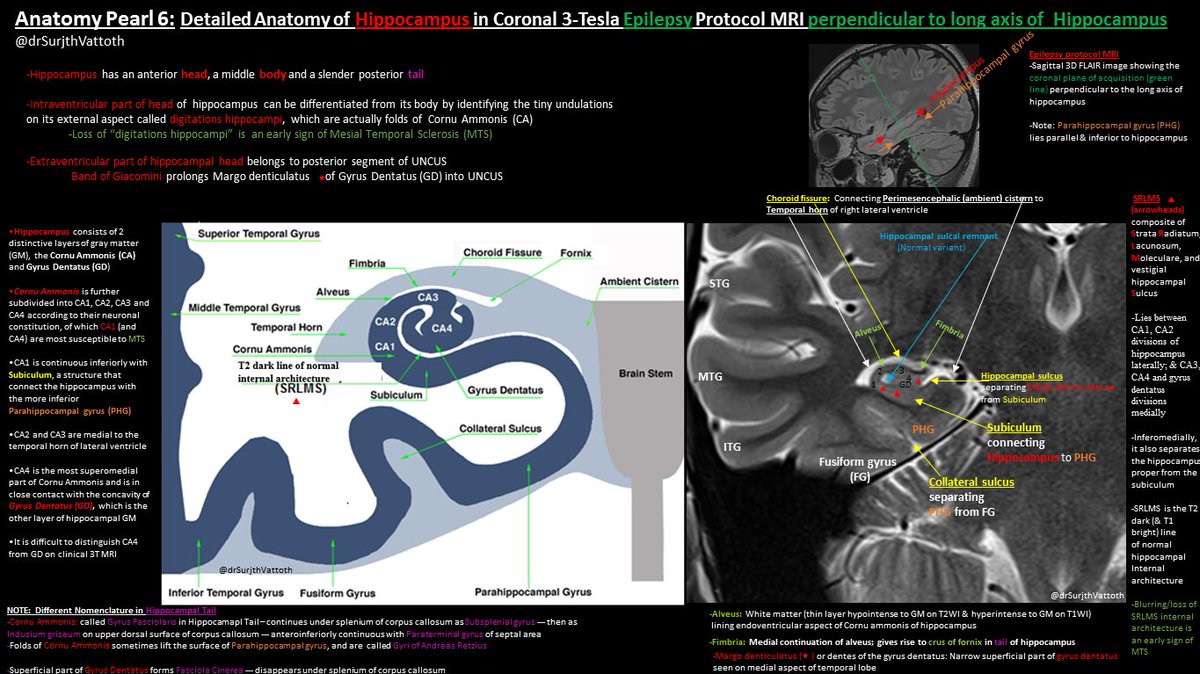



![ClinicalNeuroph's tweet photo. [Epilepsy] Zhang et al.: "For all patients, PET/MRI showed the highest sensitivity for localizing the epileptogenic zone." https://t.co/DUZR4HGW51 https://t.co/rOo5iDR4bh](https://pbs.twimg.com/media/G_gxrNpXAAAyjul.jpg)