Assoc prof at ULeth: Work with lasers and airplanes (and general remote sensing) in disturbed boreal peatlands, permafrost, and forests in Western Canada
Scotty Creek researchers take part in international study demonstrating that #wildfires can offset #carbon uptake in the Arctic–boreal zone: https://t.co/Qj58ZBdeBp
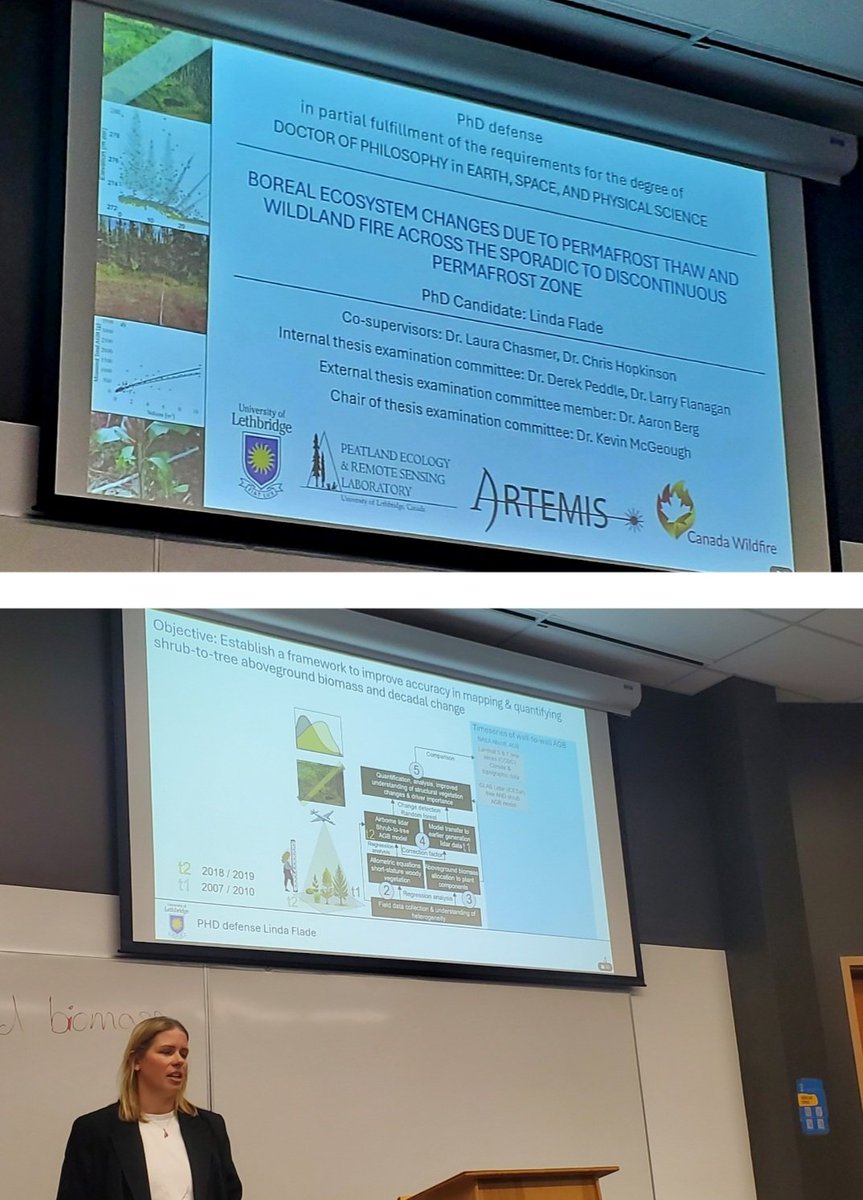
Congratulations to Dr @FladeLinda on the successful defense of her PhD thesis on boreal ecosystem biomass changes due to permafrost thaw in Southern NWT! great work Linda! Funding support provided by @NSERC_CRSNG@CanadaWildfire, @uLethbridge, @gnwt
Increases to NSERC Discovery Grants: Budget 2024 funds will be ramped up over the next 5 years, with $20.4 million this 1st year & increasing to $227 million per year in year 5 & ongoing. These increases will enable researchers to better support students & postdoctoral fellows.
🌍 At CRSS-SCT, we believe remote sensing drives innovation, discovery, and global impact. Our mission? To lead, connect, and foster excellence within the #remotesensing community in Canada and beyond.
Learn more: https://t.co/diVasAp5HA
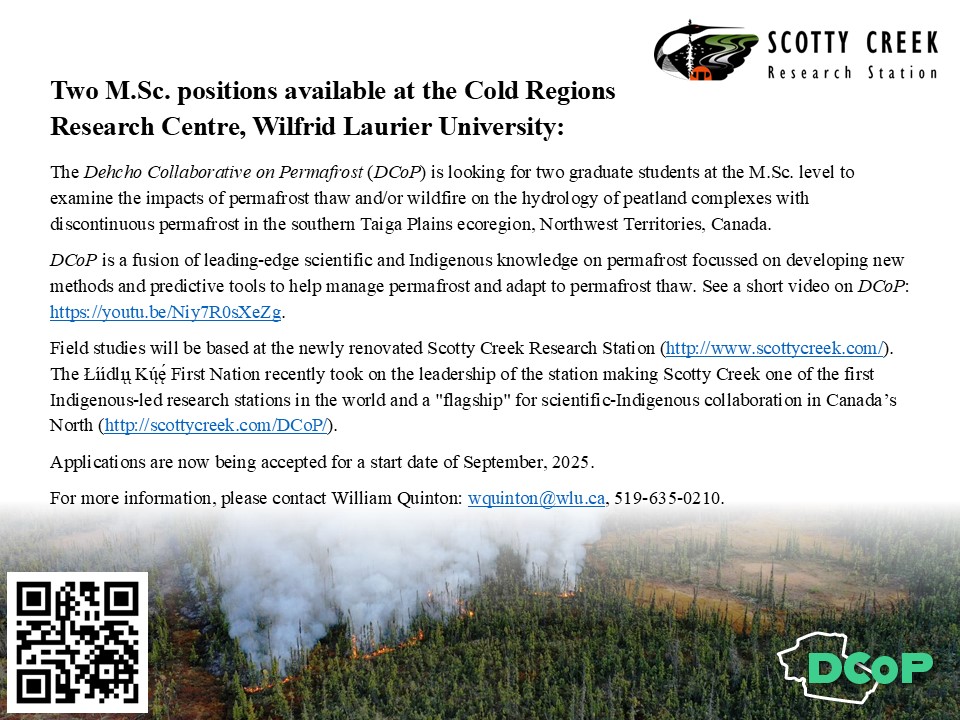
Two new graduate student positions available at Wilfrid Laurier University to examine the impacts of #permafrost thaw and/or #wildfire on water resources in the Northwest Territories, Canada:
Along with the keynote talks, you can watch the Thomas Hilker Award presentation from #ForestSAT2024 on our YouTube channel. Congrats again 🌠@morganahcrowley 🌠!
👉https://t.co/xlO705m6cV
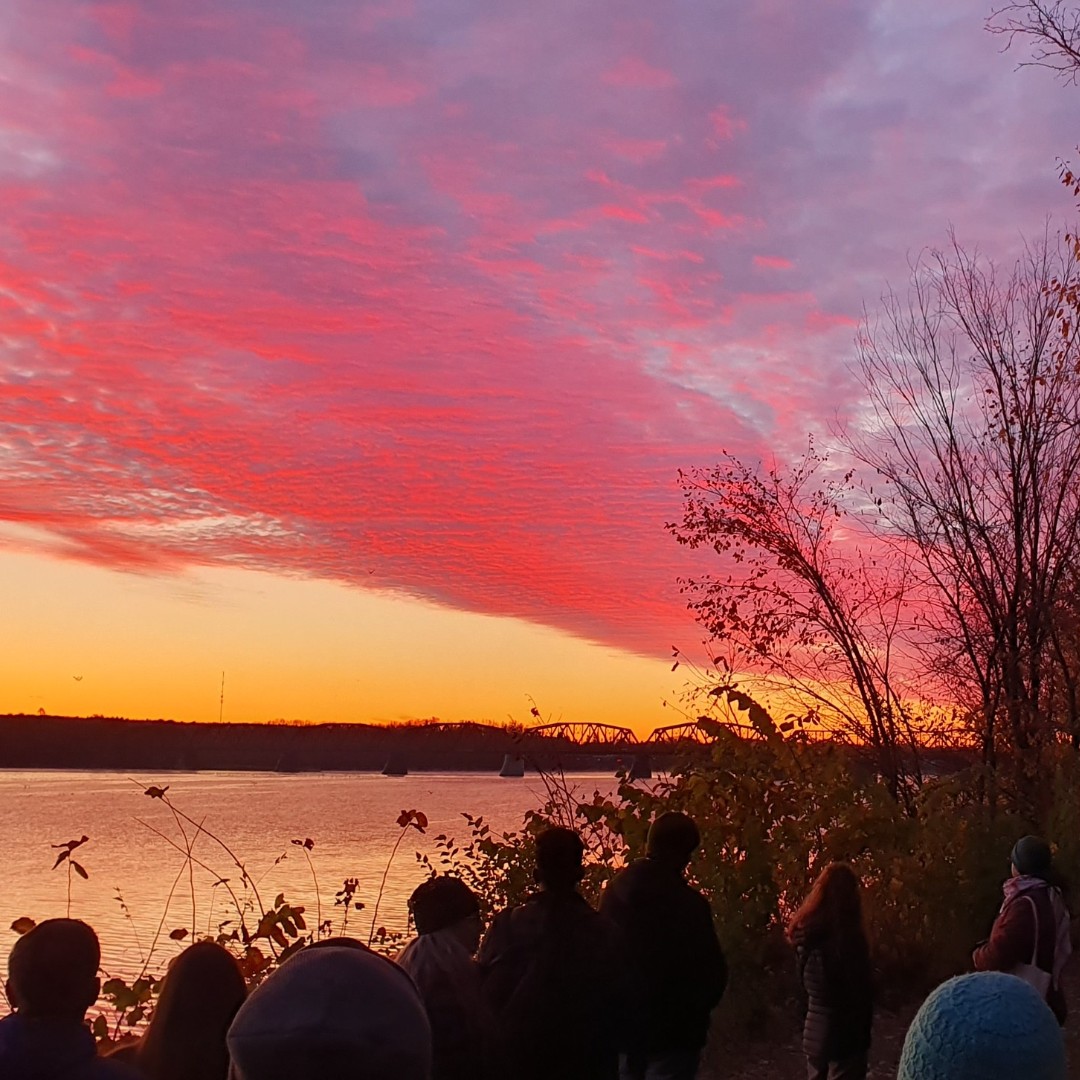
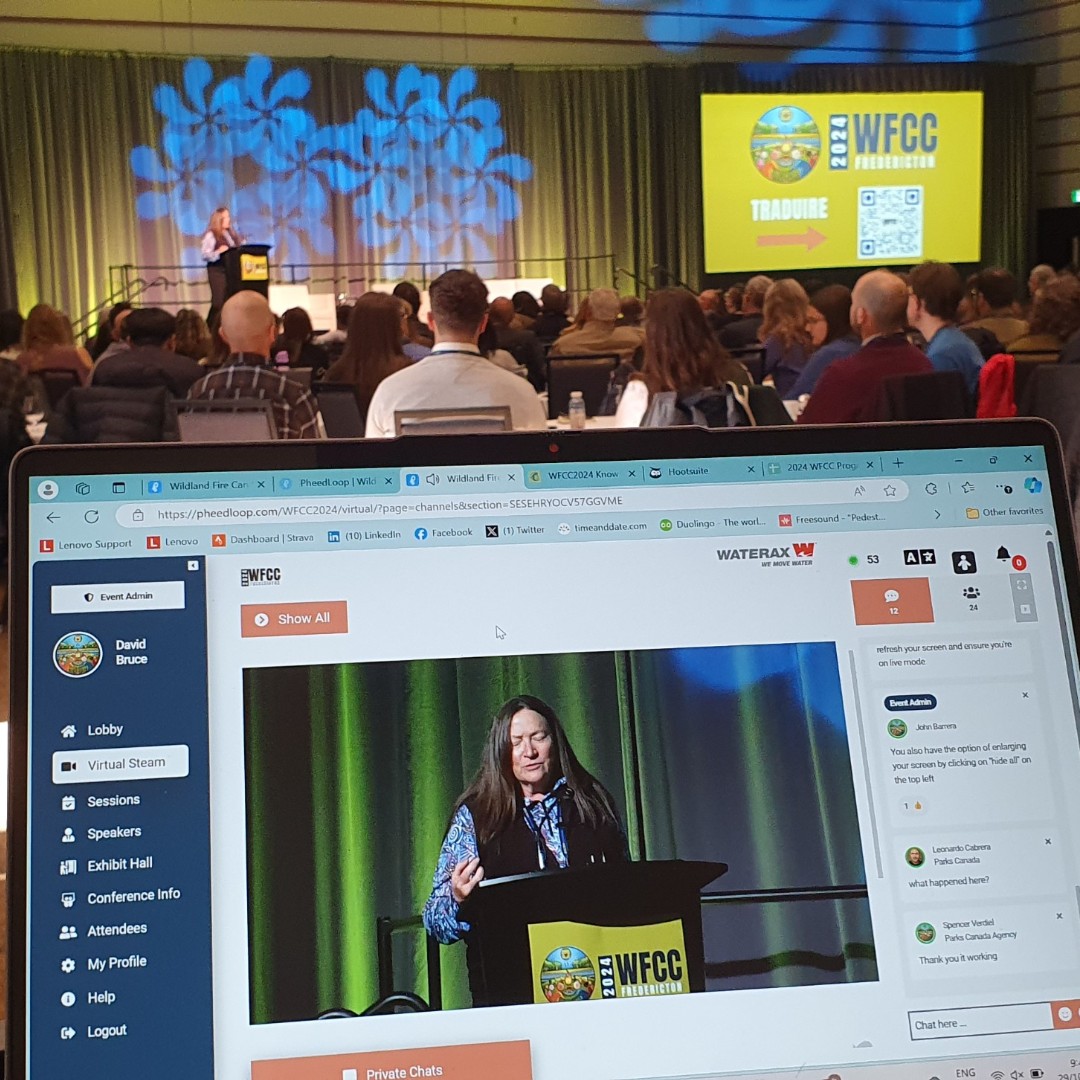
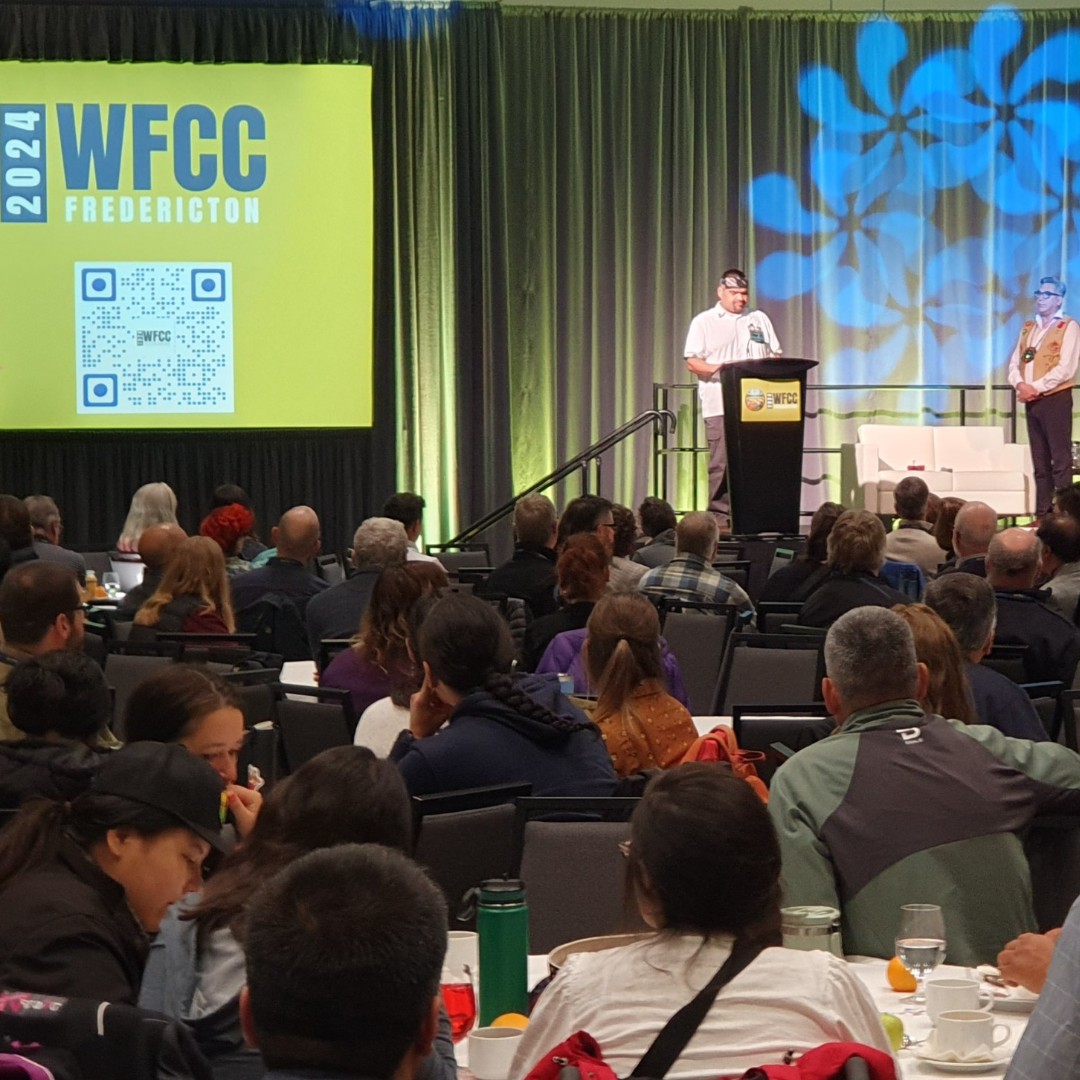
What a wonderful start to the main program of the Wildland Fire Canada conference with a sunrise ceremony from Wolastoq elders by the St John River. Then it was straight into the opening session with a full house in Fredericton and many online globally #WFCC2024
🔥@VancouverSun featured an opinion by @ChristiansonAmy and @firebobbc on reducing wildfire risk in B.C. They talk about the need for innovative solutions rooted in Indigenous fire stewardship to manage costs and promote community resilience.
Read more: https://t.co/LNOah5VlRg
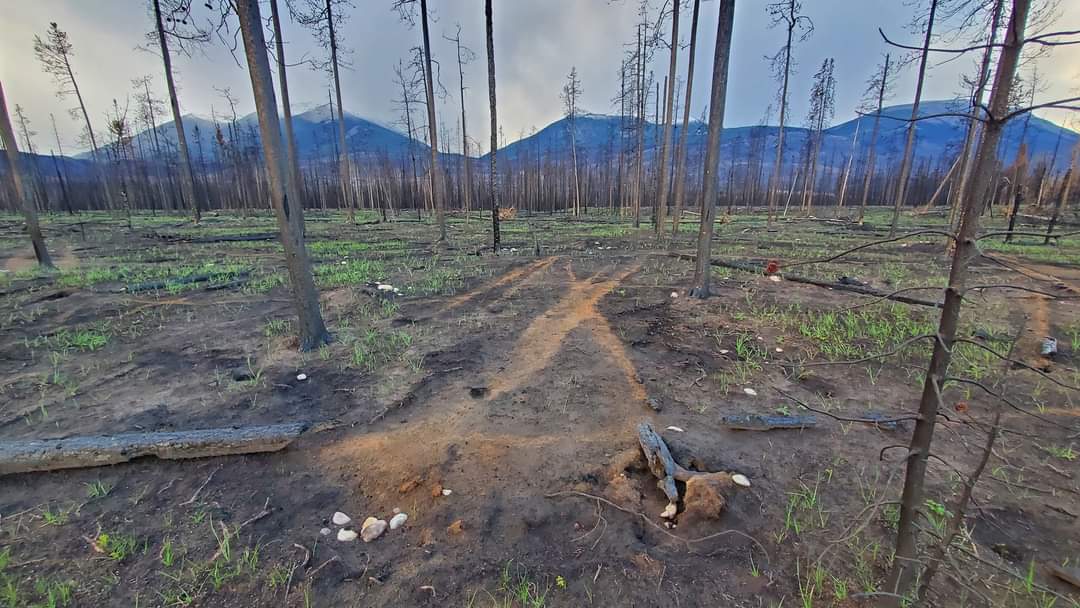
Excited to announce that our work in #JasperNationalPark is featured in Canada Wildfire's fall newsletter! We show how fuels management and mountain pine beetle severity levels change fuel structures and discuss pre-fire fuels in the context of the Jasper Wildfire
Proud of MSc @t_skretting who convocated today @uLethbridge! Tristan's work on pine beetle impacts on fire fuels in @JasperNP will be foundational for understanding fuel consumption/fire behaviour of the Jasper Fire Complex, which burned 30% of the town on the day of her defense
Please RT and spread the word: We are hiring a tenure-track Assistant Professor in Global Change Remote Sensing, as part of a cluster hire in Global Change & Sustainability at Boston University. A great place to work and live! https://t.co/kYQqAu2luN
Peat fire hydrology MSc research opportunities!
We are recruiting two MSc researchers for a May or Sept 2025 start.
#ecohydrology#wildfire#modelling
GIS, remote sensing, and/or Hydrus-1D modelling skills are an asset.
Application details at https://t.co/bEWpPxnNyI
Approaching #NDTR, we reflect on the ongoing impact of the displacement of Indigenous Peoples from traditional territories, including policies outlawing cultural burning and disrupting intergenerational knowledge. Reconciliation includes the right to burn.
https://t.co/aiXlM29AVR
👀Detailed and low latency #wildfire info. Aim to include as layer in Google maps.
6-band multispectral infrared (IR) instruments, over 50 satellites when constellation complete, ~20min revisit. Pathfinder launch in 2025, 3 planned for launch in 2026 to initiate constellation.
Myth or truth - everything you need to know about our FIRE SEASON and the link to Climate Change here in Canada - I put @mikeflannigan ‘s feet to the fire 🔥 in my latest piece @weathernetwork