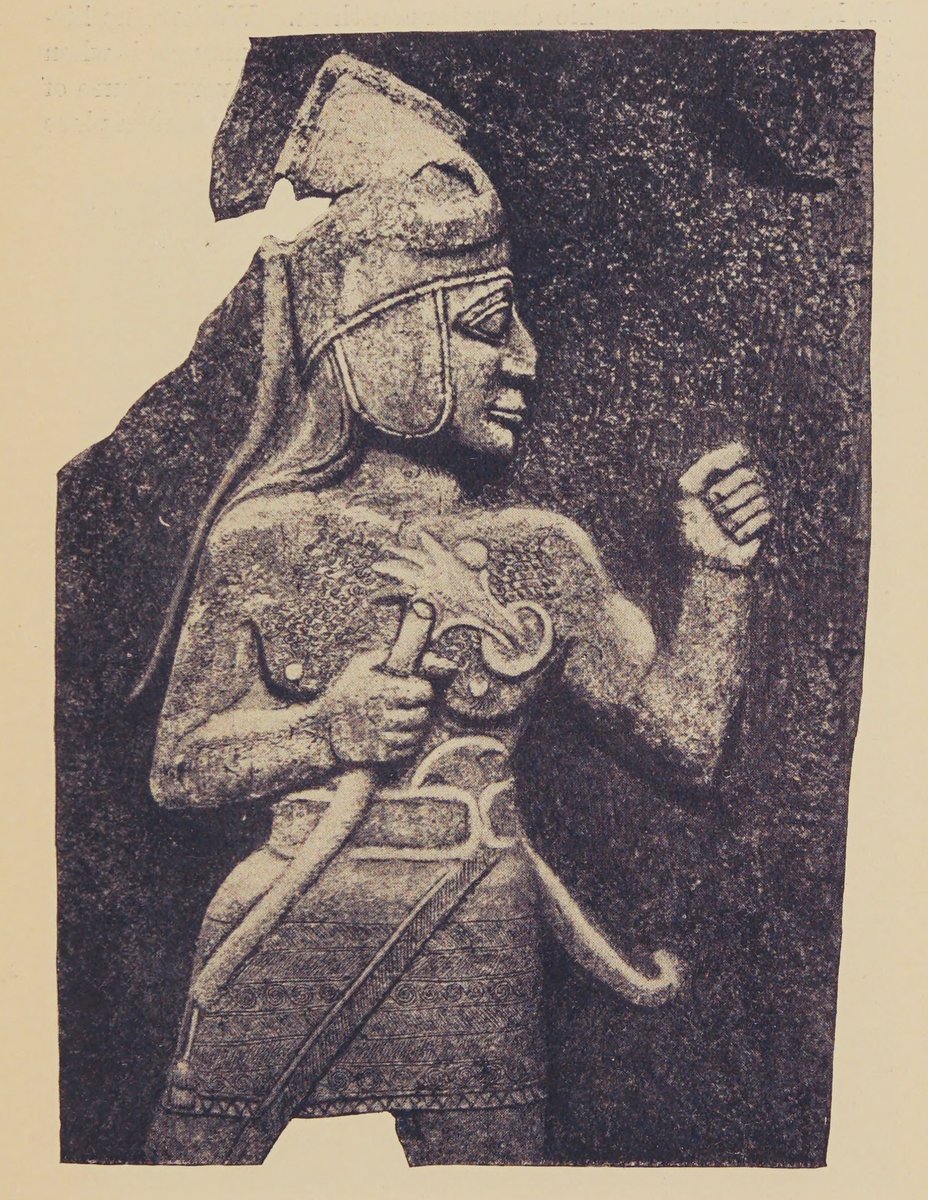
Halet Çambel is respectfully remembered on the anniversary of her passing (d. 12 January 2014).
She was a scholar who devoted her life to the stones and soil of Anatolia.
The legacy she left behind continues to live on in the cultural memory of these lands.
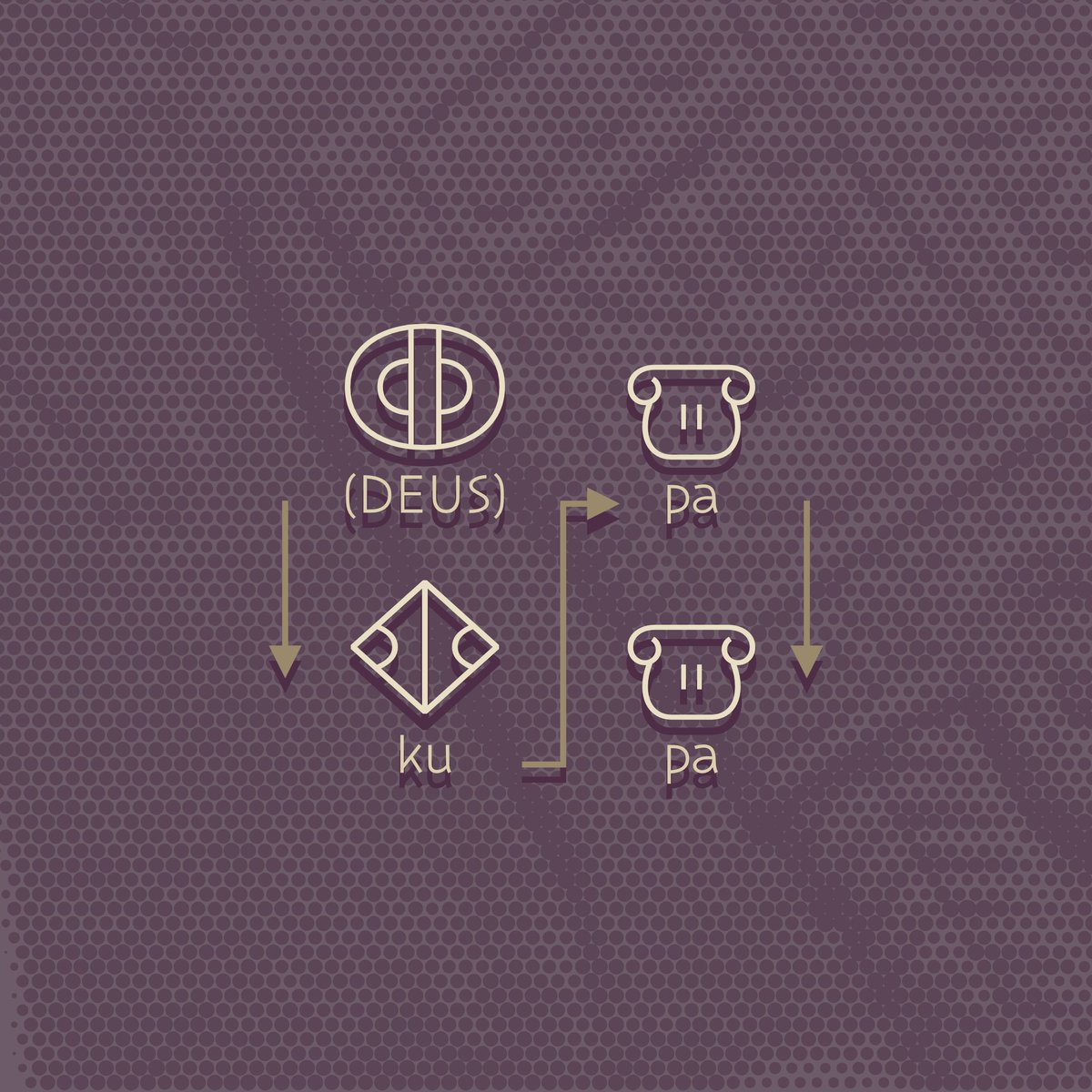
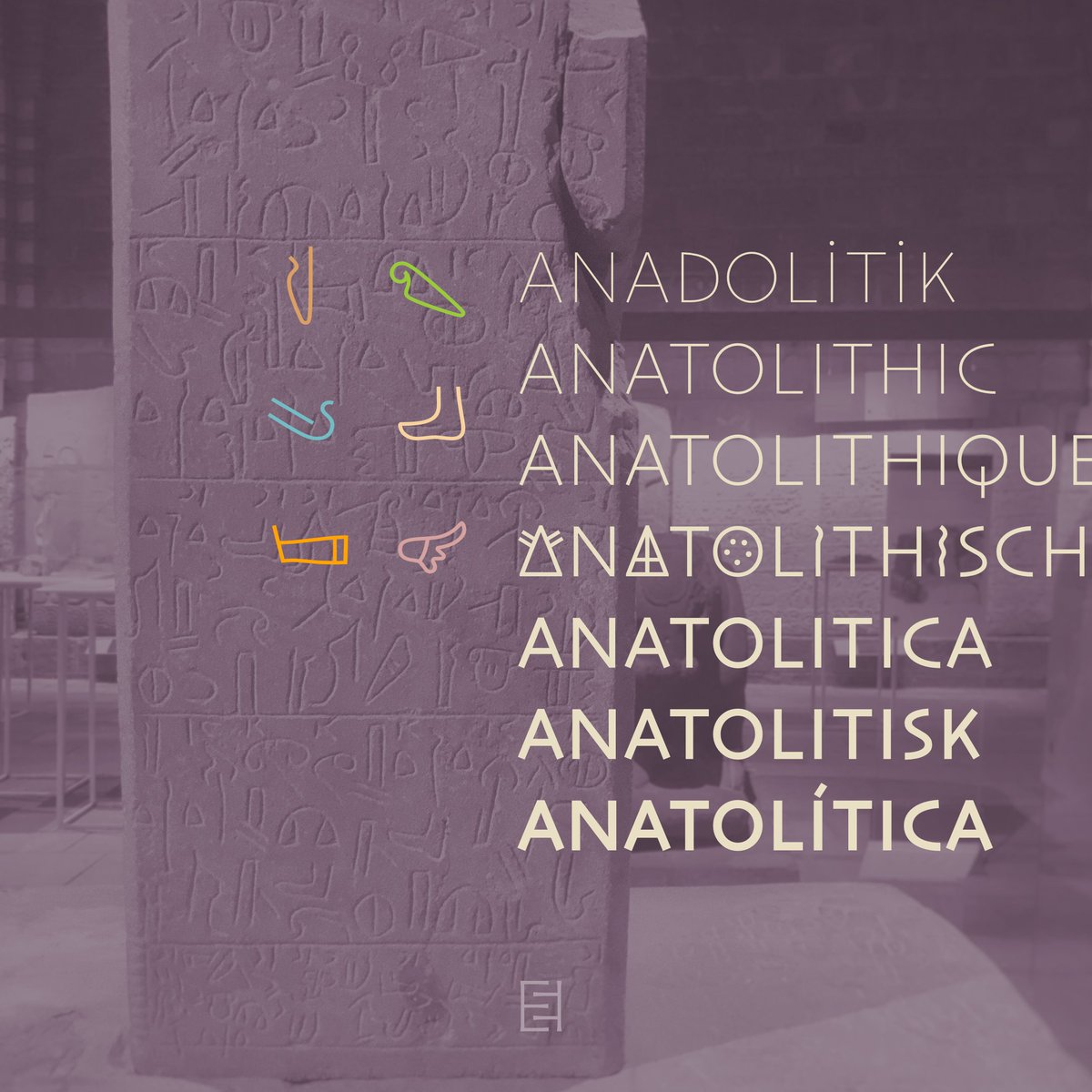
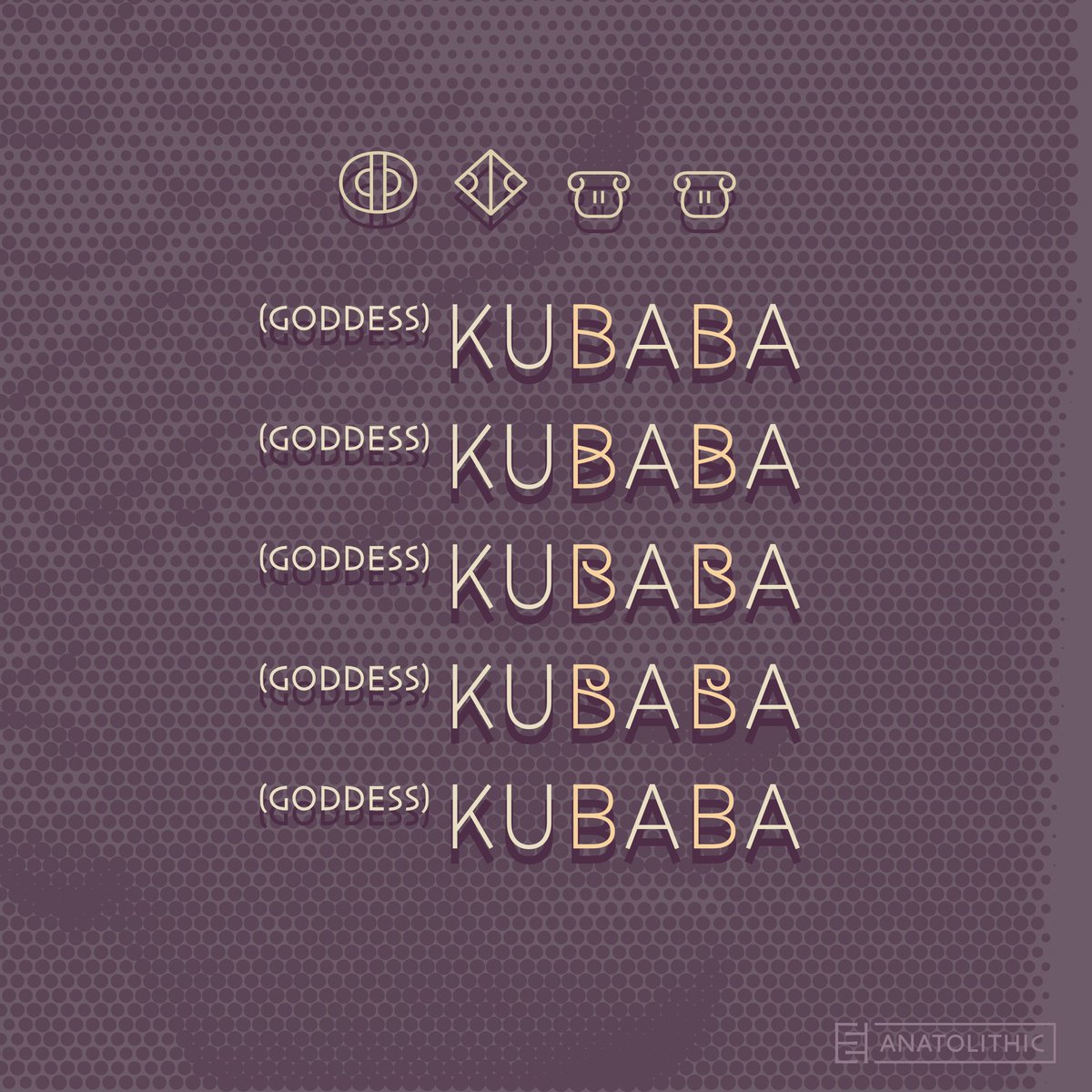
1. Anatolian Hieroglyphs
A logosyllabic system established by the 14th C BCE under the Hittite empire and resurging in the Syro-Anatolian States of the early first millennium BCE.
Annick Payne: Anatolian Hieroglyphic masterclass
https://t.co/0rmqoNv481
#AdventCalendar
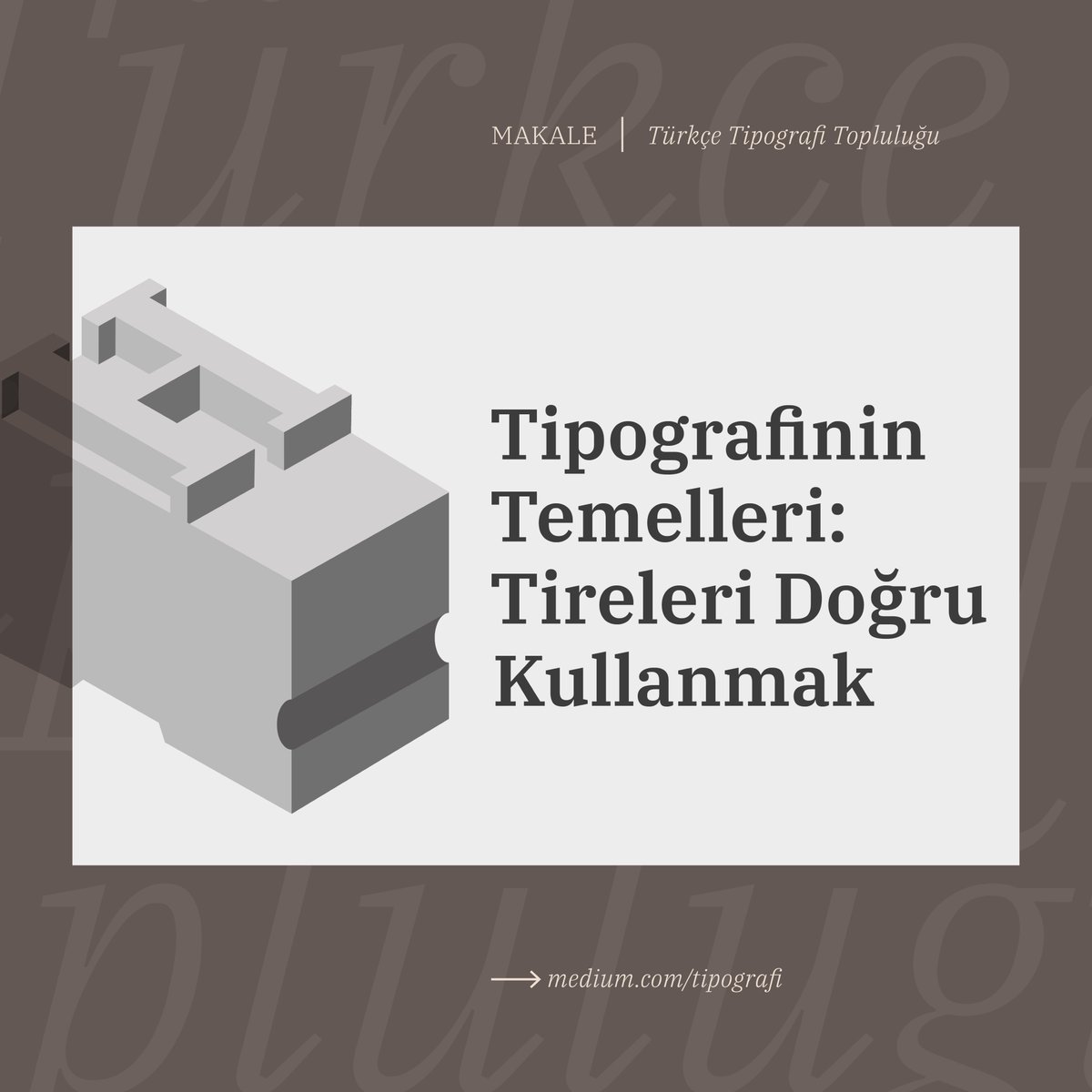
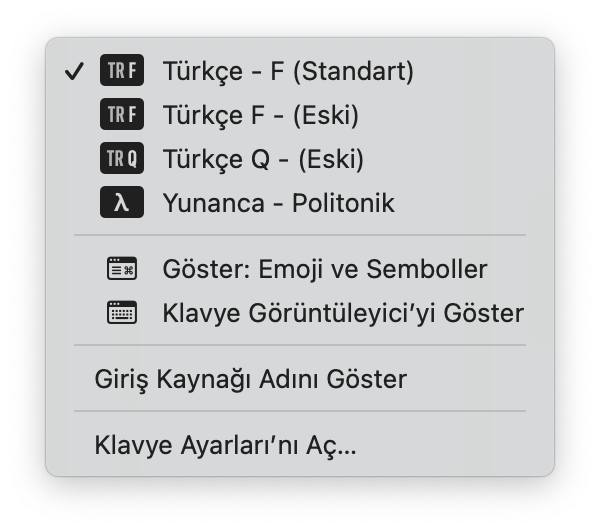
@HuseyinUsta@omerdurmaz Türkçe - F “Standart” klavye ile, şu yazıda bahsi geçen orta tire ya da uzun tire (en/em dash) karakterlerinin nasıl yazıldığını bilen var mı? Türkçe’de kullanımı yok diye kaldırılmış olabilir mi yoksa zaten kullanılmıyor diye mi kaldırdılar? ^are
https://t.co/lR2GtAS9Vy
Apple klavyelerinde de kullanılan Türkçe F düzeni (özellikle nümerik tuşlardaki noktalama işaretleri Q klavyedekilerle eşitlenerek) ne zaman değiştirildi, bilginiz var mı? @omerdurmaz@HuseyinUsta
Kaynak bulamıyorum, yayarsanız çok sevinirim - son resim şu anki Türkçe F (^are)
@HuseyinUsta@omerdurmaz Türkçe - F (Standart) koymuşlar ismini. Q klavye ile yapamadığımız ne varsa F klavyede de yapamaz hale gelmişiz. Artık tuş kombinasyonlarıyla tireleme tiplerine, akıllı tırnak biçimlerine erişim yok galiba. Klavye görüntüleyicide yok en azından.
The Karatepe bilinguals, inscriptions written in Anatolian Hieroglyphs and Phoenician, have been entered into UNESCO's Memory of the World register.
https://t.co/qVS6jyap9L
@HuseyinUsta@omerdurmaz Bundan önce kullandığım sistem late-2013 diyeyim. Atı alan Üsküdar’ı geçmiş bu arada, Türk tipi klavye düzeni gelmiş.
Kim ya da kimler hangi mantıkla yapmış merak ettim.
@PIELexicon This is also noteworthy for being one of the 3 inscriptions mentioning the land of “Lukka” and for the logogram 160 VITIS.
An info not found elsewhere, the sign 507 on block VI is an axe-head, and it should be noted that it “may” be a variant of the 473 & 474 signs. #Anatolithic
The prominent figure in KARABEL A is an instance of the “Anatolian Hieroglyph 003” character, which is said to have the same value (EGO, /ɪ) as the two preceding logograms.
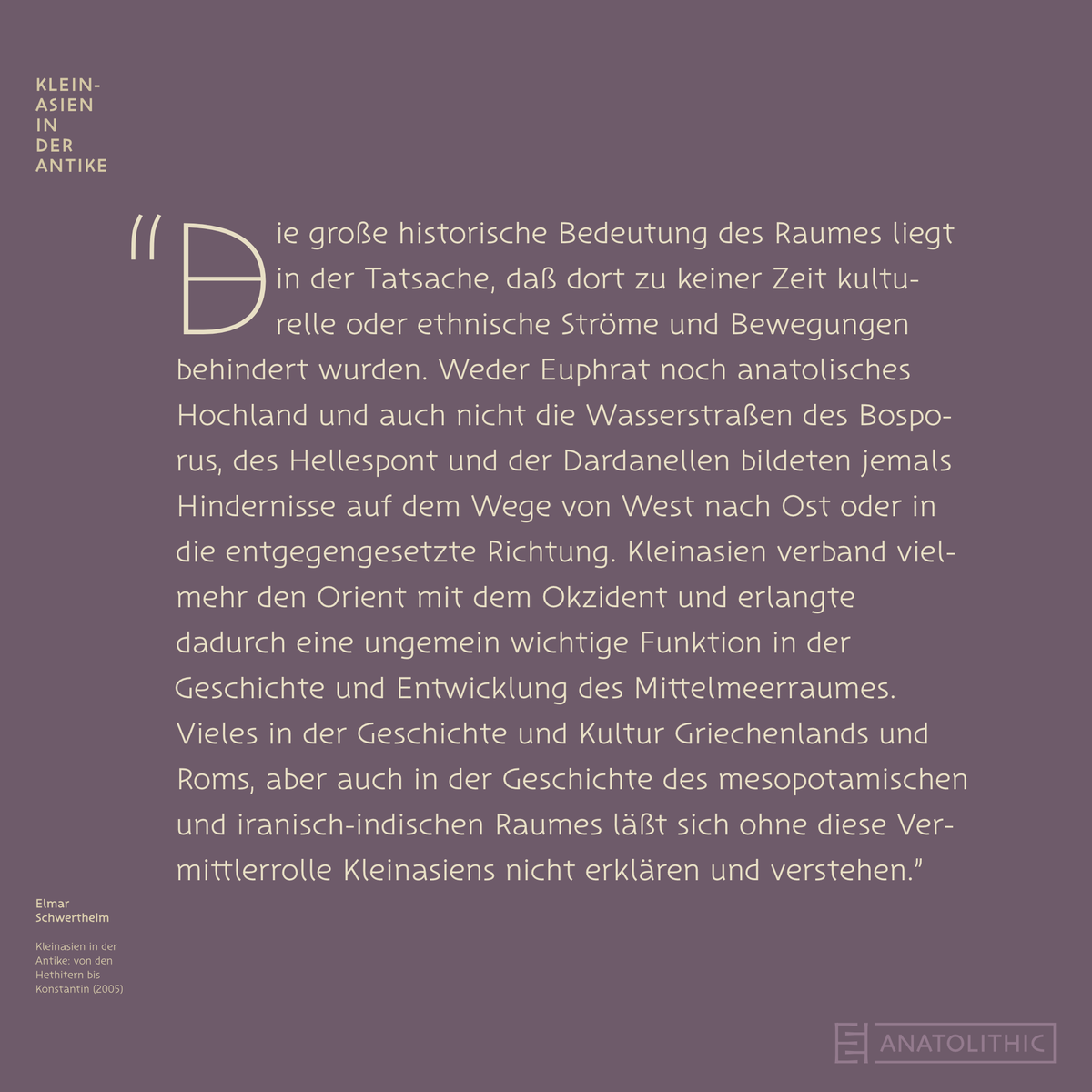
Typographically speaking, these can be considered one of the first examples of ‘drop caps’.
The KARABEL A relief, in which the name Tarkašanawa, the ruler of the famous Tarkondemos seal, was read for the first time by J.D.Hawkins (Hawkins has added details of the hieroglyphic signs to facilitate identification into Kohlmeyer’s drawing):
Our Flickr changelog:
- Added Lycian tomb inscriptions. All include corpus refs and the owner names.
- Added a fragment of TL44, the broken end of the pillar on the ground, somehow hidden (the other fragments are buried in the British Museum’s website).
https://t.co/z11E87cmec
@PIELexicon Well, I had only curious about the "ka" sign and what it represents (i.e. the nature of the object, like is it tool or weapon - it's classified under the Varia category in Laroche's catalogue).
So, “a head of an eagle” it is. Thank you very much!
What is the abstraction of the syllabic ka sign (434) in the very lower left of this inscription represents, do you have any information? @PIELexicon@JounaPyysalo @ivrizikastamonu @AlwinKloekhorst
(An IP says, it might be part of a wing, but I couldn’t find a clear definition.)
The Hieroglyphic Luwian HISARCIK 2 inscription in the Hawkins’ drawing (CHLI X.27): Also here the name of the author, perhaps Hapiri(?), is uncertain owing to the damage, and somewhat exceptionally the title/genealogy is absent.
“Akademik” sözcüğü ile “akademisyen” sözcüğü arasındaki ayrımla ilgili o parça hatırlanmıştır.
“Oğuz Atay’a Eylembilim’le ilgili mektup” başlıklı Cevat Çapan ön yaz��sından alıntı (İletişim Yayınları).