Congrats to alum Margiana Petersen-Rockney on the publication of her book, Farmers and Climate Change: Agricultural Adaptation in an Age of Rural Polarization! Learn more: https://t.co/2jTUpJXmZX
Join the Berkeley Wood Lab for "SilviCulture trees, wood & people," a group exhibition that invites visitors to imagine trees as active participants in complex ecosystems. The show opens Oct. 21 and runs through Oct. 25. Learn more: https://t.co/xP10SL2cxV
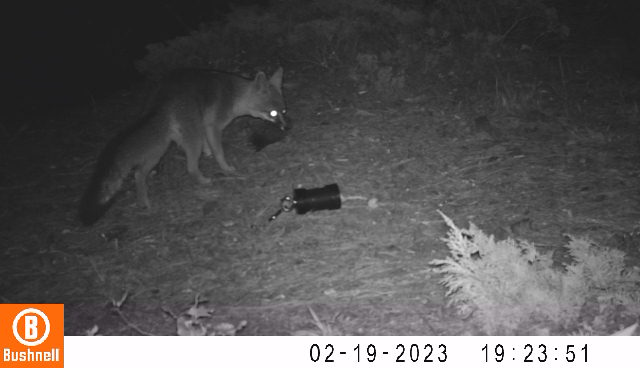
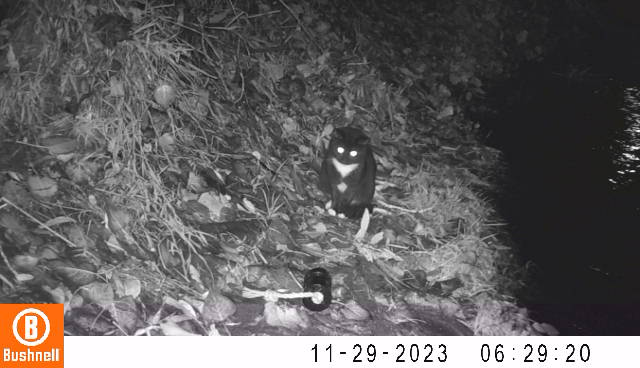
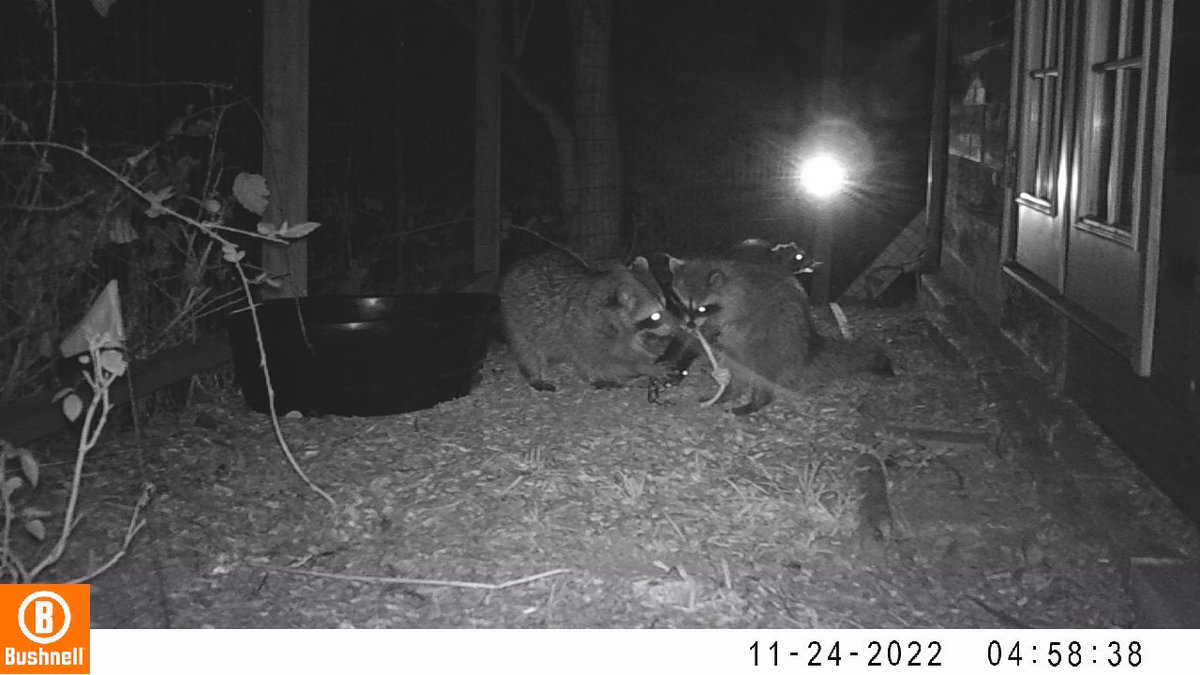
A new @SciReports study by @Lauren_Stanton_ and researchers in the lab of Associate Professor @UrbanSchell finds that effort and exploration, not boldness, shape how raccoons, coyotes, and other urban carnivores respond to cities' unique challenges. https://t.co/NLbhfK1Shb
Professor Todd Dawson, who was not involved in the study, called it a "double whammy" since warmer oceans and drier air are making fog more sporadic—cutting redwoods off from a crucial source of moisture. https://t.co/U1WKKsVRXY
Kristin Dobbin, with UC Cooperative Extension @UCBerkeley, who was not involved in the report, called the analysis “extremely important.” The finances behind drinking water are “not something we’ve had a big picture view on across the country before."
https://t.co/TgcazoRt0P
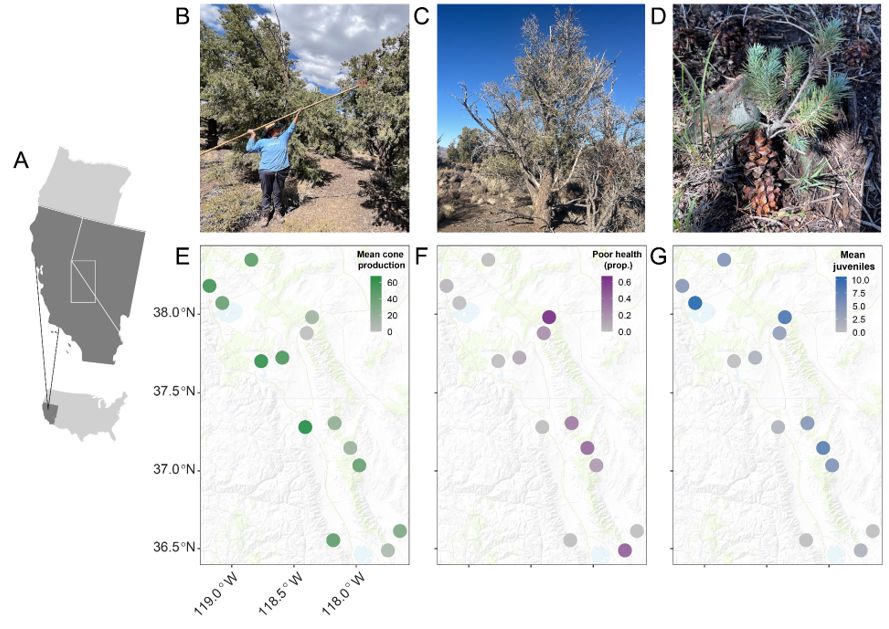
Read the full @PaN_BES study, which was led by Diana Macias, a University of California President’s Postdoctoral Fellow in the lab of Associate Professor Miranda Redmond: https://t.co/ykeszC2KXh
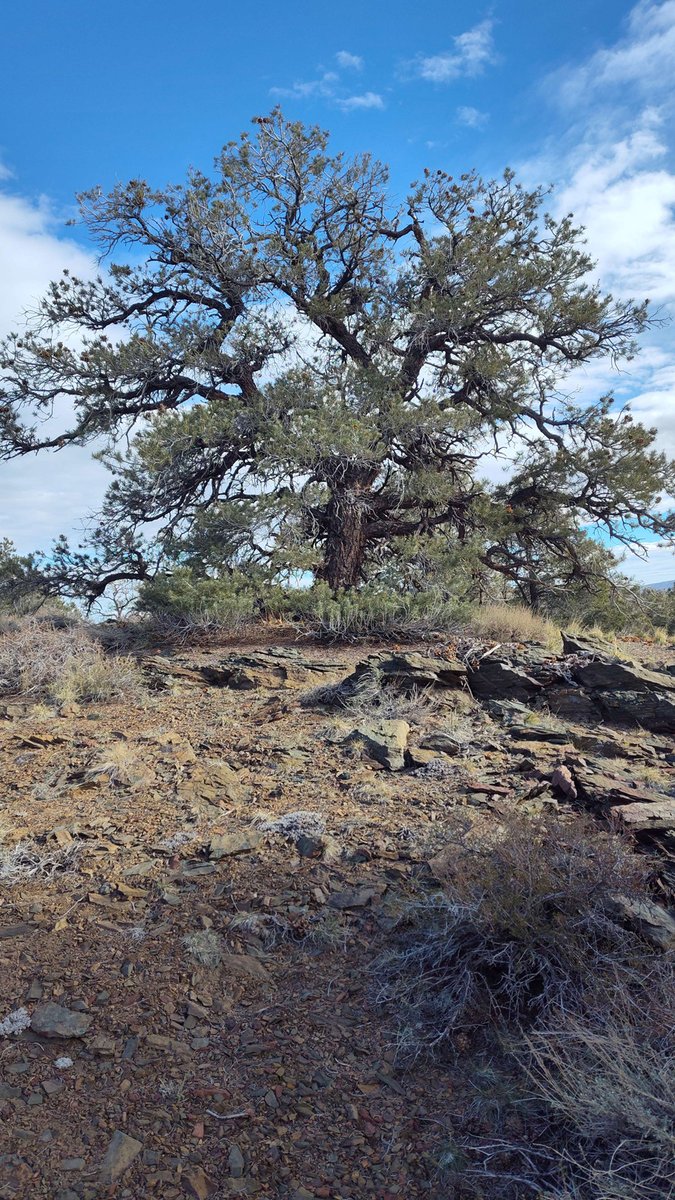
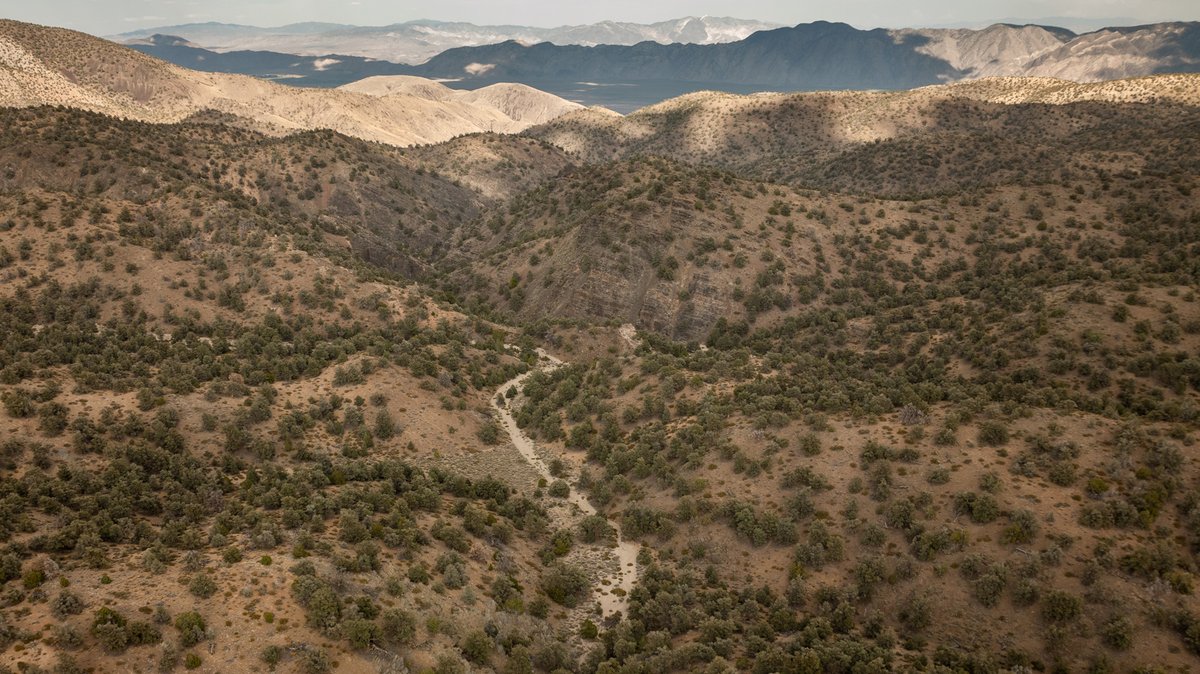
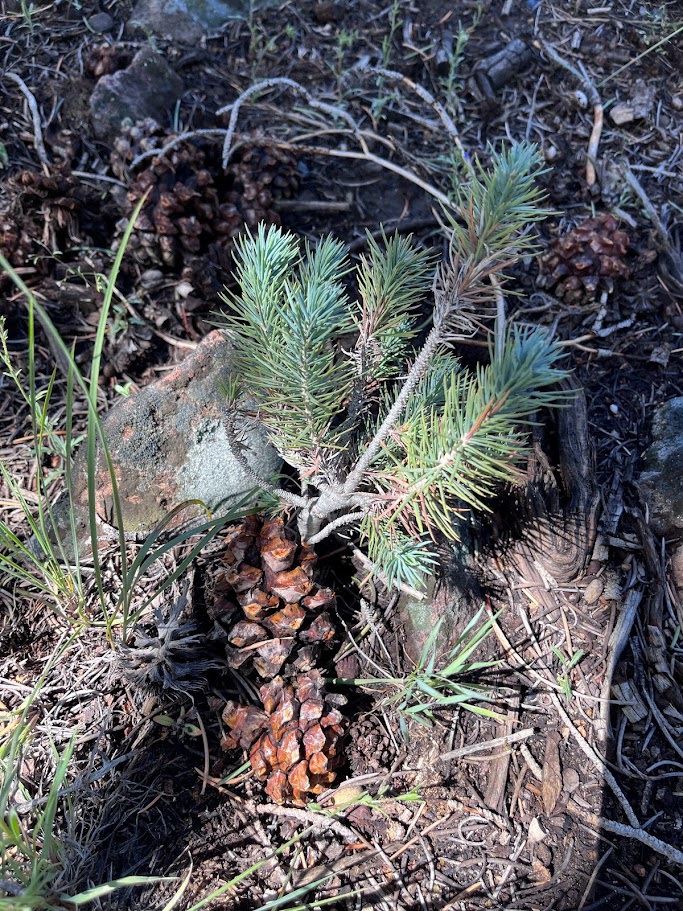
A collaborative, three-year project involving tribal nations, federal agencies, volunteers, and researchers from @UCBerkeley and @Stanford is informing stewardship of important pinyon-juniper woodland ecosystems across the Eastern Sierra. https://t.co/E9mgprbFeB
Congratulations to Environmental Science, Policy, and Management Professors Paolo D’Odorico and @trevorkeenan on receiving awards from the American Geophysical Union (@theAGU).
Read more: https://t.co/cVb8H06Lli
🌲What does it mean to care for a woodland under threat? In the Eastern Sierra, Indigenous-led monitoring linked long-term attention to place with ecological data, and a public survey gave insights on environmental responsibility @ESPM_Berkeley
📖 https://t.co/flUYvCaS71
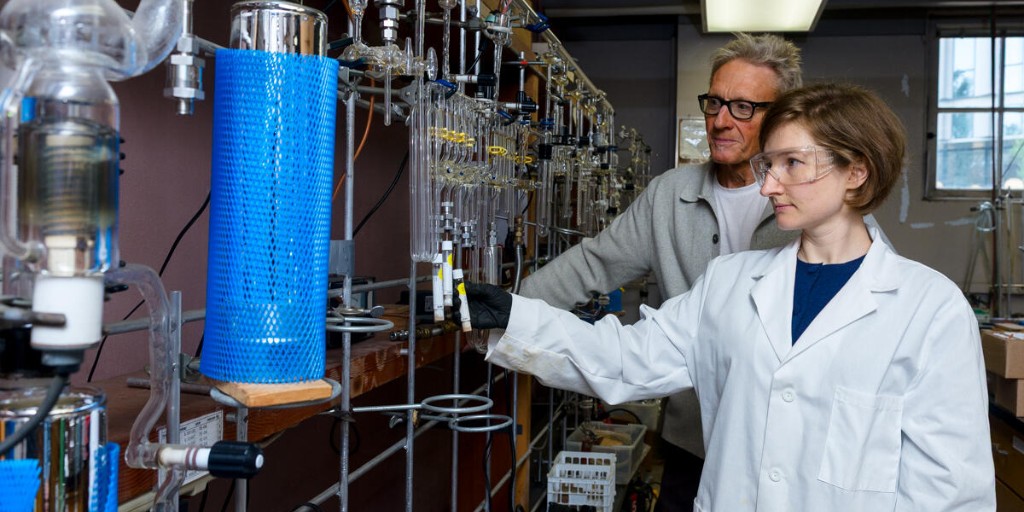
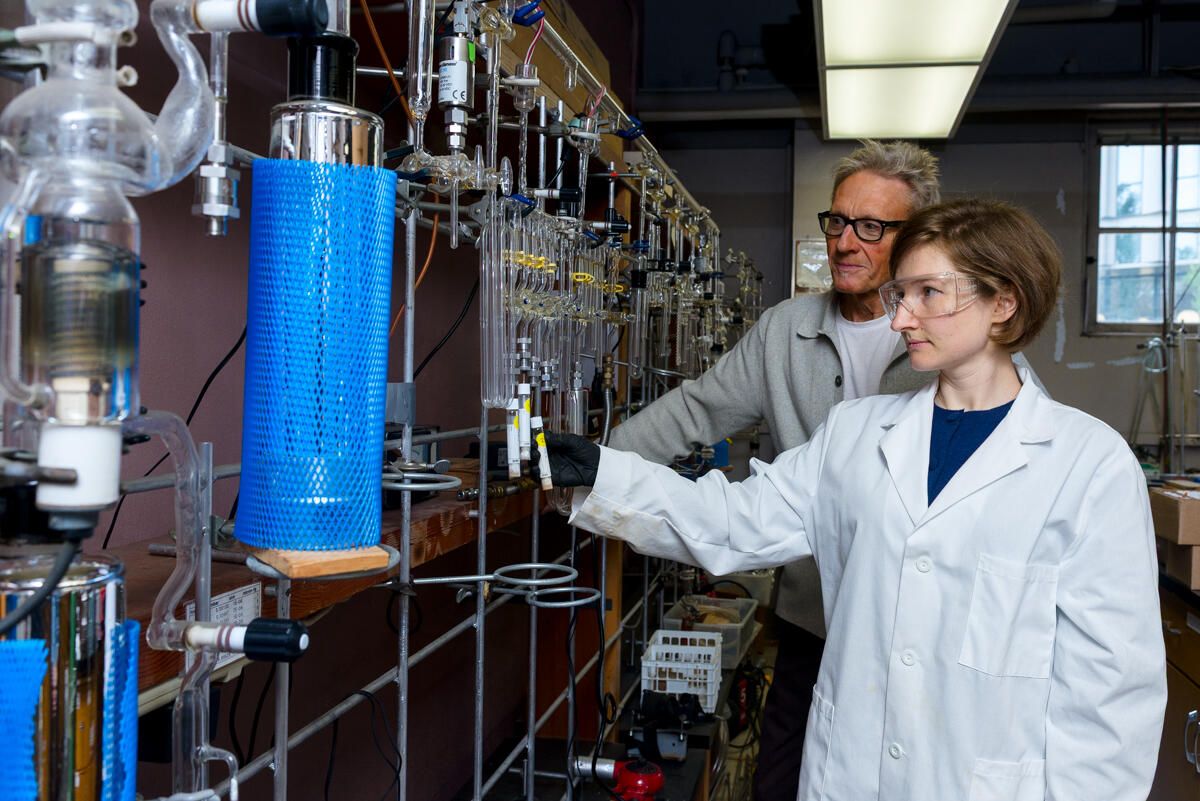
New @ESPM_Berkeley research reveals a hidden carbon cycle in desert soils — one that could account for a surprisingly large share of the planet’s annual carbon exchange.
https://t.co/9FSoaNcTgD
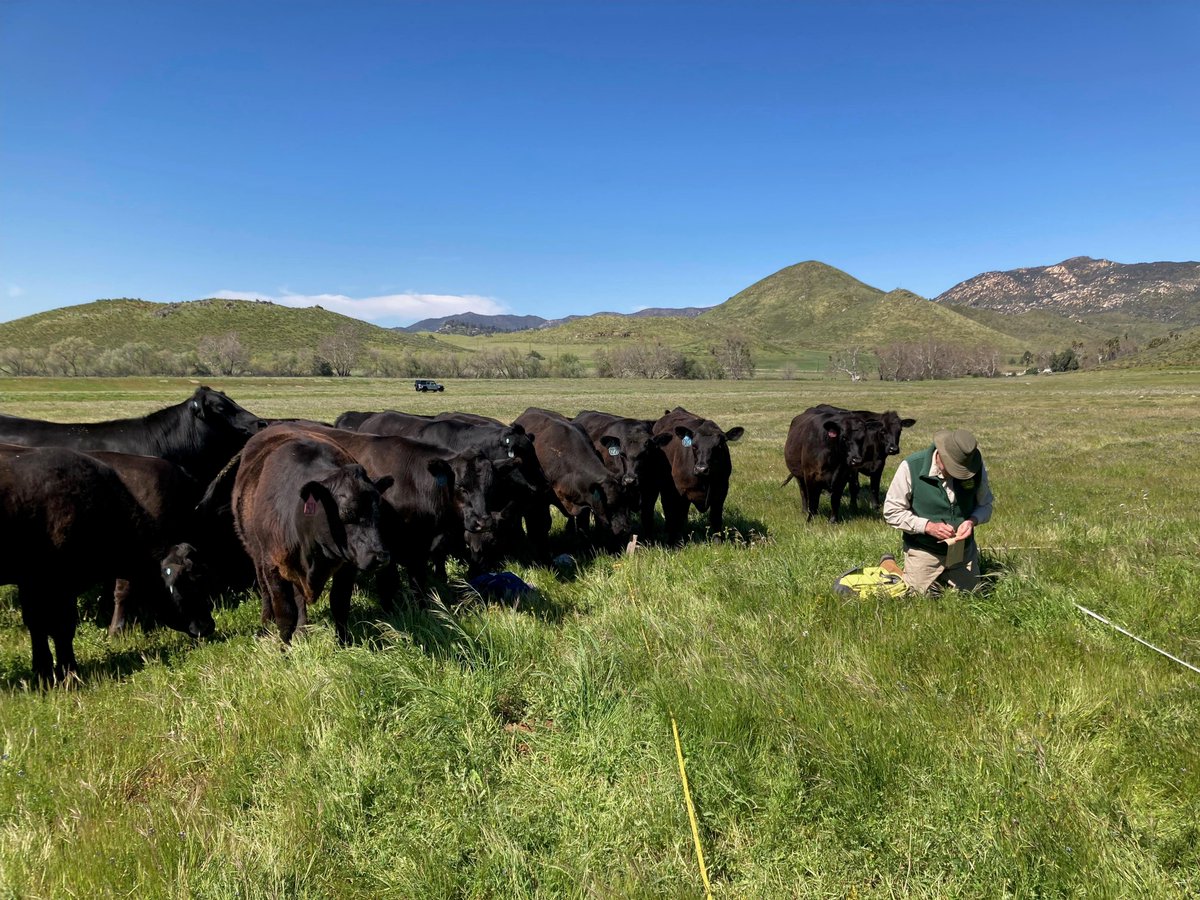
Revisit our recent Breakthroughs magazine story, which highlights Huntsinger's research on how grazing can be used to control invasive species, protect watersheds, and reduce wildfire risk. https://t.co/ogJr0mk3MO
Lynn Huntsinger, a professor at the graduate school, recently spoke to The New Yorker about how grazing animals like cows, sheep, and goats can enhance California's native biodiversity and reduce the risk of fires starting and continuing to burn. https://t.co/FgCxfIELTD
A new @ScienceAdvances study led by @UCBerkeley researchers details a cycle of carbon dioxide adsorption and desorption by desert soils—a process that could account for a surprisingly large share of the planet’s annual carbon exchange. https://t.co/PNGo13qIQy
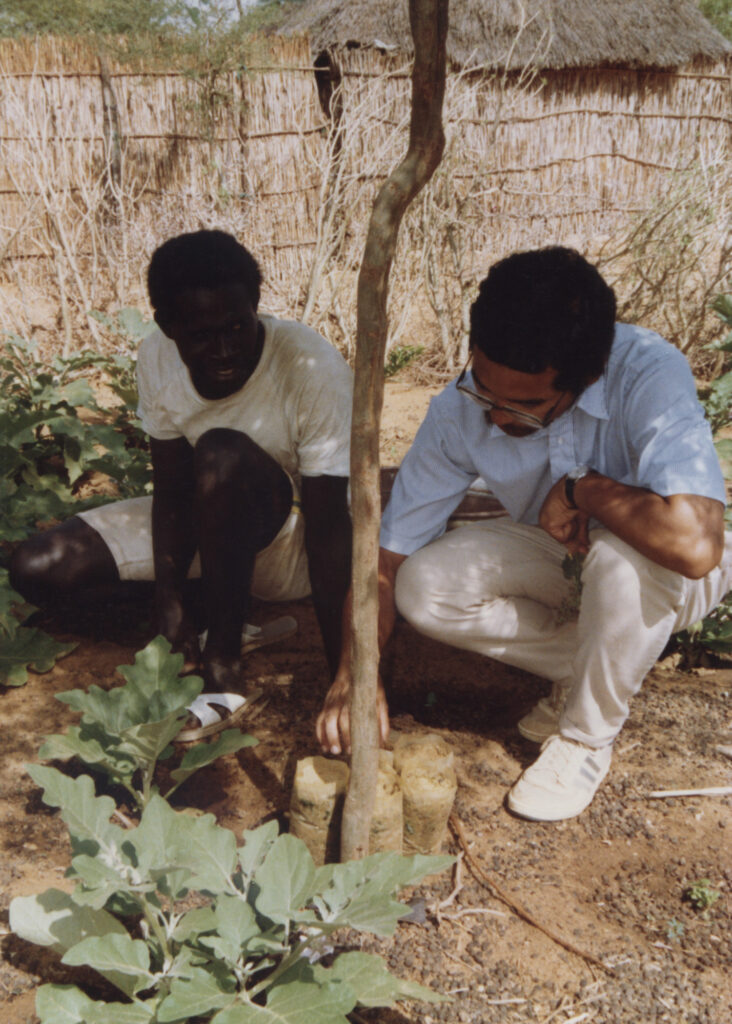
Learn how ESPM associate adjunct professor @pgonzaleztweet's time spent in the Peace Corps in Senegal changed both his Berkeley research and his life. https://t.co/W9pX2xp9BE
Where does CA’s water go & how could climate change reshape its future? UC researchers, including UC ANR experts, helped develop a new tool that lets Californians explore how water management decisions could affect farms, cities & ecosystems. @ucanrwater https://t.co/7pImmmAYbR
Tune in Sept. 3 for the launch of the Collaboratory for Equity in Water Allocation (#COEQWAL) platform, a tool for more inclusive California water planning and an equitable water future. The project was co-led by Ted Grantham of @espm_berkeley & @ucanr. https://t.co/a9yeaK2Q1x
On Aug. 23, Associate Professor @UrbanSchell will transport audiences from an SF theatre to the parks, neighborhoods, and backyards where he conducts his research—and where coyotes and other animals make their home—as part of a special @NatGeoLive show. https://t.co/Ww7kvFSa3q
What if the key to saving endangered giant sequoias is restoring a relationship they evolved with thousands of years ago?
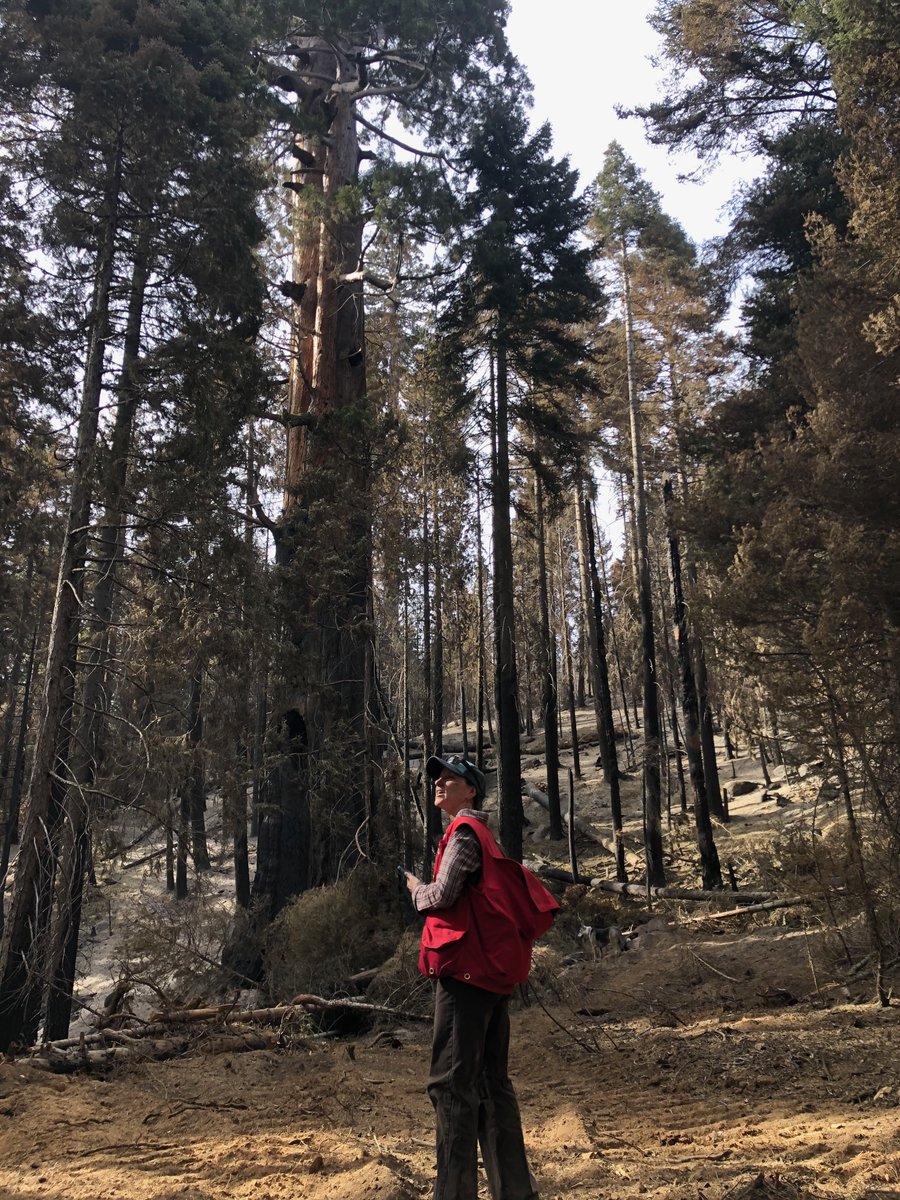
A new study from our forestry experts found that prescribed fire and fuel-reduction treatments cut giant sequoia mortality by more than half during the 2020 Castle Fire, supporting the role of frequent, low-intensity fire in keeping these forests healthy.
Read the full story: https://t.co/bGOZNAxeyB
@UNevadaReno | #UNevadaReno | @UNRResearch | #ResearchWorksForNevada | #UNRExperimentStation | #NaturalResources | @CAL_FIRE| @ESPM_Berkeley | @CAClimateInvest | @NRESNevada | #NaturalResources |