Thank you @CalNatResources for joining the #UrbanBiodiversity Roundtable with Berkeley Wildlife & the Stone Center for Environmental Stewardship! 📸: CNRA Deputy Secretary of Habitat & Biodiversity Meghan Hertel (left) and ESPM professor Chris Schell. #CA30x30#conservation
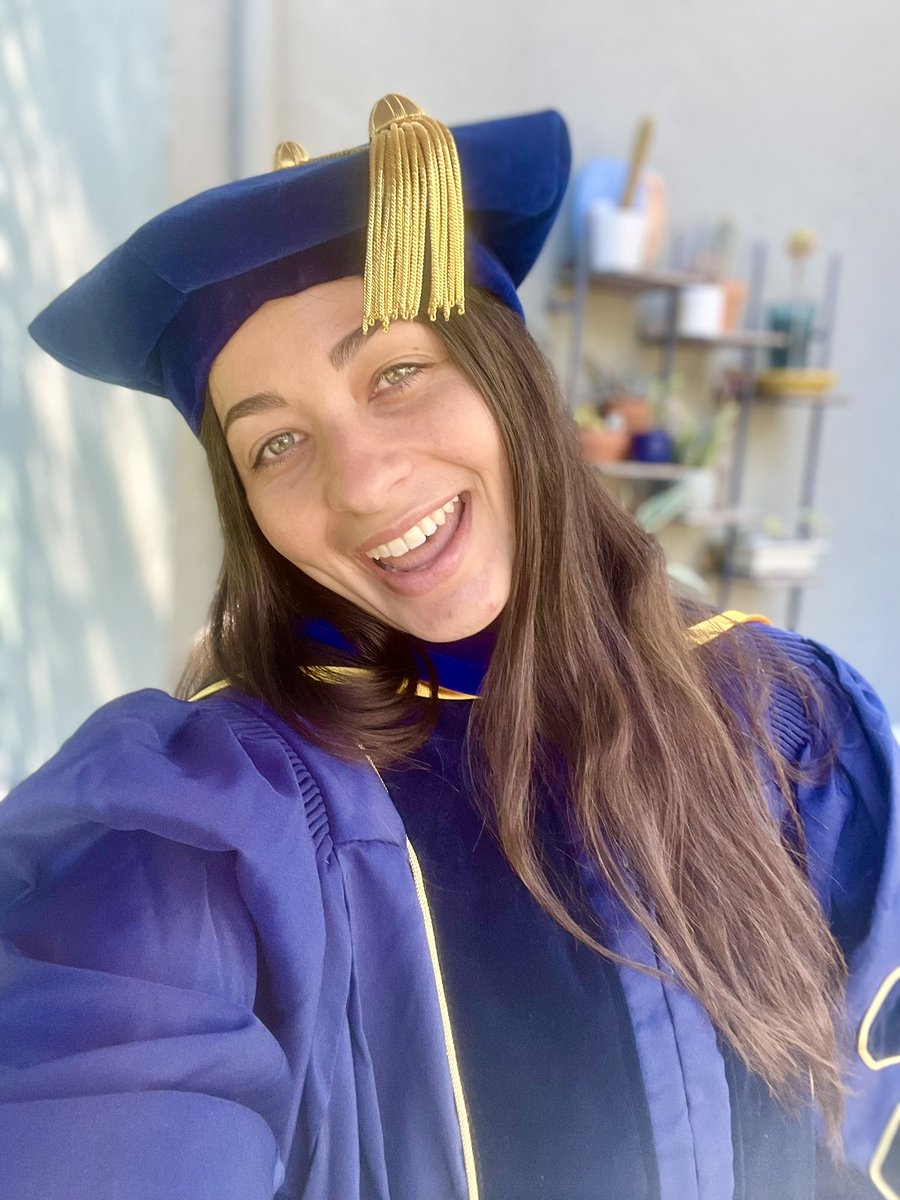
After a long posting break, it’s time for a big life update! 🎓 I graduated from @ucdavis in June, and today I'm starting my postdoc as an NSF PRFB fellow in @UrbanSchell's lab @UCBerkeley. Though SF coyotes will always have my heart, I'm pivoting from coyotes to raccoons 🦝
I'm so excited to share that my first dissertation chapter on SF coyotes is out in the #OpenAccess journal @ESAEcosphere. We DNA metabarcoded and genotyped hundreds of scats to explore dietary variation across the city 🧬💩🧪
https://t.co/3ElcwgMHrl
Come work with us! The Schell Lab is looking for a new postdoc to work on urban biodiversity initiatives in the Bay Area and throughout California. The future postdoc will also be an integral partner of the California Urban Nature Alliance. https://t.co/vUSIiwggwQ
Hey folks, several members of my dear friend @UrbanSchell’s family lost their homes in Altadena. Please consider donating to help them rebuild. Sharing helps too, even if you can’t donate. Thank you 💙.
#LosAngelesFires
https://t.co/ZnhSlDlU4s
The Eaton Fire in LA decimated my family's homes, i.e., our community and spiritual waypoints for more than 4 generations (myself included). While we are heartbroken, we are resilient. Please consider donating to our GoFundMe to help rebuild (thank you!) https://t.co/uuYFCDu6ak
Professor @UrbanSchell spoke to @OutsideInRadio about the animals that live in cities—and sometimes wind up under your porch. “Seeing animals in cities is not a bad thing… it's a sign that your city is ecologically healthy, resilient, and sustainable.” https://t.co/WQRPdSGjOB
Our fall magazine highlights Rausser College’s #environmentaljustice researchers who are tackling the mounting inequities created or compounded by climate change, economic injustice, and the enduring legacies of racism. Read at: https://t.co/eEmOqCAsrN #equity#climate
Hey y'all! It's been a minute. A longer update is coming, but for now: I'm sharing an essay I wrote for the book Heart of the Wild edited by Ben Minteer and @JLosos, with an amazing author group, and I'm honored to be among them. My essay is linked below! https://t.co/qh7LtFWZE2
🙏🏾 We're so grateful Dr. Ignace could participate in this important session on the great work of @ESA_org sections that support minoritized scholars! Let's keep the conversation going!
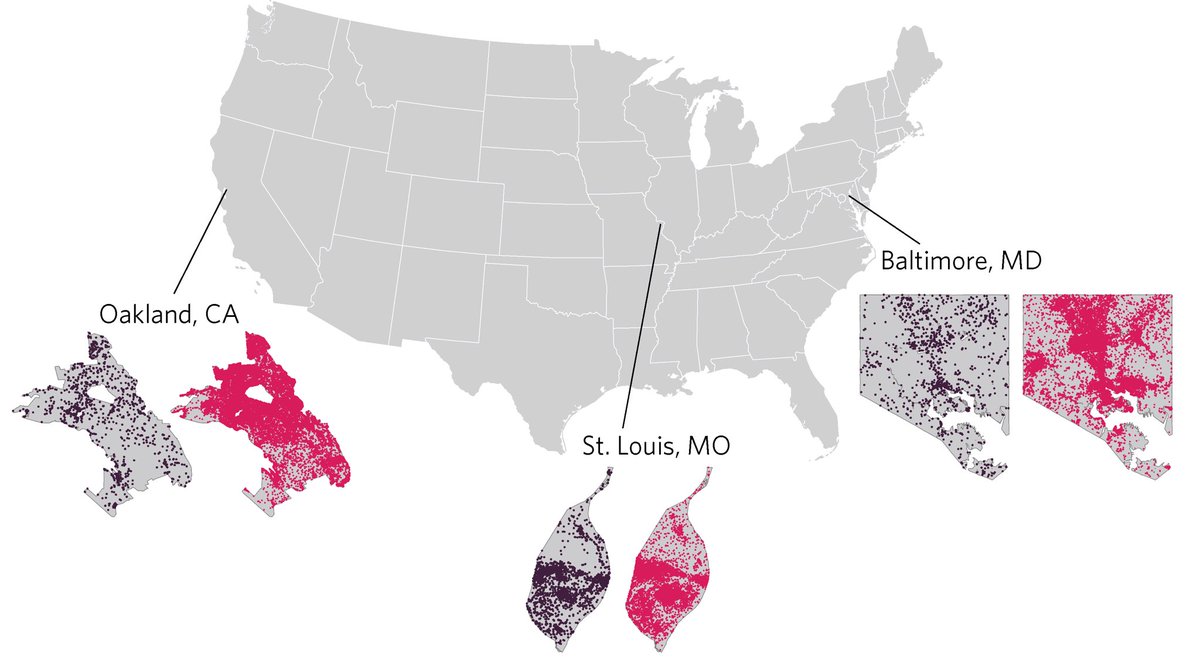
happy to share a new paper co-led w/ @E_Carlen where we find that generally, census tracts w/ less income, less white people, and were previously redlined have less eBird/iNaturalist data than you would expect based on area or population density!
https://t.co/QMU6gVsuZ9
Professor and SJ Hall Chair in Forest Economics Matthew Potts co-authored a new study led by @ConservationOrg that found that well-planned reforestation projects have up to 10 times more low-cost carbon removal potential than previously estimated. https://t.co/orrw6LpnU6
Applications are NOW OPEN for Smith Fellows conservation research fellowships beginning in 2025! View the Proposal Guidelines here: https://t.co/nADdq0nvoA
So excited to share this paper from me, @Ben_R_Goldstein, and Justin Brashares. If you’re interested in diel occupancy models, #cannabis and wildlife, or the variation in animal responses to human disturbance, be sure to give it a read! #cannabisresearch#oregon#RStats