ELFIN B will reenter in roughly 24 hours. ELFIN B's final few days were spent observing reflected radiation belt electrons at low altitudes as well as the effects of increased atmospheric drag on the stability of a spinning spacecraft. #cubesat#amsat#spaceweather#elfinucla
4 years ago today, ELFIN A and ELFIN B blasted off into space on the final #DeltaII rocket to ever launch. The last 4 years proved to be a roller coaster of a journey for many #UCLA students who worked tirelessly to ensure ELFIN reached its maximum science potential. (1/3)
Happy Moon Festival! Sept 10 2022 marks the final science collections ELFIN-A will be making in a grand magnetic conjunction with the THEMIS and ARTEMIS probes since ARTEMIS is perfectly aligned in the magnetotail. We expect ELFIN-A to survive ~7 more days. #cubesat#amsat
What causes "electron rain?"
UCLA scientists have discovered a new source of super-fast, energetic electrons raining down on Earth. https://t.co/05yxtjosUC
ELFIN-A (43617) has just overtaken ELFIN-B (43636) having been in orbit for 848 days!!! Both twin satellites take synchronized measurements as they cross the radiation belts together, allowing us to spatially and temporally resolve various types of precipitation! #UCLAELFIN
Our ground station was graced with a peregrine falcon today! What a rare and incredible sight!!!
The #uclaELFIN team wishes everyone an excellent Thanksgiving that is spent safely/virtually with family, friends, and loved ones! 🦃🦅📡🛰️
@elfinucla@UCLA@UCLAengineering@NASAJPL A 2.5 min condensed youtube video for those in a rush: https://t.co/rJ1l9CCo2s, but def worth watching the whole livestream cuz Anais is so awesome and knowledgeable <3
UCLA students, here's a recent article on how twin cubesats, now in orbit, were designed and built by Bruins to research space weather https://t.co/XqgAg1L5Af
Interested in participating this year? They need software developers, and possibly other positions.
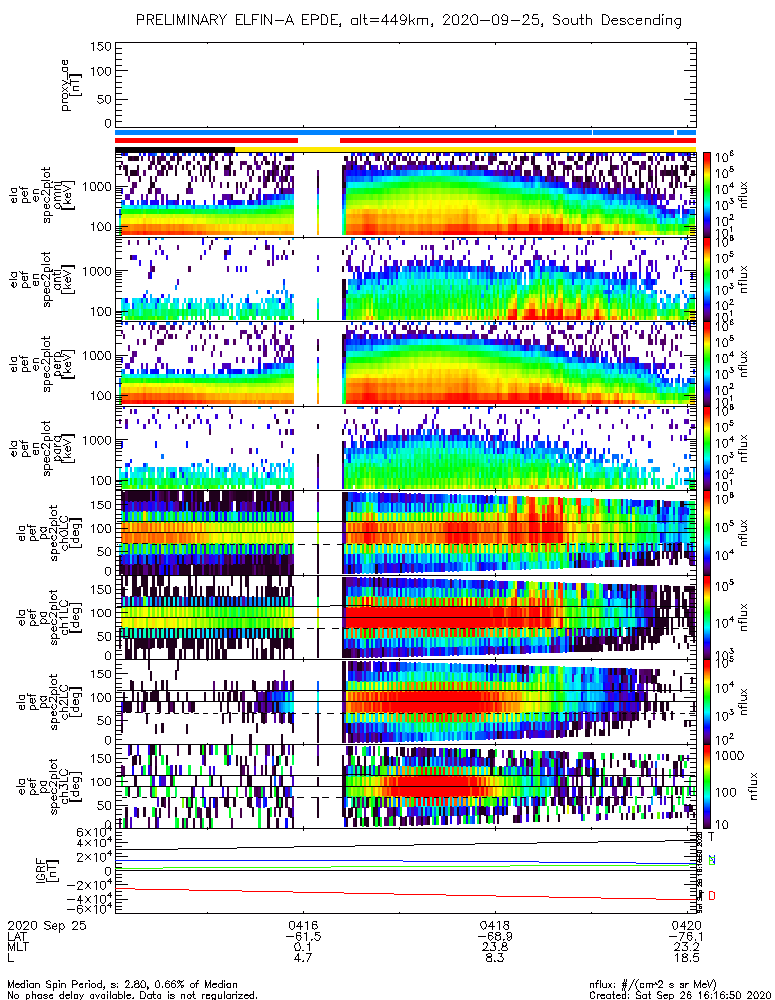
An example of unprocessed electron flux distributions from 9/25 showing some bursty electron precipitation up to 345 keV, plus some >1 MeV precipitation. We are always so thankful those gaps get filled in by @Infostellar_Inc#StellarStation , @NASA_Wallops, and #AMSAT community🥰
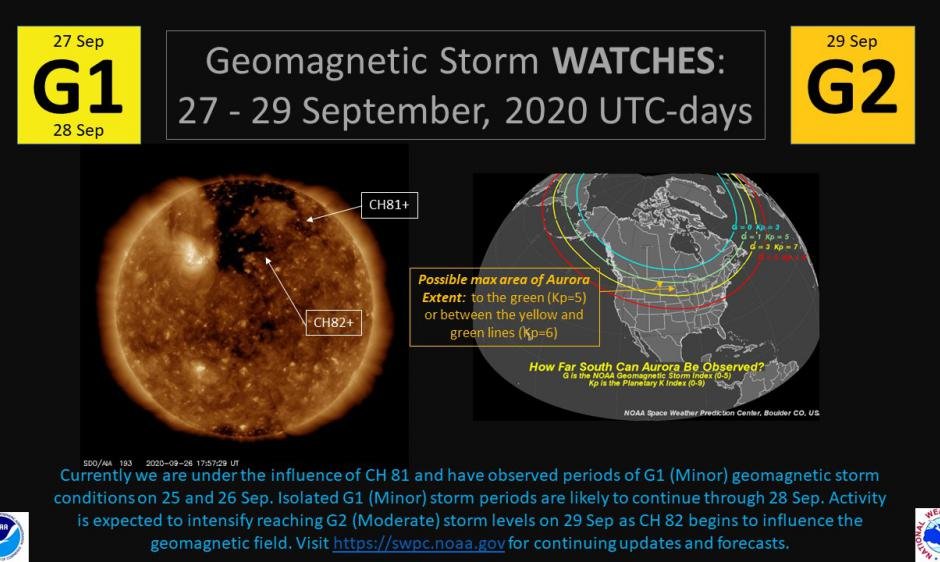
While everyone else is excited about photographing #auroras, the #ELFIN#CubeSat twins are absolutely STOKED to zip through their first G2 storm of solar cycle 25!!! #spaceweather
https://t.co/GDF2flmP1a
Happy 2nd launch birthday to ELA + ELB! All the appreciation in the world to ELFIN’s students, scientists, contributors, and supporters - the mission wouldn’t be here without you. Here’s to more exciting science for years to come!
Proud to share a huge milestone, ELFIN's first peer-reviewed publication, the first of many more! It is Open Access, free to read and download, detailing the spacecraft bus, instruments, and mission design!
https://t.co/WQK1QXjZvp
The NASA #ELFIN#CubeSats beacon their support for the #BlackLivesMatter movement. Our twin satellites will shout their support from 450 km in space before and after our American passes. ✊🏽 Thanks to the #amsat hams that listen to us all around the world!
The #ELFINUCLA satellite is working!
Built by students and launched in 2018, @NASA reports ELFIN is experiencing large magnetic storms and successfully reporting on space weather! All controlled by UCLA #uclaepss students: https://t.co/PNgzbzK81l
So proud of our Bruins!
Earth’s radiation belts are full of charged particles, which sometimes get knocked out of place and fall into our atmosphere — but what pushes them out? A tiny NASA satellite uncovered some clues about this process. 🔍 https://t.co/l6P4IbyajG