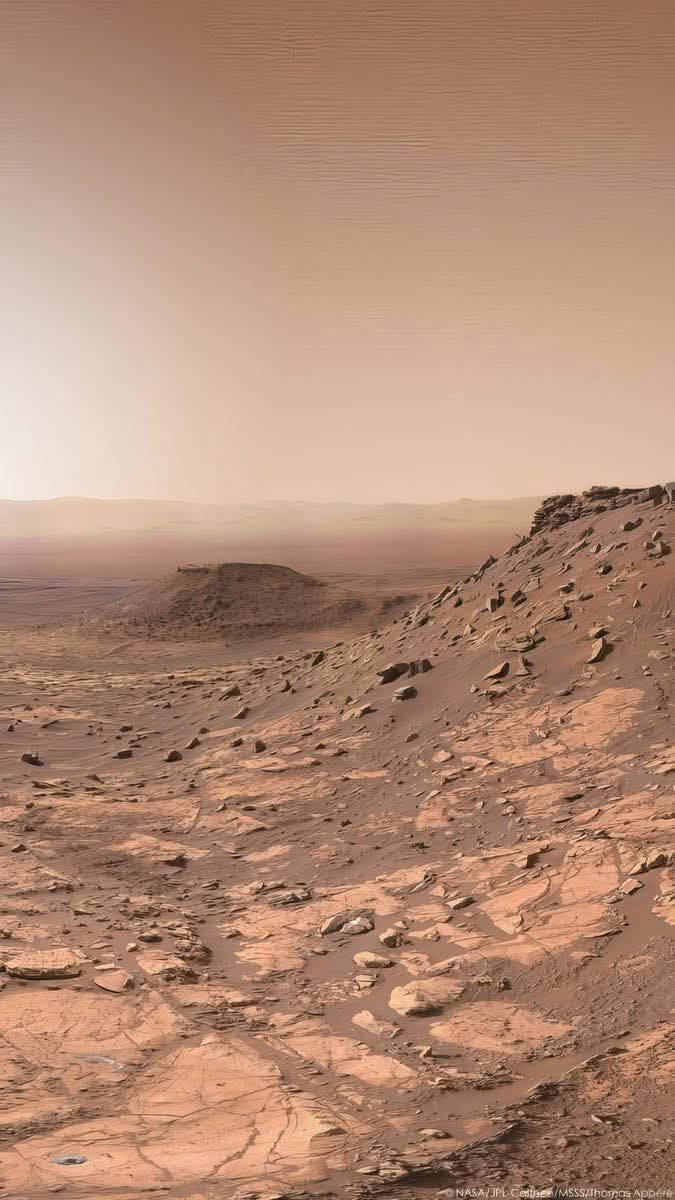
An Unidentified Absorption Feature At 5.11 μm On The Surface Of Titan And Pluto From JWST Spectroscopy
https://t.co/HFQqUwzAWe #astrobiology#astrochemistry
🚨 This is the strongest evidence yet of biological activity on a planet outside our solar system…
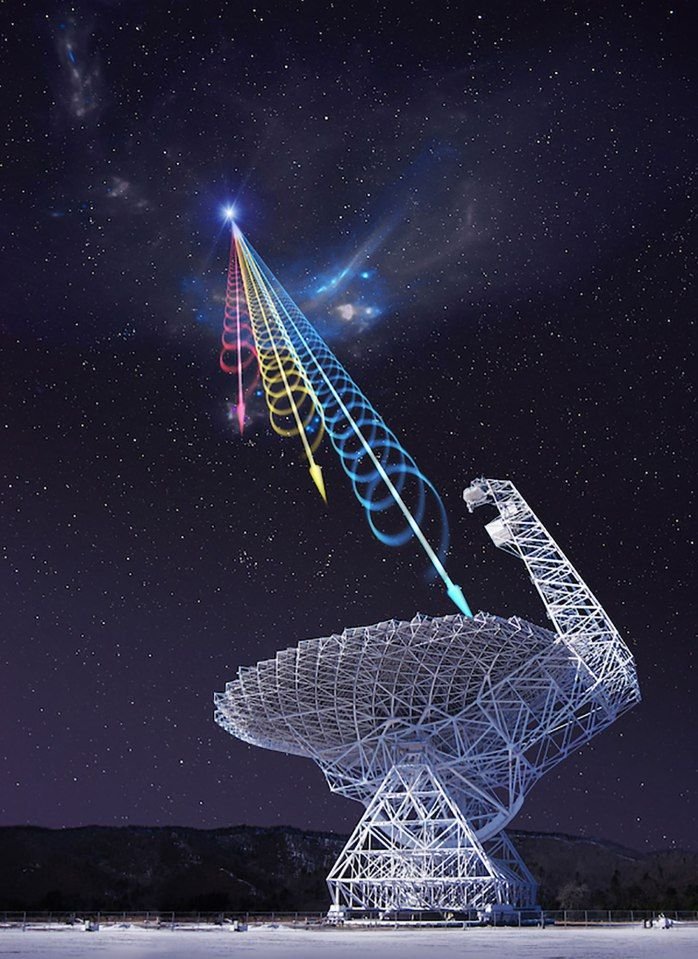
Astronomers using the James Webb Space Telescope have identified traces of dimethyl sulfide (DMS) in the atmosphere of K2-18b, an exoplanet located 124 light-years from Earth. On our own planet, this specific gas is exclusively produced by life, primarily microscopic marine organisms like phytoplankton. This Hycean world, which features a hydrogen-rich atmosphere and potentially vast surface oceans, sits within the habitable zone of its star, making it a prime candidate for hosting alien biology.
While the findings carry a high level of statistical significance, researchers remain cautious, noting that unknown chemical processes could still explain the presence of these gases. However, the detection of DMS alongside previously discovered methane and carbon dioxide strengthens the hypothesis that K2-18b could support life. Future observations are already planned to confirm these results, potentially moving the discovery from a strong hint to a confirmed scientific breakthrough in the search for our place in the universe.
Source: University of Cambridge. Strongest hints of biological activity outside the solar system. University of Cambridge Research News.
The Moon joy didn’t stop after Artemis II — the science continued on Earth. 🌕✨
Teams are now analyzing postflight health data, organ chips from NASA’s AVATAR investigation, and a seven‑hour lunar observation campaign. More: https://t.co/EjPciauaUT
China's Tiangong Space Station is hosting artificial human embryo-like structures derived from stem cells, in what is the first attempt to study human embryonic development in space. Delivered by the Tianzhou-10 cargo craft, the structures are being cultured on uterine cells or inside microfluid chips for five days before being frozen and compared to control samples on Earth. The goal is to understand how microgravity and cosmic radiation affect early human development — a critical gap in knowledge for any long-term human presence beyond Earth. "This is not a real human embryo and does not have the ability to develop into an individual," said project leader Yu Leqian of the Chinese Academy of Sciences. "However, it can serve as a model for studying early human development." The stakes are significant: previous research has shown that human, pig, and mouse sperm become disoriented in microgravity and struggle to navigate the reproductive tract. Jellyfish that spent their early development in space experienced vertigo on return to Earth. On the more encouraging side, mouse sperm stored on the ISS successfully produced healthy pups on Earth, and mouse embryos developed normally in space for four days. Whether human reproduction is viable in space remains unknown — and this experiment is one of the first steps toward finding out.
#Space #China #Reproduction #Science #SpaceExploratio
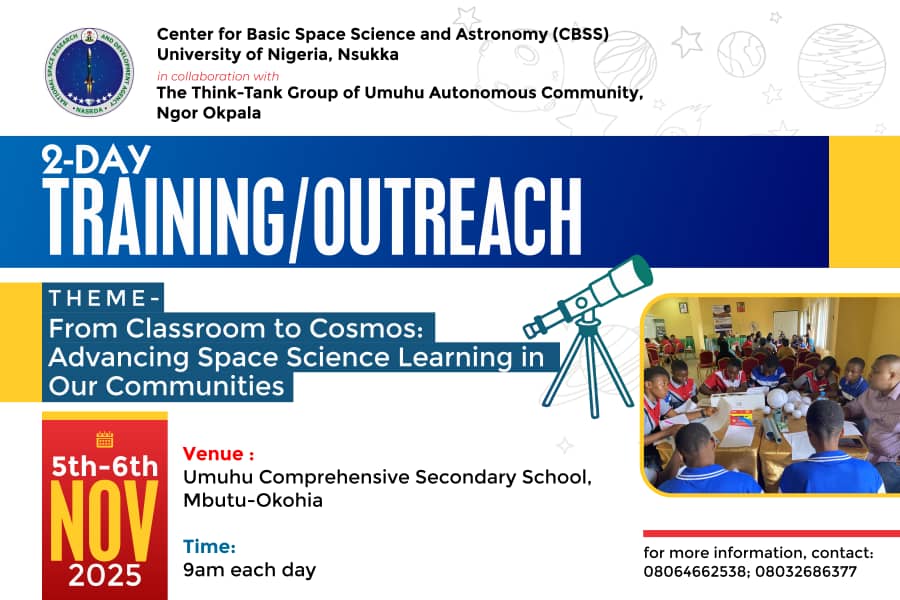
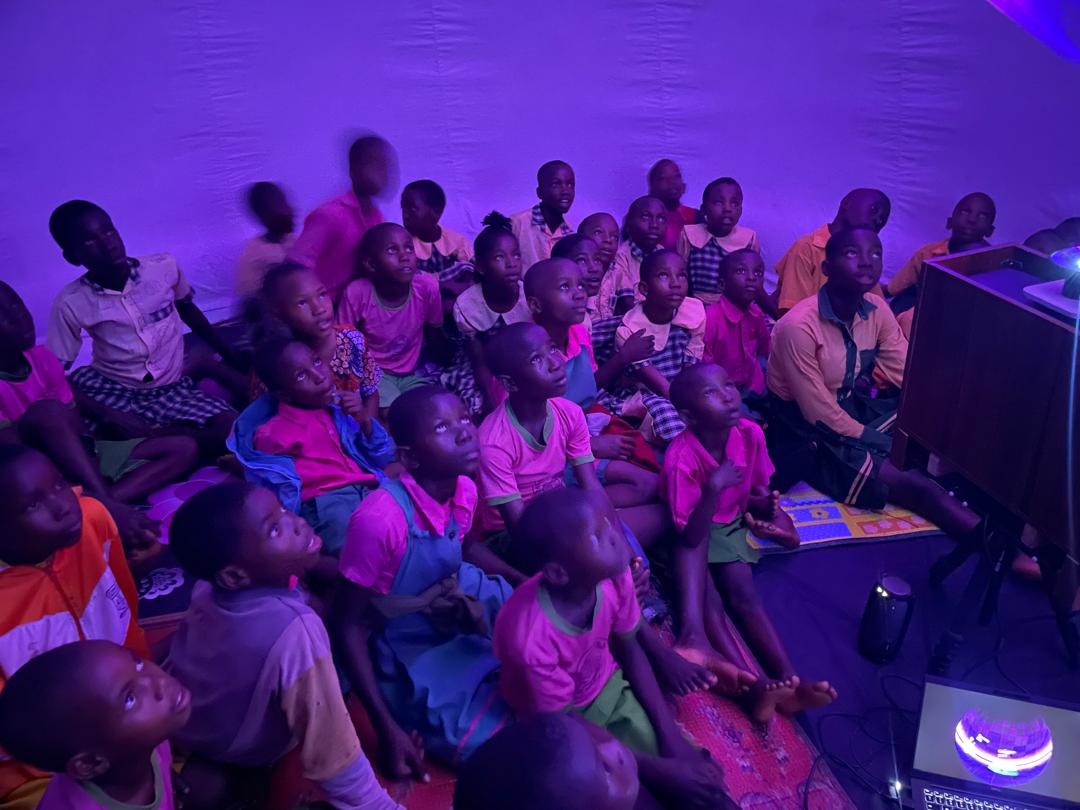
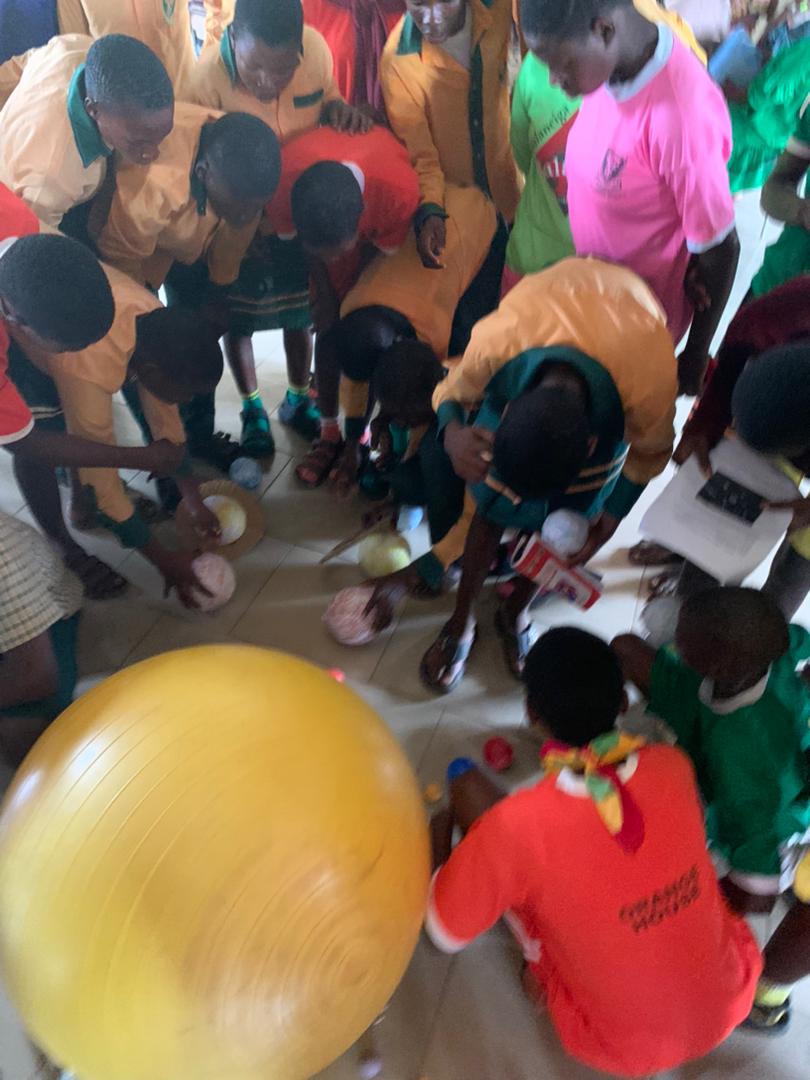
Science Communication in Rural Communities
Snippets from our Space Science/Astronomy Teachers Training and Students' Outreach in Imo State, Nigeria.
Highlights: Workshop sessions, Lectures, Hands-on/DIY experiments, and Planetarium Sessions....
@NASRDA_Official@Nasrdacbss
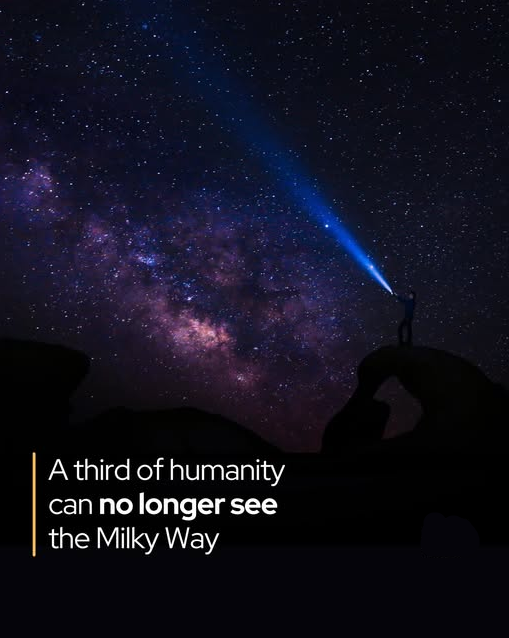
The night sky has gone dark.
The Milky Way guided humanity for millennia – inspiring myths, navigation, and even science itself. But for more than one in three people on Earth, it has vanished.
A global atlas of light pollution shows that the glowing band of our galaxy is invisible to 60% of Europeans, 80% of North Americans, and 100% of people living in places like Singapore, Kuwait, and Malta. In the UK, 77% of the population can’t see it at all.
Streetlights, floodlights, neon, and LEDs bounce light into the sky, creating a “luminous fog” that drowns out the stars. For billions, this cultural inheritance – a view shared by every generation before the 20th century – has been cut off in just a few decades.
Scientists warn this loss doesn’t just affect our ability to dream or look outward. Light pollution also disrupts wildlife, from migrating birds to insects, and can even harm human health.