🤯THIS IS MIND-BLOWING:
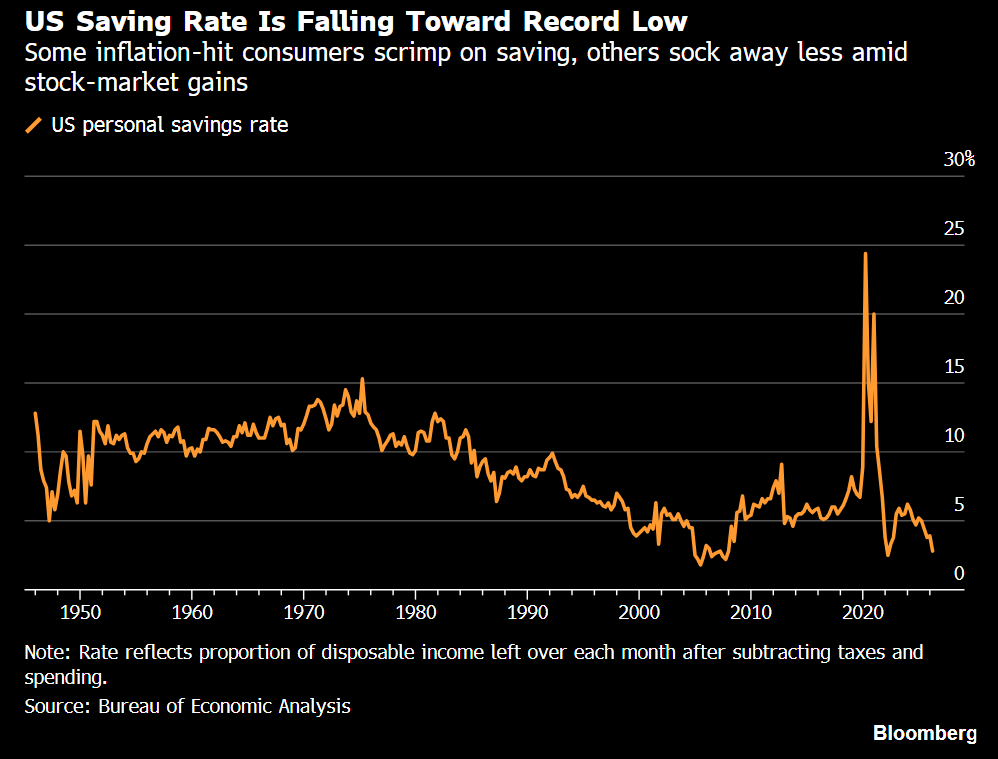
US personal savings rate is down to 2.7%, the lowest since June 2022.
Excluding 3 months in 2022, this is the lowest level of savings since the Great Financial Crisis.
Since the start of 2024, savings have more than HALVED.
To put this into perspective, before this century, the savings rate never fell below 3.5%.
This comes as elevated inflation translates into higher living costs, while elevated borrowing costs erode consumers' ability to save.
The US consumer may be closer to the edge than it looks.
JPMorgan is now forecasting that the seven biggest hyperscalers will spend a combined $1.489 trillion on Capex in 2027 .
That figure is up from $901 billion in 2026 and just $443 billion in 2025, which means spending has more than tripled in just two years .
The growth rate is still running at 65% year over year even after cooling from 2026's explosive 103% pace .
JPMorgan separately projects that total global AI and data center investment could reach $5 trillion to $7 trillion by 2030, which shows this hyperscaler figure is really just the visible tip of a much larger buildout.
Now here is how you can benefit from all of this because none of that trillion plus dollars goes only toward chips, since a massive share flows to the neoclouds, power suppliers and physical infrastructure builders that make the entire buildout possible.
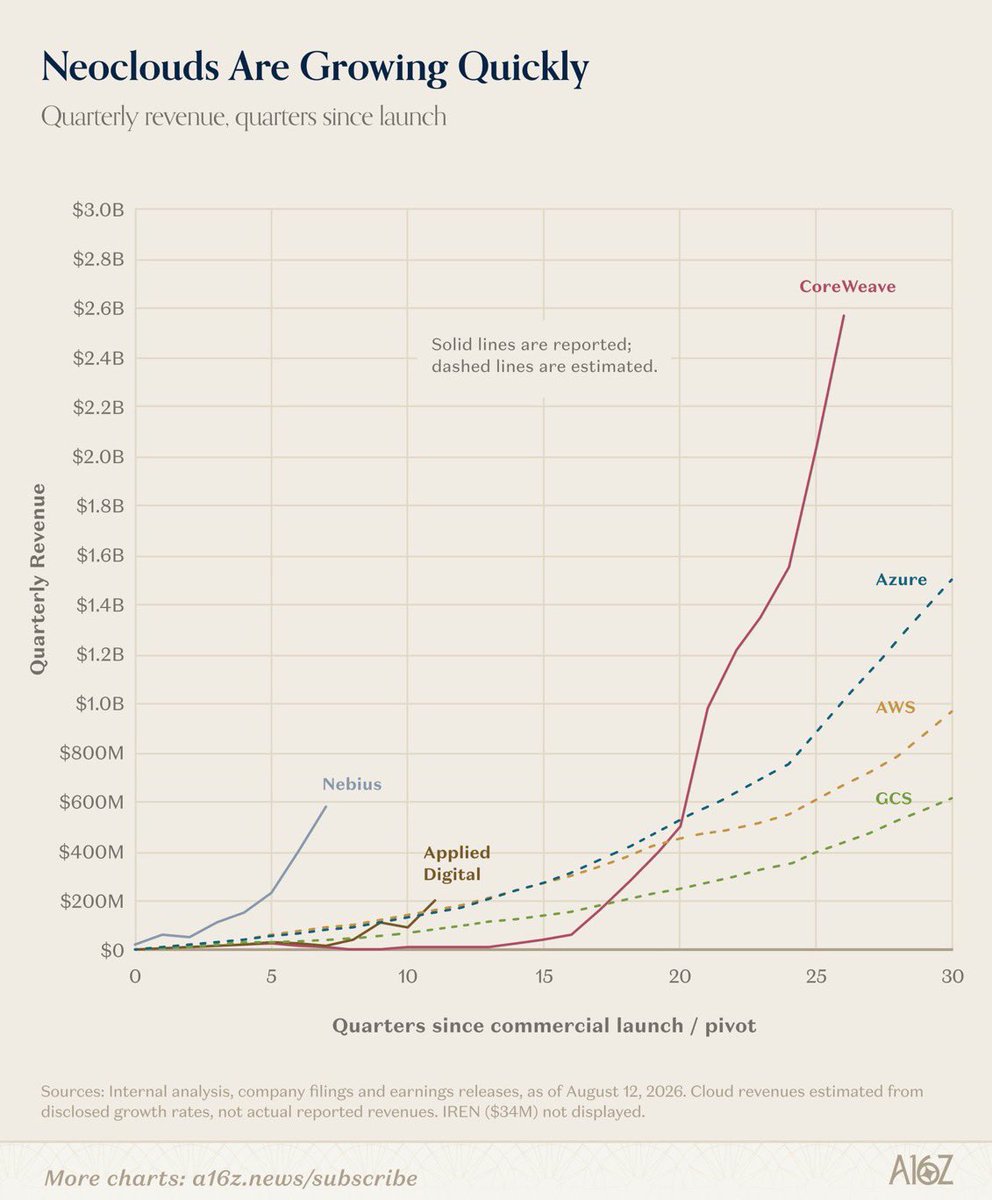
The neocloud layer is where some of the fastest growth in the entire market is happening right now.
CoreWeave, already named directly in JPMorgan's forecast, saw its backlog swell to $130 billion, up from $99 billion just one quarter earlier, and the company raised its full year guidance after a blowout print.
Nebius reported second quarter revenue of $582 million, up 454% year over year, and its stock jumped more than 25% after the print, with the company now holding over $40 billion in customer commitments backed by anchor contracts from Meta and Microsoft.
IREN signed $2.8 billion in new multiyear cloud contracts and raised its year end annualized run rate target to $4 billion.
Grid equipment makers are seeing the sharpest pricing power further down the chain, since transformer lead times have stretched to two to four years and prices have risen roughly 80% over the past five years.
Vertiv has returned roughly 69% year to date on a $15 billion order backlog built from 252% order growth and the company supplies the liquid cooling and power systems that go inside every new facility.
Hubbell and nVent Electric round out the grid hardware group, since both companies supply the transformers, enclosures, and connectors that hyperscalers need to build these facilities.
Electrical construction firms are converting these capex announcements directly into multi year backlogs.
Comfort Systems has returned nearly 88% year to date doing HVAC and electrical work specifically for data centers, while Sterling Construction is up over 122% and Quanta Services has climbed 56%.
EMCOR Group and MasTec are doing similar specialty electrical and mechanical work, riding comparable order backlogs.
Power generation names are capturing a piece of this spending too, since data centers can't wait years for new grid connections to come online.
Caterpillar's Power Generation segment grew 41% for four straight quarters supplying on site backup turbines, while GE Vernova booked $2.4 billion in data center equipment orders in a single quarter, more than its entire prior-year total.
Bloom Energy, Constellation Energy, Vistra, and Talen Energy are all locking in long-term power contracts directly with hyperscalers and neoclouds.
$1.5 trillion in hyperscaler capex has to flow somewhere and I'm tracking every layer it touches from neoclouds and power to cooling, grid equipment, and construction.
The AI infrastructure buildout is just getting started, make sure to follow @MelvinInvests for more AI infrastructure insights and if you want to see exactly what I'm buying as an analyst at Milk Road Pro, you can come join us for just a $1. https://t.co/Hkywss4Ugh
ANTHROPIC PROJECTS $190 BLN-$200 BLN IN REVENUE FOR 2028, ACCORDING TO SOURCES, WITH WALL STREET USING 2028 REVENUE AND AN EV-TO-REVENUE MULTIPLE TO VALUE THE IPO
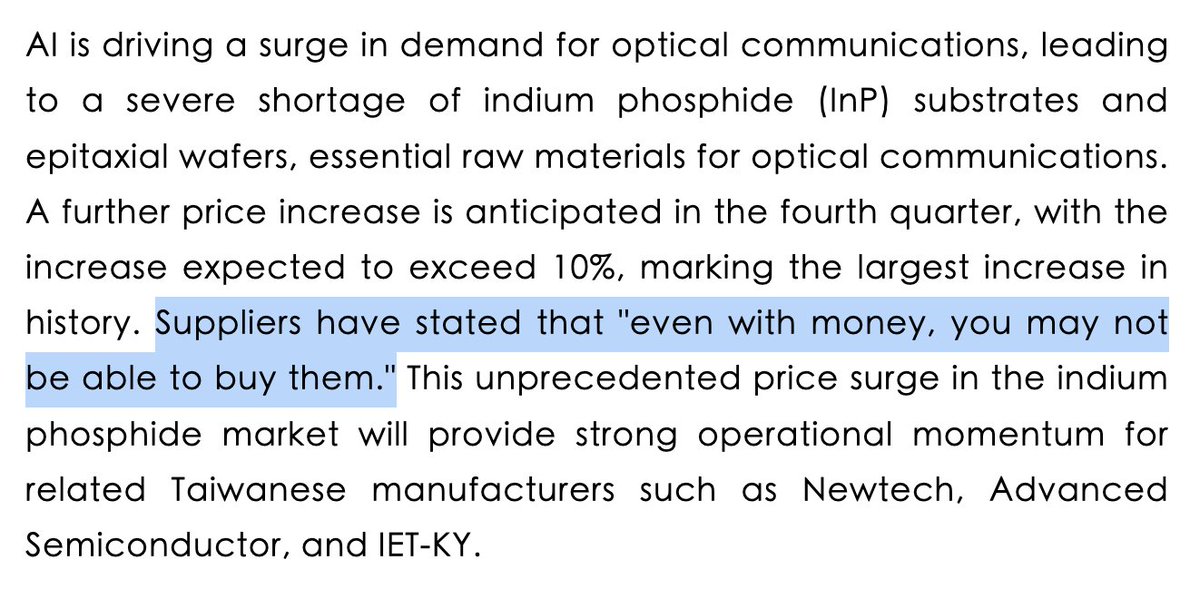
InP shortage is getting worse as expected.
> A further price increase is anticipated in the fourth quarter, with the increase expected to exceed 10%, marking the largest increase in history. Suppliers have stated that "even with money, you may not be able to buy them."
> Industry insiders revealed that the price of indium phosphide substrates started to rise in the fourth quarter of last year and has been raised three times since then, now reaching a "fourth consecutive increase"; the epitaxial wafers made from the substrates have also increased in price twice, and are heading towards a "third consecutive increase" in the fourth quarter, which means that the market supply shortage is more severe than expected.
> Indium phosphide (IP) epitaxial wafers must be manufactured from IPP substrates, but upstream IPP substrate suppliers are constrained by policies and production capacity, and have so far been unable to meet market demand. Due to this supply-demand imbalance, prices have been rising steadily, with increases from the initial 3% to 5%, and the latest news indicates a potential surge of over 10%, the largest increase in history.
We need more InP...
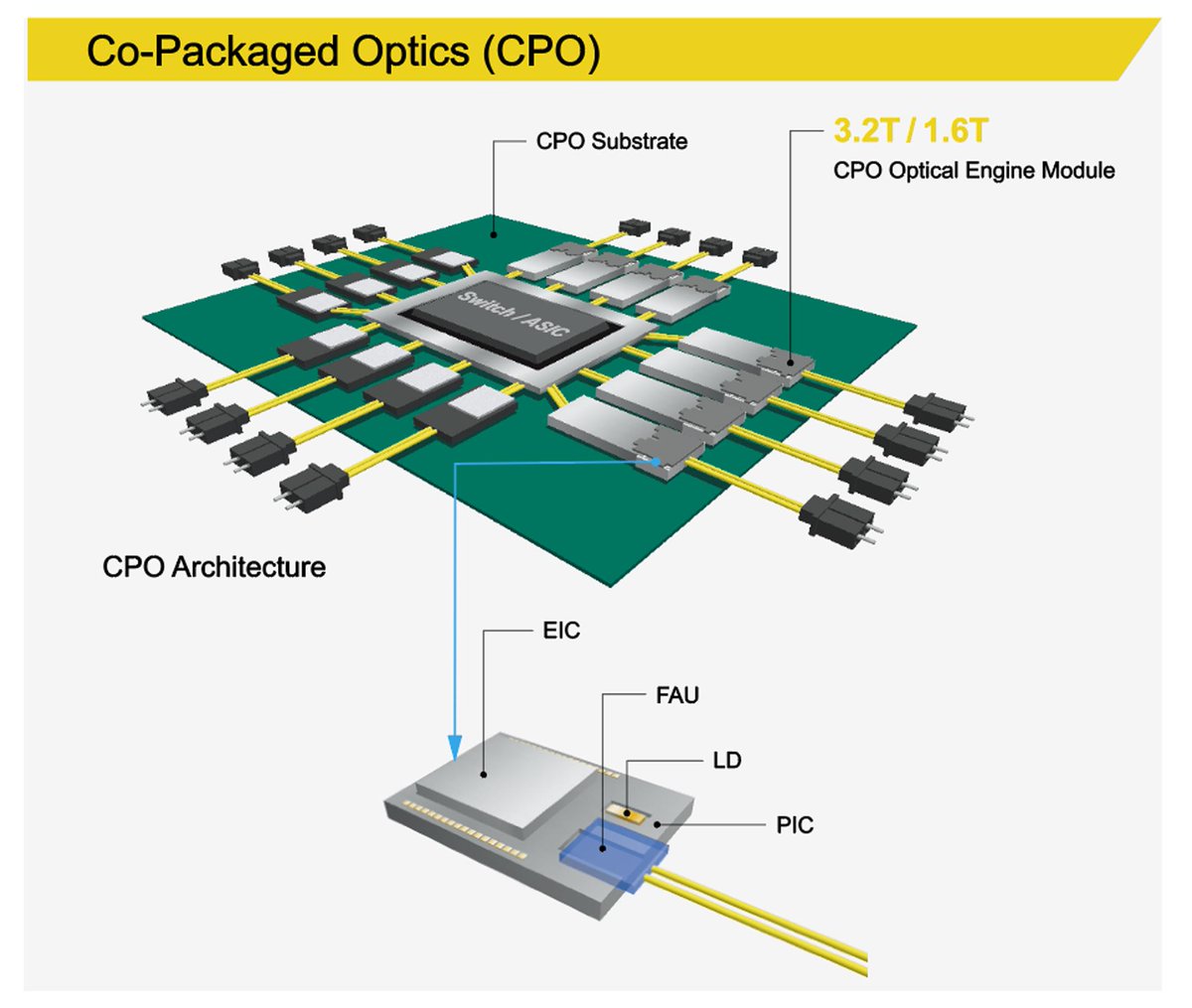
Now that markets are hosting a laser party again from $SIVE, OE Solutions, $LITE, Coherent, to $AAOI.
There’s a pretty interesting study:
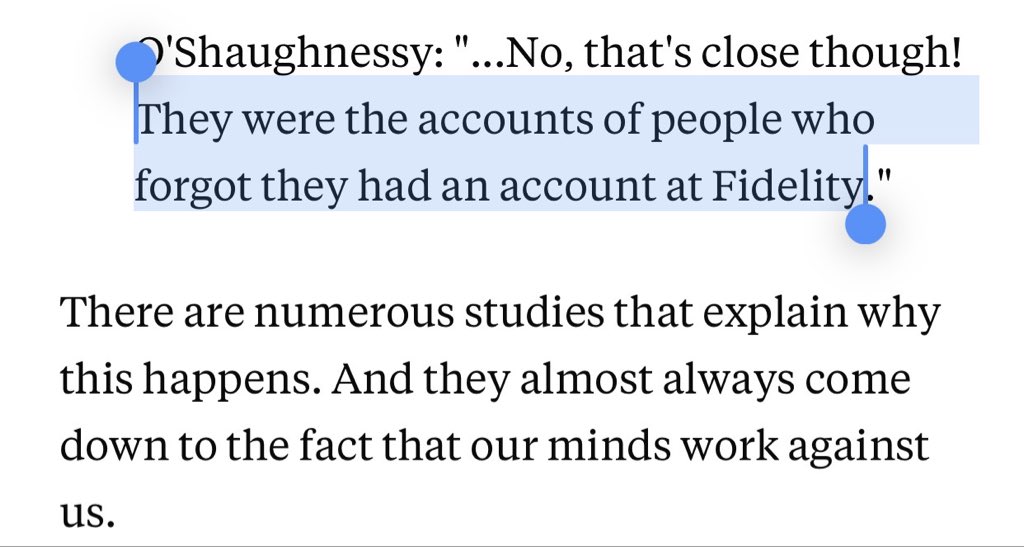
Both from Fidelity and a UC Berkeley research paper, that the best investors are the ones who either…
- Anecdotally forgot about their account (Fidelity)
- Didn’t actively trade/overtrade (18.5% return from infrequent traders vs. 11.4%).
Not any advice, but some of these anecdotes might be helpful to retail to read in general…
Since I witnessed a lot capitulation off memory, photonics, or thematic volatility, just for retail not have positions on a sharp recovery.
Having conviction also usually people in that “not overtrading” camp, since it helps to not overtrade in drops or see opportunities to cost average.