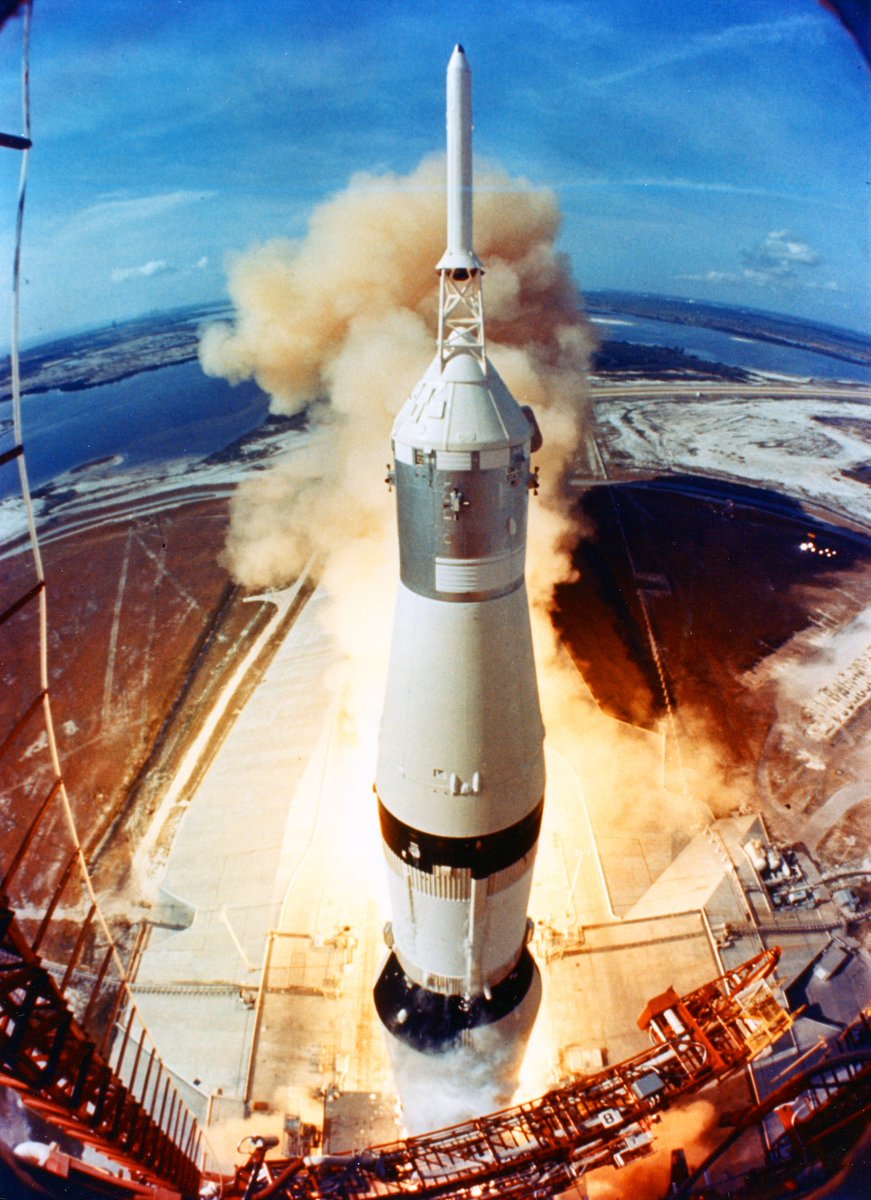
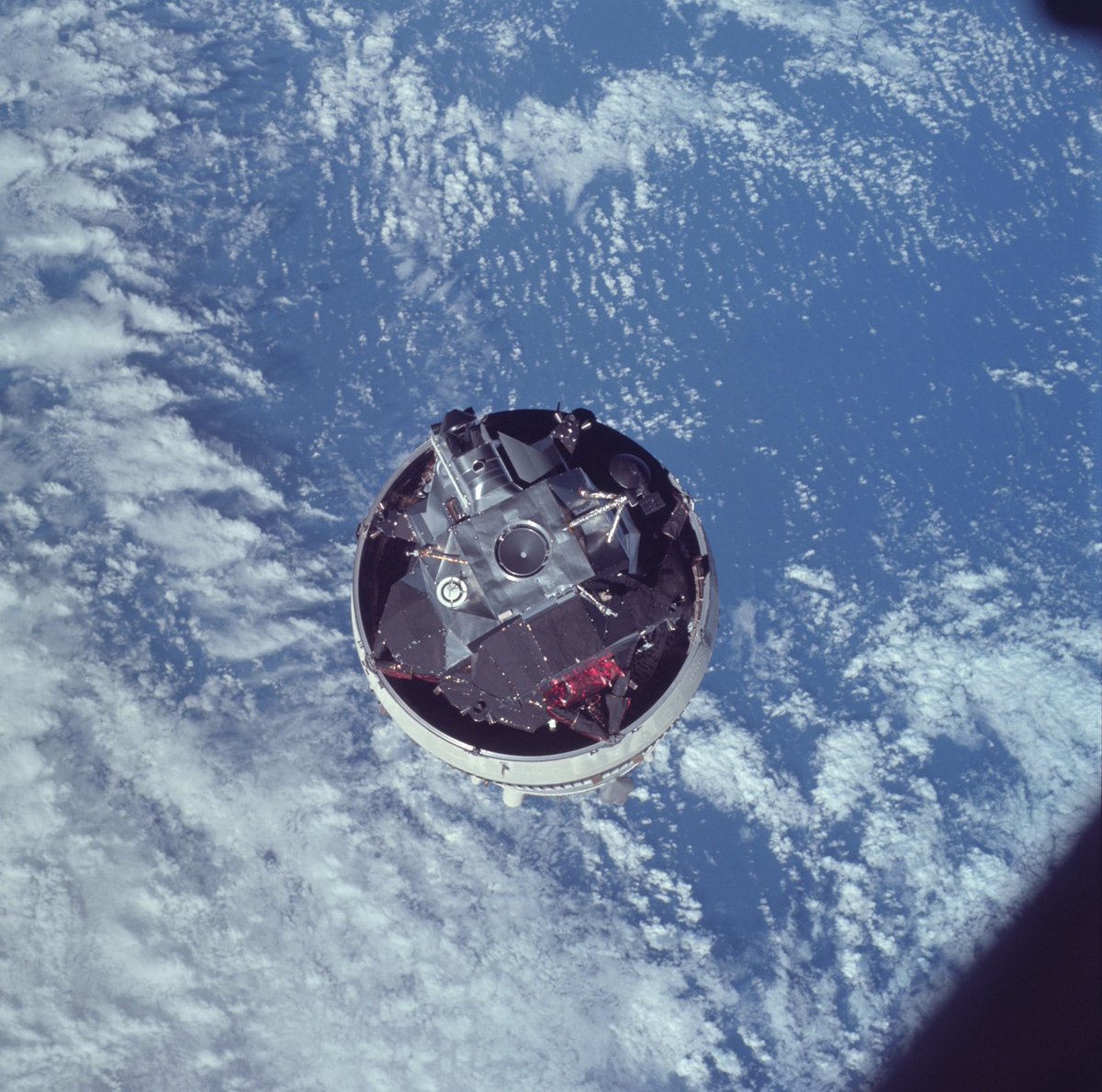
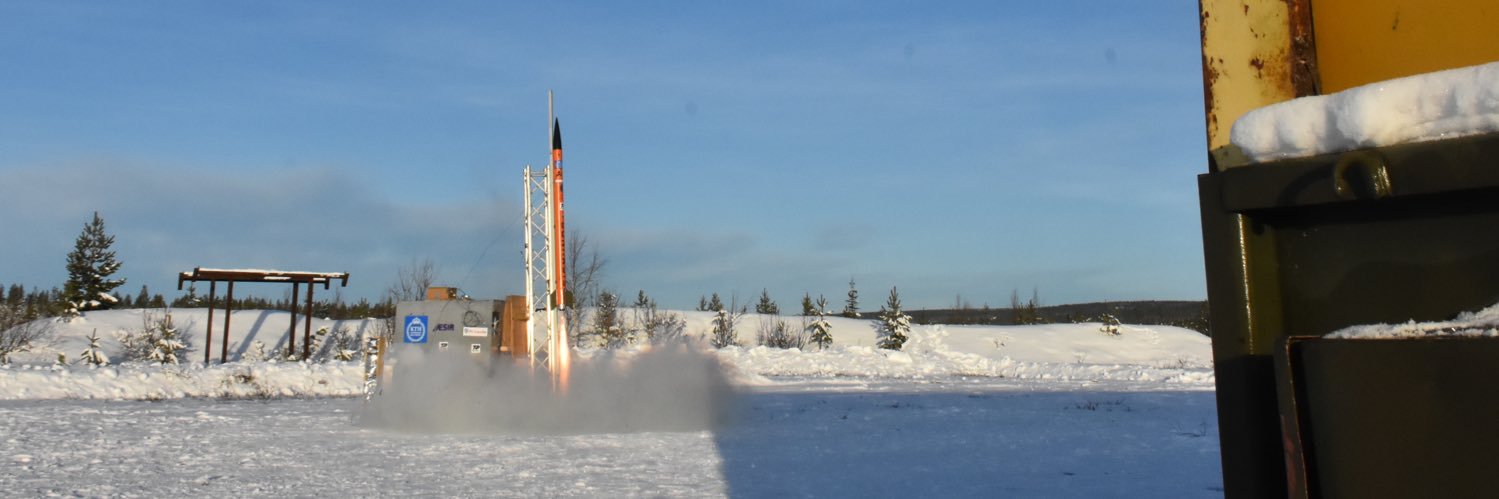
POV: You’re coming home after a journey around the Moon. 🌕
Before reentering Earth’s atmosphere at the end of Artemis II, the Orion spacecraft’s crew module — carrying the astronauts — separated from the service module that provided propulsion and power throughout the mission.
Orion’s crew and service module have separated. The crew module continues on its path towards Earth while the service module will harmlessly burn up in Earth’s atmosphere over the Pacific Ocean. The Artemis II return trajectory is designed to ensure any remaining debris does not pose a hazard to land, people, or shipping lanes.
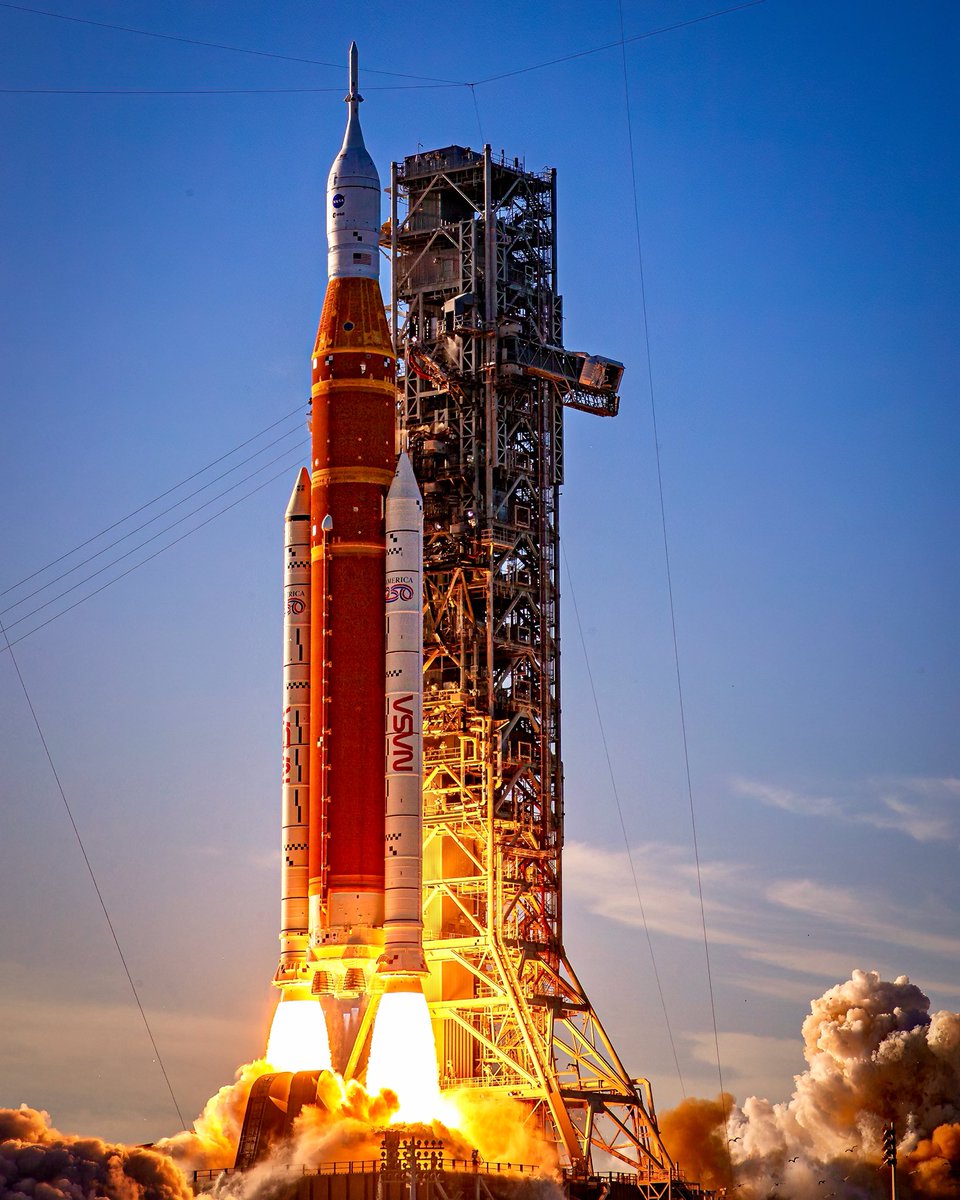
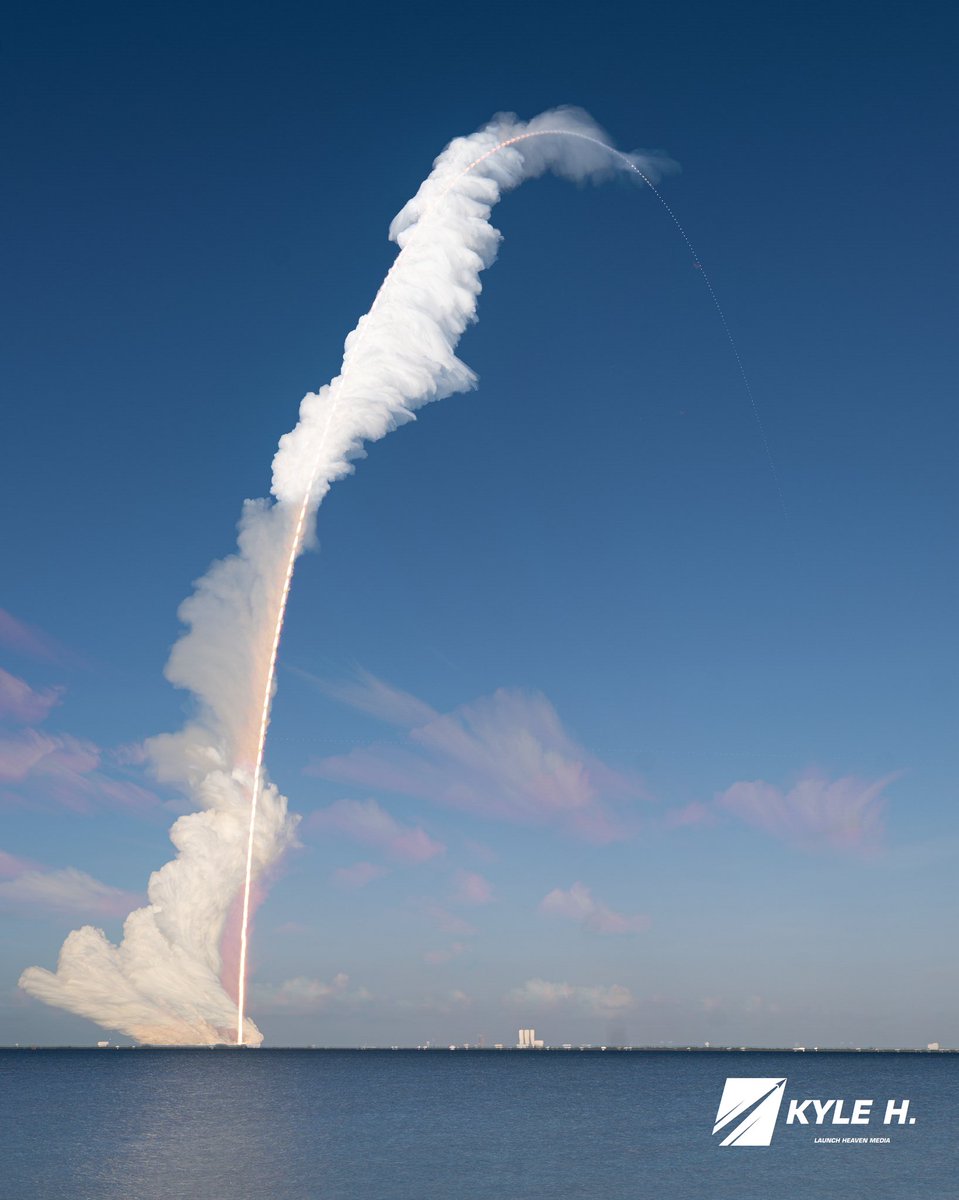
NASA has published some of the best footage yet showing yesterday’s launch of Artemis ll, the first manned mission to the Moon since the 1970s, lifting off from Launch Pad 39B at NASA’s Kennedy Space Center in Brevard County, Florida.
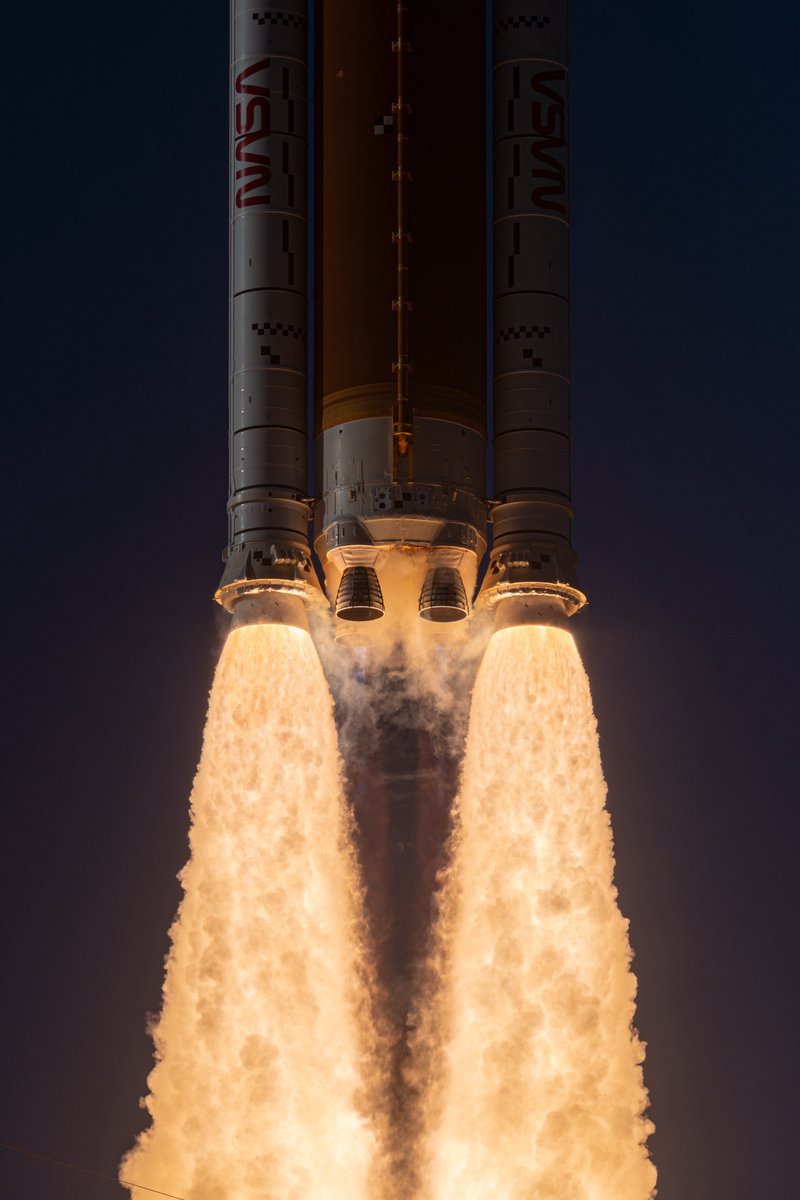
This is the shot you can’t get from the press site. This camera was sitting a few football fields from the SLS rocket at Pad 39B for days before launch, baking in the Florida sun, surviving rain, humidity, and whatever else the Cape threw at it. No photographer behind the viewfinder. Just a camera, a sound trigger, and a bet.
The way pad remotes work: you set your camera up days in advance, dial in your composition, lock everything down, and walk away. You don’t touch it again until after the launch. The shutter fires on sound activation
with a @MiopsTrigger smart+ trigger. With SLS, the four RS-25 engines ignite six seconds before the solid rocket boosters, so the camera is already firing before the vehicle even leaves the pad. You get home, pull the card, and find out if you nailed it or if a bird landed on your lens two days ago and left your a present and you got 400 photos of soemthing crappy.
There’s no formula for protecting your gear this close. Some photographers build wooden boxes with doors that pop open. Some use plastic bags and tape. Some do plastic or metal barn door rigs on hinges. I tend to leave mine open just in plastic rain covers because boxes limit my composition and setup time, but that means your cameras are more exposed to the elements and whatever energy and debris comes off the pad. You’re basically gambling a camera body every time you set one.
That’s what I love about this genre. There’s no playbook. You make it up as you go. Every time is an adventure.
📸 credit: me for @SuperclusterHQ - Artemis II pad remote | ~1,000 ft from Pad 39B | Kennedy Space Center
Oh nice! To be fair it would be nice if React let you specify context that requires values to be provided with a Provider, with no default in createContext 😅
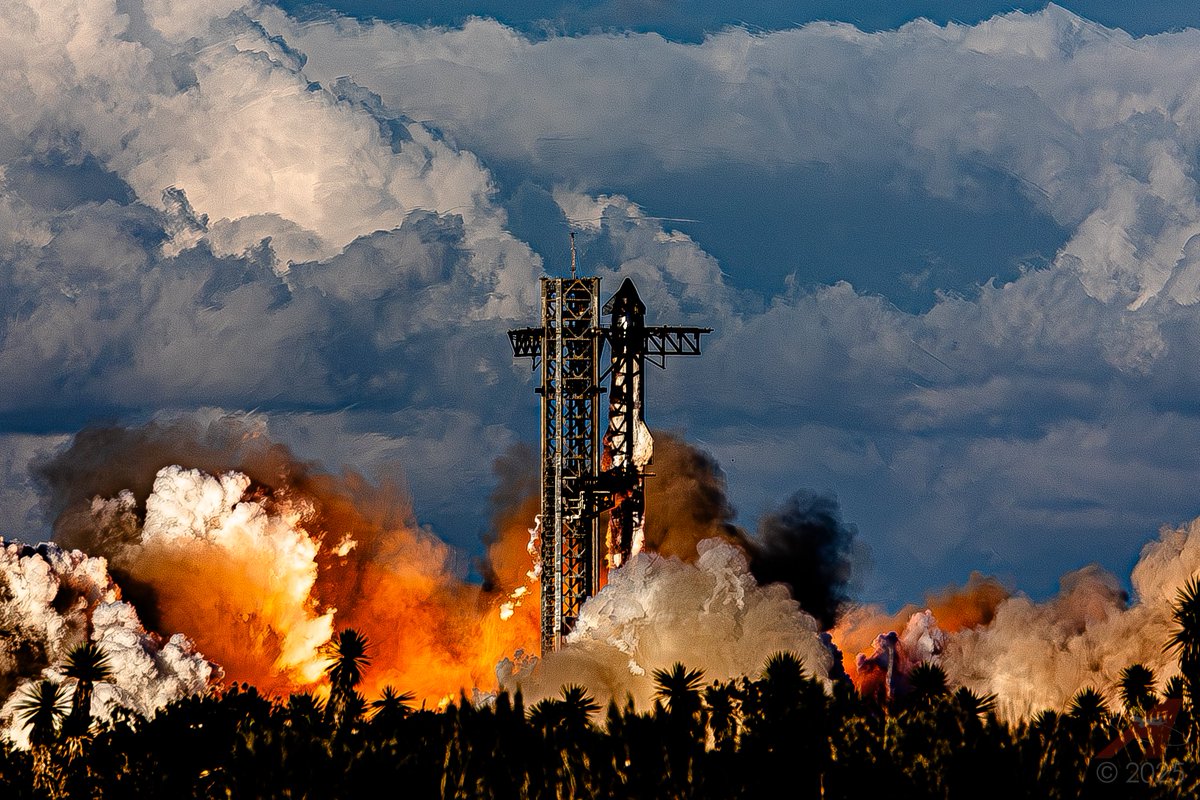
I'm not one for thermonuclear editing, but it's amazing to be able to see the pressure waves emenating from the Raptors as they throttle up to full power.