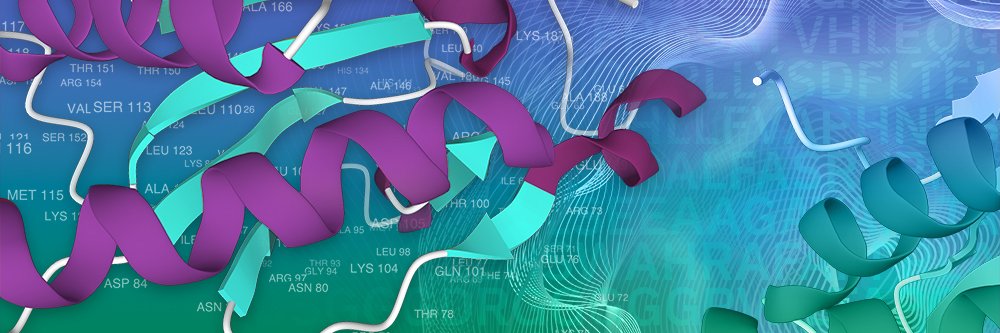
🧬→🧩 Sequences gave us AlphaFold.
👥→🌐 Proteomes now give us ProteomeLM: attention heads self‑discover PPIs, trimming interactome mining from 30 days on 100 GPUs to 10 min on one card.
I think this is the first transformer that reasons over an organism’s full proteome 👀
@NikoMcCarty My team and I had the chance to put AlphaFold3 to the test and I can say it's truly impressive. It predicted how FLS2 proteins bind to flg22 and BAK1 with an accuracy I have never seen before
Over the past few months, my team and I have been dedicated to a project that's very close to my heart. A truly groundbreaking initiative that brings together protein sequencing and artificial intelligence, which will come to light very soon. Very exciting times ahead!
Freeman Dyson once imagined a future where biotech was as personal and creative as gardening. That future is here.
@NickDesnoyer is designing flowers from scratch, using CRISPR and breeding techniques. Can’t wait to read The Flower Designer via @AsimovPress
In 2007, physicist Freeman Dyson wrote an essay called “Our Biotech Future” for The New York Review. In it, he wrote:
“I see a bright future for the biotechnology industry when it follows the path of the computer industry…becoming small and domesticated rather than big and centralized.”
Dyson had recently visited the Philadelphia Flower Show, “the biggest indoor flower show in the world, where flower breeders from all over the world show off the results of their efforts.” And he pondered a future where genetic engineering would enable these breeders to make entirely new types of flowers, unencumbered by the biological limits of evolution.
It seems that Dyson’s “biotech future” is now becoming reality.
@NickDesnoyer, a postdoctoral fellow in the United Kingdom, has already designed and created more than a dozen bespoke flowers. Desnoyer imagines phenotypes in his head and then uses a combination of breeding, CRISPR, and pathogens to manifest those phenotypes in his flowers.
He’s currently working to add new colors to his design palette, including streaks of yellow, amber, purple, and green. All of his flowers are sculpted on nights and weekends, after lab mates have shuffled home for the night.
I’m writing an essay about Nick and his process for @AsimovPress, called "The Flower Designer." More to share soon!
Video below is from Nick's website --> https://t.co/zBcXri7QRX
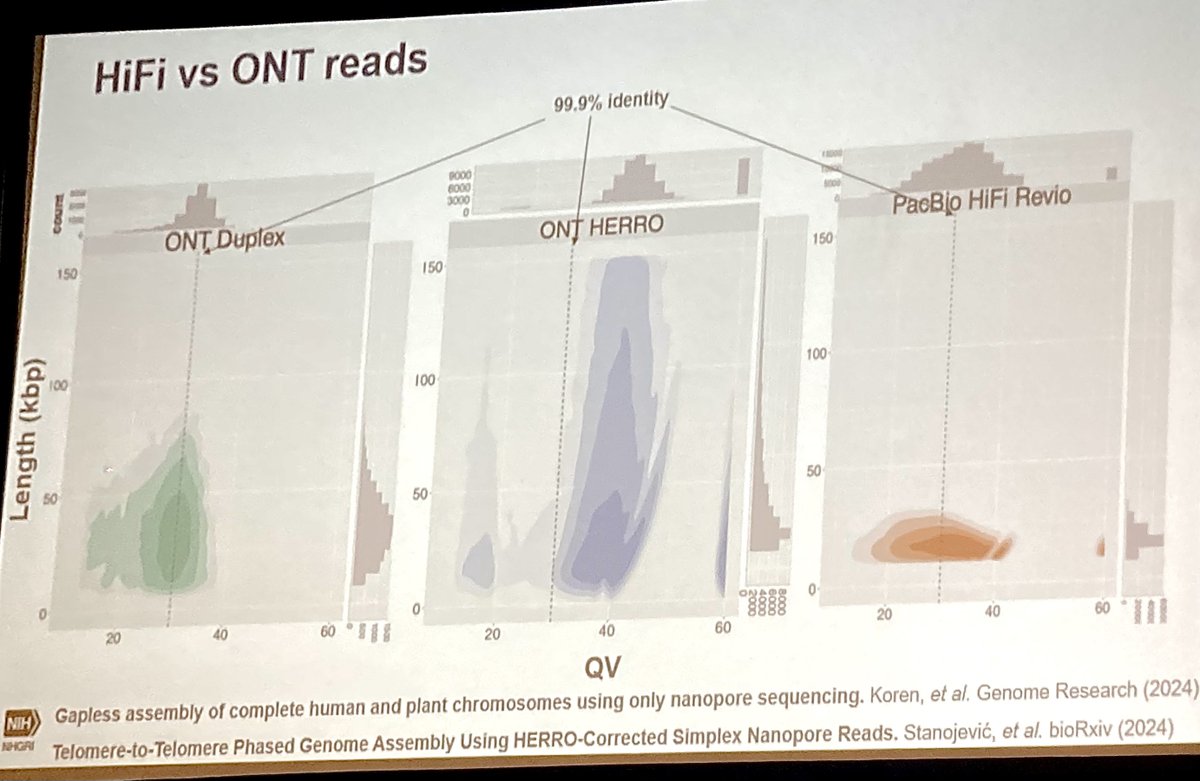
There were remarkable updates presented at #PAG32 on incredibly accurate @nanopore sequencing for applications ranging from telomere-to-telomere plant & animal genome assemblies, to amplicon sequencing at massive scale. Here are some highlights in case you missed them (thread)
William Greene at #LSD2024@hevolution_f aims to revolutionize healthspan science
• Funding cutting-edge research
• Supporting biogerontology investigators
• Translating discoveries into therapeutics
• Launching VC for longevity biotech
Full talk here: https://t.co/B7hrk1CDiQ
@sedefuludagg @ScienceMagazine@ScienceTM Yes, the treatment led to an increase in thymic output, which means more naive T cells were produced. These are essential for immune responses to new pathogens or cancer cells.
@ScienceMagazine@scisignal But how about considering whether targeting AKT might affect normal cellular processes, given its broad role in various signaling pathways? This could lead to unintended side effects as shown in some papers
@MolTherapy I wonder if the potential off-target consequences of exon 27 skipping been evaluated in vivo to ensure sustained restoration of dysferlin function in patients that get this procedure...
Mayo Clinic researchers have pioneered an AI tool, called OmicsFootPrint, that helps convert vast amounts of complex biological data into 2D circular images. "Data becomes most powerful when you can see the story it's telling." - Dr. Kalari. Read more: https://t.co/xYhqvPRbpB
@MolTherapy As someone who's seen the heartbreak that comes with childhood cancer, especially something as tough as high-risk neuroblastoma, I'm genuinely moved by this new research. It feels like we're finally seeing a light at the end of this dark tunnel
@StemCellTracker I first heard Bryan speak when I attended the Longevity Summit in Dublin, he is doing a really great service to science by conducting these tests on himself
@MolTherapy I fell really lucky to live in a time when scientists are using rational design to craft gene therapy vectors with such accuracy, making treatments not only more effective but also safer for a variety of diseases. The future is really bright for a lot of sick people!