NSSF Voluntary vs Mandatory Savings; what’s the difference, and how can Smartlife Flexi (Voluntary Savings) work for you? Amanda Achieng Owori, NSSF Area Manager - Tororo, breaks it down showing you how to take control of your financial future and start saving with purpose.
Video showing Electoral Commission officials ticking all ballot papers in favor of Museveni at a polling station in western Uganda. This is what Museveni and his criminal system call an election! We campaigned. We voted. We tried to protect our vote but the criminals arrested or abducted many of our agents and officials. The only recourse is for the PEOPLE OF UGANDA to reclaim their voice. That is why we called this a PROTEST VOTE.
Please keep those videos coming in - and all other evidence of the theft that took place on the 15th.
#FreeUgandaNow
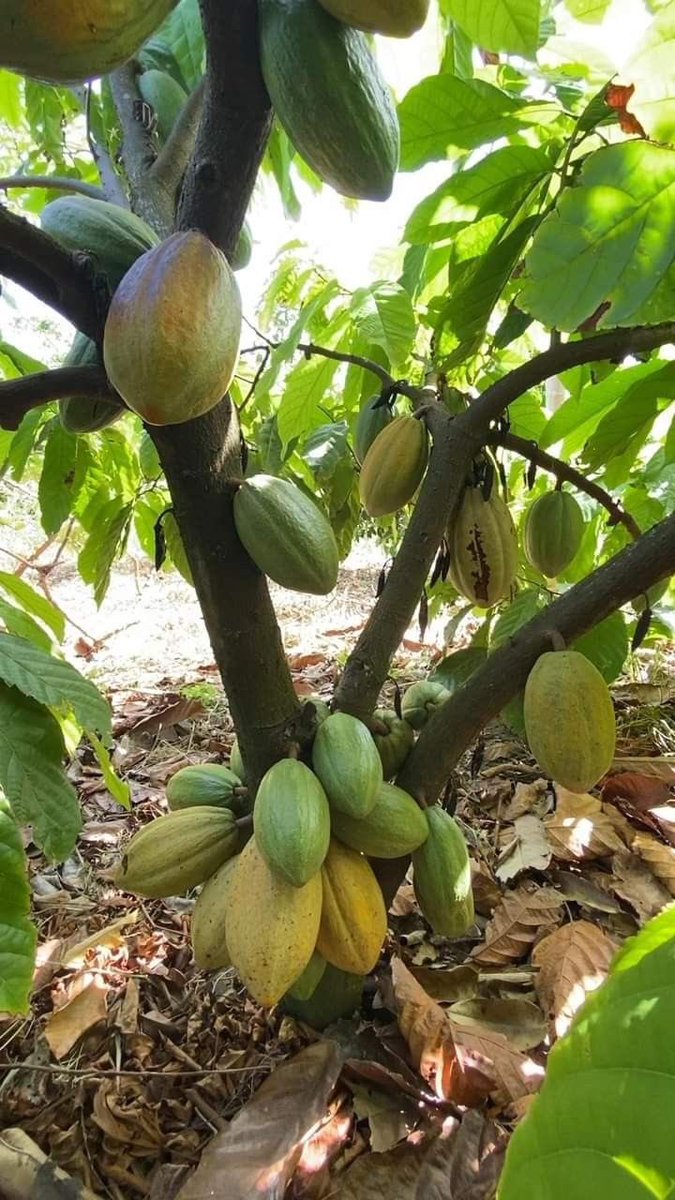
Let’s compare Coffee and cocoa today
Many people in Uganda have been reaching out to me with the same question:
“If I’m starting today, should I invest in coffee or cocoa?”
Let’s me be very honest and practical.
Coffee attracts most investors because it promises faster cash. And that part is true but only under strict management. In Uganda, a well-managed coffee garden can start giving meaningful harvests between 18 and 24 months.
On average, a serious farmer can hit between 1 to 2tns/Ha.
When harvesting is done properly and coffee is well dried and clean, farm-gate prices can range between UGX 10k and 15k per kilogram.
But here’s the reality most people ignore: the same coffee handled badly, immediately drops to the lowest price. Coffee does not forgive poor agronomic practices , weak feeding, careless harvesting or bad drying. One mistake in a season can wipe out expected profits.
Cocoa is different. It is slower and demands patience. Most cocoa farms in Uganda begin to harvest after 2.5 to 3years .
At maturity, yields often range between 800 and 1,500 kilograms per hectare. Cocoa doesn’t shout when it’s being mismanaged it punishes you quietly.
Pests, black pod disease and poor fermentation slowly eat into your income until you realize the business is no longer making sense.
However, when cocoa is managed properly, it offers something many investors want: stability. Demand remains strong and once you understand fermentation and processing, margins improve significantly through value addition.
What I’ve learned on the ground is this: people lose money not because they chose the wrong crop but because they invested without understanding what the crop demands from them every season.
Coffee works best for people who have reliable labor, strong supervision and tight post-harvest control while Cocoa works best for those thinking long-term, willing to wait and interested in building a stable system with processing potential.
Both crops are worthy investments in Uganda. The real danger is treating either of them casually.
So the question shouldn’t be “Which one makes more money?”
The real question is “Which one can I manage properly, year after year?”
Because in agriculture, the system makes the money not the crop.
If you’re thinking of investing in coffee or cocoa, let’s talk for a more detailed explanation about the two crops
For God and my Country