Results for 'Sustainable energy transition for Pakistan: Assessing the role of energy, water supply, social and gender equity dimensions' on Friday, 15.12., at 11:15 CEST. @eyshaw1 (Ayesha Sadiqa) defends her dissertation. Details & links: https://t.co/4tcG1W6Rpg
Look at all the rubble in the background. The homes people were forced out of or blown apart while hiding in. I don’t think I’ve seen an image that better sums up the 21st century. This is the culmination of identity liberalism’s transformation into genocidal fascism
“It is estimated that within just 4 million years, and provided humans are completely extinct, biodiversity on the planet may recover fully from the 6th Mass Extinction. Earth can, and will, continue without humans. Humans cannot continue without Earth” #ecology#amwriting
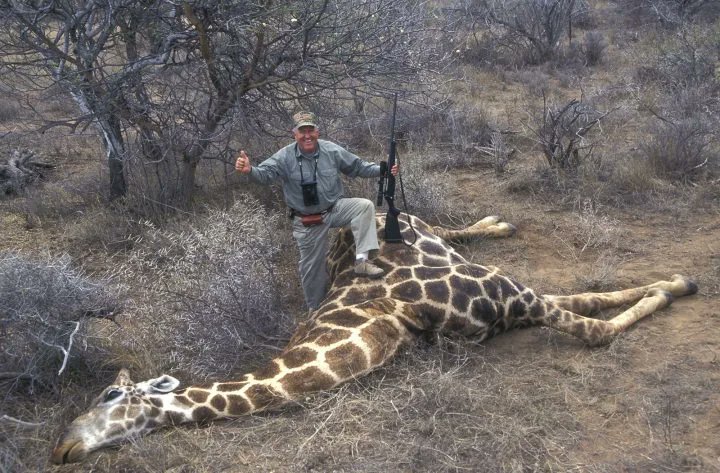
"Well done. You managed to shoot a stationery, 14 foot peaceful creature with a high velocity rifle. Very sporting!" ~ @RickyGervais.
RT if you want a WORLDWIDE ban on #trophyhunting.
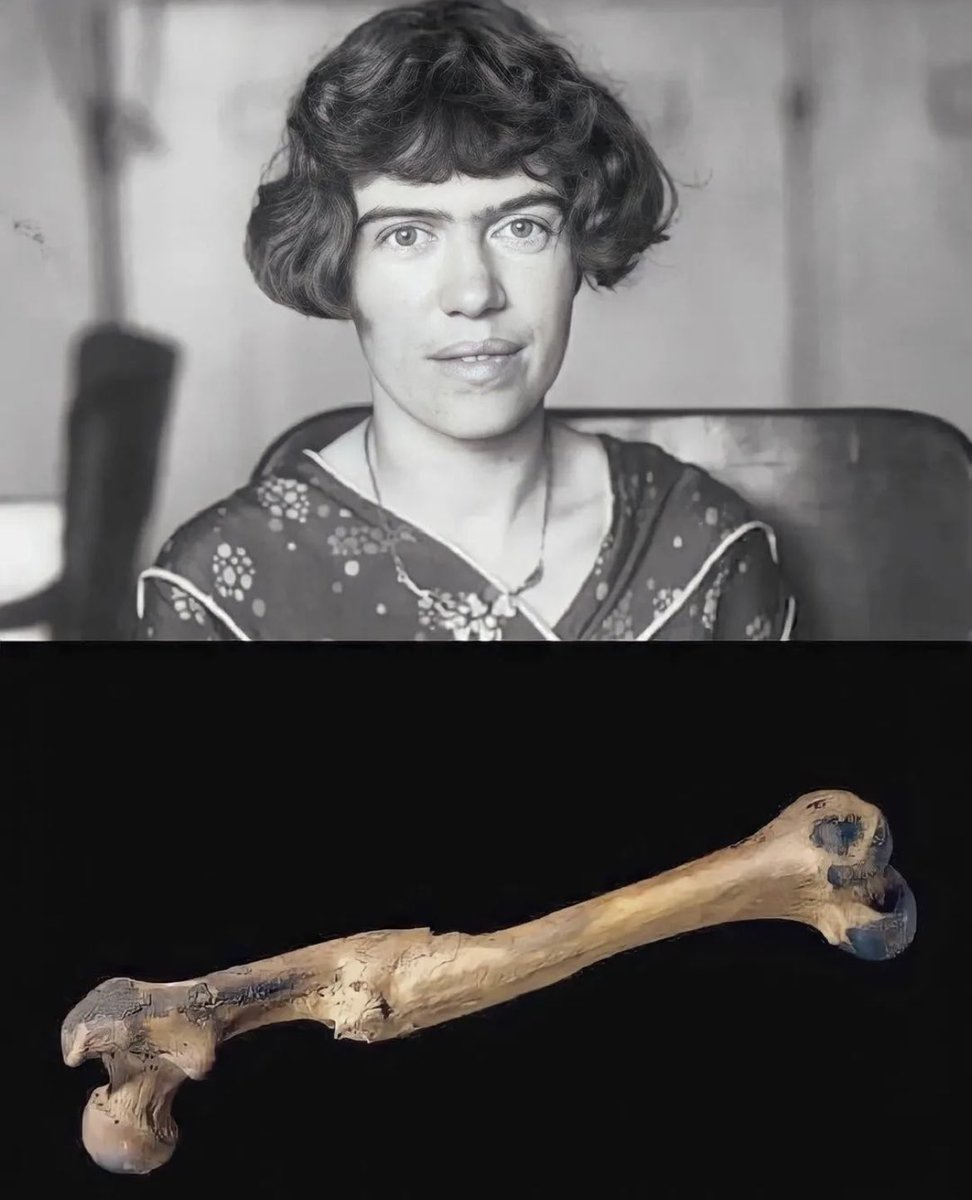
The concept of civilization is often associated with various tangible artifacts and advancements, such as tools, architecture, or systems of governance. However, anthropologist Margaret Mead presented a different perspective when she was asked about the first sign of civilization in a culture. Rather than focusing on material objects, she emphasized the significance of a healed femur bone.
In Mead's view, the animal kingdom provides a stark contrast to human civilization. When an animal breaks its leg, survival becomes nearly impossible. The inability to escape from danger, access water, or procure food renders the injured animal vulnerable to predators. Consequently, no animal lives long enough for a broken leg to heal naturally. Thus, the healing of a femur bone is a profound indication of civilization.
Why is a healed femur bone considered the first sign of civilization? Mead's explanation lies in the collective care and empathy demonstrated by a community. When someone breaks their leg, it is a moment of extreme vulnerability and danger. However, if the injured individual receives aid and support from others, they can overcome this critical period.
The act of caring for someone with a broken leg requires time, compassion, and a sense of responsibility towards others. Mead suggests that the healing process involves multiple steps. First, someone must have witnessed the accident and recognized the injured person's distress. Then, they would have provided immediate assistance, possibly by binding the wound and ensuring the person's safety. Finally, they would have stayed by their side, offering ongoing care and support during the recovery period.
By highlighting the significance of collective care, Mead emphasizes that civilization begins with the recognition of the suffering of others and the willingness to help. It is through acts of compassion and support that a community establishes its foundations of empathy, cooperation, and social cohesion. The healing of a broken femur, symbolizing the survival and recovery of an individual within a community, reflects the values and actions that underpin a civilized society.
Mead's perspective challenges the notion that civilization is solely determined by material progress or technological advancements. While such developments are undoubtedly important, they are built upon a deeper foundation of human connection and mutual aid. The healing of a broken femur bone serves as a metaphor for the care and support that individuals provide to one another, promoting the well-being and progress of society as a whole.
In conclusion, Margaret Mead's unconventional response to the question about the first sign of civilization reminds us of the fundamental importance of collective care. Civilization, she argues, is not solely defined by tangible artifacts or structures but by the empathy and support extended to those in need. The healing of a broken femur bone represents the compassion and responsibility that underpin a civilized society, highlighting the significance of human connection and mutual aid in fostering progress and well-being.
👏 Huge standing ovation for @drvandanashiva at #BeyondGrowth conference as she states that "the ecological problem began with the colonial problem", making a powerful case against putting a price on nature
Capitalist growth in the global North has always depended on cheapening labor and resources in the South. To end this violence we need a post-capitalist transition. https://t.co/1qa6lDMJMf
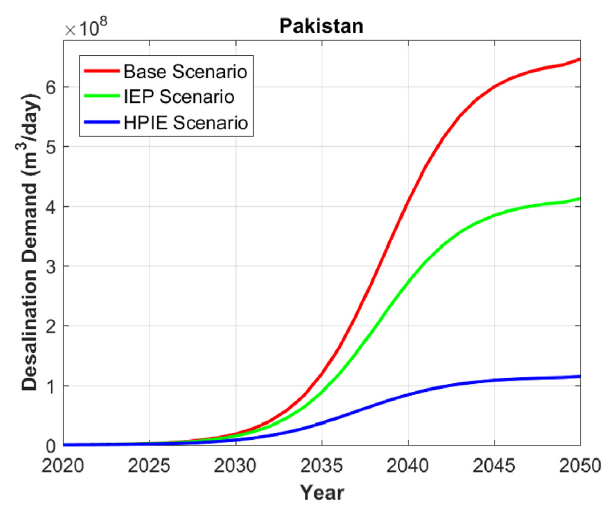
new @UniLUT research focusing water supply challenge #Pakistan & options for sustainable #100RE based desalination: https://t.co/HwTABTcNnY insights: higher irrigation efficiency reduces water demand; 0.6 €/m3 water cost; low-cost solar & battery key enablers @UpekshaCaldera
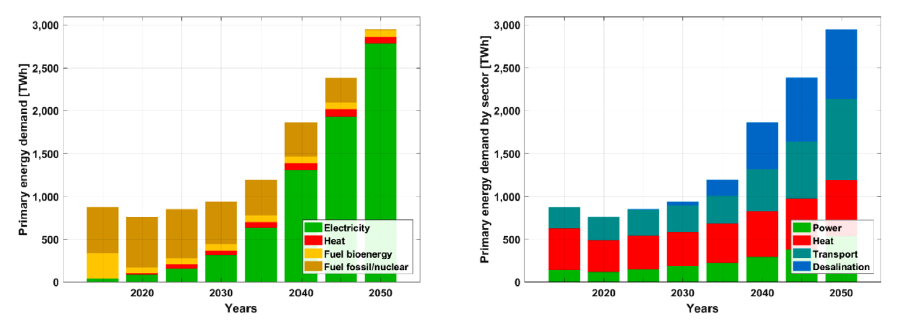
new @UniLUT research #100RE#Pakistan: https://t.co/5cIoNGPfEP . Findings: Solar energy to provide 90% of primary energy to cover all demand. Energy cost declines while full defossilisation is executed. Water stress can be overcome. @mzjacobson@ProfStrachan@BrianVad@EWGnetwork
Sorry to sound extra angry today. But seriously. I mean seriously. Look at the headlines. Flood, fire, drought, plague. Millions more dead, just revised upward. And billionaires in dick rockets going to space for giggles. Fuck this insane jaw dropping dystopia