People are starting to get setup and ready for the first ever SCSN Conference! The SCSN is getting together today to review network operations, introduce projects, and generally get to know each other better since the SCSN hasn't all congregated in a while!
#SCSN
It was an incredible day at the First Annual SCSN Conference! Participants shared aspects of their divisions new to others, current research, updates, and much more! Truly an inspiring group of people to have the honor to work with! And congrats to the crossword winners!
The space debris entering the atmosphere yesterday morning appears to have crossed over our Ridgecrest DAS array around 1:47am! You can see the near horizontal line from the sonic boom in the Live DAS Display and the wide arch at a magnified view of <2min!
Want to know what data the #SCEDC has? Check the new Data Discovery Map showing the archives for stations, along with local faults! Stations featured have at min: continuous wfms, event windowed wfms, or labeled seismic phase arrivals from SCSN processing! https://t.co/cRlpxn4QRF
This quake is M4.2 2 miles SW of San Bernardino. Location is pretty deep (15 km) very close to the San Jacinto fault. That part of the fault is generally locked - it had a M7 in the 19th century. We often see small quakes like this below locked segments. https://t.co/fEtrcCIsBW
Happy Thanksgiving from all of us at the Caltech Seismological Laboratory! Grateful for the seismic shifts in knowledge, the strength of our scientific community, and the stability of our research. Wishing everyone a day filled with warmth, joy, and calm seismicity!
New paper in @ScienceAdvances
Using DAS deployed on existing telecom cables, we created new images from the Long Valley caldera highlighting a clear upper-crust lid confining the deep magma chamber: https://t.co/R95UwsuAi2
Meet Prabha Acharya, a Seismo Lab Staff Member who is a software engineer working on the Caltech-developed Station Information System (SIS) software used to manage seismic station metadata, equipment inventory, and generate reports! #SeismoLabSpotlight
I am frustrated at the way we all jump to the conclusion that the problems in Turkey are all their mistakes and aren't willing to looking at the shortcomings we all share. https://t.co/FX9OMDO4og
The Pole!!! It has been a LONG journey but here I am.
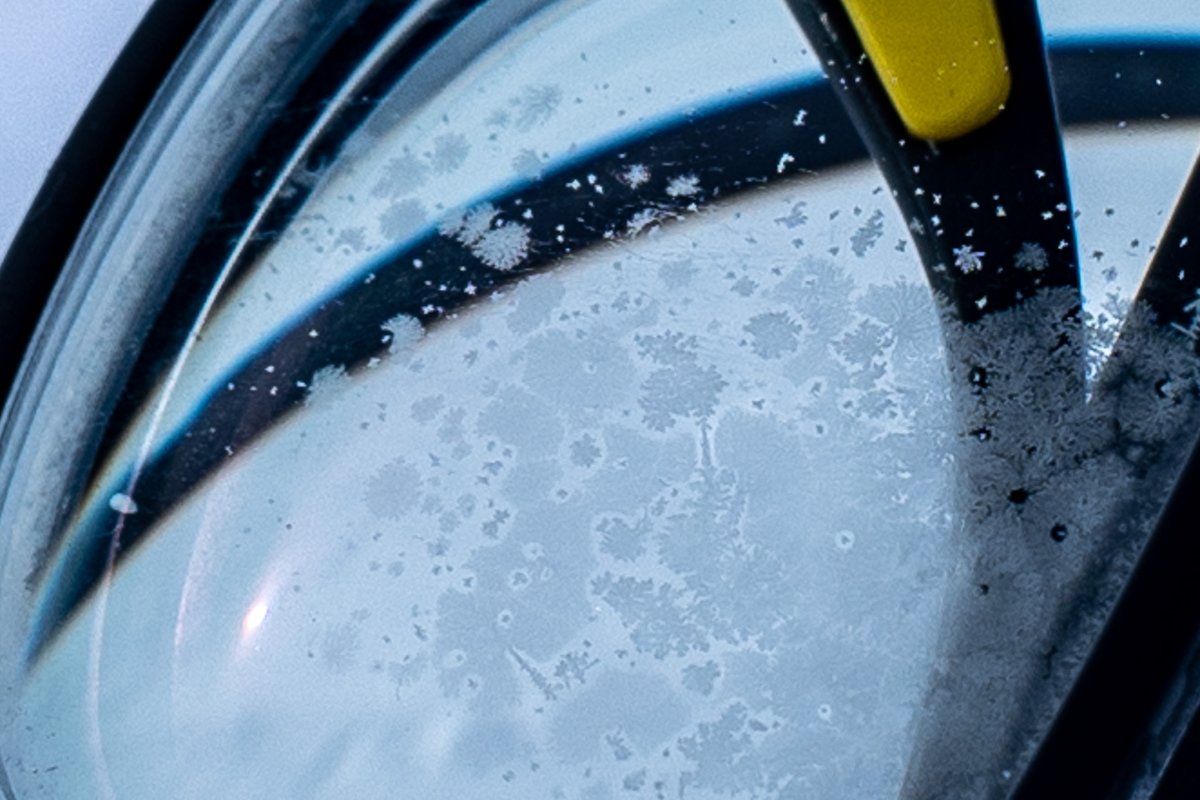
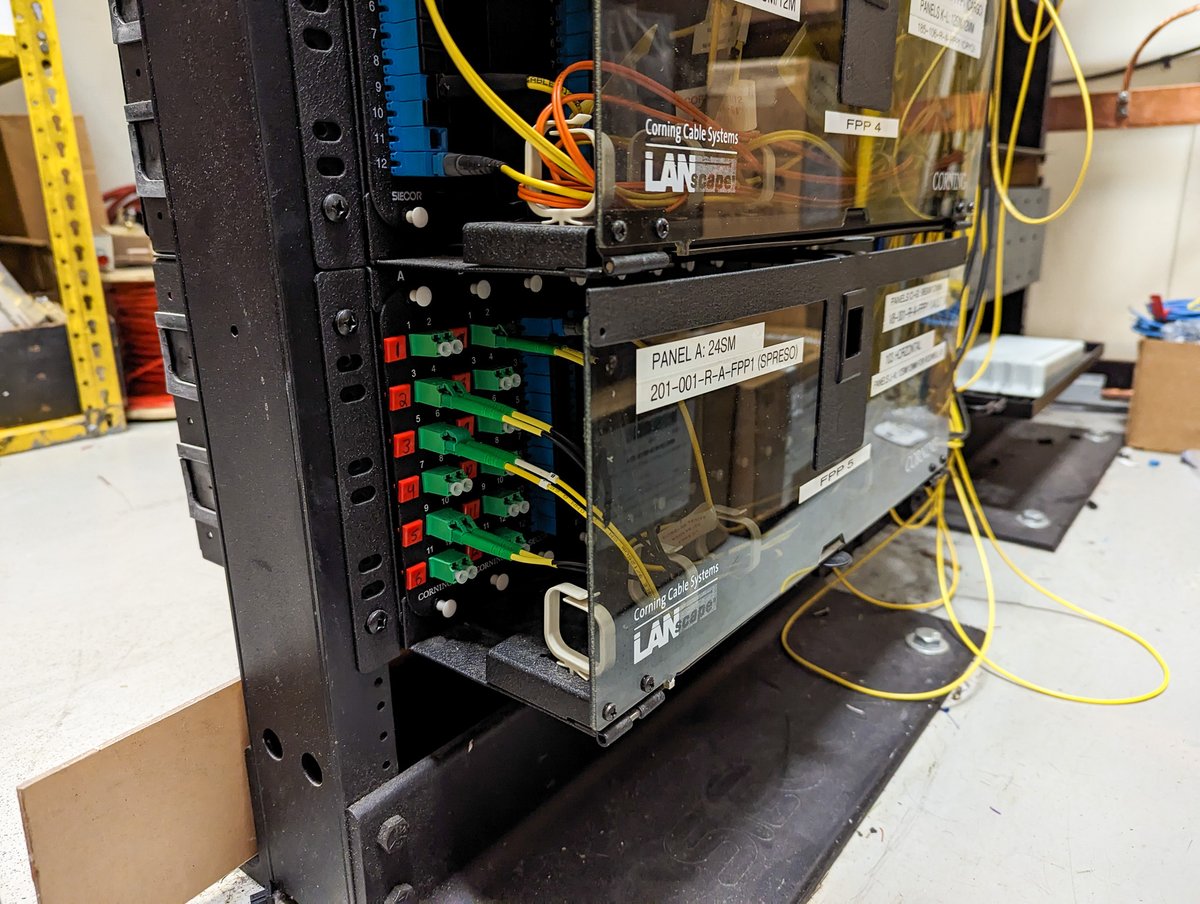
It is really cold and windy outside now (-25C, -39C wind chill). Fogged glasses soon turn into a display of snowflakes. Luckily, our first jobs are inside. Will connect DAS to these fibers to SPRESSO in the next few days.🤞
Not one to brag, but this is pretty momentous. By dropping this one tube to the ground, I’ve officially started setting aside samples that Mars Sample Return could bring back to Earth someday.
Learn more: https://t.co/abNfyxE8Cy
Today's M6.4 earthquake near Ferndale happens to be in an area where the BSL is actively constructing and installing more seismic stations. Data from our regional network is available to the public through the Northern California Earthquake Data Center: https://t.co/PwZU4mlU1Y
I'm at a geoscience conference and can't keep an eye out, what misinformation or misunderstandings are y'all seeing out there regarding this eruption?
https://t.co/E8WZd4521b
It may seem like there have been a lot of earthquakes lately, but on average there's a M6-6.9 earthquake somewhere on Earth roughly ever 2-3 days, and several M5-5.9 quakes per day. We mostly only notice quakes like this when they happen to hit near population centers.