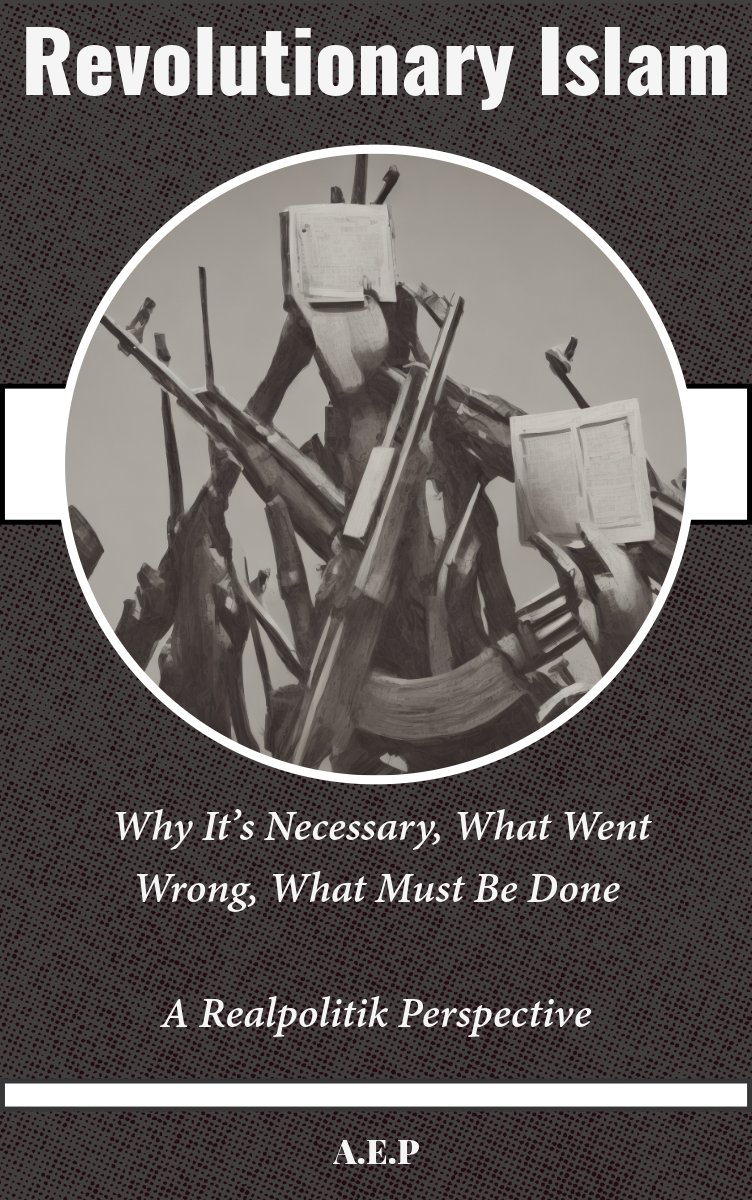
I am thrilled to announce the publication of the second edition of my book, Revolutionary Islam: Why It’s Necessary, What Went Wrong, What Must Be Done: A Realpolitik Perspective (link in bio).
The second edition is an expanded and revised version of the first edition. Below is a brief overview of each chapter and its central arguments.
Chapters 1–4: “Revolutionary Islam: Why It’s Necessary”
Chapter 1
This chapter is a shortened version of my more than 400-page academic study of asymmetric warfare and military morale, which analyzes battles fought between 1982 and 2019 in Iraq, Syria, and Lebanon. In it, I seek to demonstrate a direct correlation between Islamic ideology and heightened battlefield morale.
Chapter 2
Chapter 2, alongside Chapter 7, is among the most distinctive, ambitious, and interesting chapters in the book. In this chapter, I trace and analyze the modern development of Sunni and Shia Islamist movements, with particular emphasis on their interaction, mutual influence, and the ways in which revolutionary ideas have been exchanged, adapted, and incorporated across the two traditions. I then provide a detailed comparative ideological analysis of their respective developments, doctrines, methodologies, and political aspirations. In one subsection, I argue that the relationship between Sunni and Shia Islamism has been far more reciprocal than is often acknowledged, with each movement playing a significant role in influencing the ideological development and evolution of the other. In another, however, I argue that these similarities cannot be attributed to direct ideological borrowing or influence; rather, each developed independently and in relative isolation from the other. At the end, I leave the final judgment to the reader.
Chapter 3
In Chapter 3, I present philosophical, pragmatic-political, and historical arguments for why revolutionary Islamism represents the most suitable form of governance for the countries of the region and, more broadly, for the Islamic world. In the final subsection, which is drawn—with the author's permission—from an academic study by a friend, I examine the Iranian Revolution and how political Islam presented what I argue was the most compelling political alternative available to Iranians before the Revolution, particularly through its proposed solutions to Iran's domestic problems and those confronting the wider Muslim world. In short, the chapter examines why revolutionary Islam may be considered superior to Marxism, liberal capitalism, and other forms of governance across the social, political, and economic spheres.
Chapter 4
In Chapter 4, I argue that the Iranian experience of revolutionary Islamism fundamentally shifted the global balance of power and challenged the ideological boundaries established during the Cold War. I further argue that this transformation granted Iran an unusually independent position within the international system, owing in large part to the ideological foundations of revolutionary Islam.
Chapters 5–6
Chapters 5 and 6 constitute some of the most complex parts of the book. Drawing from several of my academic studies, as well as related scholarship, I analyze the rise of revolutionary Islam as part of the Muslim world's broader journey toward political and cultural self-discovery amid the brutality of colonialism. I then examine how the existence of the Israeli regime in Palestine has meant that the region cannot simply be understood as “post-colonial” in the conventional academic sense. Rather, I argue that it represents a still-colonized post-colonial space, in which the destructive effects of historical colonialism not only persist but continue to be reproduced.
I further examine how political concepts that were either borrowed, incompatible with local conditions, or alien to the region were introduced into the political consciousness of Muslim elites and, in many cases, imposed upon the region through foreign military intervention. Ethnic nationalism is one prominent example. I argue that these imported political concepts contributed significantly to the region's continuing instability and conflict, producing what I describe as a condition of “half-modernity.” Under this condition, indigenous forms of society, politics, and social organization became neither genuinely native—Islamic, in many cases—nor fully modern according to the European conception of modernity. Instead, they became a hybridized and often contradictory product of both, one that is frequently incompatible with the historical and social conditions of the region.
After nearly half of the book has examined the origins and rise of political Islam, Chapters 7–10 turn to the question of “What Went Wrong.”
Chapter 7: “What Went Wrong.”
Chapter 7 is among the most important chapters in the collection. In it, I examine the ideological and political developments—or, more precisely, deviations—that emerged within Salafi-jihadist thought following the 2003 American invasion of Iraq and the subsequent rise of Abu Musab al-Zarqawi. I argue that Zarqawi represented a significant departure from the older Salafi-jihadist tradition by prioritizing the targeting of Shia Muslims over the struggle against American forces, thereby producing what I describe as the “Sunnah of Zarqawi”: the transformation of the anti-American insurgency into a broader Sunni–Shia sectarian conflict.
I subsequently examine public-opinion polling among Iraqi Sunnis throughout the insurgency period to analyze why and how this ideological deviation emerged within the insurgency. I then trace the spillover of this form of thinking into Syria following Abu Bakr al-Baghdadi's dispatch of Abu Muhammad al-Jolani to Syria, alongside other associates of Zarqawi. I examine how the sectarian conflict in Syria was initiated, the objectives it was intended to serve, and the extent to which it reflected Zarqawi's ideological worldview.
Finally, I analyze other newly developing ideological trends within Salafi-jihadism, particularly through an examination of the theories of Abu Musab al-Suri. I argue that al-Suri contributed to the development of a new form of Machiavellian Islamism—“Islam for politics” rather than political Islam—and examine how this ideological transformation contributed to the unfortunate political reality we see across the region today.
Chapter 8
In Chapter 8, I analyze and trace the origins of the Wahhabi movement in Saudi Arabia within the broader context of the Ottoman era. I argue that Wahhabism should not be understood merely as a reaction to modernity but, paradoxically, as a product of modernity itself.
Chapter 9:
Drawing from several academic studies, both my own and those of other scholars, Chapter 9 traces the origins and development of contemporary racial and ethnic conflicts in the region. First, I examine the racial and ethnic policies of the late Ottoman period and those implemented by Mustafa Kemal Atatürk during and following the Turkish War of Independence. I trace how Arabs, Turks, and other Muslim communities were initially united under Atatürk's leadership in opposition to European imperialism, before examining how Atatürk subsequently pursued increasingly nationalist and discriminatory policies in the process of establishing the Turkish Republic. I argue that these policies contributed to the permanent political and ethnic fragmentation of Muslim communities across the region, divisions whose consequences continue to shape regional politics to this day. I then analyze, in the subsequent subsection, how ISIS, as the latest manifestation of Salafi-takfirism, incorporated elements of Arab nationalist discourse, religious literature, sermons, and political attitudes beneath a new Islamist veneer.
Chapter 10
Chapter 10 is devoted exclusively to the development of Shia Islamist movements in recent decades. It also examines the rationale behind Iranian intervention in Syria through the lens of neorealist political theory, drawing upon an academic study I wrote in 2021. Finally, I analyze the unintended and undesirable consequences of Iran's intervention in Syria for Islamist movements across the region.
Chapters 11–15: “What Must Be Done”
Building upon the preceding arguments concerning why revolutionary Islam is, in my view, necessary for the Muslim world as an alternative governmental structure, Chapters 11–15 turn toward the question of what must be done to make such a project viable and sustainable.
Chapter 11
In Chapter 11, I examine the concept and strategy of “Islamic pragmatism,” explaining the boundaries of political pragmatism and its relationship to Islamic ideological boundaries. I then examine several major revolutions, including those in Egypt, Iran, Russia, and China, in order to identify common patterns of success and failure. By comparing the strategies adopted by successful revolutions with the strategies—or lack thereof—that contributed to the failures of others, I seek to explain what revolutionary movements must do in order to succeed.
Chapter 12
Chapter 12 examines the Ottoman Empire and its Islamic institutions and policies as a potential model for a future successful form of Islamic governance. This includes an examination of Ottoman policies toward religious and ethnic minorities, the implementation of Sharia law, and the manner in which Sultan Abdul Hamid II sought to maintain a balance between Islamic ideological governance and political pragmatism.
Chapter 13
Chapter 13 is among the most comprehensive and elaborative chapters in the book. I begin by examining the concept of asymmetric warfare and the historical origins of economic backwardness in Muslim societies. I then develop what I propose as a coherent strategy for effective economic, cultural, and ideological asymmetric warfare, drawing upon historical insurgencies and the strategies adopted by anti-colonial states that may offer lessons for the present.
The chapter also includes a substantial academic study of sanctions, examining how sanctions operate and how they reshape state–society relations.
Chapter 14
Chapter 14 presents a political argument concerning the possible forms of future Islamic governance and what must be done to maximize its prospects for survival while remaining within Islamic and ideological boundaries. In particular, I examine the extent to which deviations from a “pure” Islamic ideology may be permissible, under what circumstances such deviations might be justified, and where the limits of such pragmatism should ultimately lie.
Chapter 15
Chapter 15 is a primarily philosophical chapter drawing upon the ideas of Leo Tolstoy, Abdullah Azzam, and other thinkers. I argue that the establishment of an Islamic state is not merely a political necessity, nor is it simply a core component of Islamic faith; rather, I argue that, without an Islamic state, Islam itself is deprived of a fundamental dimension of its political and social meaning.
More broadly, I argue that the aspiration and struggle to establish an Islamic state—and ultimately its establishment itself—is what gives meaning to the life of a Muslim. The struggle becomes a “state of meaning,” while those who die in pursuit of this objective become, in my formulation, an eternalization of that meaning.
Supplementary Chapter
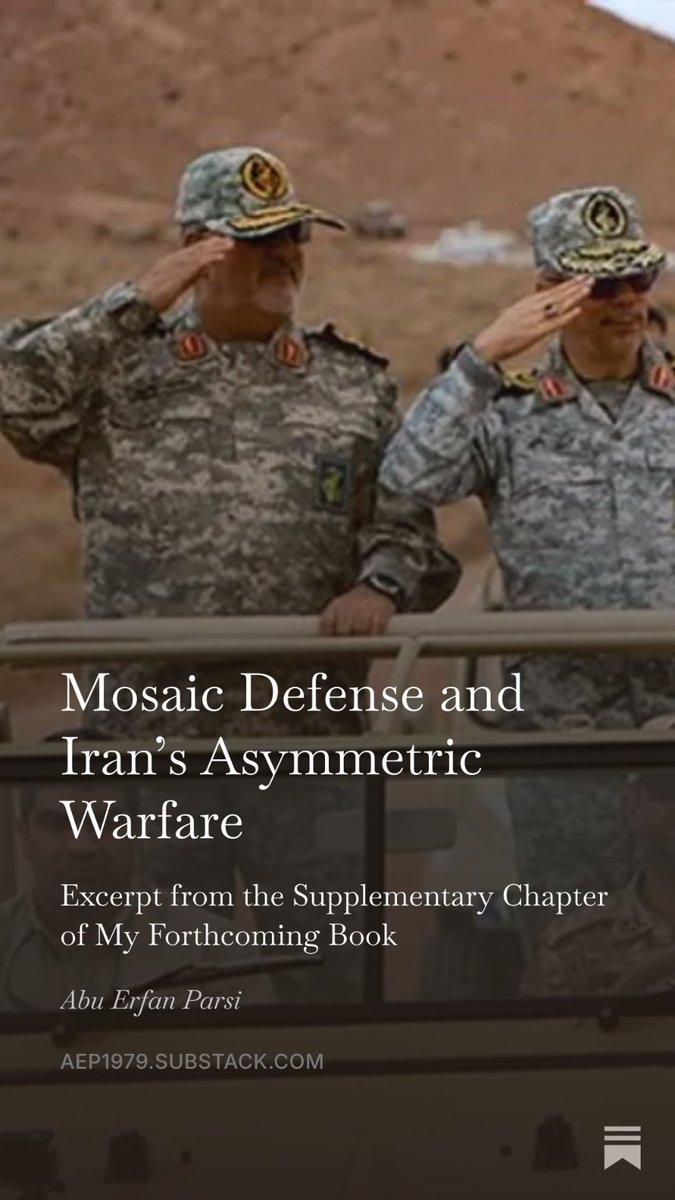
The Supplementary Chapter examines Iran's Mosaic Defense strategy—its doctrine of asymmetric warfare in the ongoing Iran–US war—and explores its broader strategic implications. A shortened version of this chapter has also been published on my Substack account for readers who would like a preview of the chapter's central arguments.
Availability
The book is currently available in the Kindle edition. Because I am currently in Iran and therefore unable to conduct an in-person quality check of the paperback edition, I have decided not to make the paperback available at this time in order to ensure that the published edition meets the desired standard of quality. For the time being, therefore, only the online Kindle edition will be available.
Additionally, as I mentioned previously, friends who purchased the first edition can send me a direct message here, and I will provide them with the second edition free of charge.
To purchase the book, click the Substack link in my bio, visit the pinned post at the top of my Substack profile, and follow the link provided there.
I hope you enjoy this collection of research, arguments, and reflections, and I sincerely hope that, through this work, I can contribute something positive to Muslims, to this region, and to our broader cause.
I have just published a short excerpt from the Supplementary Chapter of my book, The Iran War: Mosaic Defense and the Future of Political Islam.
In this essay, I examine Iran’s Mosaic Defense strategy—its doctrine of asymmetric warfare in the ongoing Iran–US war—and explore its broader strategic implications.
You can read the full article on my website at: https://t.co/6PYL6pWSuo
I have finished the second edition of my book and will submit it for publication by the end of this week.
Friends who have already purchased the first edition can DM me now, and I will email them the PDF version of it free of cost within 24 hours.
The second edition is an expanded version of the first. I have added a "supplementary chapter" in which the first part analyzes, traces, and elaborates on the Iranian asymmetrical warfare strategy in this Iran-US war (the mosaic defense). In the second part, I examine how various Sunni Islamist movements reacted to this war and how it may affect the future trajectory of Shia and Sunni Islamist movements. I have also made some structural and citation adjustments.
I hope friends enjoy it. I will announce it when the book is published.
@Hassan_alQadri@sneako We Shia do not support seeing this Haitian/Filipino/Mexican/lord knows what else creature desecrate the pure haram of Aba Abdillah (AS) with his grifting.
I'm pleased to share that I've just published a translation of the first chapter of the book titled "Jihad: The Ultimate Dawa."
This remarkable book, which I have translated, gathers a series of recent sermons that a Shia cleric delivered to his fellow students in Qum during the Iran–US war.
In these lectures, the sheikh draws on classical works of Islamic jurisprudence to explore the meaning of jihad and its relevance both to the present day—the Axis of Resistance—and to recent Islamic history. Specifically, he delves into the concept of jihad al-akbar—the internal struggle—and places it within a broader framework that connects it to jihad al-asghar, the fight against foreign enemies.
You can find it at: https://t.co/EruSS3eLz6
بِسۡمِ ٱللَّهِ ٱلرَّحۡمَٰنِ ٱلرَّحِيمِ
After years of thinking, I finally decided to make Hijra to the holy Islamic Republic of Iran.
I will probably face poverty for a few years (and if lucky, hopefully catch up later and start a new life again). I will face difficulties, but I have purchased my freedom to stand on the right side of history and serve the only just cause in current global politics. Nothing is more valuable than freedom and standing with what's right.
From now on, I will write what I see day to day in Iran and our struggle against the enemies of Islam and humanity, as accurately as possible. Additionally, now that I am in the land of Tawhid, I will finish my book and republish it in the coming days. Likewise, I will publish the translation of the book "Jihad: the Ultimate Dawa" tomorrow.
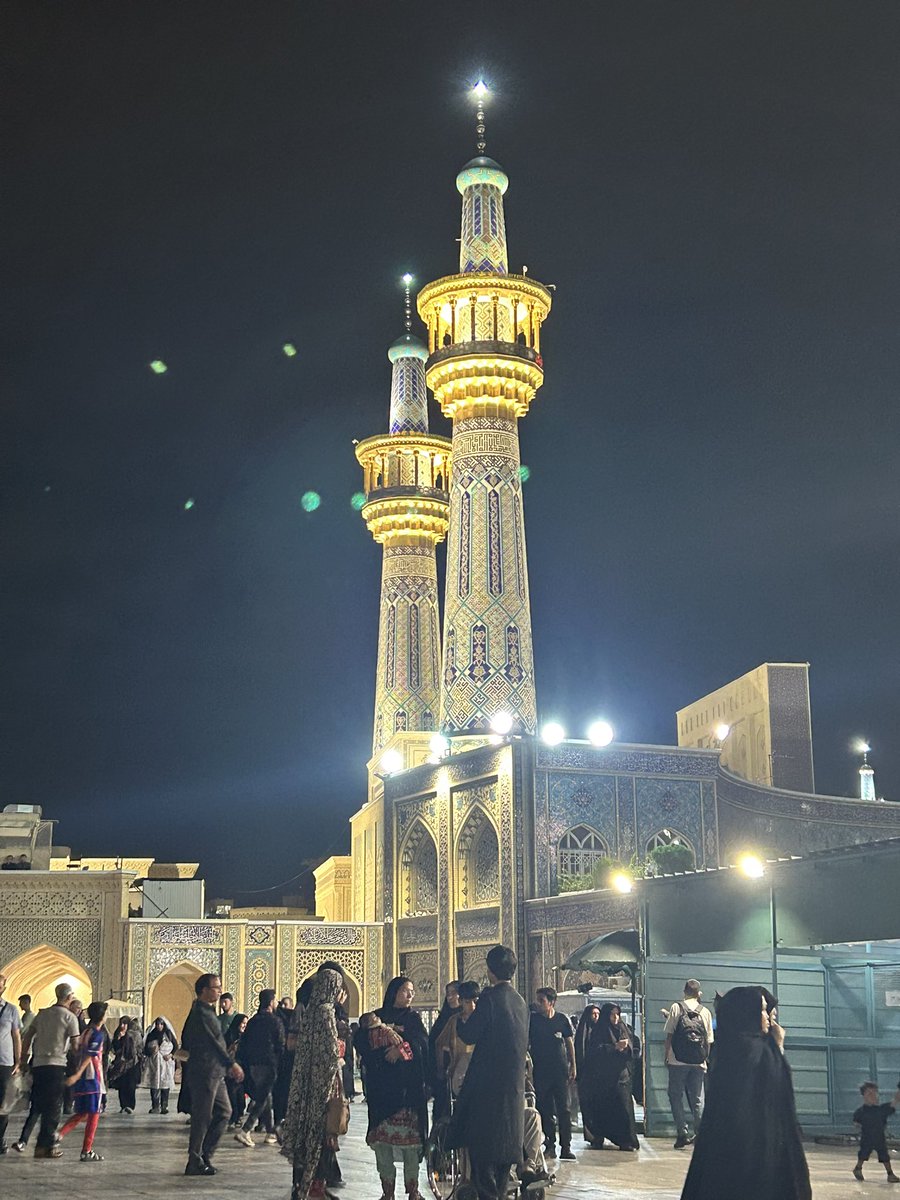
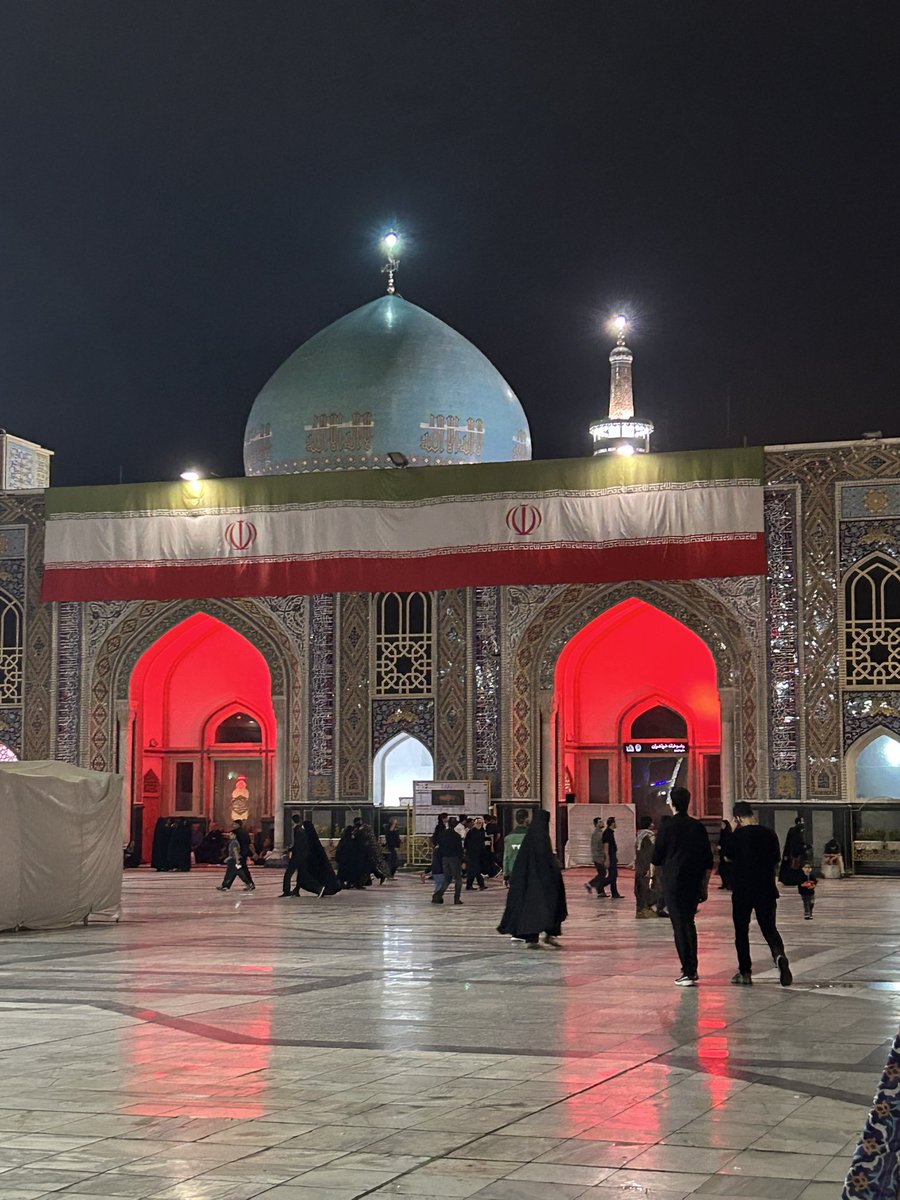
What is very interesting so far is how different people are from a few years ago. People are in the streets every night (almost in every neighbourhood I passed) marching in support of the Islamic Republic in small groups. For the first time, I have seen the Iranian diaspora and average Iranians speaking in support of the IR openly without hesitation. The spirit is very high and the enemies inside, at least for now, are very quiet. This really reminded me of the points I made in my article "Blood Speaks Louder Than Sanctions." The nation is being revived, InshaAllah.
@A_E_P_1979 Treating Allah SWT or the Aimmah (AS) as your personal genie to ask only when you want something is deeply disrespectful. It's our job to mold to them not the other way around.
I warn people about these posts.
Some Shias with inferiority complexes get mental orgasms whenever these cross worshippers say something about us. These behaviours have nothing to do with Islam.
First, putting an image of your idol-god next to the supposed picture of Imam Ali is extremely disrespectful for two reasons. There is no image of the Ahl al-Bait, and many Ulema spoke against these fake images. It has nothing to do with Islam or the Ahl al-Bait. Second, these cross worshippers believe Jesus was "God" (they took their stories from ancient Roman pagan religion), and comparing the Christian version of Hazrat Isa next to Imam Ali is shirk. There is no comparison without belief in Islam and the Islamic version of Jesus.
Second, it is well accepted that the Imams do not even accept Shafa'a for Shias who do not pray, let alone non-Muslims who reject the fundamentals of Islam. Yes, Imam Reza did miracles for some Christians who had soft hearts and later believed in Islam, but that does not mean putting a random picture and claiming "it worked." Our religion is free of these behaviours. We believe first in Tawhid, then in the pillars of the religion, and in all matters with the guidance and assistance of the Ahl al-Bait—not random "prayers."
I see this deviant issue to be most prominent in Lebanon, and I have even seen "Shias" attending the pagan festival of the so-called "Christmas." As a reminder, the whole Shia theology was consolidated in Jabal Amel, and our scholars have been free of these practices. Beware of what you do and what you promote.
I have just published a translation of an analytical article by @Mh_masoumi84, examining the current debates among Shia elites in Lebanon regarding the future of the resistance, the history and identity of the Shia, and the steps that must be taken moving forward.
I rarely post translations on Substack, but this analysis is exceptionally vital for the current moment.
You can read the article at: https://t.co/AXuR3wXoD3
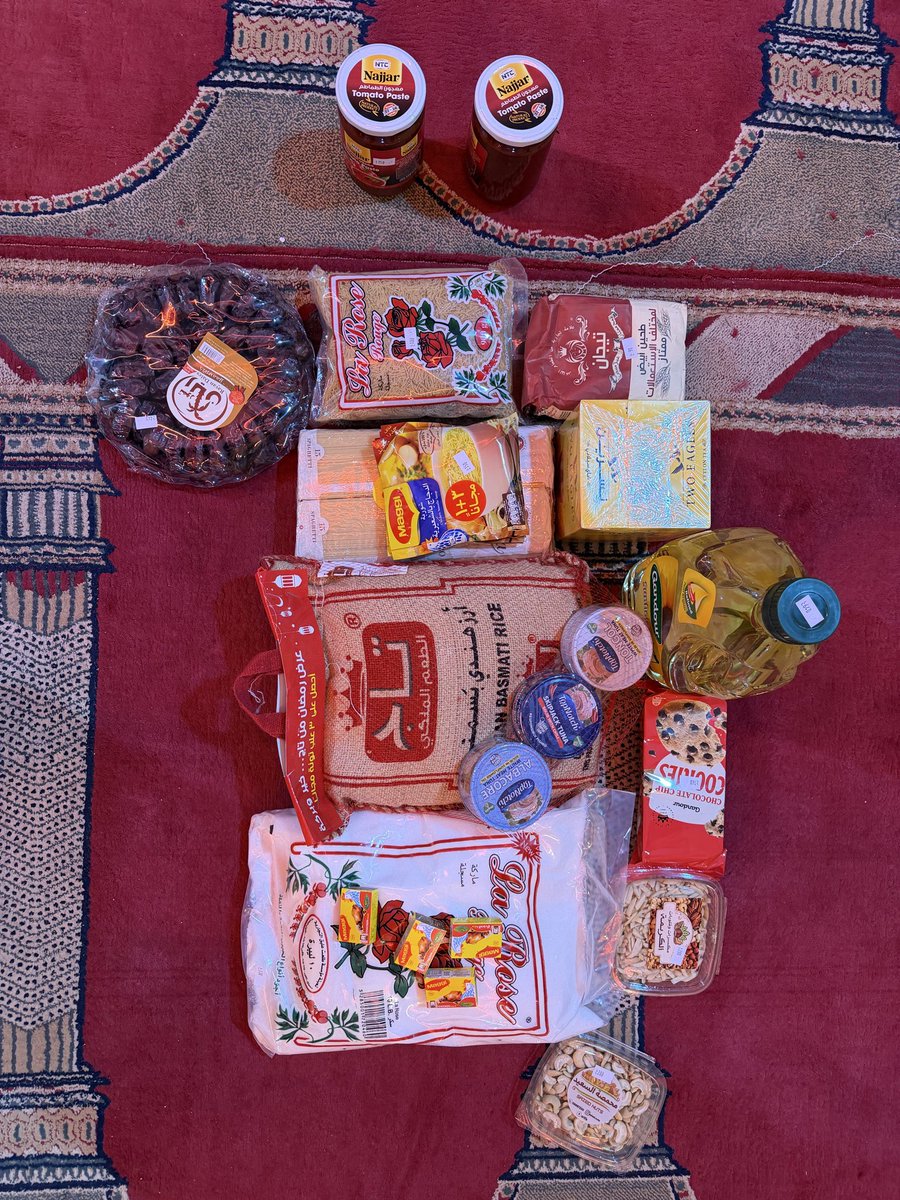
Thanks to the help of everyone’s donations we’ve been able to promote food to 100s of people and drinking water to thousands of people who are displaced or are still in southern Lebanon. May Allah bless everyone who has helped donated or shared
🤍🤲
https://t.co/NpdqFxhGfn
@resist_truth People seem to only care about Lebanese Shia martyrs when they are mistaken to be Christian or become fodder for perverted white supremacist memes. I finally understand why Imam Ali (AS) divorced this world thrice.