𝙏𝙝𝙚 𝙙𝙞𝙛𝙛𝙚𝙧𝙚𝙣𝙘𝙚 𝙗𝙚𝙩𝙬𝙚𝙚𝙣 𝙈𝙚𝙙𝙞𝙘𝙖𝙡 𝙎𝙘𝙝𝙤𝙤𝙡 & 𝙈𝙚𝙙𝙞𝙘𝙖𝙡 𝘾𝙤𝙡𝙡𝙚𝙜𝙚
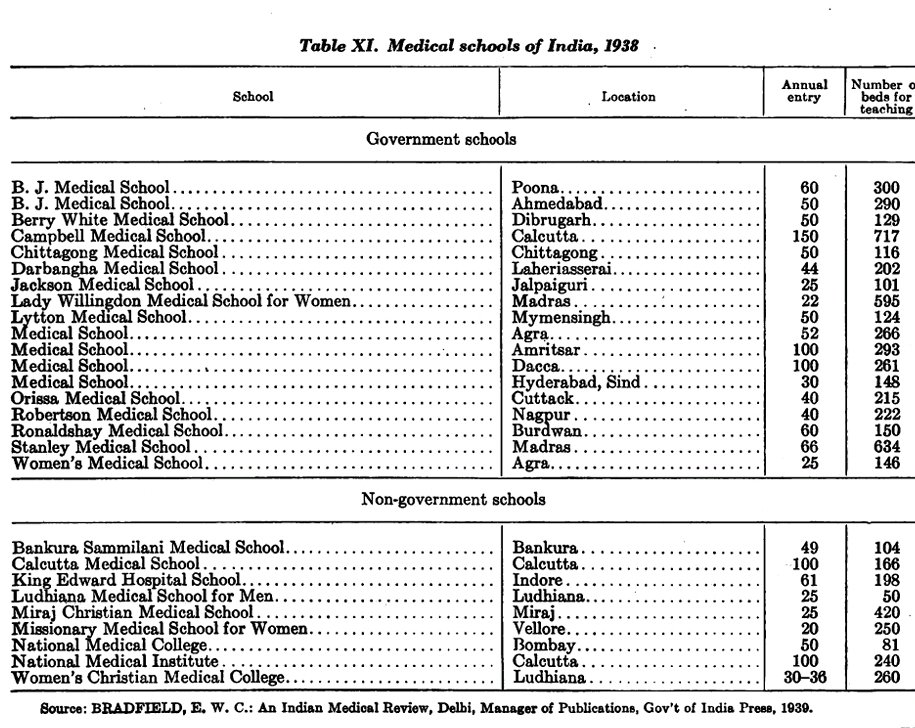
In colonial India there were a few Medical Colleges & several other Medical Schools. Rarely do people know the difference. Medical Colleges awarded a graduation degree in medicine & surgery (which is known as M.B.B.S now) while Medical Schools awarded Licentiate in Medical Practices (L.M.P or L.M.& S). Licentiates weren’t full fledged doctors and supposed to work as assistants of doctors. They weren’t eligible to take admission in M.D or M.S unlike the graduates of Medical Colleges. Medical Colleges had a uniform curriculum governed by the Medical Council of India (before that they were governed from England) and awarded university degrees. Medical Schools weren’t governed through the Medical Council, thus no uniformity in curriculum and degrees weren't from a university. Interestingly, the Licentiate program was also of 5 years duration like a Medical degree but with less curriculum. By the end of 1938, India had 27 Medical Schools apart from 10 Medical Colleges where Stanley Medical School, Madras was considered the best.
Sir Joseph Bhore committee report of 1946 recommended the upgradation of Medical Schools to Medical Colleges, allowing licentiates to gain M.B.B.S with a bridge course & gradually discontinuing the licentiate degrees.
A list of Medical Schools in India with annual intake.
P.S: By India we mean India under the British crown & doesn’t include French or Portuguese colonies. #MedTwitter
@_KarishmaK@DrDeepakKrishn1
@bankniftydoctor @AnantBhan@AnandhUrmila@VijayKher8@RitchaSaxena @DrManishIAS @sandeepbadoni20@aiims_newdelhi@Aishwarya_raj26@drharshvardhan
Only 9 Indians qualified for Indian Medical Services between 1892 & 1902 while around 700 European doctors served in the services. One reason was that examination centre for IMS was only in London. By 1902, there were approx. 2500 Govt. owned hospitals & dispensaries while 1000 others were privately owned or special institutions (Railway etc). In 1902, around 4200 Indians were enrolled in Medical Colleges as students. #MedTwitter @_KarishmaK@autopsy_surgeon@anoobrazak@ikpsgill1@Indian__doctor@ICMRDELHI@IMAIndiaOrg
𝘿𝙤𝙘𝙩𝙤𝙧𝙨 𝙩𝙖𝙠𝙞𝙣𝙜 𝙥𝙖𝙧𝙩 𝙞𝙣 𝙌𝙪𝙞𝙩 𝙄𝙣𝙙𝙞𝙖 𝙈𝙤𝙫𝙚𝙢𝙚𝙣𝙩
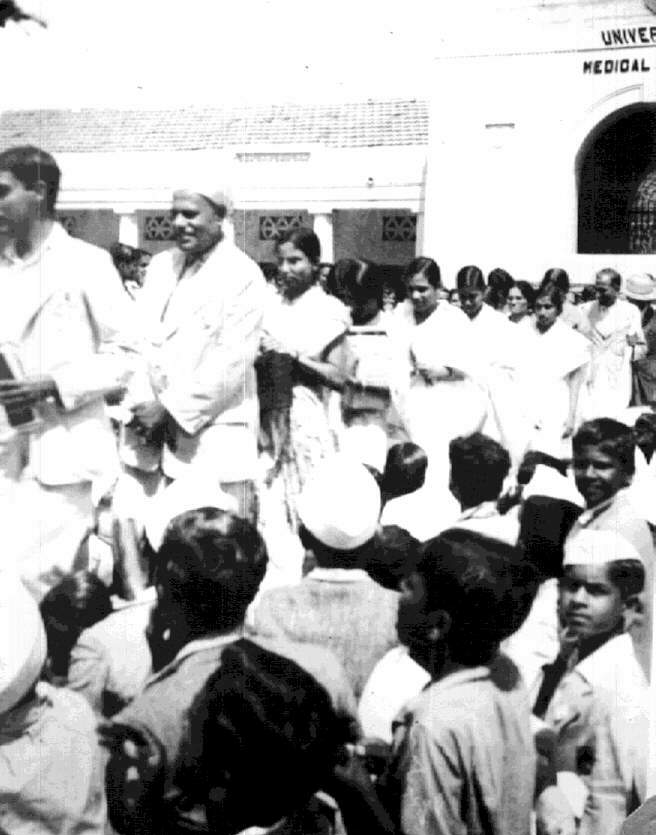
The photograph shows picketing in front of Medical School at Bangalore (Bangluru) during examination during Quit India movement by the medical students & staff in 1942.
#MedTwitter #Doctors
@_K@_KarishmaK@karthik2k2@autopsy_surgeon
A rare photo of Mahatma Gandhi undergoing an emergency appendectomy while still under arrest by Dr. Maddock at Sassoon Hospital, Pune on 12 January 1924.
According to reports, "While the surgery was in progress, the electric bulb went off. The appendectomy had then to be finished by the light of a hurricane lamp.” #GandhiJayanti2023
#MahatmaGandhi
@autopsy_surgeon@DrPriya_anshu@ikpsgill1@IASDrNidhiPatel@sumitamisra@MoHFW_INDIA@RitchaSaxena @pooja_thripathii
𝙒𝙝𝙖𝙩 𝙙𝙞𝙙 𝙄𝙣𝙙𝙞𝙖𝙣𝙨 𝙙𝙤 𝙬𝙞𝙩𝙝 𝙛𝙧𝙖𝙘𝙩𝙪𝙧𝙚𝙨 𝙗𝙚𝙛𝙤𝙧𝙚 𝙢𝙤𝙙𝙚𝙧𝙣 𝙤𝙧𝙩𝙝𝙤𝙥𝙖𝙚𝙙𝙞𝙘𝙨?
Dr. Thomas Holbein Hendley, M.D (IMS) wrote in 1885 in his paper 𝑇ℎ𝑒 𝐼𝑛𝑑𝑖𝑎𝑛 𝑆𝑦𝑠𝑡𝑒𝑚 𝑜𝑓 𝑀𝑒𝑑𝑖𝑐𝑖𝑛𝑒 𝑎𝑛𝑑 𝑡ℎ𝑒 𝑙𝑒𝑠𝑠𝑜𝑛𝑠 𝑡ℎ𝑎𝑡 𝑚𝑎𝑦 𝑏𝑒 𝑙𝑒𝑎𝑟𝑛𝑒𝑑 𝑓𝑟𝑜𝑚 𝑡ℎ𝑒𝑚,
"The amount of torture inflicted in the rude attempts to reduce dislocations, to set fractures, and stop bleeding, to say nothing of the mischievous use of salves and irritants to wounds of all kinds, was appalling. Anyone who has practised a year or two in India can give numerous examples of such malpraxis. During the past year or two I have seen an attempt to drag out the upper iragment of the femur in a case of compound fracture, because it was mistaken for a piece of wood, which, it was supposed, had entered the limb, and I also know that several lives have been lost from tight bandaging in fracture, and 𝐰𝐢𝐭𝐡𝐢𝐧 𝐦𝐲 𝐞𝐱𝐩𝐞𝐫𝐢𝐞𝐧𝐜𝐞 𝐢𝐧 𝐚 𝐫𝐞𝐦𝐨𝐭𝐞 𝐩𝐚𝐫𝐭 𝐨𝐟 𝐈𝐧𝐝𝐢𝐚 𝐭𝐡𝐞 𝐬𝐭𝐮𝐦𝐩𝐬 𝐨𝐟 𝐚𝐦𝐩𝐮𝐭𝐚𝐭𝐞𝐝 𝐥𝐢𝐦𝐛𝐬 𝐡𝐚𝐯𝐞 𝐛𝐞𝐞𝐧 𝐭𝐡𝐫𝐮𝐬𝐭 𝐢𝐧𝐭𝐨 𝐛𝐨𝐢𝐥𝐢𝐧𝐠 𝐨𝐢𝐥 𝐭𝐨 𝐜𝐡𝐞𝐜𝐤 𝐡æ𝐦𝐨𝐫𝐫𝐡𝐚𝐠𝐞."
#MedTwitter
@autopsy_surgeon@drdiazepamdiary@ikpsgill1@karthik2k2@aiims_newdelhi@DrDhruvchauhan
𝙏𝙝𝙚 𝙙𝙤𝙘𝙩𝙤𝙧 𝙬𝙝𝙤 𝙙𝙧𝙤𝙫𝙚 𝙈𝙖𝙝𝙖𝙩𝙢𝙖 𝙂𝙖𝙣𝙙𝙝𝙞 𝙞𝙣 𝙝𝙞𝙨 𝙘𝙖𝙧
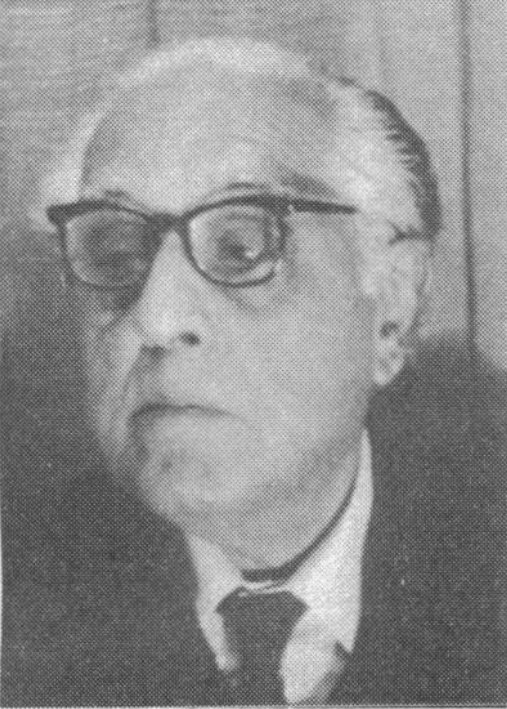
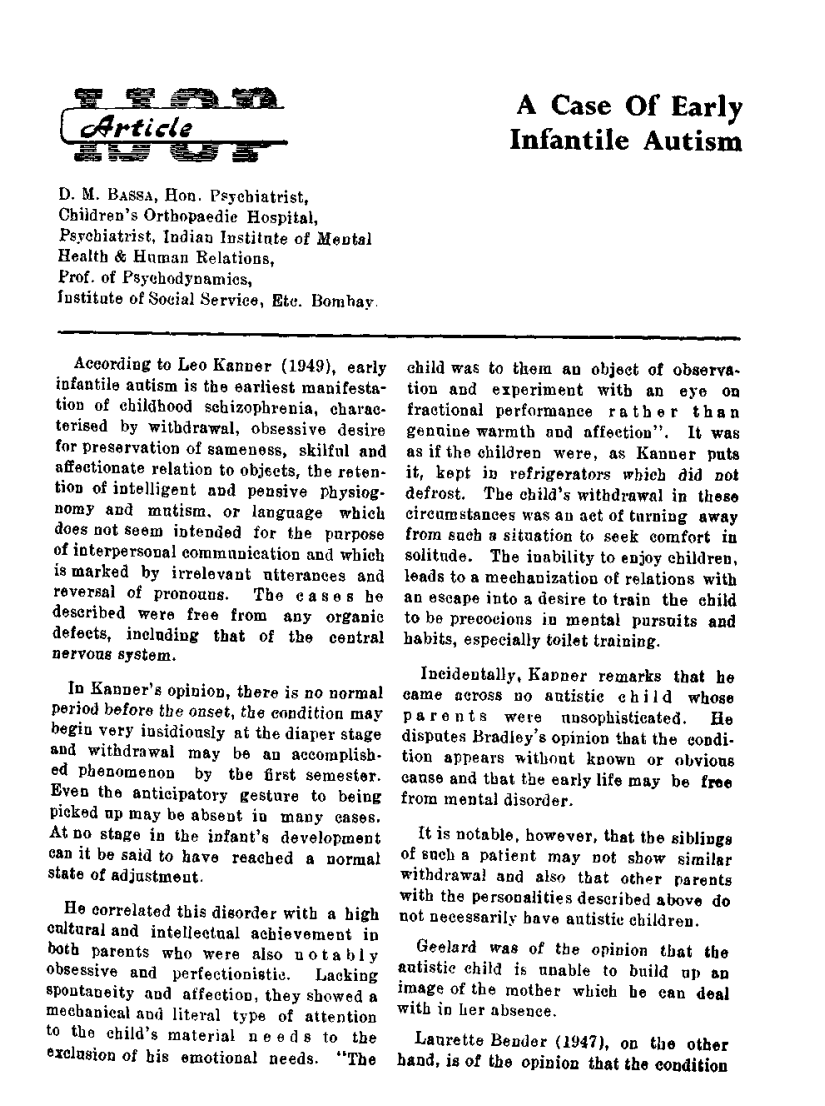
Dr. D M Bassa was born in Durban in 1918 to Indian parents & had the privilege of chauffeuring Mahatma Gandhi. He pursued M.B.,B.S. from Grant Medical College, Mumbai in 1947 & served as Prof. of Psychiatry & Social Work. He was one of the first Indians to work on psychoanalysis & pioneers in child related problems. He worked among slum dwellers & studied Cerebral Palsy, Autism & other problems associated with children. He came to England in 1975 & joined the Royal Philanthropic Society's school for delinquent children, where his previous experience was of enormous help to both the children and the staff. On the school's closure he was redeployed in the child psychiatry department of St George's Hospital; he retired in 1983. He died on 21 January 1993 in Delhi.
#MedTwitter
@aiims_newdelhi@autopsy_surgeon@DRJSSURI@DrJitendraSingh@drharshvardhan@ArvinderSoin@drmahi17@ikpsgill1@MoHFW_INDIA
Prof. Dr. Mangalore Gopal Kini was the first qualified specialist orthopaedic surgeon in India. He did his MCh in Orthopaedics at Liverpool under the supervision of Sir Dr. Robert Jones in 1929. He completed his MBBS from Madras Medical College in 1918 & joined Medical Services. Before going to England to study surgery he served as anaesthetist with Surgeon Col. Bradfield. As there was no separate post of Orthopaedic Surgeon in any of the Collegiate Hospitals in the State of Madras Presidency except in the Government General Hospital, Madras, he was to be head of a general surgical unit at the King George Hospital, Visakhapatnam and later at the Government Stanley Hospital, Madras. #MedTwitter
@Jasonphilip8@sakie339@Lap_surgeon@DrJitendraSingh@dr_saravanakr@DrDatta_AIIMS@aiims_newdelhi@IMAIndiaOrg@mansukhmandviya
Dr. Gurdev Singh Gill is the first medical doctor of Indian origin to practice in Canada.
He went to Canada in 1949, passed Medical graduation in 1957 & started practicing in 1958.
He runs a program in India for clean drinking water in rural Punjab which has been appreciated by the Indian government & other international organisations as well.
The first woman neurosurgeon in Asia
Prof. Dr. T S Kanaka obtained her MCh (neurosurgery) in 1968 from Madras Medical College to become the first woman in Asia to qualify as neurosurgeon. She was one of the earliest female neurosurgeons in the world. Before that she had completed her MS (general surgery) in 1963. She is the first neurosurgeon from India who performed deep brain stimulation in 1975. She has been named in the LIMCA book of records for the highest number of blood donations (139 to be exact).
#MedTwitter
@IMAIndiaOrg@aiims_newdelhi@spinesurgeon@DrLaxminadh
Indian Surgeons were paid ₹150 - ₹250 in 1898
According to a government report in 1898 Civil Surgeon & Assistant Surgeons were the two positions open for Indian doctors. The salary of Assistant Surgeon was between Rupees 150 & 250. Civil surgeon received higher salary. Doctors were allowed to practice privately.
@IMAIndiaOrg@drharshvardhan
This is the greeting card sent to Dr. Anandi Gopal Joshi (Anandibai Joshi) from Queen Victoria of England on becoming the first Indian woman to graduate in modern medical sciences. She had graduated from Woman's Medical College, Pennsylvania.
Source: South Asian American Digital Archives which captions the card as
"Special congratulatory letter from Queen Victoria reads, “Queen Victoria expressed her interest and appreciation when the first Hindu woman to receive a medical degree in any country -- Dr. Anandibai Joshee -- graduated from the Woman’s Medical College of Pennsylvania in 1886.”
@MoHFW_INDIA@mansukhmandviya@drharshvardhan@DrAmbrishMithal @dr_arpit_jain @autopsy_surgeon@IASDrNidhiPatel@Indian__doctor@drnaveensharma@aiims_newdelhi@ICMRDELHI