💧 Back-to-Basics infographic on the 'Approach to Ascites
A quick, trainee-friendly guide to:
✅ SAAG + ascitic protein interpretation
✅ Common etiologies and pathophysiology
✅ Ascites grading and treatment
✅ Diagnostic paracentesis and SBP definitions
📊 JAMA Clinical Guidelines Synopsis: #CrohnDisease guidelines recommend fecal calprotectin for screening and monitoring, routine colonoscopy for colorectal cancer, and oral budesonide for induction in mild to moderate ileocecal disease.
https://t.co/yQCrCGiTSp
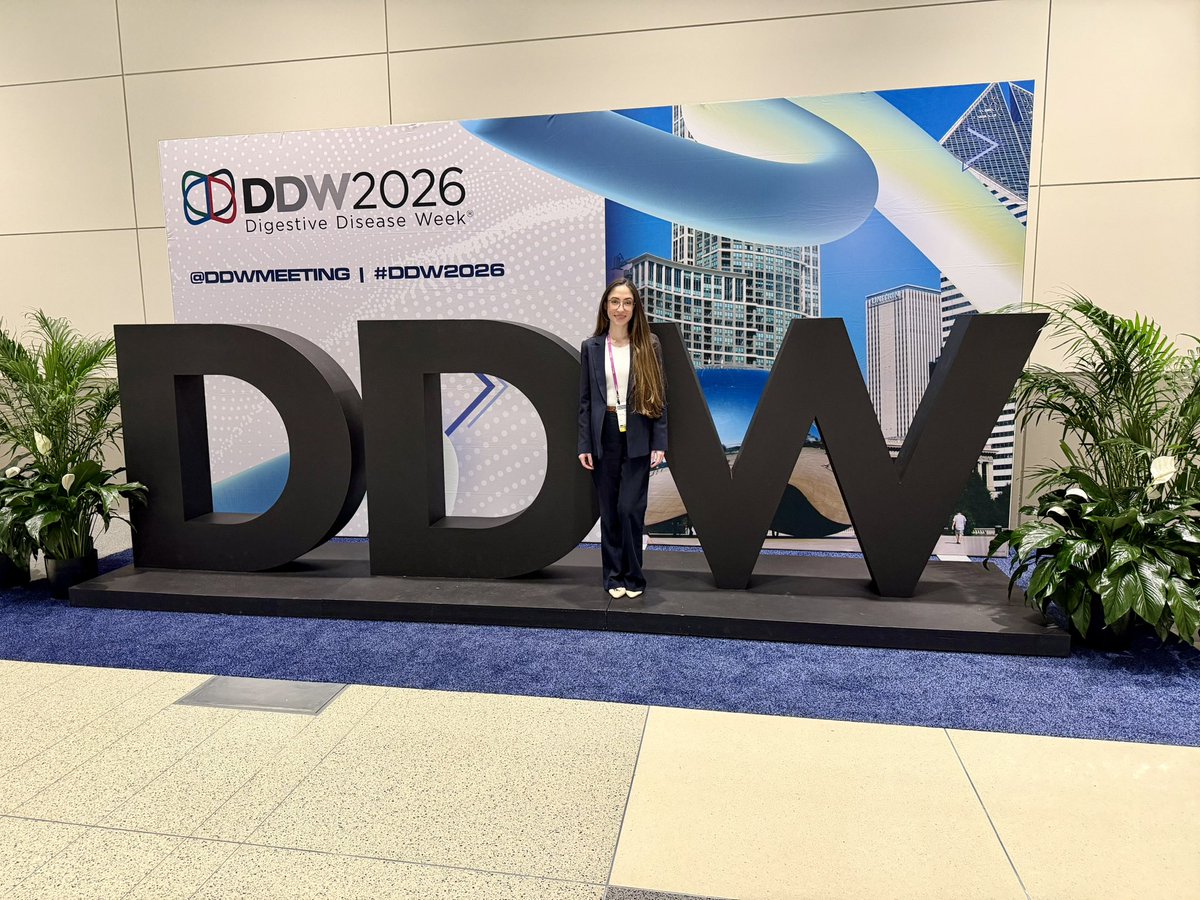
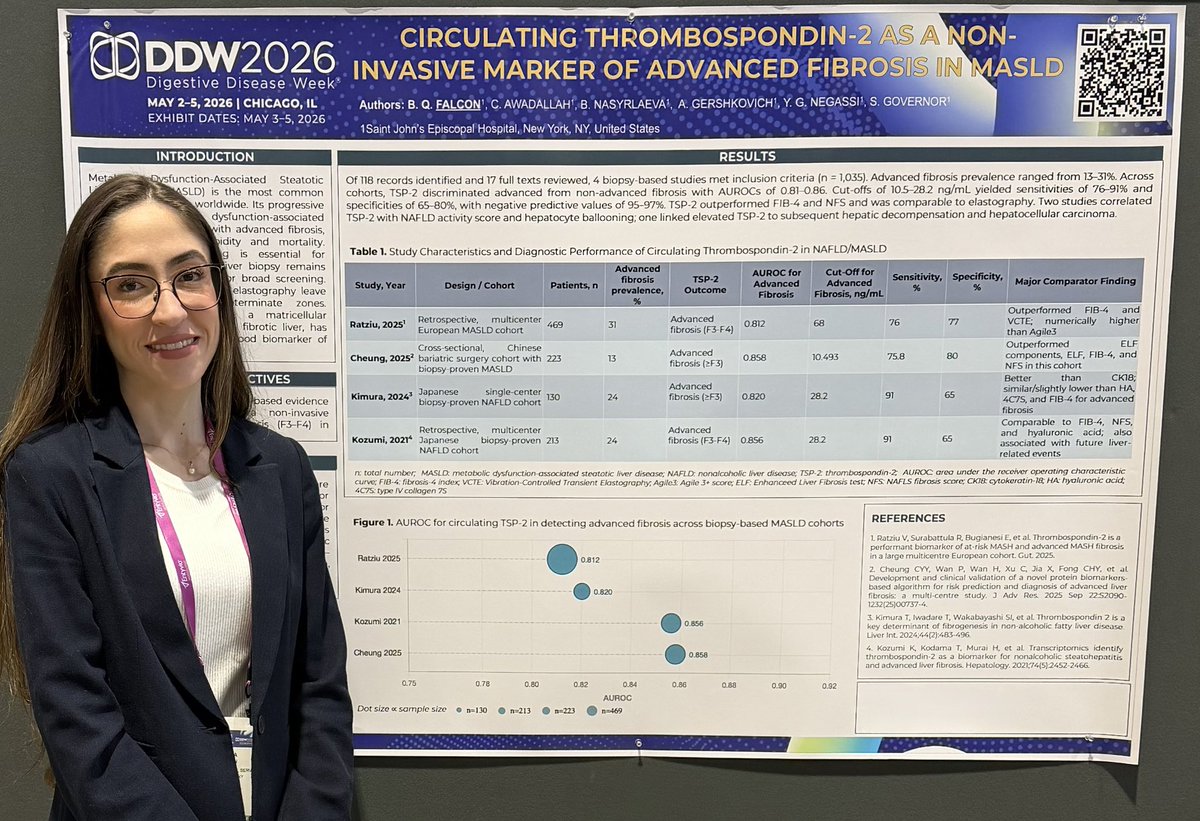
Grateful to attend DDW for the third time and this time as an internal medicine resident.
Excited to present our work on thrombospondin-2 in liver fibrosis and to discuss advances in the GI field and their impact on patient care.
#DDW2026#Gastroenterology#Hepatology
HYPERGAMMAGLOBULINEMIA IN LIVER DISEASE
Not all polyclonal gammopathies are the same.
IgM → PBC
IgG → autoimmune hepatitis
IgA → alcohol-related liver disease
A small detail.
But a useful one.
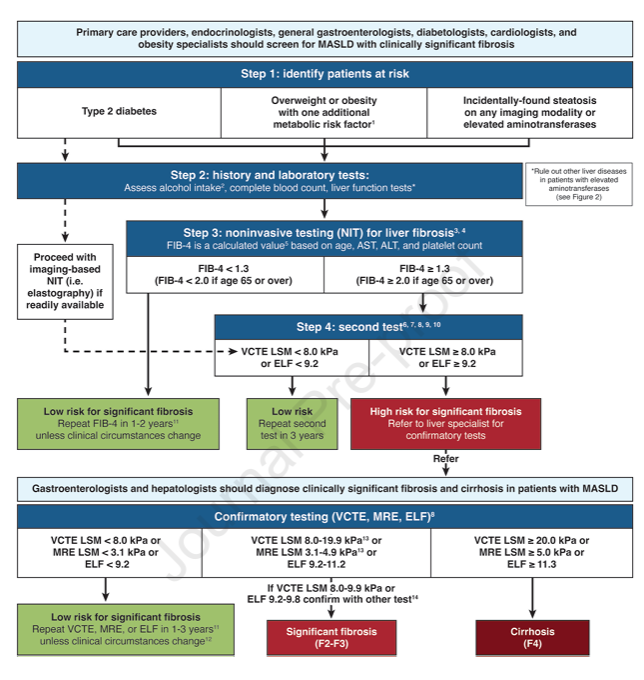
New @AmerGastroAssn MASLD pathway: for people with type 2 diabetes, you can now skip FIB-4 and go straight to elastography when it’s available.
https://t.co/gb7Mymtotf
#LFNbasics
📌Pain management in cirrhosis: simple in theory, complex in practice.
📌What’s safe? What should you avoid? And what are we often getting wrong?
🔗 https://t.co/tByLHaoW3U
By : Ana Untaroiu ✍️
Newer clinicians may not know this or appreciate how important this is : Acidosis, particularly with a pH <7.20 , significantly impairs the effectiveness of vasopressors by reducing vascular reactivity to catecholamines (norepinephrine, epinephrine) and decreasing cardiac contractility. This leads to refractory hypotension and worsened shock. The primary management focus is reversing the underlying cause of acidosis. Bicarbonate will temporize->but you need to get to the route problem.
When someone is hypotensive-it’s often or commonly multifactorial. When addressing it - you must pull the appropriate levers. Address each individual contributor. Is the patient on calcium channel blocker, but also now septic ? Consider reversing it with CaCL.
Blood pressure is mediated by the tank (volume), the pump (LVEF), heart rate, and vascular tone (peripheral resistance). The reason why zestoretic and entresto are so powerful at treating HTN is they attack 2 of the levers at the same time.
You should optimize each lever in treating shock/hypotension. People with profound shock shouldn’t have a HR in the 50s. Treat ALL reversible causes that maybe contributing. Don’t just treat hypotension. It’s a vital sign… when vital signs are abnormal ask yourself why is it abnormal! There is a differential diagnosis. Each pressor pulls each level with different strength. Don’t engage in pharmacological warfare! Avoid dilt drips for afib when the patient is in shock on pressors. @HeartOTXHeartMD@MKIttlesonMD@DrMarthaGulati@kidney_boy
Pay attention to the kidneys often they are smarter than you are. IF you notice hourly UOP trending down (less than 30cchr) please make sure the MAP is sufficient and the tank is adequate.
Some practicing pearls from the front line.
Residency tip:
Your Relationship With Nurses/Technicians Will Make or Break Your Residency
This doesn't get said enough, and it applies whether you're on the ward, in the lab, or running a clinic. The people around you - nurses, lab technicians, radiology techs, pharmacists, the person managing the sample collection desk - they've watched batch after batch of residents rotate through. They've quietly figured out which ones are worth helping and which ones aren't.
They know things your attendings don't. The ward nurse knows which patient looks off before the vitals confirm it. The lab tech knows why that result is delayed and how to actually move it faster. The radiology technician caught something during positioning that never made it into the report. That information is available to you - but only if you've bothered to build the relationship.
Introduce yourself on day one. Not just to the seniors and consultants. To everyone! Remember names. Say thank you like you mean it, because you should. When a nurse calls you at 2am about a patient you think is stable, don't sigh into the phone. Listen. Ask what's worrying them. When a lab tech flags something that feels routine to you, don't brush it off. They're pattern -recognizing too, just differently.
The residents who treat support staff as background noise are missing half of what's actually happening around them. The ones who build genuine respect - not performed niceness, actual rapport - get called earlier when something's wrong and move through training with far less friction.
Build those relationships early. They will save your patients. And on the nights when everything is going wrong at once, they'll save you too.
AASLD is proud to collaborate with leading global organizations on a new consensus document guiding the diagnosis, staging, and management of alpha-1 antitrypsin deficiency–associated liver disease in adults. #LiverTwitter@AmerGastroAssn@EASLnews
View the consensus document in @AGA_Gastro. https://t.co/OquCz39jtR
Today I learned sepsis causes thrombocytopenia because bacteria express neuraminidase, a virulence factor that cleaves sialic acid from host cells allowing for greater adherence to cell surface. When platelets get desialylated they get cleared by kupfer cells in the liver.
The most likely result of recommending IV vitamin K for cirrhosis is that you have inadvertently taught the next generation of clinicians to misinterpret the INR
It’s not what you intended. But it is what happens
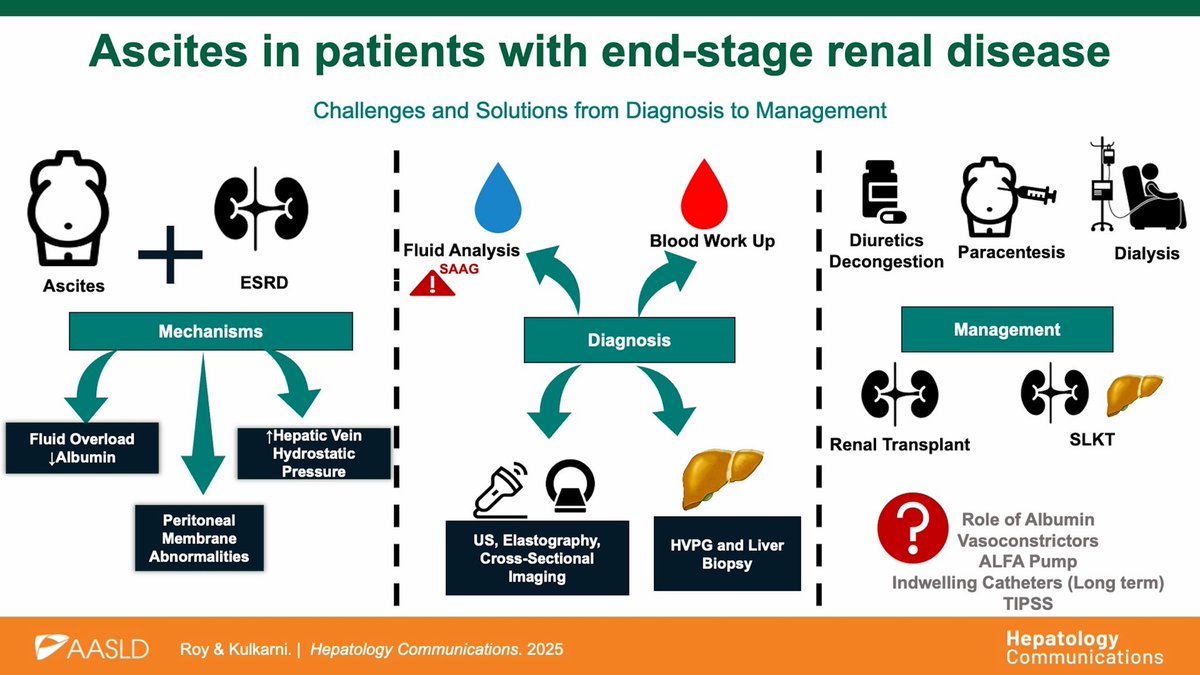
📑 #Ascites in patients with end-stage #renal disease: Challenges and SOLUTIONS from diagnosis to management‼️
#OpenAccess#LiverX
https://t.co/YiDEsCJjqp
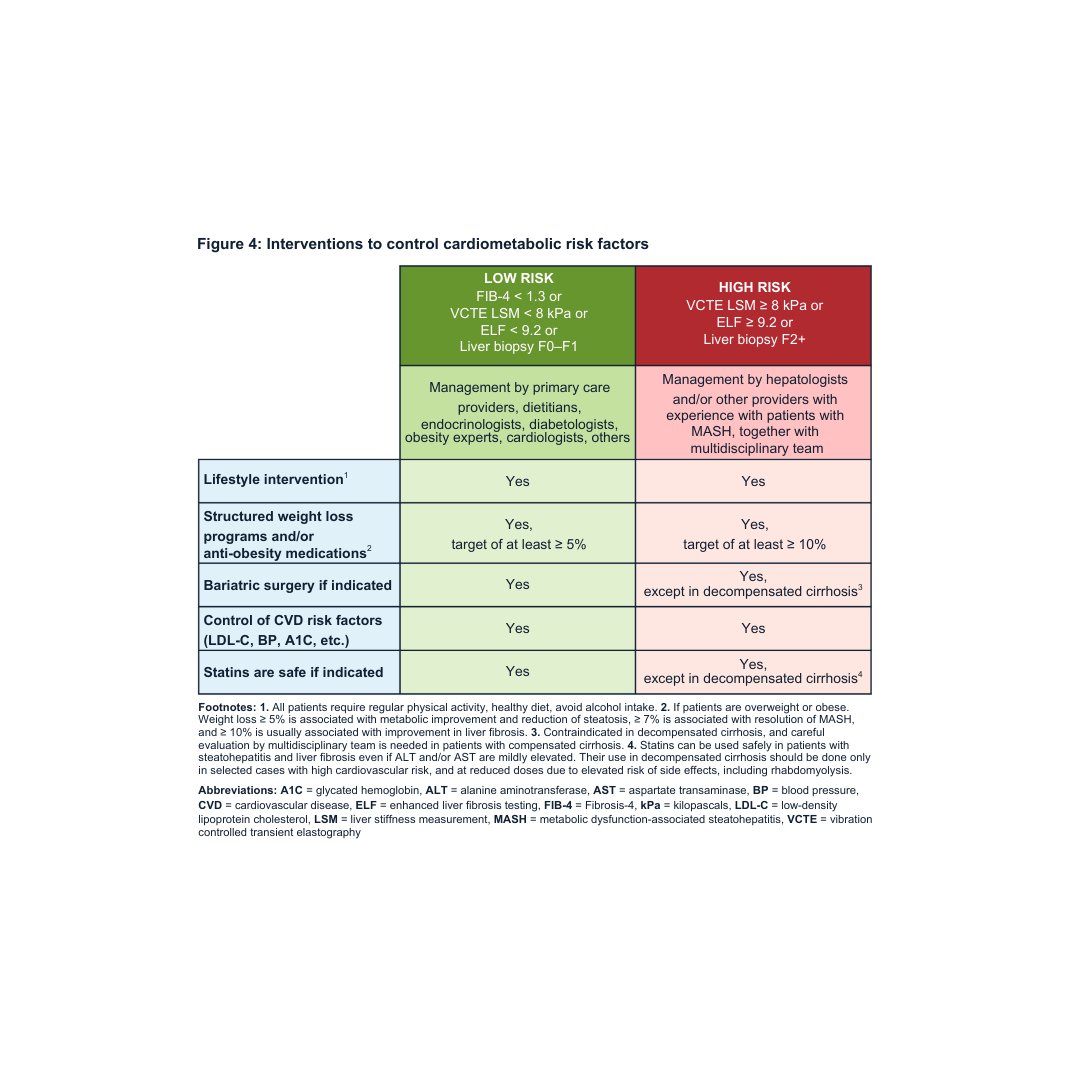
The most common chronic liver disease worldwide, metabolic dysfunction–associated steatotic liver disease (MASLD) affects approximately 30% to 40% of the general adult population.
This Review summarizes the diagnosis, treatment, and prognosis of MASLD. https://t.co/cnge8XGwQ6
Presented at CCR Down Under 2025:
In a randomized trial involving critically ill patients undergoing intubation in EDs or ICUs, the use of ketamine for the induction of anesthesia did not lead to significantly lower in-hospital mortality than etomidate. Full trial results: https://t.co/ovSy71Gi1j
@CritCareReviews
Among patients with early #SepticShock, a personalized hemodynamic resuscitation protocol targeting capillary refill time was superior to usual care for the primary composite outcome, primarily driven by a lower duration of vital support.
#LIVES2025@ESICM
https://t.co/UQH5mSw8Ty
The Sequential Organ Failure Assessment (SOFA) score is the most widely used tool for evaluating organ dysfunction.
This week, JAMA published the SOFA-2 score, a data-driven update that incorporates current organ support therapies and introduces new scoring thresholds. https://t.co/8C8omQv7w6
Clinicians can enhance patient understanding by using numerical data instead of verbal probabilities, consistent denominators, absolute risk comparisons, and clear context for unfamiliar data types.
https://t.co/dcOmkNwtlS
1/4
The Plasma Exchange Paradox
Have you ever wondered why plasma exchange saves lives in TTP but does nothing in ITP? Both are IgG-mediated. So why the difference?