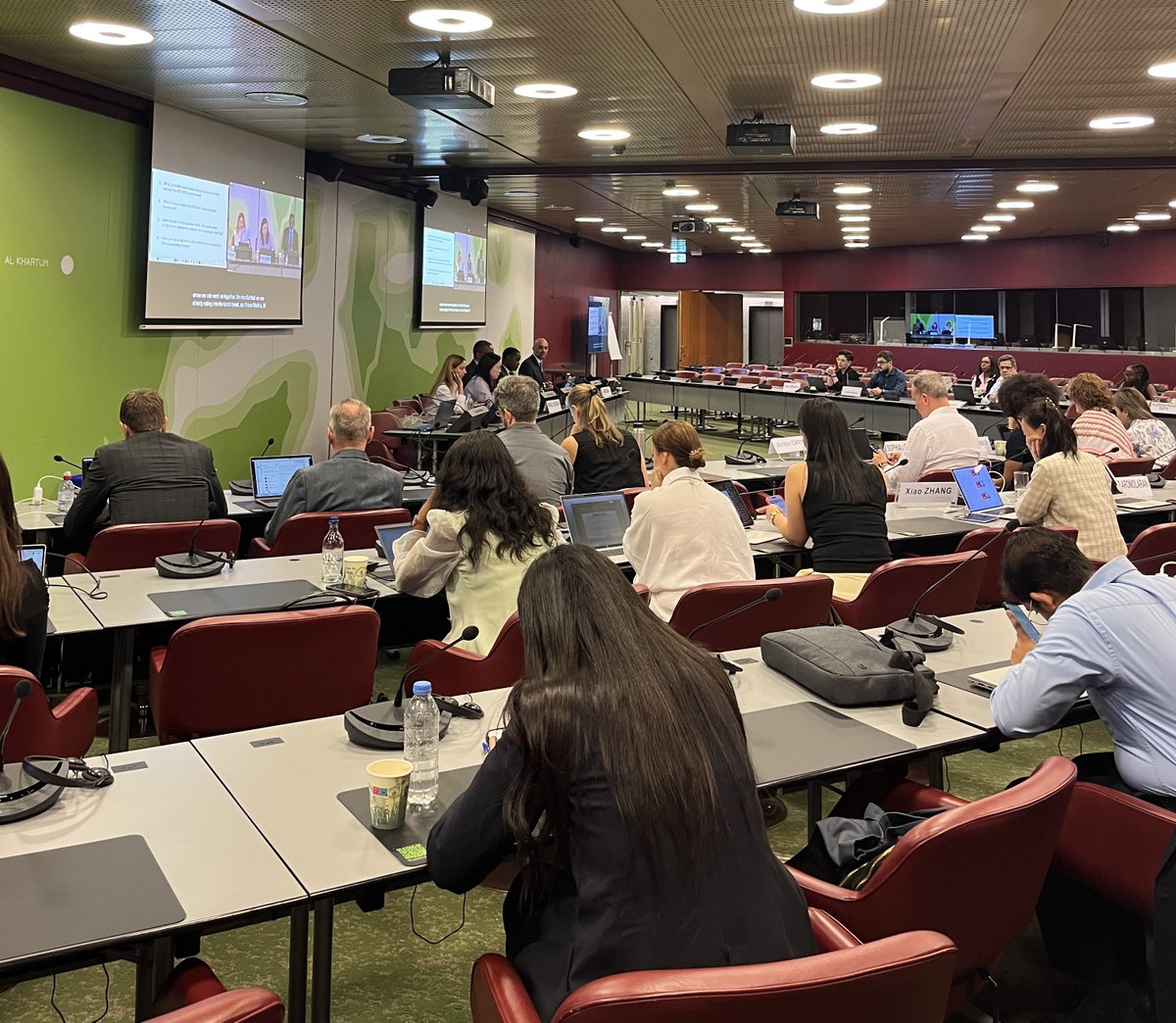
🌍 IGF 2026 Open Consultations & MAG — Day 1 is a wrap!
The community began shaping the programme under the theme "Governing the Internet in the Age of Intelligence."
📄 Full agenda (all days): https://t.co/InkpWpkxNI
It was good attending the @NISTcyber . Great learning about the Control overlays for securing AI systems and seeing an overview of the NIST's cyber AI profile project
Very engaging multi-stakeholder dialogue on quantum technologies in nuclear disarmament and arms control. Quantum is no longer a problem of tomorrow, the emerging risks and opportunities have to be discussed now. Thanks @UNIDIR
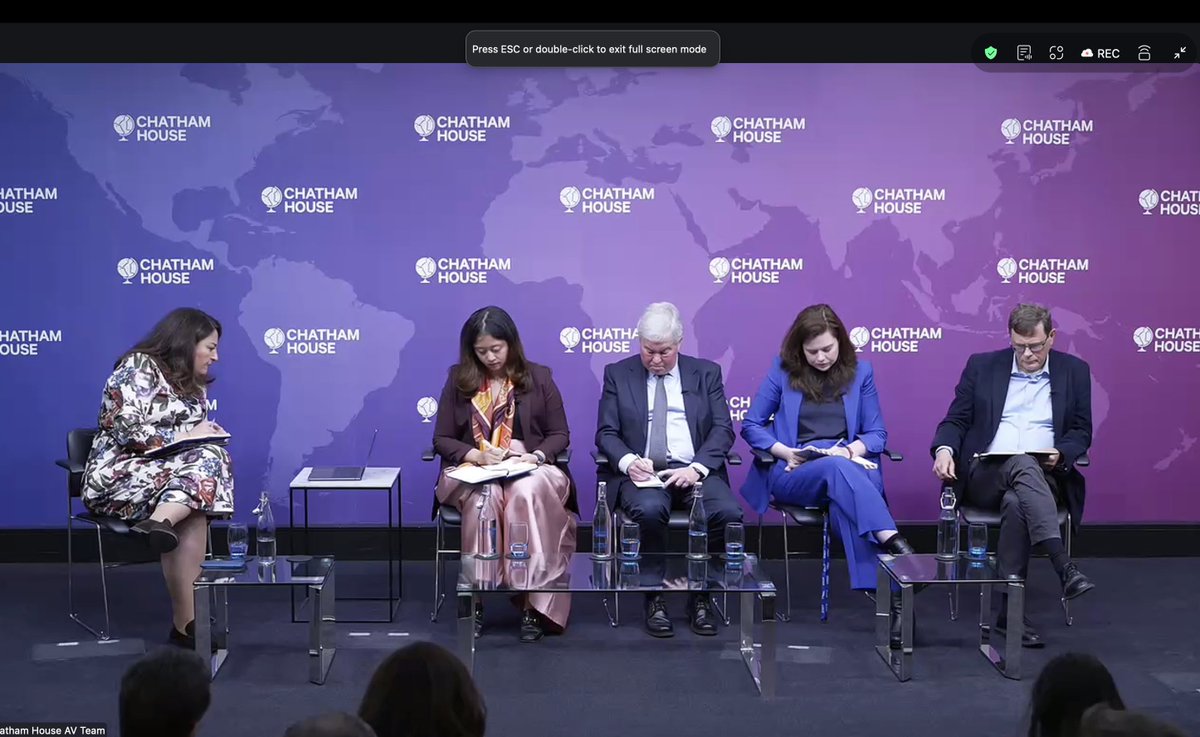
Interesting discussion on AI in national security. Private companies are gaining power to almost the status of 'nation states' and are challenging the States' monopolisation of violence. Sovereign AI is a now strategic necessity #CHEvents
This program enriched my understanding of diplomacy and peace missions! It’s practical and contemporary, with diverse participants! Apply #proudalumni#gcsp
Our Swiss Peacebuilding Training Course on behalf of @SwissMFA & with the Swiss Armed Forces is designed to respond to the evolving needs of #peace missions, programmes & initiatives operating in complex, high-risk environments.
Interested? Apply here: https://t.co/F3uNThwEHu
Deep dive & insightful conversation with thought leaders in this space. Enlightened by a practitioner's view of the pressing IHL questions present. Views shared on impact of AI/cyber on IHL are contentious and highlight the need for consensus. Thanks to @ABILA_official@ICRC
#cycon2025 panel: International Law Perspectives on AI in Armed Conflict: Emerging Issues
AI enhances already existing issues in international law on armed conflict, but it also definitively brings new challenges to the table. Panelists Dr Antonio Coco, Anna Greipl, Ltc Col Dr Eric Pouw and Netta Goussac offered a compelling analysis of a number of them at #CyCon2025 today: from the state of international law on military AI, to human-AI interaction in decision support systems, to the complexities of AI in offensive cyber operations, and the critical role of legal reviews in ensuring compliance with IHL.
We were also delighted to announce we are working on a book on this topic, under the academic leadership of Professor Kubo Mačák, with close involvement of a number of CCDCOE experts, including Nick Wobma as the project lead and Maria Tolppa as one of the legal researchers. The volume will be published by Oxford University Press in the Lieber Studies Series in 2026. Stay tuned!
@WarOnTheRocks “The only way to achieve the consistency and scalability necessary to adequately organize, train, and equip an operational cyber force is by creating a central, unified organization to manage all facets of force generation”
@LouMarieHSD Looking forward to accessing reports of this collaboration with my home country! @ZictaZM is a key institution in our Cyber defence architecture
Clear thoughts and perspectives as usual from my former lecturer @KuboMacak on the “foundational tenet of international law”
Deep exploration into legal justification between jus in bello and jus ad bellum
My newest piece, an article honouring the legacy of Professor Yoram Dinstein, explores the legal justification for the separation between the jus in bello (#IHL) and the jus ad bellum (law on the use of force), as well as some of its legal consequences: https://t.co/sSOHuqsbXN