All the #AHA26 Clinical Trials Presented So Far Are in Thread Below:
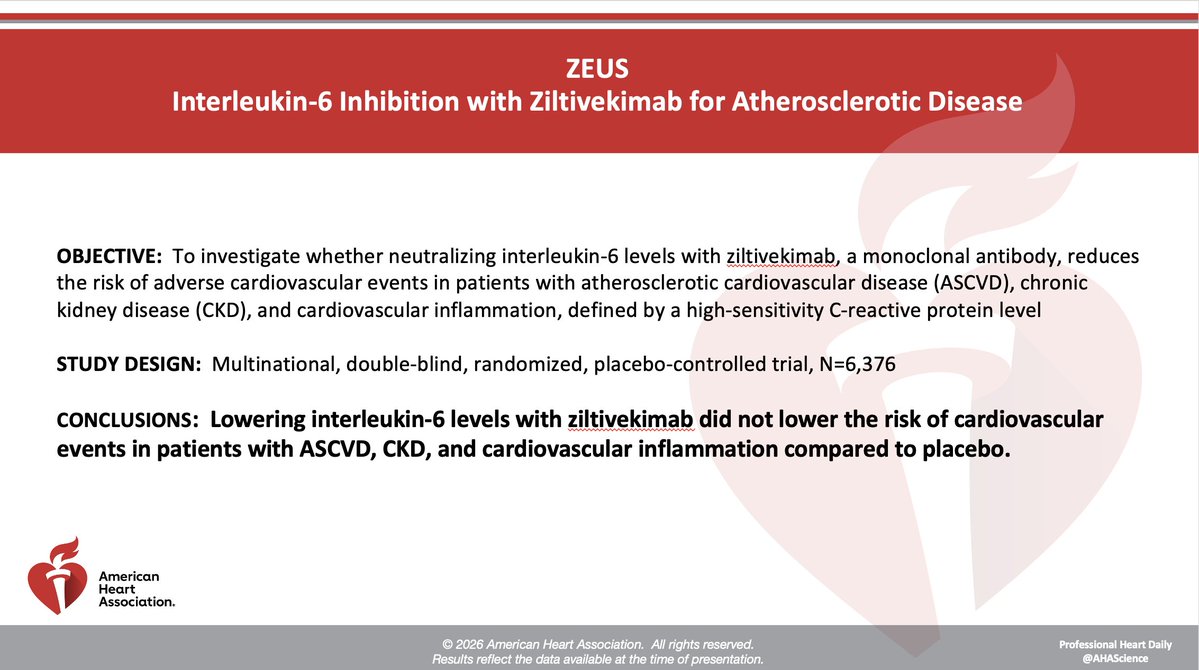
ZEUS: Lowering IL-6 levels with Ziltvekimab did not lower the risk of CV events in patients with ASCVD, CKD, and CV inflammation compared to placebo.
Free tools built by clinicians for learning the many facets of cardiology🫀🩻⚡️🧮📚🕹️
Explore these resources👇🏼:
🩻Echocardiography: https://t.co/PwypDUzQwA by @David_Ouyang
🩻Angiography Views: https://t.co/8doA5C0azH by @AnnasRahmanMD
⚡️Localize PVCs: https://t.co/rL8GAKQmPl by @Challa1218
⚡️Localize VTs: https://t.co/1fKI51AulC by @ArunUMahtani
⚡️LBBAP Simulator: https://t.co/z8IvaT2fZE by @jo3_assad
🩻LAA TEE/ICE/CT Simulator: https://t.co/XHtgyyWE2i by @ExtraStim
🧮Interactive Core Cardiology Tools and Calculators: https://t.co/rc2pSSQDyF by @ruey_hu
📚Latest Trials and Guidelines: https://t.co/kcEbJ6d5dE by Jay Gohri, Adhish Beri, and @KochharGunjan
🩻Interactive M Mode: https://t.co/WhJheOhURc by @HoosierPocus
🕹️Night Float Simulator: https://t.co/dHOhWtss1s by @AbedfromBeirut
🕹️Congenital Heart Disease, Pacemaker, ECG Simulators: https://t.co/lUdVx0d8AJ by Dinesh Raja P
This list keeps growing. Know a free, clinician-built tool that belongs here? Drop the link below
#Cardiology #CardioTwitter #MedEd #MedTwitter #FOAMed #VibeCoding #AI #AIinMedicine #LLMs #DigitalHealth
@ACCinTouch@escardio@ASE360@Heart_SCCT@HRSonline@SCAI@CardioNerds
VEGF-pathway inhibitors can cause both hypertension and proteinuria. The rationale for endothelin blockade is therefore quite appealing: counter ET-1 signalling while continuing the cancer therapy when possible.
Its' Anemia Week this time. ⏰
CKD anaemia: some important shifts in KDIGO 2026
🔹 Don’t look at Hb alone. Ferritin + TSAT should be part of routine assessment.
🔹 Iron thresholds are now clearer:
• Non-HD CKD: consider iron if ferritin <100 with TSAT <40%, OR ferritin 100–300 with TSAT <25%
• Haemodialysis: IV iron preferred if ferritin ≤500 AND TSAT ≤30%
• Withhold routine iron if ferritin >700 or TSAT ≥40%
🔹 Iron deficiency without anaemia matters: ferritin <30 + TSAT <20% may warrant treatment even with normal Hb.
🔹 ESA remains first-line when pharmacologic treatment is needed. HIF-PHIs are an alternative NOT the default AND should be avoided with active malignancy or recent cardiovascular/thrombotic events.
🔹 In dialysis, ESA initiation around Hb ≤9–10 g/dL is suggested; do not maintain Hb ≥11.5 g/dL.
For Indian practice:
This argues for moving beyond the common “low Hb → ESA” approach. Check iron properly, correct reversible causes first, and avoid escalating ESA for what may actually be iron-restricted erythropoiesis.
Particularly relevant where iron deficiency, inflammation, CKD and anaemia frequently overlap.
💥 Palapation
⚡️Assess the pulse over the AV access
⚡️Pulse Augmentation Test: it is used to assess the ‘inflow’ portion of the AV access. See how it’s done in the figure👇🏽
15/
ESC Congress 2026 🇩🇪 | My Top 20 Lipidology Highlights
After an intense few days in Munich — including the opportunity to present our own work — here is my personal selection of the 20 lipid studies and concepts that caught my attention at ESC 2026.
1- VESALIUS-CV | Evolocumab — Earlier, sustained LDL-C lowering translated into clinical benefit, with an important mortality signal.
2- STAREE | Atorvastatin — In adults ≥70, MACE ↓ 30%. Age alone should not justify undertreatment.
3- SHASTA-3/4 | Plozasiran — TG ↓ ~80%, with fewer acute pancreatitis events.
4- AMUNDSEN | Evolocumab — Immediate post-MI initiation: LDL-C goal achieved in 82% vs 40%.
5- KYLO-11 | Lp(a) — One siRNA dose: Lp(a) ↓ up to ~97%, sustained almost one year.
6- CTX310 | ANGPTL3 — One-time CRISPR editing: LDL-C and TG ↓ ~50%.
7- VICTORION-CHALLENGE — Inclisiran substantially outperformed bempedoic acid for LDL-C lowering.
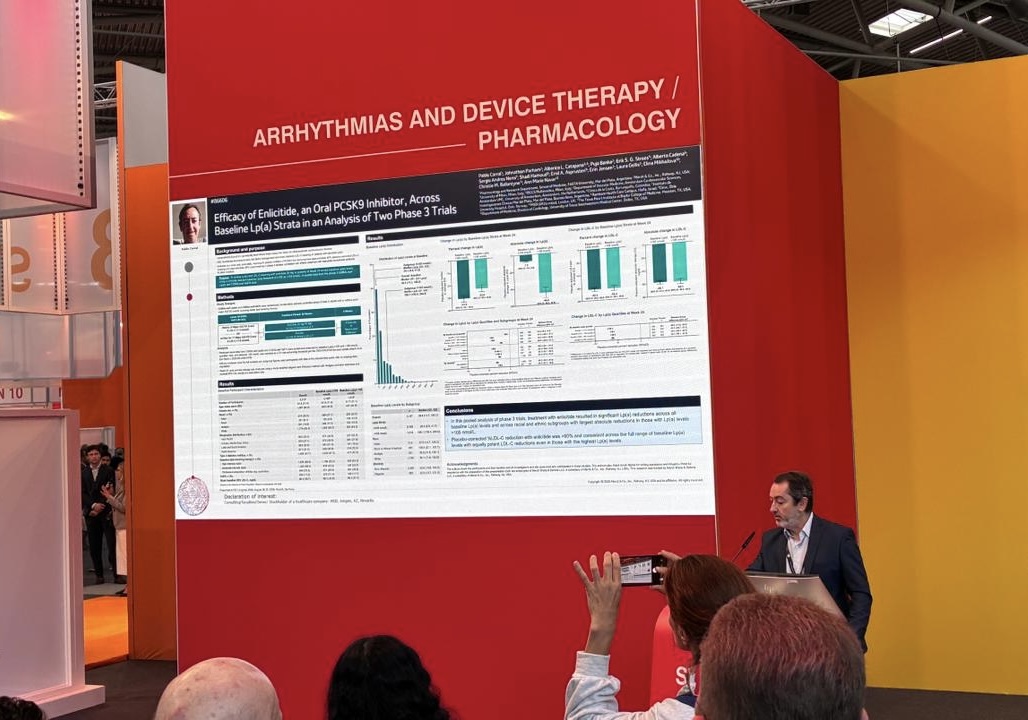
8- CORALreef | Enlicitide — Potent oral PCSK9 inhibition across CV risk and Lp(a) strata.
9- Lepodisiran — Profound Lp(a) lowering plus reductions in OxPL-apo(a)/OxPL-apoB.
10- ION775 | APOC3 — One dose provided sustained apoC-III and TG lowering.
11- HRS-5346 — Oral small-molecule Lp(a) lowering: an exciting new approach.
12- BRIDGE — Structured combination therapy after ACS markedly improved LDL-C goal attainment.
13- Rivocibart | ANGPTL3 — A promising approach for HoFH.
14- AAV8 gene therapy | HoFH — Striking early LDL-C reductions with gene replacement.
15- PROSPECT II | Lp(a) — New links between Lp(a), lipid composition and high-risk coronary plaque.
16- Lp(a) variability — Lp(a) may be less “static” than traditionally assumed.
17- Remnants/TGRL — More evidence linking remnant cholesterol with residual ASCVD risk.
18- Lp(a) & plaque vulnerability — Imaging further connected Lp(a) with vulnerable plaque phenotypes.
19- Lp(a) after ACS — Timing and clinical context may influence Lp(a) interpretation.
20- Precision lipidology — LDL-C, apoB, Lp(a), APOC3, ANGPTL3 and remnants are becoming therapeutic targets.
My take-home from Munich?
For today:��treat earlier, lower and for longer. Use combination therapy when needed.
For tomorrow: pills → combination therapy → RNA therapeutics → potentially one-time gene editing.
Different technologies. Different targets. Same biology:
Cumulative exposure to atherogenic lipoproteins drives atherosclerosis. Reduce exposure earlier, prevent disease earlier.
@society_eas
@escardio
1/10
#NephJC#TenPostNephJC
Validation of an AI model is difficult. 🤖
Enter the REFINe trial (Reasoning Enhancement With Feedback From a Generative AI in Nephrology), a RCT of large language model (LLM) -assisted diagnostic accuracy in nephrology.
https://t.co/zojosVmIxG
☝️Atherosclerosis starts earlier than we think
👉New data from the REACT study, published in NEJM, provide a striking picture of silent atherosclerosis across adult life:
1️⃣ 16,808 adults, aged 18–70 years, without known ASCVD.
2️⃣ Multimodal imaging included 3D carotid and femoral ultrasound plus coronary CT angiography.
3️⃣ Silent atherosclerosis was present in 57.1% of participants.
4️⃣ Even at 18–29 years, plaque was already present in 8.7% of men and 6.7% of women.
5️⃣ By age 30–39, prevalence reached 34.6% in men and 21.3% in women.
6️⃣Atherosclerosis appeared 5–10 years earlier in men, while women showed a later but steeper rise in midlife.
7️⃣ In younger adults, disease was usually peripheral and single-territory, especially carotid; with age, plaque burden increased exponentially and disease became increasingly multiterritorial.
8️⃣ ☝️Importantly, CAC = 0 did not exclude coronary plaque: among 30–39-year-olds with coronary atherosclerosis, ~42% of men and ~48% of women had zero coronary calcium
9️⃣ SCORE2 showed major discordance with actual disease burden: high SCORE2 had only 1.9% sensitivity for silent atherosclerosis.
☝️Key message: low short-term cardiovascular risk does not mean absence of atherosclerosis.
👉Risk scores estimate events. Imaging detects disease. REACT reminds us that prevention should begin long before cardiovascular risk becomes “high.”
🔗 https://t.co/SXmyy57V2h
@society_eas
🚨 10 striking conclusions from ESC 2026
1. HFmrEF is essentially gone.
ESC now defines HFrEF as LVEF <50% and HFpEF as ≥50%.
2. MRAs have broken the EF barrier.
Mineralocorticoid receptor antagonists now have a Class I recommendation in chronic HF irrespective of LVEF. Semaglutide/tirzepatide receive Class IIa recommendations for HFpEF with obesity.
3. SINGLE-AF: anticoagulation may start earlier than we thought.
In AF patients at intermediate stroke risk, DOAC therapy reduced adverse clinical outcomes by 69% versus no anticoagulation.
4. Severe TR is no longer just “give diuretics and watch.”
TRIC-I-HF: transcatheter tricuspid repair reduced HF hospitalisation and all-cause mortality compared with medical therapy alone.
5. Unexplained syncope deserves early prolonged ECG monitoring.
ASPIRED: immediate 14-day monitoring did not prevent recurrent syncope, but substantially improved arrhythmia diagnosis/treatment and was associated with lower mortality.
6. Intermediate–high-risk PE may be entering the catheter era.
PRAGUE-26: catheter-directed thrombolysis improved short-term clinical outcomes versus anticoagulation alone, without an obvious major bleeding penalty.
7. Cardiac arrest + no STEMI ≠ automatic immediate cath lab.
DISCO: immediate angiography after OHCA without ST elevation did not improve 30-day survival.
8. Being ≥70 is not a reason to abandon primary-prevention statins.
STAREE: atorvastatin reduced major cardiovascular events by about 30% in older adults without known CVD, although disability-free survival was unchanged.
9. AF ablation has a surprisingly large placebo component for symptoms.
PVI-SHAM-AF: ablation reduced AF recurrence, yet improvement in AF-related quality of life was not significantly greater than sham treatment.
10. Even the definition of MI has changed.
The 5th Universal Definition of MI replaces the traditional numbered framework with primary MI, secondary MI and procedure-related MI, while incorporating sex-specific troponin thresholds and greater use of imaging.
🔥 The one-line ESC 2026 message:
Treat HF across the EF spectrum, anticoagulate selected AF patients earlier, intervene on TR, monitor syncope sooner—and stop rushing every post-arrest patient without STEMI to the cath lab.
Great discussion in Russel Grand Rounds @MGH_transplant @MGB_Kidneys
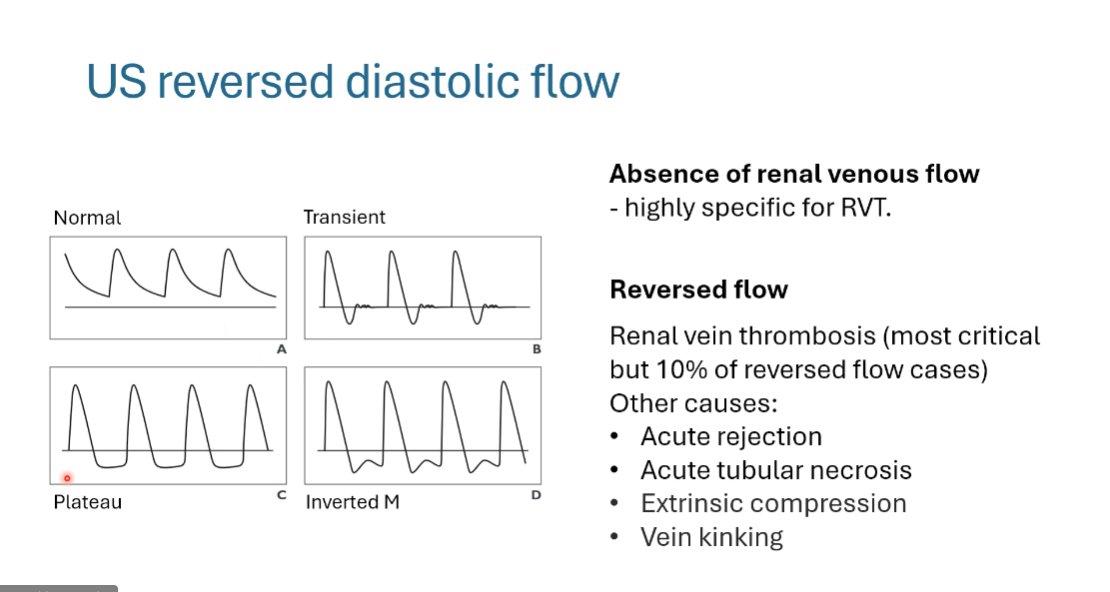
Reversed diastolic flow after kidney transplantation ≠ renal vein thrombosis.
Only ~10% of cases are due to renal vein thrombosis; acute rejection and ATN are more common causes.
But timing matters: when reversed flow occurs immediately after transplant, urgently exclude venous outflow obstruction, vascular kinking, or graft compression, potentially reversible surgical causes.
Key Doppler clue: absent renal venous flow strongly suggests renal vein thrombosis.
#KidneyTransplant #TransplantNephrology #POCUS #Nephrology
Oh look, a list of the 25 Best Nephrology podcasts.
My thumbs are so tired, I hope I don’t have to scroll too far to find Freely Filtered and Channel Your Enthusiasm
😏
https://t.co/sTcslAQy6H
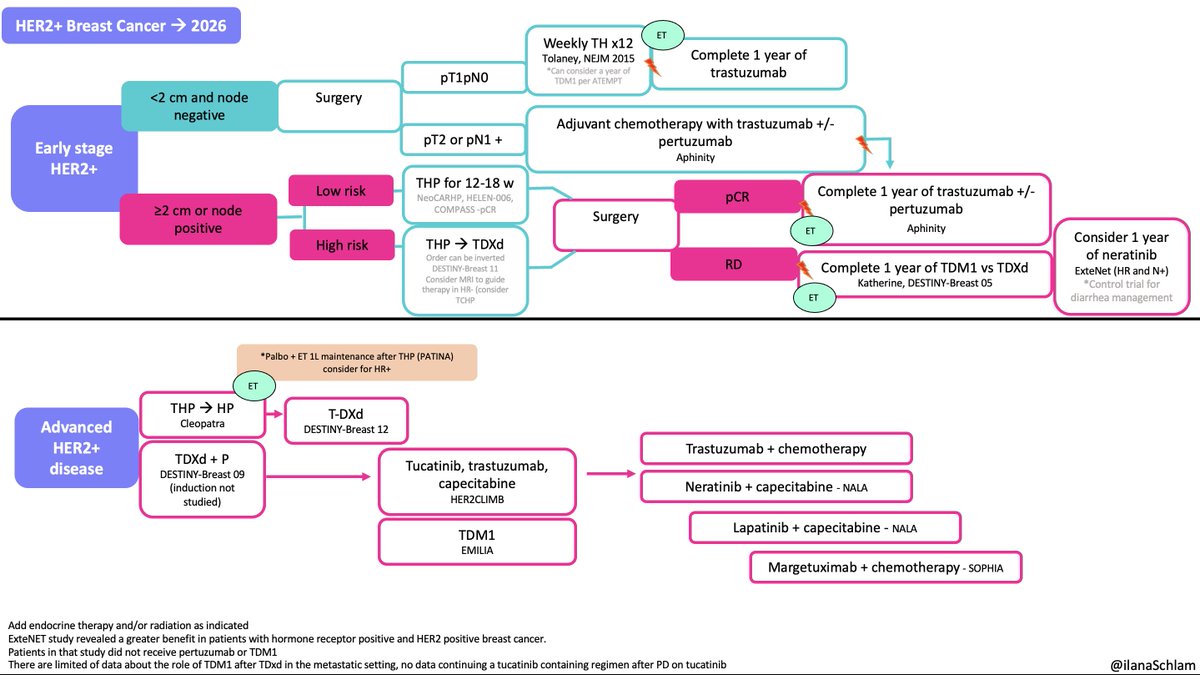
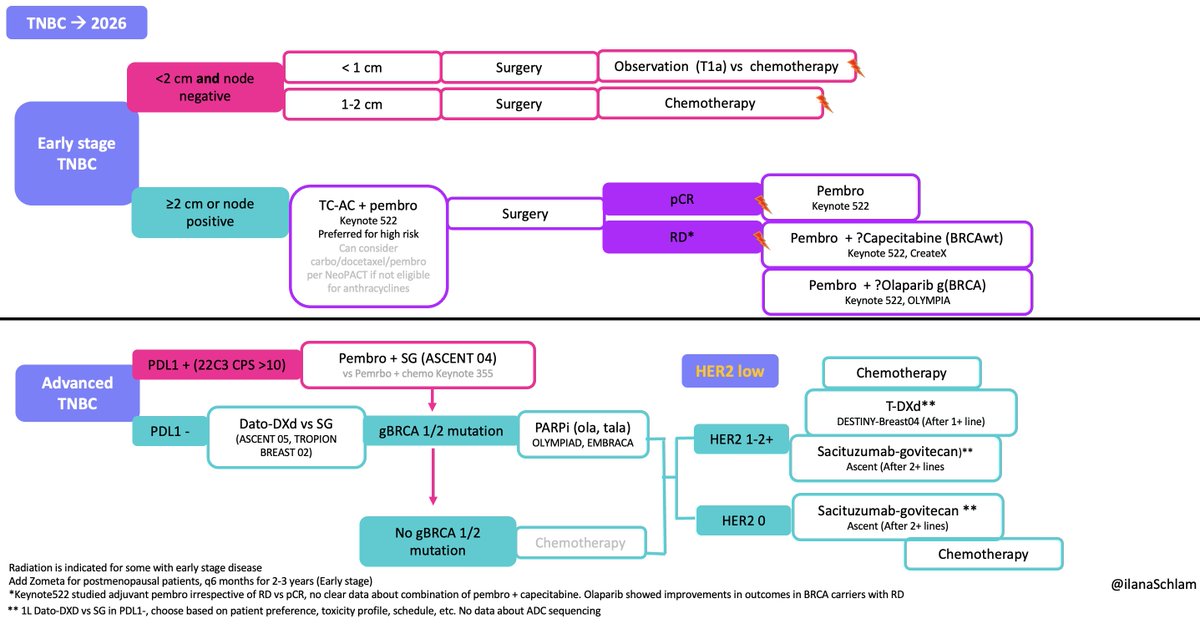
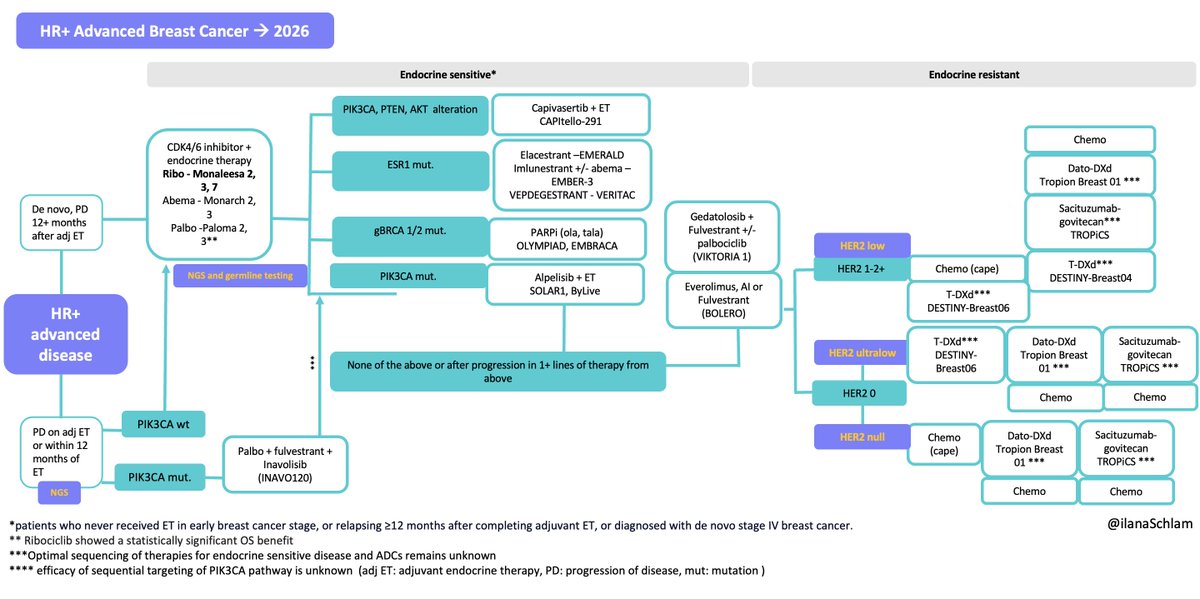
With 6 FDA approvals in breast cancer already in 2026, it was time to update the breast cancer treatment algorithms. It's a great problem to have when innovation is moving so fast that it's hard to keep up #bcsm@OncoAlert@DFCI_BreastOnc
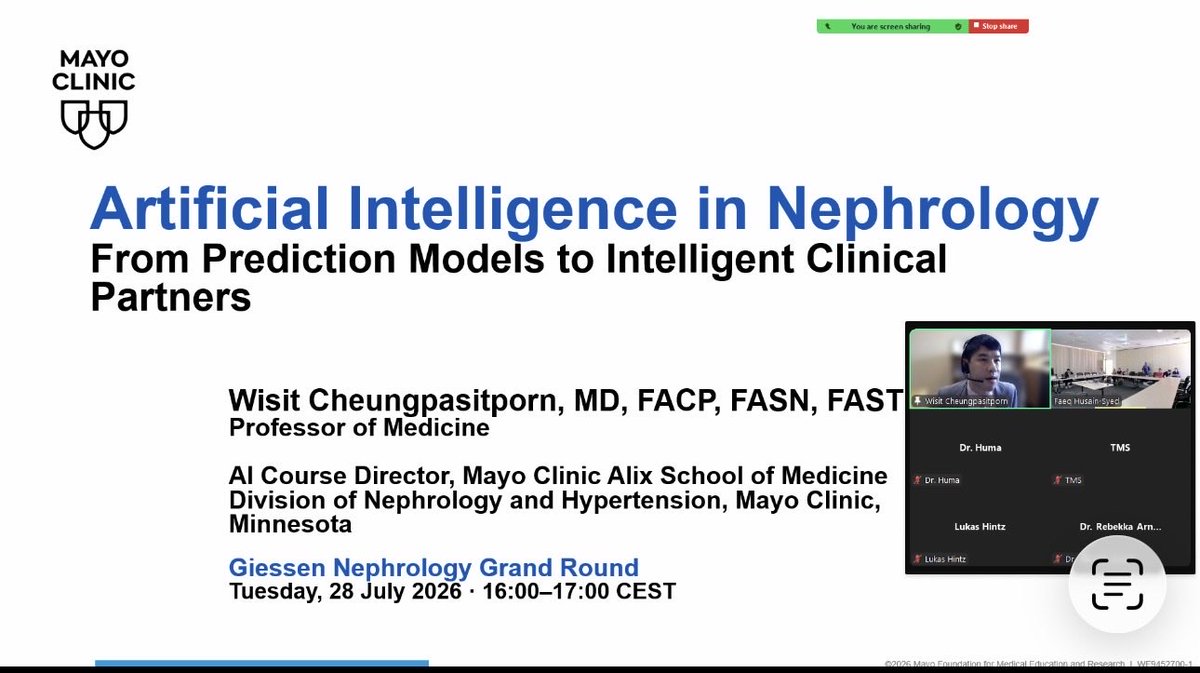
😃🙏🏻 Honored to have been invited as the guest speaker for the Renal Grand Round at Justus Liebig University Giessen, Germany! 🇩🇪
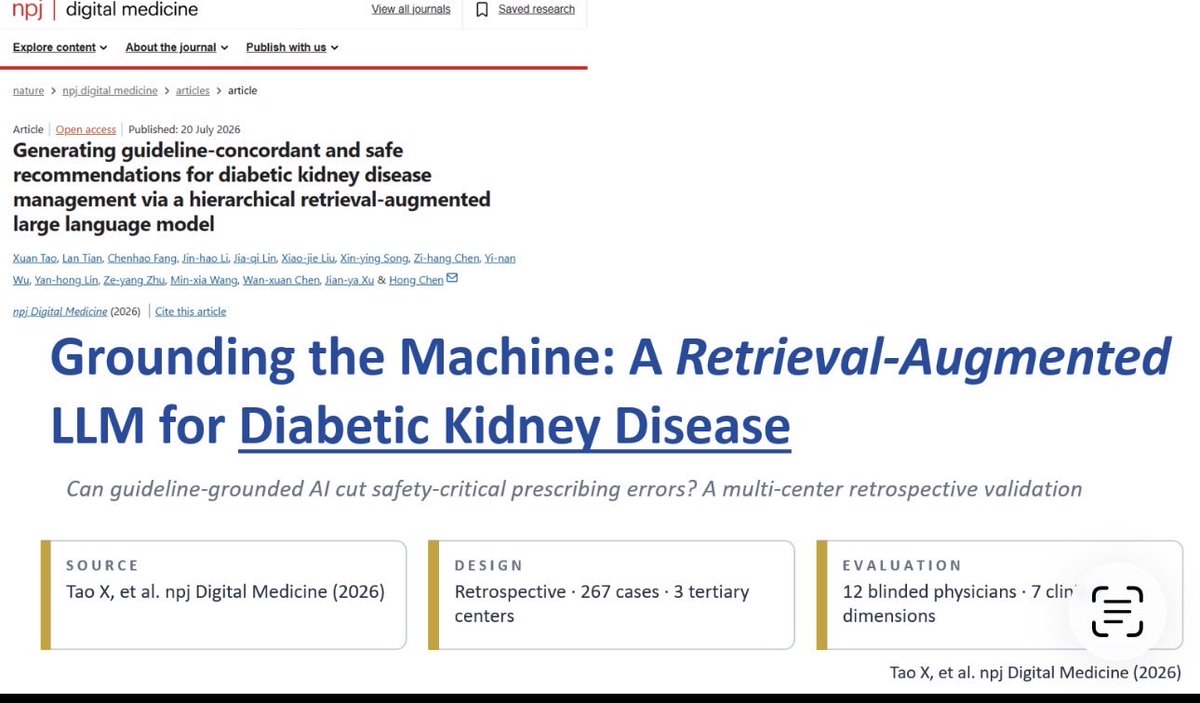
It was a privilege to present and discuss: “Artificial Intelligence in Nephrology: From Prediction Models to Intelligent Clinical Partners.”
😃🙏🏻🤝 A special thank you to Prof. Faeq Husain-Syed and the Department of Nephrology for the kind invitation and warm welcome. I am incredibly grateful for the opportunity to engage with the brilliant colleagues and trainees who are actively shaping the future of kidney care.
During our session, we explored how AI is rapidly evolving from traditional prediction tools toward intelligent clinical partners capable of supporting clinicians across the entire continuum of nephrology—from risk prediction and diagnosis to guideline-based decision support, transplantation, dialysis, education, and research.
Key Session Highlights:
🔹 Evidence-Based AI: Lessons learned from recent randomized clinical trials evaluating AI-assisted nephrology care.
🔹 Enhancing Safety with RAG: How retrieval-augmented generation improves the safety and guideline concordance of large language models.
🔹 Beyond Simple Prompting: The transition toward advanced AI systems that integrate knowledge bases, memory, tools, and specialized skills to deliver reliable clinical support.
🔹 Augmented Intelligence: The critical importance of responsible AI implementation that augments—rather than replaces—clinical expertise.
Our discussion reinforced a core belief: the future of AI in nephrology is not just about building more accurate models. It is about developing trustworthy, workflow-integrated clinical partners that improve patient outcomes while keeping physicians firmly at the center of decision-making.
Thank you again to everyone who joined the Grand Rounds, both in person and virtually! The thoughtful questions and dynamic discussion made this a truly inspiring experience. I look forward to future collaborations! 🤝
Wisit Cheungpasitporn, MD, FACP, FASN, FAST @MayoClinicNeph
Clinician-Scientist & Professor of Medicine, Mayo Clinic
Core Member & Strategic Leader, ASN Partnership for Responsible AI in Kidney Health
Leading AI Innovation in Kidney Care
#ArtificialIntelligence #AI #Nephrology #KidneyCare #DigitalHealth #MachineLearning #ClinicalDecisionSupport #MedicalEducation #MayoClinic #Giessen #ResponsibleAI
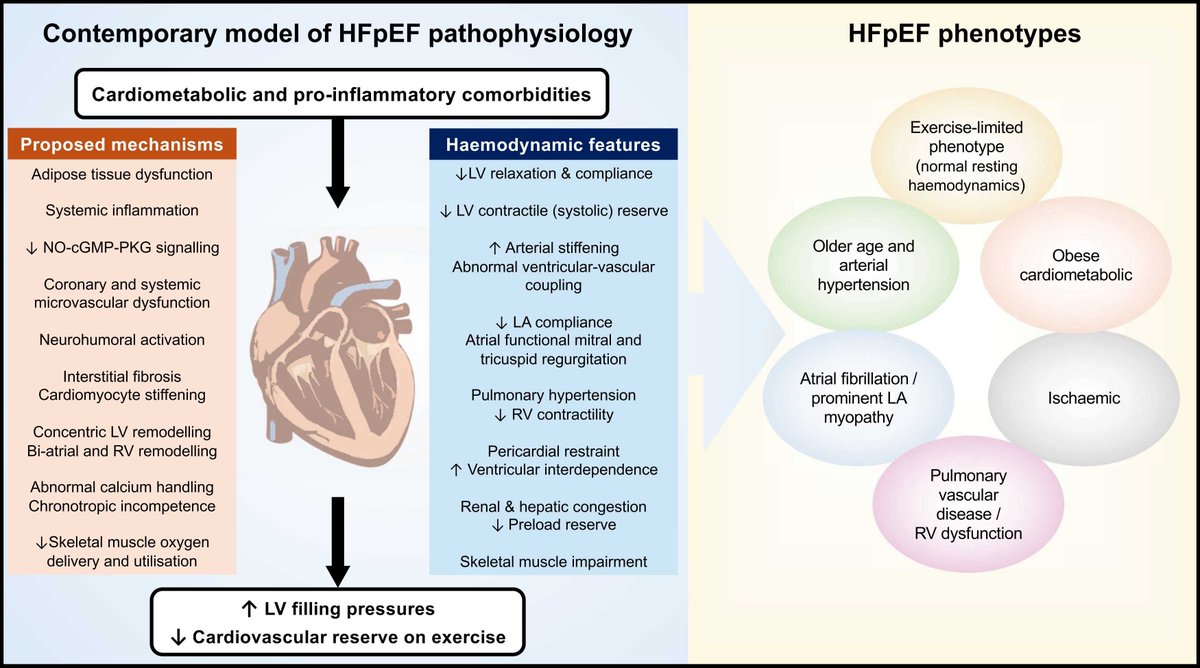
Diagnosing and managing HFpEF can be challenging.
Our new @ClinMedJournal review is a practical guide to recognising, diagnosing and managing HFpEF, including common pitfalls, current therapies, and what HFpEF is (and isn't).
https://t.co/D6zSVg5ggL
#HFpEF#HeartFailure#MedEd
#NephJC#TenPostNephJC.
#NephTwitter
1/10 Patients with CKD have ⬆️ CVD & bleeding risks but are often excluded from antithrombotic trials, creating a 🔑 evidence gap. Can low dose rivaroxaban safely improve CV outcomes?
https://t.co/DfGbR3wGjc
🧵 How to Read a Lipid Profile — A Simple Clinical Guide
1/ Your lipid profile is more than “cholesterol.”
It helps estimate future risk of heart attack, stroke, and blocked arteries.
The key numbers are:
• Total cholesterol
• LDL-C
• HDL-C
• Triglycerides
• Non-HDL-C
• Sometimes ApoB and Lp(a)
🧵 NUEVAS GUÍAS IDSA/ESCMID 2026 SOBRE BACTERIEMIA POR Staphylococcus aureus (SAB)
🔟 claves prácticas para internistas, infectólogos, intensivistas y microbiólogos. 👇
Basado en las nuevas guías conjuntas IDSA/ESCMID 2026.
👉Lifetime LDL-C Exposure: The Forgotten Determinant of Atherosclerotic Risk
📍LDL-C is not just a number—it’s cumulative exposure over time.
📍Think beyond LDL-C levels. Think plaque-years.
📍The earlier you lower LDL-C, the greater the lifetime benefit.
📍Starting treatment at 45 is better than never—but starting at 30 changes the trajectory.
📍Every year with elevated LDL-C adds to the arterial burden. Those years cannot be erased.
📍Prevention is not about treating cholesterol. It’s about preventing decades of plaque accumulation.
📍The most powerful lipid-lowering therapy isn’t necessarily the strongest drug—it’s early intervention.
☝️Lower LDL-C. Earlier. Longer.
@society_eas@nationallipid