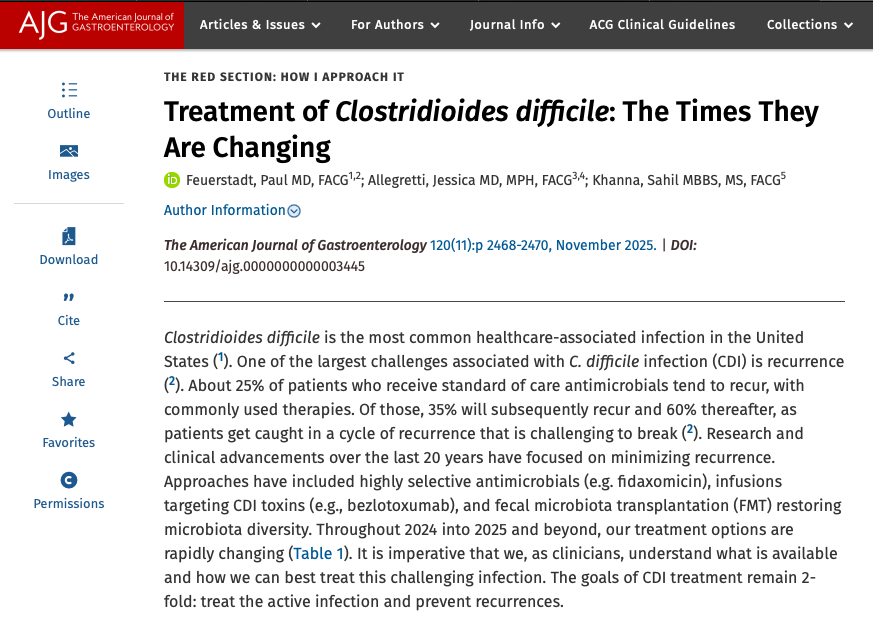
New perioperative management strategy for #SGLT2 inhibitors proposed by the #SPAQI. In this #BJA Editorial, Garcia and coworkers present this balanced and risk-stratified approach between metabolic events and cardiac benefits.
https://t.co/DBaX9Eke4g
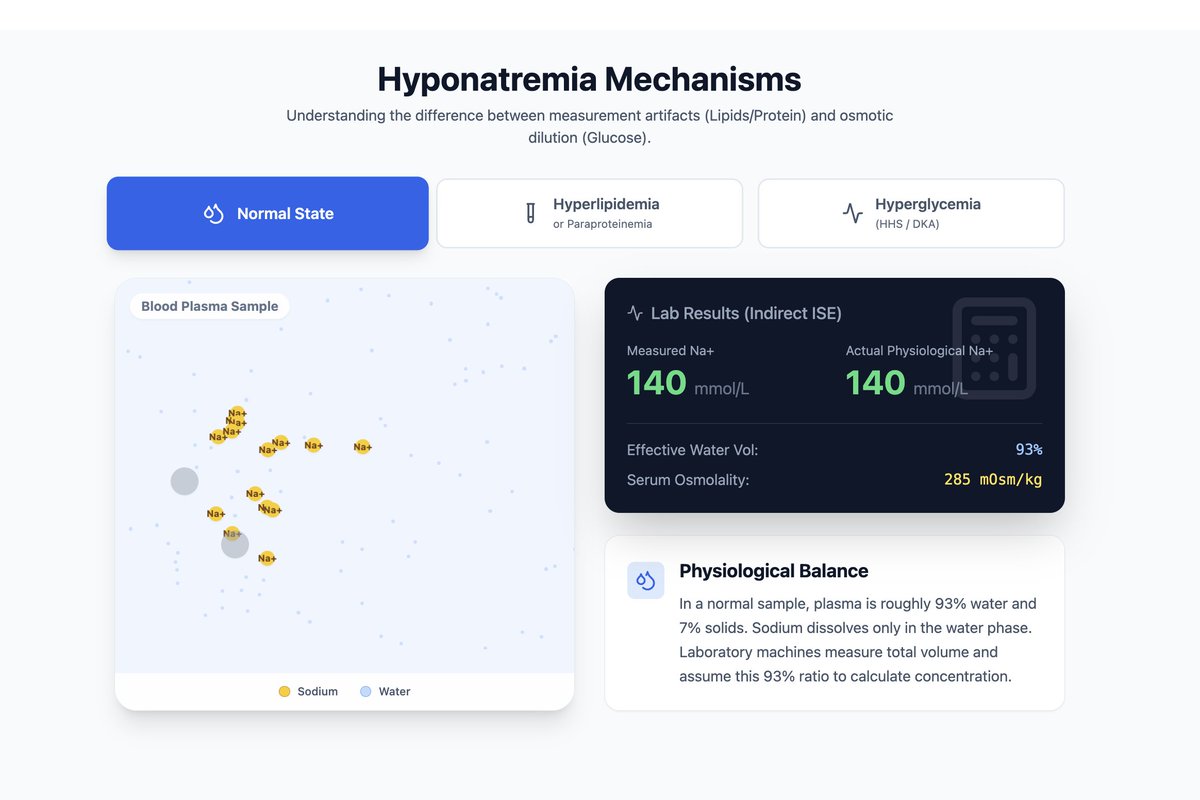
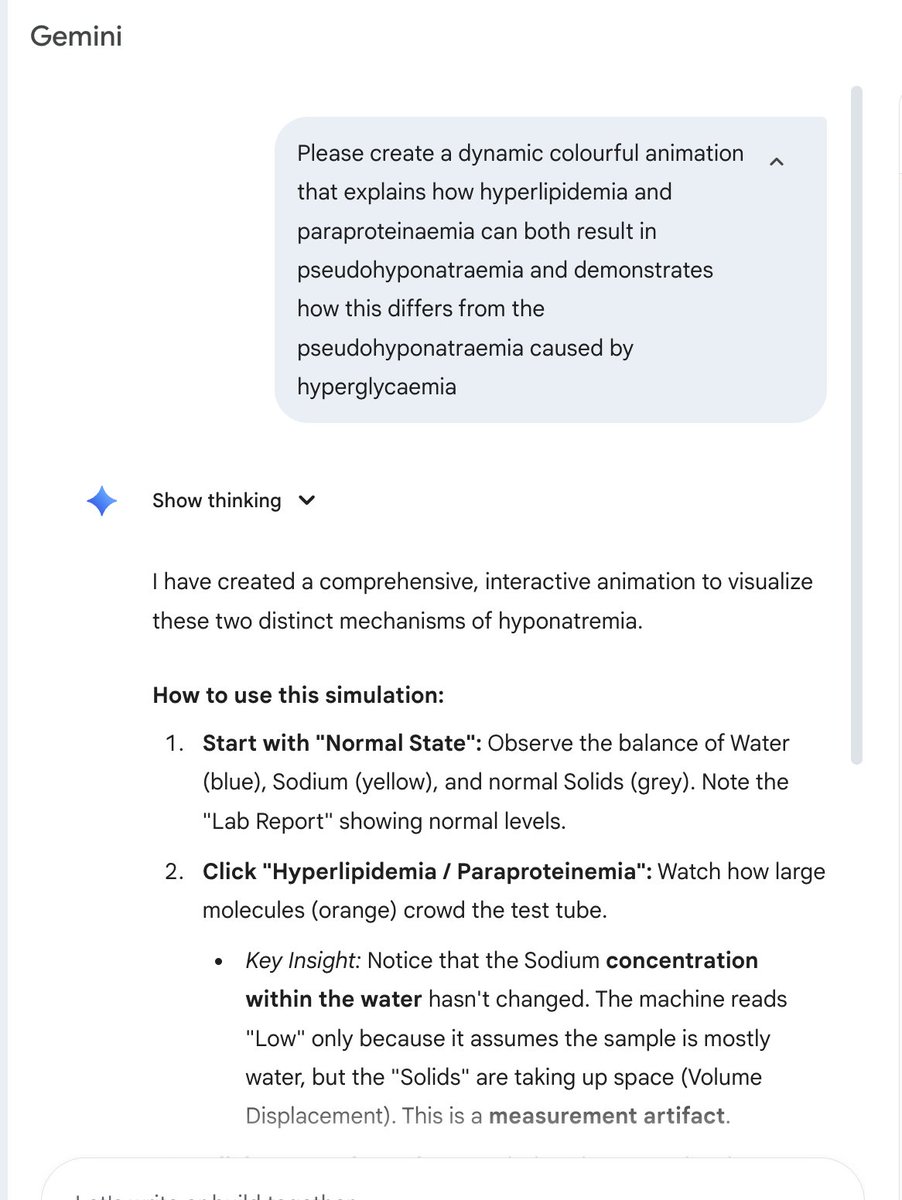
'Pseudohyponatremia' due to hyperglycemia is REAL hyponatremia which gets better when you fix the glucose
'Pseudohyponatremia' due to elevated lipids or protein is NOT real hyponatremia. The lab tells you the sodium is low but there is no true hyponatremia
I made this animated graphic using the latest Gemini AI model with a single simple prompt that explains the difference nicely
https://t.co/GgYcX9BTG0
We have a new publication in ICM:
Individualised treatment effects of enhanced early mobilisation in mechanically ventilated patients: a secondary analysis of the TEAM trial
https://t.co/Bhpl8ZnGVW
🫁#POCUS#Nephpearls
B-lines for beginners: They are highly sensitive and specific for cardiogenic pulmonary edema when interpreted in the right clinical context, often outperforming chest #X-ray. But remember, they aren’t exclusive to cardiogenic causes. Context is 🔑
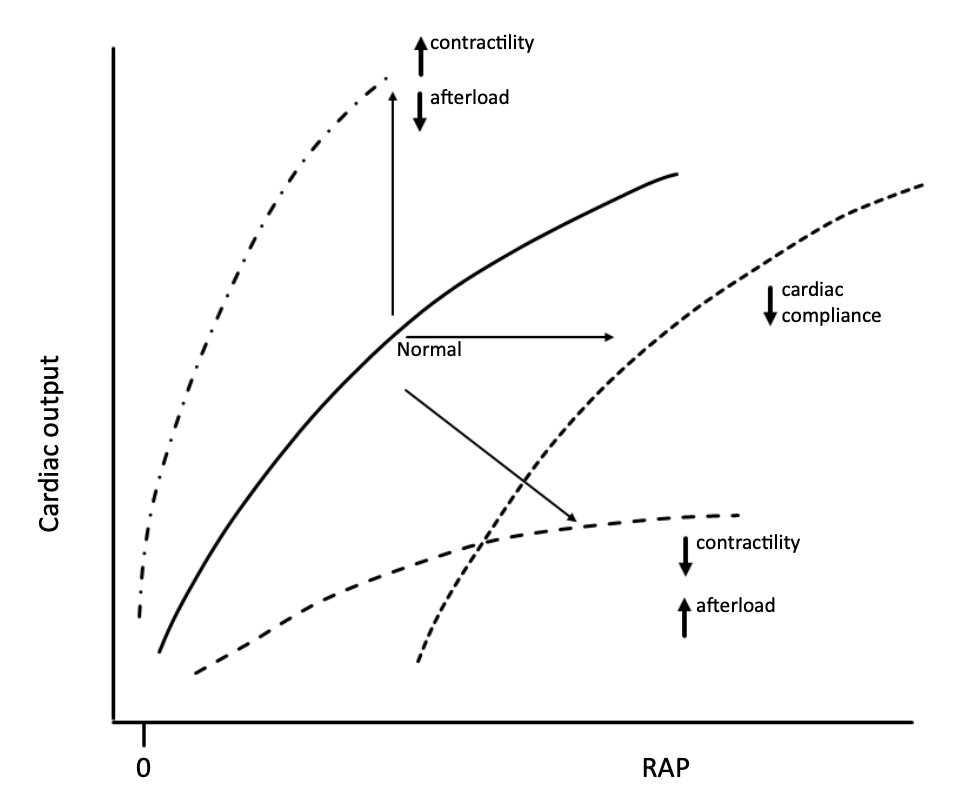
🧵 The Cardiac Function Curve — why it misleads (Part 1)
1/
The cardiac function curve is one of the most recognisable images in physiology.
Unfortunately, it’s also one of the most misdrawn, mislabelled, and misunderstood.
Let’s redraw it — and see what it really tells us about the circulation.
#MedX #FOAMed #physiology
If you're learning how to perform lung ultrasounds, the BLUE Protocol is a great starting point. This paper tackles what you need to know. 🎩 tip to the authors.
https://t.co/Sfr6vCnEaM
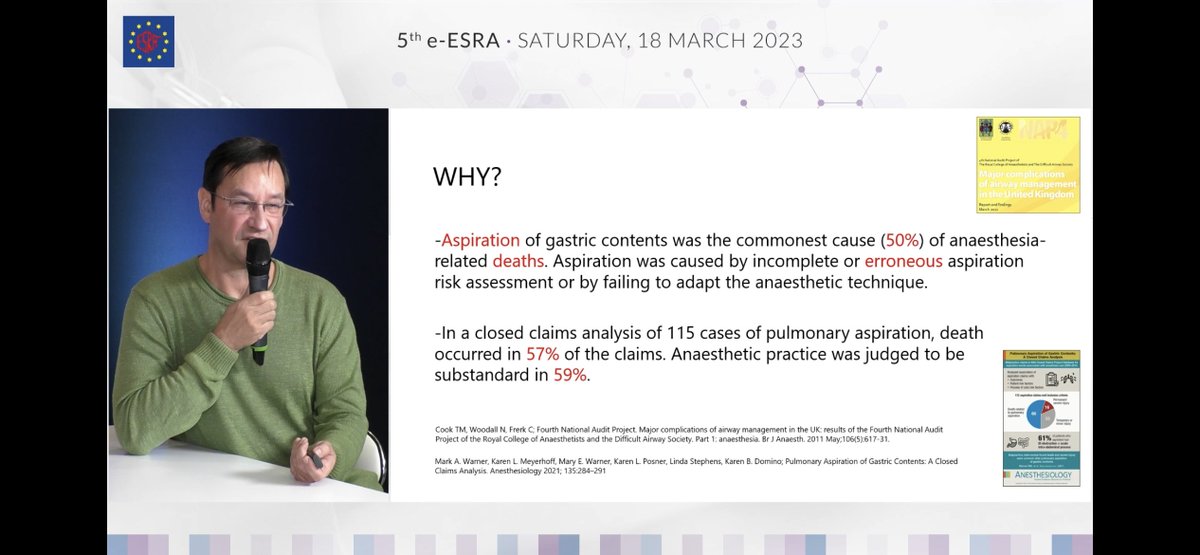
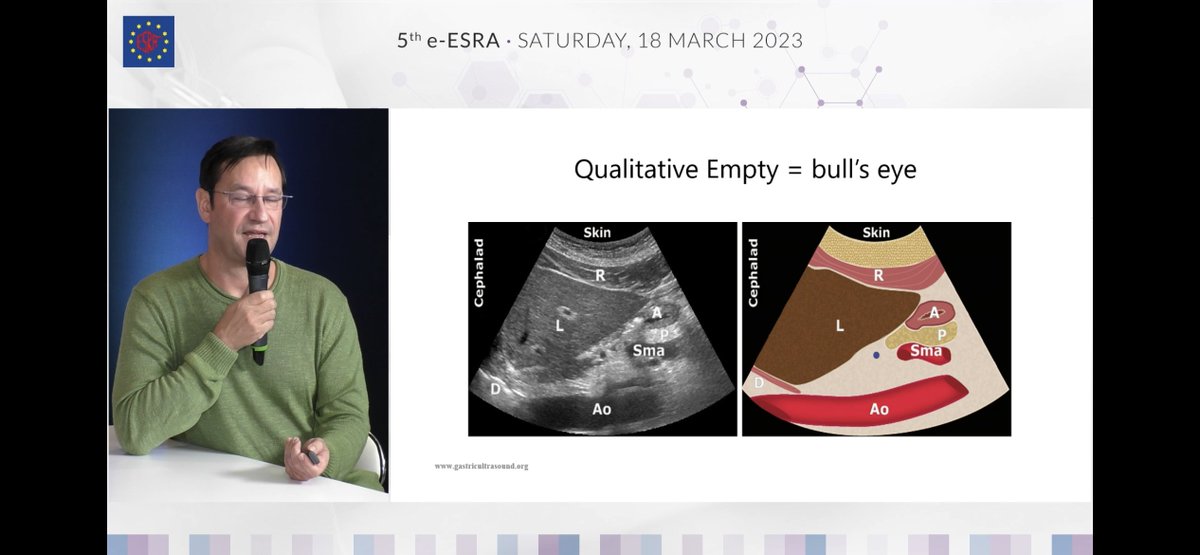
POCUS session - save lives, says @Steve_Coppens
death still occurs after gastric aspiration!
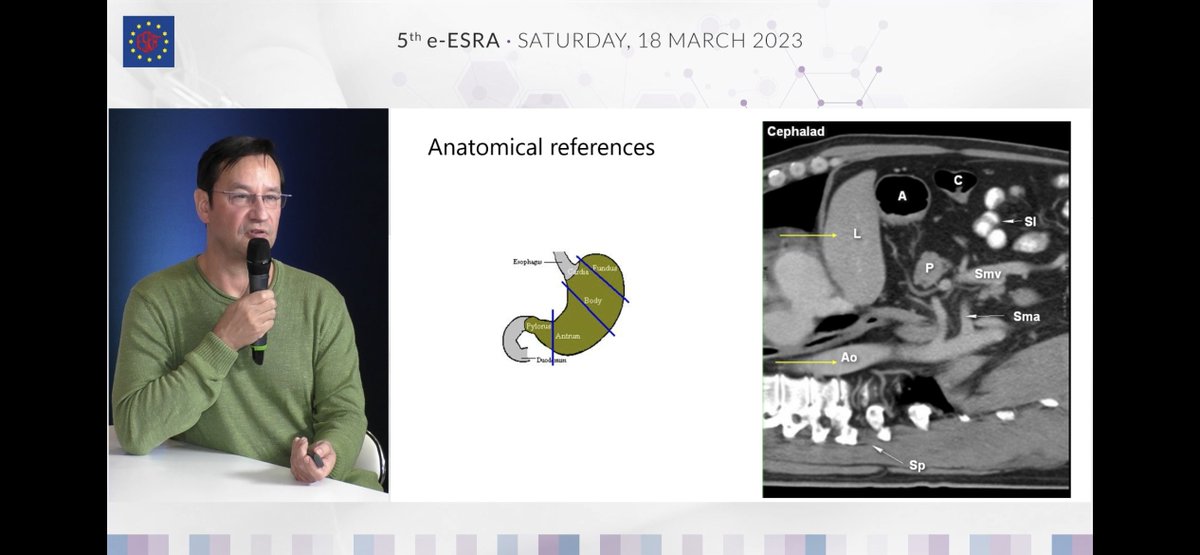
Gastric US - What info?
gastric content type & volume amount
Anatomical references
bullseye sign = empty stomach
foster glass = food early stage
Distended antrum =food late stage
🆕 POCUS (point-of-care ultrasound) en el diagnóstico de insuficiencia cardiaca aguda en urgencias: Metaanálisis.
📕 J Cardiol
🔓 Resumen del artículo en https://t.co/51kf27TJnu
💡 Acid Base Homeostasis: Stewart Approach at the Bedside 🛏️
🔹 The Stewart Approach
The Stewart approach to acid-base balance offers a modern and increasingly adopted framework in intensive care medicine. Unlike the traditional view, it posits that bicarbonate (HCO₃⁻) is not an independent variable influencing pH. Instead, Stewart emphasizes three key independent variables that govern hydrogen ion concentration—and thus pH—in any solution, including plasma (Fig. 7.1).
Importantly, the Stewart and Henderson-Hasselbalch equations are not contradictory; they are mathematically compatible. Stewart’s method simply provides a more comprehensive, mechanistic understanding of acid-base disturbances.
🔹 Physicochemical Perspective
At the core of Stewart’s method lies the principle of electroneutrality: the total concentration of plasma cations must equal that of anions to maintain electrical neutrality. This balance is visually represented in the Gamblegram (Fig. 7.2), a tool that aids in interpreting complex electrolyte shifts from a physicochemical viewpoint.
🔹 Stewart at Bedside: Fencl-Stewart Approach
To make the Stewart model clinically practical, Fencl and Leith introduced a simplified bedside method. By analyzing plasma concentrations of the independent variables, clinicians can gain direct insight into the pathophysiology of acid-base disorders.
Using this method, causes of acidosis (pH < 7.38) are categorized as shown in Fig. 7.3, and alkalosis (pH > 7.42) in Fig. 7.4—offering a structured and reproducible diagnostic framework for bedside use.
🩺 Unlock these concepts and more on our Members Portal, where you’ll find in-depth content, bedside applications, and exclusive resources designed for healthcare professionals.
🔗 Join now and advance your expertise in fluid management and critical care: https://t.co/uvW0Yh5ICs
#AcidBaseBalance #StewartApproach #CriticalCare #FluidManagement #MedicalEducation