Patients with severe aortic stenosis often need open heart surgery. But TAVR, short for transcatheter aortic valve replacement, is another, more minimally invasive option. Fareed Collado, MD, an interventional cardiologist at RUSH, explains how it works.
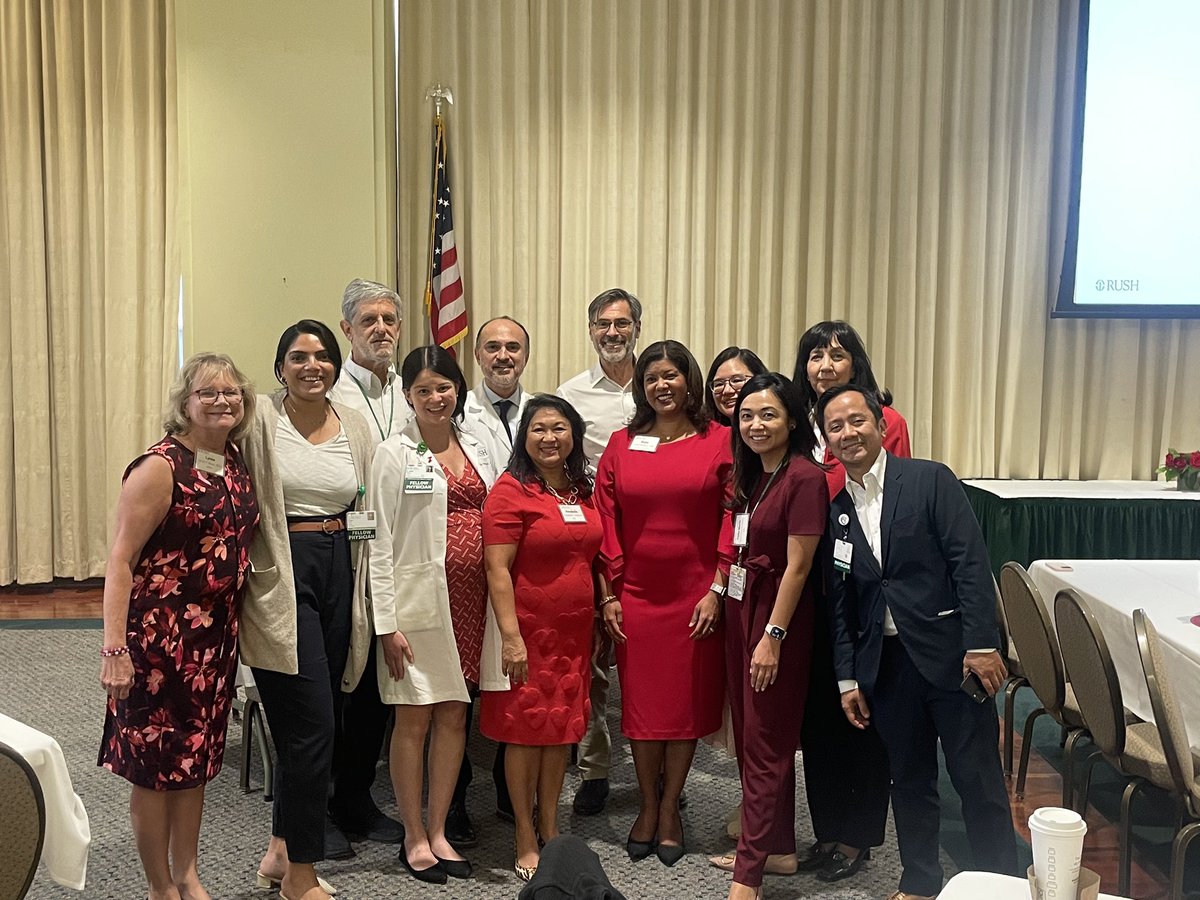
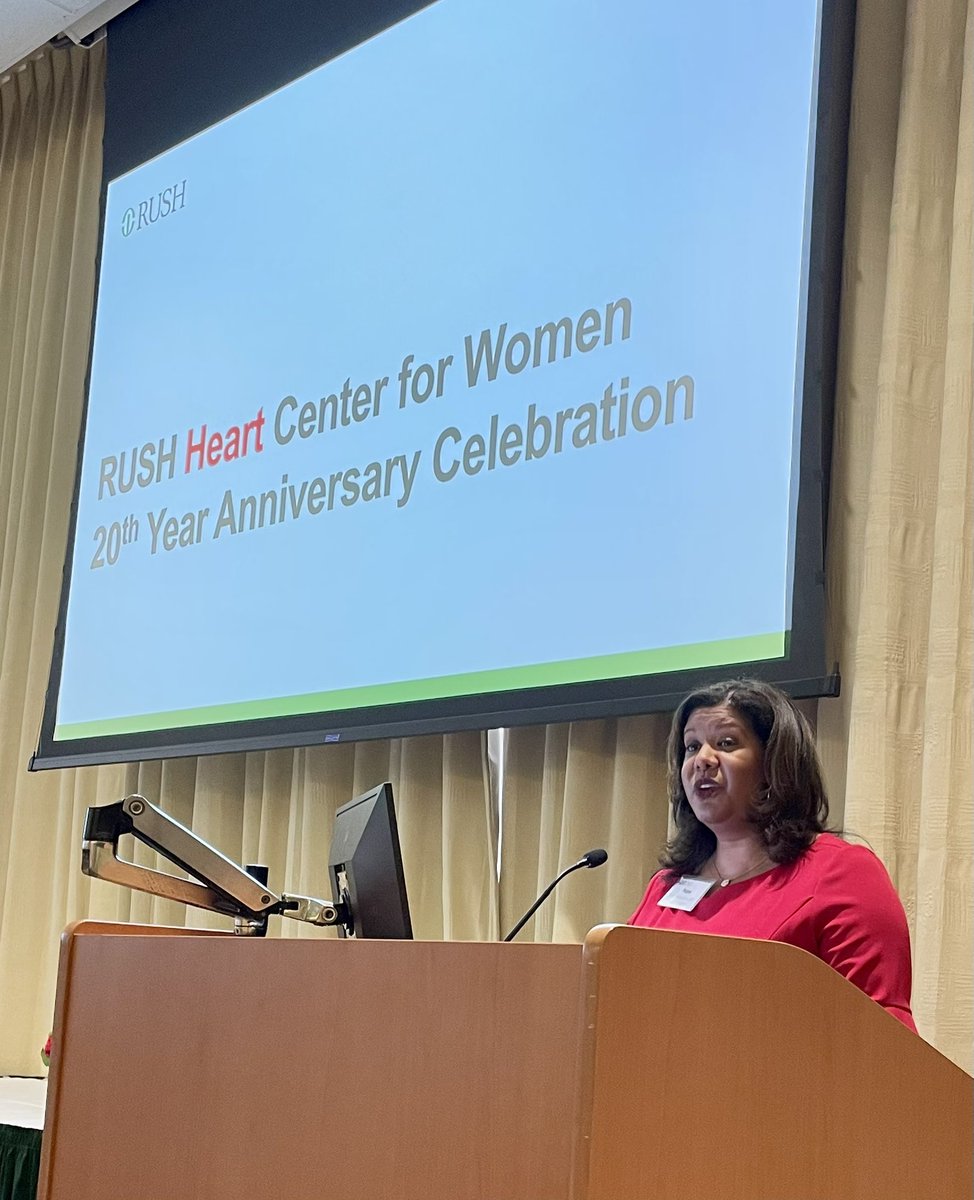
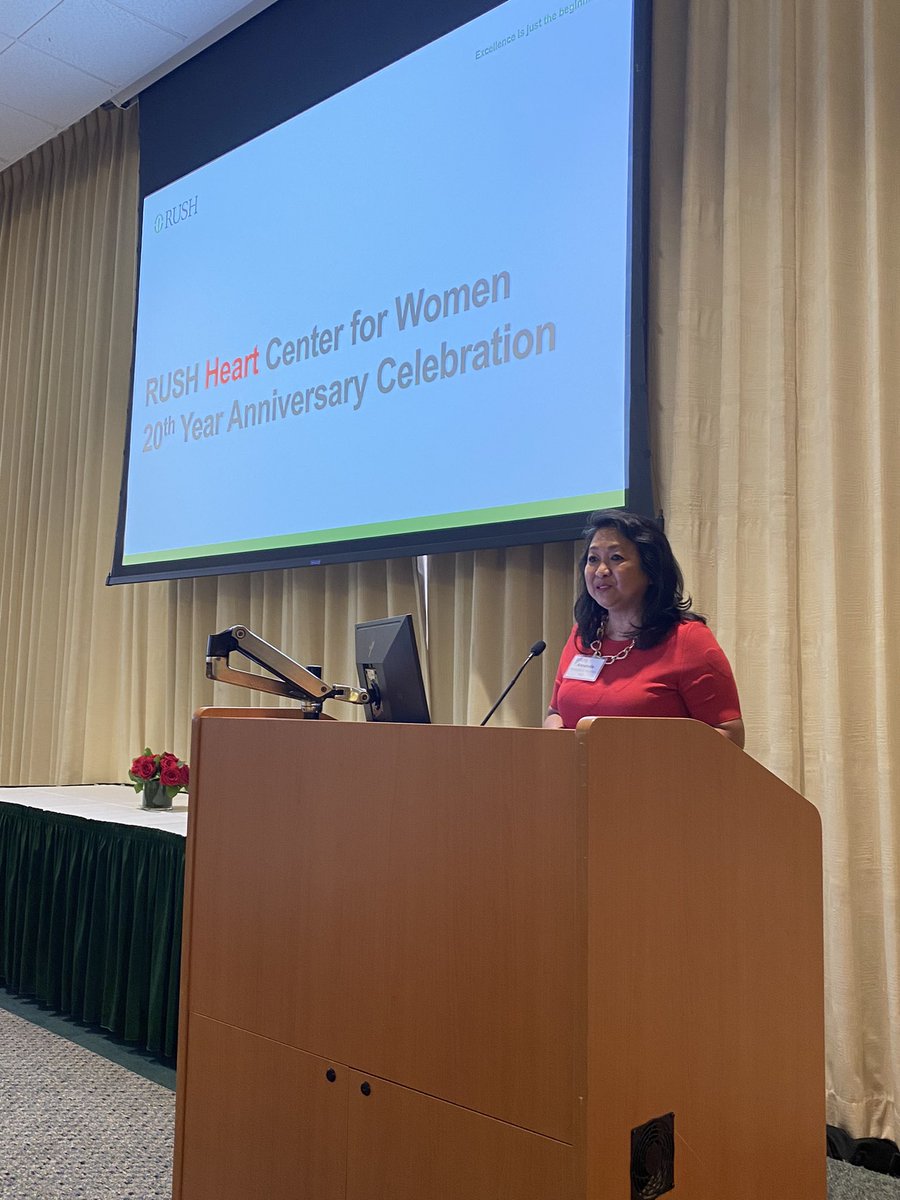
I am honored to be the new director of the Rush Heart Center for Women. Thank you to my mentor, predecessor, & founder for her 20yrs of amazing work. @avolgman you are a trailblazer and inspiration. Thank you to @braun_lynne@fareedmoses@DoctorADDA & all of our amazing team
🔥Off the press
Thank you, @avolgman for the guidance!
Sex differences in permanent pacemaker implantation after transcatheter aortic valve replacement: a systematic review and meta-analysis: Expert Review of Cardiovascular Therapy: Vol 0, No ja https://t.co/OZcNqcPN1o
From the Rush Center for Congenital and Structural Heart Disease we present a 49 Y/O M with a large secundum ASD discovered after a stroke. Closed using a 44 mm Gore Cardioform ASD occluder guided by 4D ICE using NUVISION Catheter with bi-plane and 3D.
From the Rush Center for Congenital and Structural heart disease we present a 70 Y/O with RHD S/P 3 prior sternotomies now with mechanical MVR, bioprosthetic TVR, PPM and severe AS. A tribute to advances in medicine to be able to offer her a non- surgical solution to her problem.
From the Rush Center for Congenital and Structural Heart Disease. Another successful live, hands-on, instructional course on Intracardiac echo imaging, Transseptal puncture, device deployment and retrieval. One of the few of its type in the world thanks to J & J, Biosense Webster
From the Rush Center for Congenital and Structural Heart Disease we present a 47 Y/O with PFO associated stroke treated with “no footprint” PFO closure with NOBLESTITCH and guided by NUVISION 3D ICE