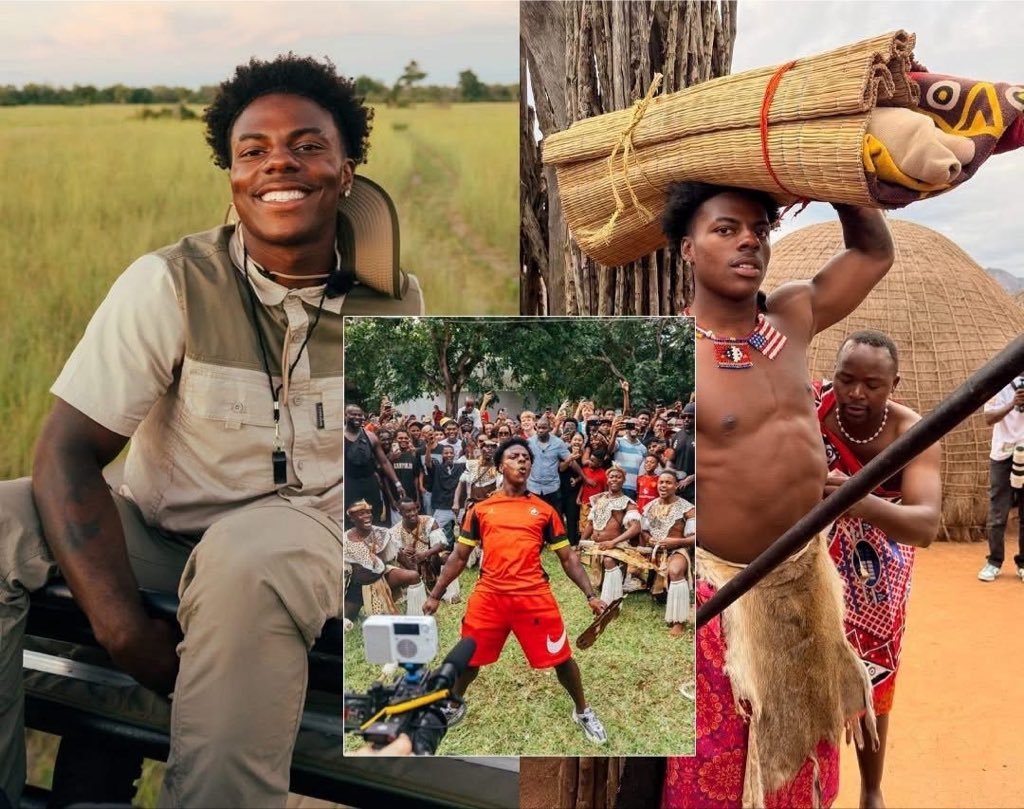
À seulement 21 ans, il a parcouru 20 pays africains, montrant au monde que l'Afrique ne se résume ni aux huttes ni à la jungle, mais qu'elle est faite de cultures, de villes, de peuples et de joie. ❤️
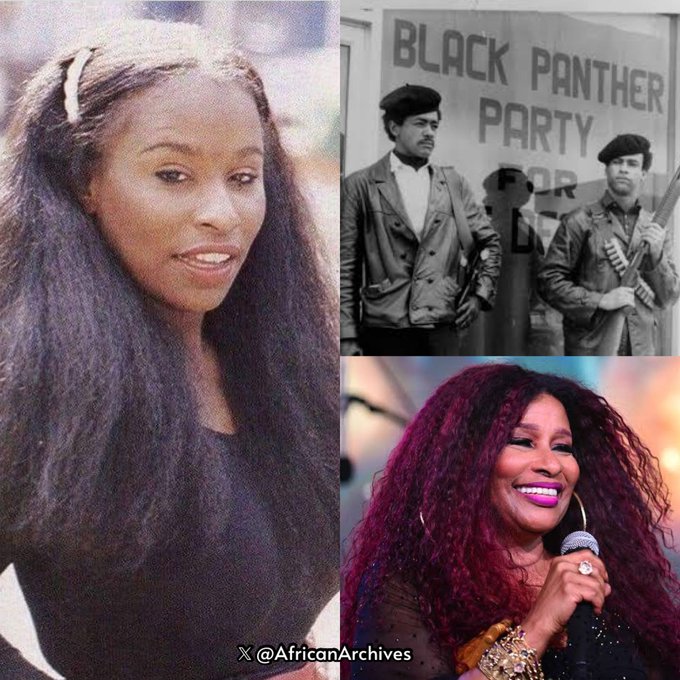
At 16, Yvette Stevens joined the Black Panther Party. She was responsible selling the Black Panther newspaper & helping start the free breakfast program for children.
You might know her by another name: CHAKA KHAN!
Yvette Marie Stevens better known as Chaka Khan, was born on March 23, 1953 in Chicago, IL.
In the late 1960s, Khan attended several civil rights rallies and joined the Black Panther Party after befriending fellow member Fred Hampton. Though many believe she was given the name Chaka while in the Panthers, she has made it clear that her name, Chaka Adunne Aduffe Hodarhi Karifi was given to her at the age of 13. She married fellow musician, Hassan Khan, in 1970.
Early on, she caught the attention of music icon Stevie Wonder, who penned her first smash hit with Rufus, “Tell Me Something Good.” The single from the group’s 1974 platinum-selling album, Rags to Rufus, earned Chaka her first Grammy Award. With Chaka as the group’s dynamic center, Rufus became one of the most popular acts around selling out shows throughout the country and dominating the airwaves with hit after hit with songs such as “You Got the Love,” which Chaka co-wrote, “Once You Get Started,” “Sweet Thing,” “Everlasting Love,” “Do You Love What You Feel?” and “Ain’t Nobody,” Chaka’s second Grammy Award-winning song with Rufus. Rufus and Chaka Khan racked up five RIAA certified gold and platinum albums during their time together
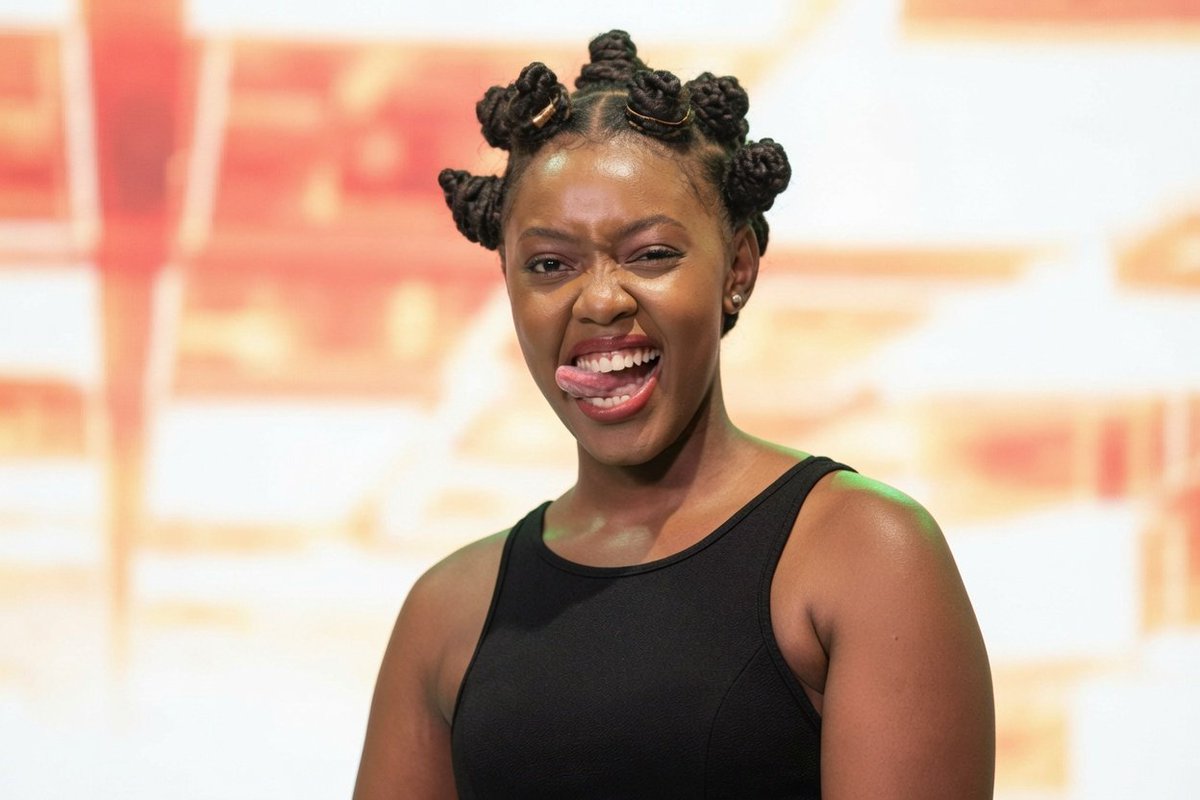
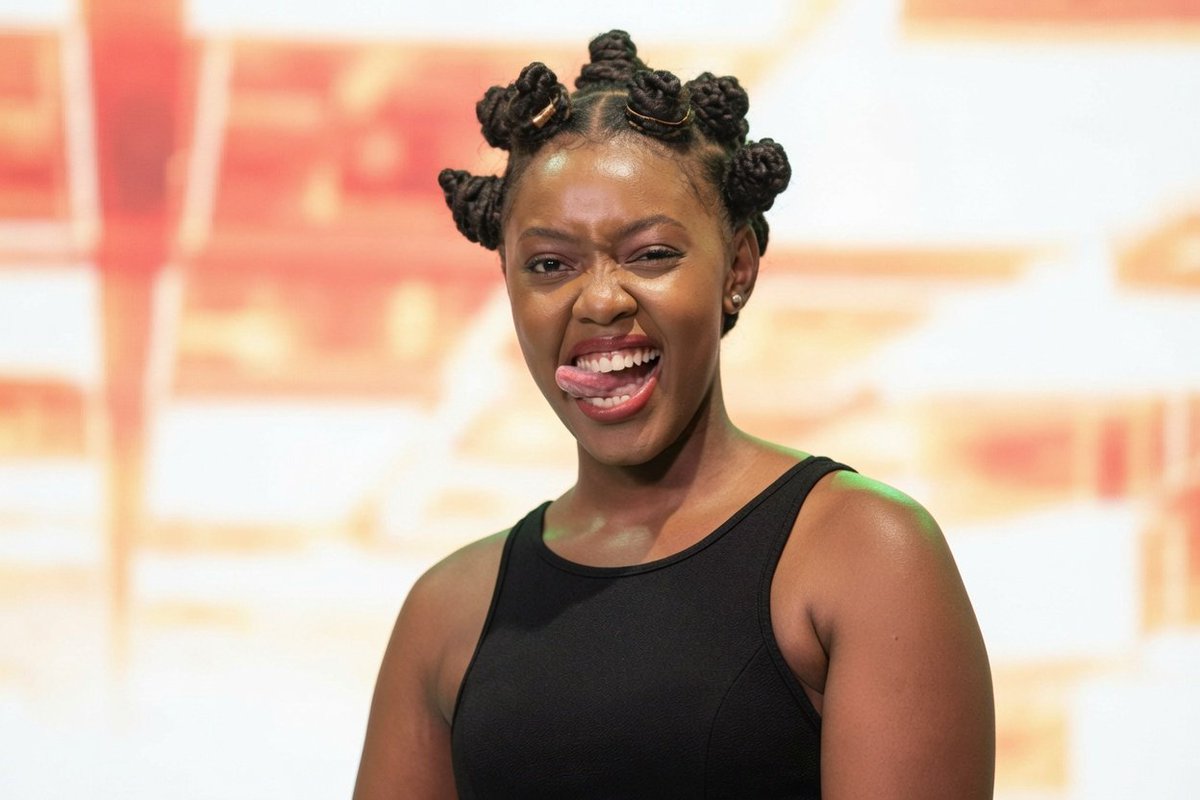
👑 Soutenez @KimberlyJael09 dans sa course au titre de Miss Univers #Ouganda 🇺🇬
Chaque vote compte. Votez dès maintenant et montrez votre soutien ❤️
🗳️ Votez ici 👉 https://t.co/zS5fVGb0hW...
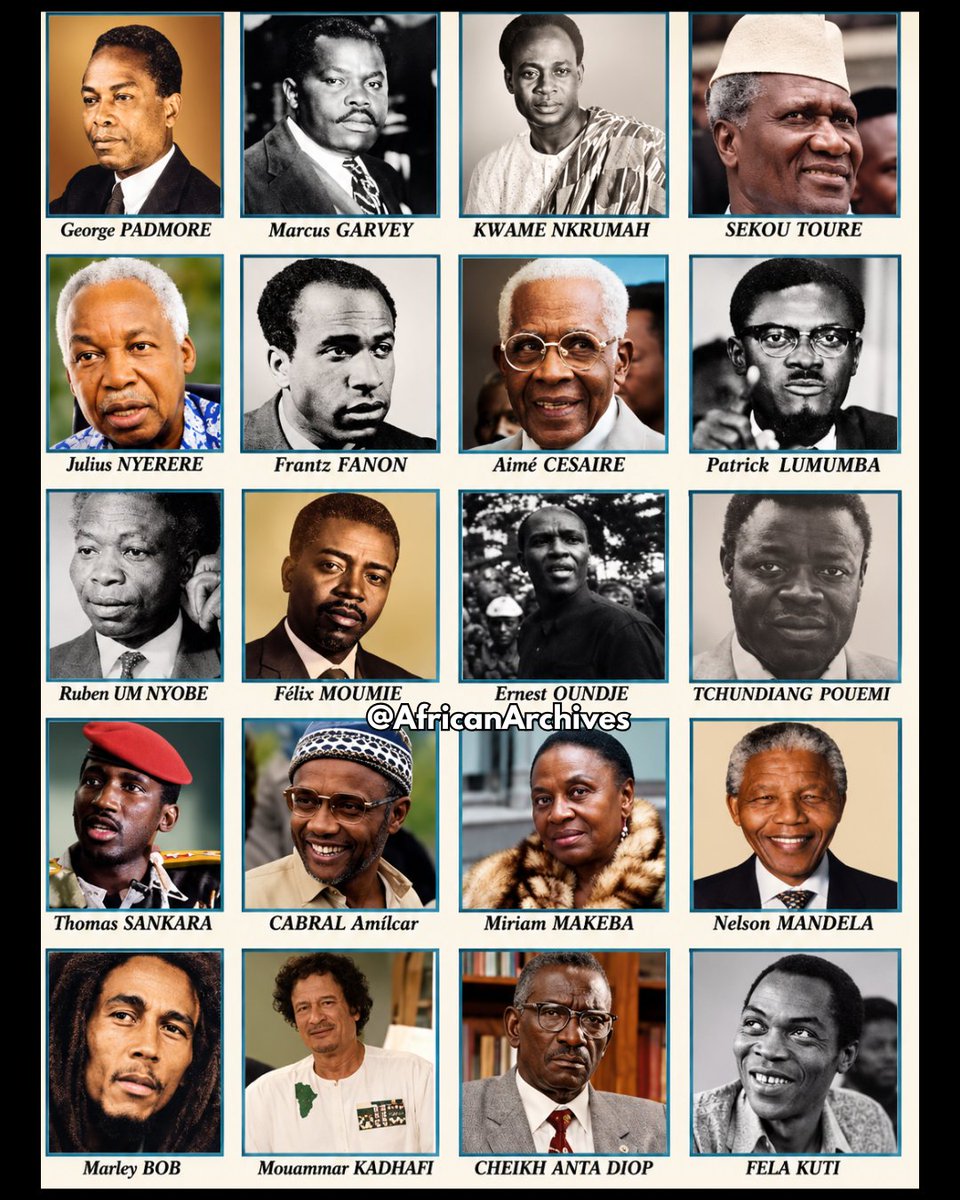
Some of the most influential voices in the struggle for African liberation, Pan Africanism, cultural identity, and Black self determination. Although they came from different countries, backgrounds, and generations, many shared a common belief that Africa should shape its own future free from colonial rule, exploitation, and foreign domination.
George Padmore helped lay the intellectual foundation of modern Pan Africanism and worked alongside many future African leaders. Marcus Garvey inspired millions across the African diaspora with his message of Black pride, economic independence, and global unity. Kwame Nkrumah led Ghana to become the first sub Saharan African nation to gain independence from colonial rule in 1957, inspiring liberation movements across the continent.
Sékou Touré rejected continued French control over Guinea, choosing complete independence despite enormous political and economic pressure. Julius Nyerere promoted African socialism through his vision of Ujamaa while emphasizing education and national unity. Frantz Fanon challenged colonialism not only through political activism but also through powerful writings that continue to shape discussions on race, identity, and liberation around the world.
Aimé Césaire gave the world the concept of Negritude, celebrating Black identity and culture at a time when colonial systems tried to erase both. Patrice Lumumba became a symbol of African independence and paid the ultimate price for refusing outside interference in the Congo's future.
Figures such as Ruben Um Nyobè, Félix Moumié, Ernest Ouandié, and Tchundjang Pouemi fought for Cameroon's freedom and challenged systems that continued to limit Africa's economic independence after colonialism.
Thomas Sankara transformed Burkina Faso with policies focused on self reliance, women's rights, environmental protection, and anti corruption. Amílcar Cabral demonstrated that liberation required both military resistance and education. Miriam Makeba used her music to tell the world about apartheid and injustice, while Nelson Mandela became a global symbol of resilience, reconciliation, and democratic leadership.
Bob Marley carried messages of African unity, justice, and freedom through music that reached every corner of the world. Cheikh Anta Diop reshaped the study of African history by challenging long held misconceptions and restoring Africa's place in world civilization. Fela Kuti used music as fearless political resistance, exposing corruption and demanding accountability from those in power.
If you love our content and would like to support the page, you can buy us a coffee here: https://t.co/K1AhtZuOFs
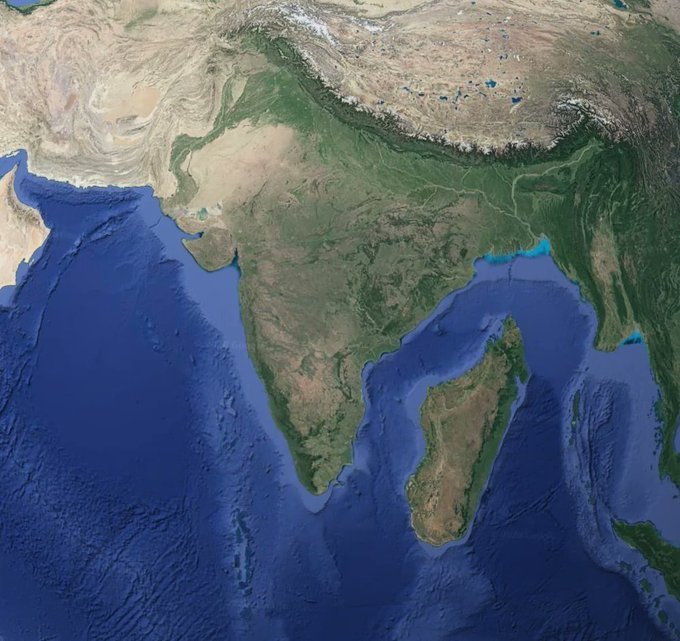
À Madagascar, les acteurs de la santé mentale appellent à briser les préjugés autour des troubles mentaux. L’ONPM alerte sur la stigmatisation qui freine encore la demande d’aide, alors que les jeunes figurent parmi les populations les plus exposées. https://t.co/w6TDRoh6BC