Why are med schools offering classes on structural racism, you ask?
Because of Henrietta Lacks
Because of the Tuskegee Study
Because of experimental procedures on enslaved Black women
Because of unnecessary procedures on women in ICE detention centers
Because if you are Black or Hispanic & come to a hospital with a heart attack, you are more likely to experience a worse standard of care
The reasons are endless.
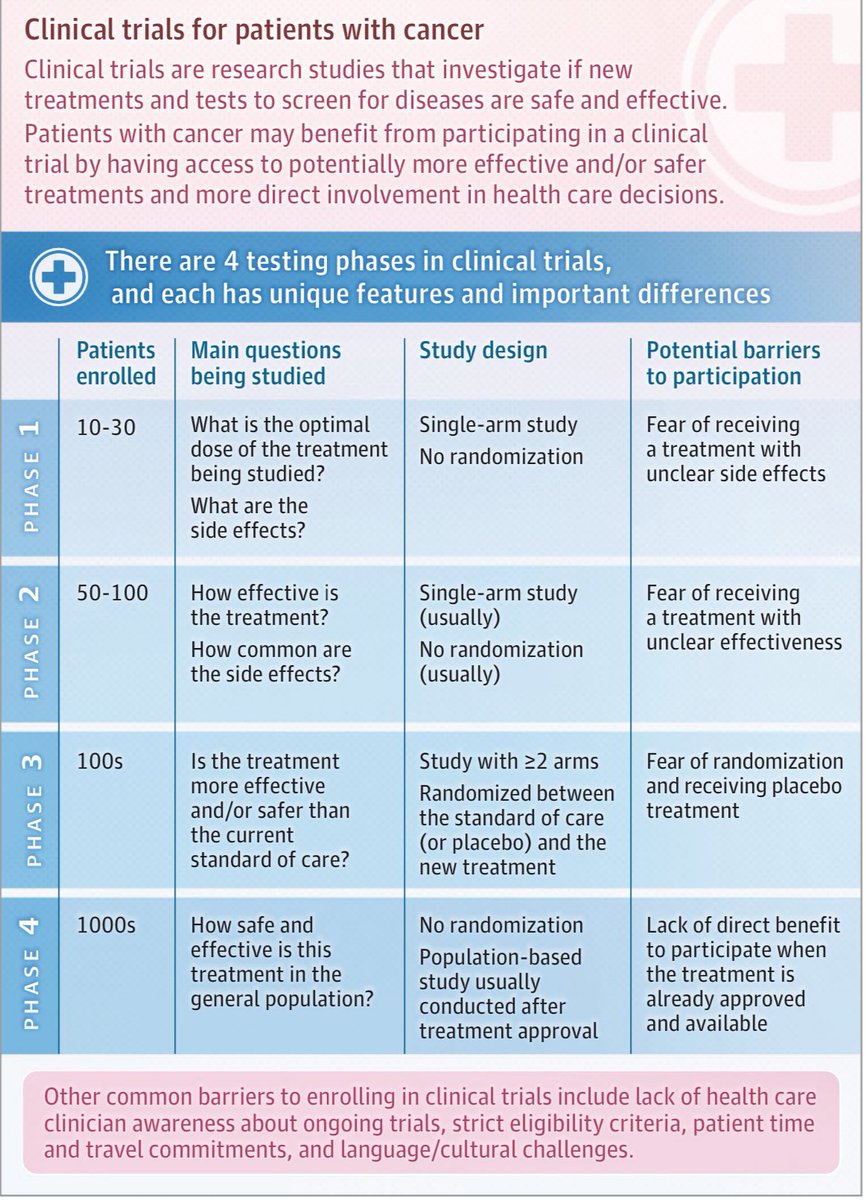
Ensuring patients with #cancer are well-informed about clinical trials is crucial!
Proud to share our @JAMAOnc patient page, dedicated to ⬆️ inclusion & diversity in trial enrollment—#patienteducation is an important first step!
👥🔗 https://t.co/XcdHxZQPsv
@OncoAlert#lcsm
New treatments are changing the landscape for Multiple Myeloma. I’ve made it my mission to make sure poor and minority patients aren’t left behind 😤
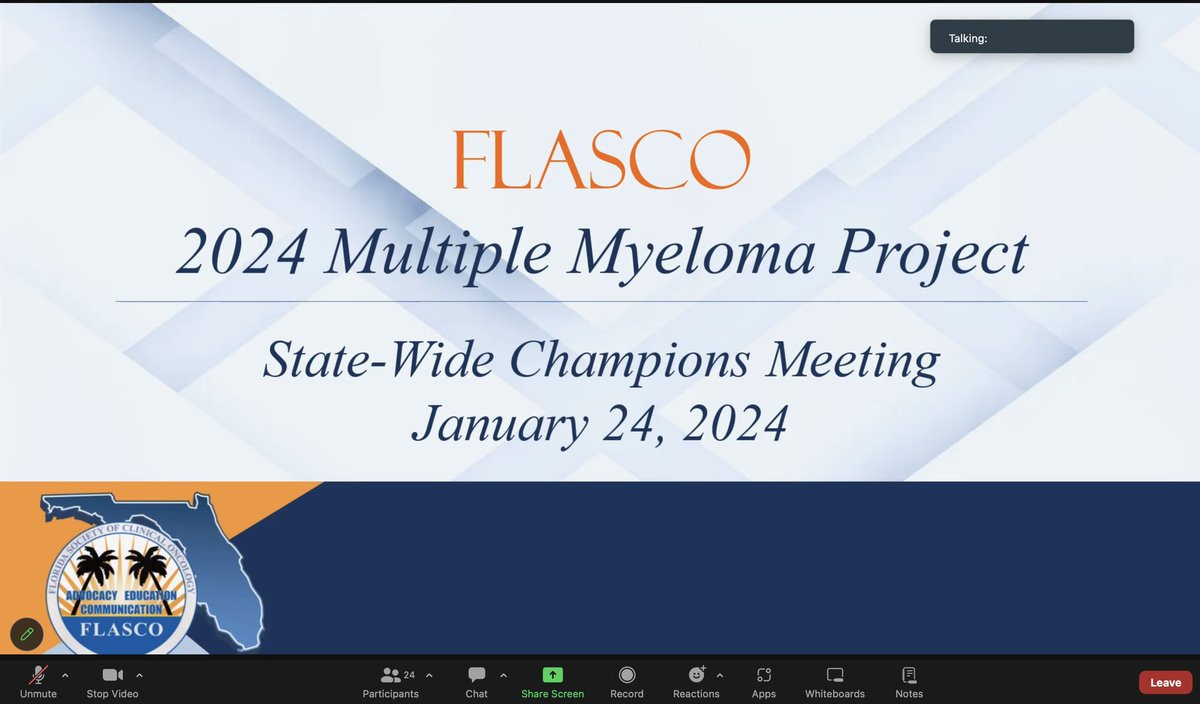
Huge thanks to @FLASCO_ORG for the invite. More to come 🤞🏿
I’m diving deeper into my field and building an expertise at the crossroads of Multiple Myeloma and Health Equity.
Super excited for this initiative - working with Myeloma specialists from throughout the state of Florida to improve access to care.
Challenges with Diversity in Clinical Trials and how community oncologists can help overcome these disparities. by @JoshuaRichterMD#mmsm#racialdisparities.
https://t.co/K6s8LCeZUI
"With so many risk factors identified, it may start to feel like every patient has high risk MM. Soon we may be asking a better question: Who actually has standard-risk disease?”. For @ASCO news...Risky Business: The Challenge With Defining High-Risk MM https://t.co/Aep0w4Jjpl
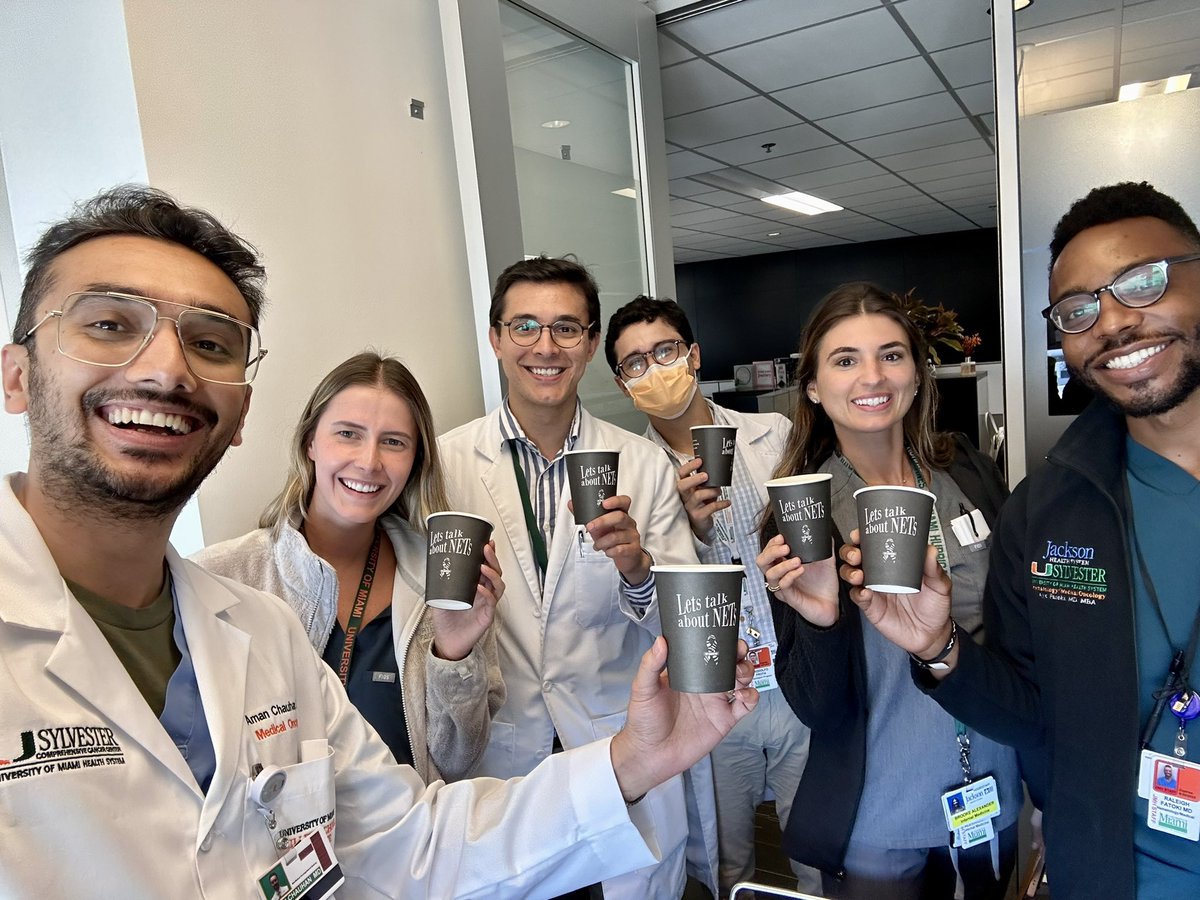
Second day on inpatient service and we have a NET consult!! Perfect opportunity to teach my team and get them interested in Neuroendocrine Oncology. Looks like they are sold!! 😀 🦓@SylvesterCancer@umiamimedicine
@nikillinit @tangjeff0 So while I’m excited for the future of biomarker testing, I’m not ready to advocate for mass screening of healthy people just yet.
(2/2)
@nikillinit @tangjeff0 Just read through the newsletter. Excellent overview of sensitivity/specificity.
One of the core tenets of medical training is to only order tests that will affect management.
(1/2)
@tangjeff0 Right now it just seems like unnecessary stress for the general population and a lot of unanswerable, hypothetical questions for doctors.
(2/2)
@tangjeff0 I’m not sure what to do with the results besides freak out.
Abnormal testing doesn’t mean cancer. And normal testing doesn’t mean a cancer-free future.
But it’s def interesting and may be useful in the future for screening or at least risk stratification.
(1/2)