Nine more lessons from my 3D book about energy, now covering the whole GCSE energy topic: kinetic, gravitational and elastic energy, heating, power, efficiency, energy resources and conservation of energy.
Built with Opus 5.5 and Three.js. The full book ↓
🍿
The phrase "full-duplex" feels like a signal amongst the noise.
Note: Eleven Labs' leading conversational AI operates on a half-duplex architecture. But even they released Eleven v4 Turbo in September and that is Full-Duplex.
We believe voice is the most natural way to interact with intelligence, so we created Dessa, the most authentic full-duplex speech model ever built. Talking with it feels like talking with a person…full of emotion, nuance, pauses, and a natural cadence.
https://t.co/r0qFLdvd6c
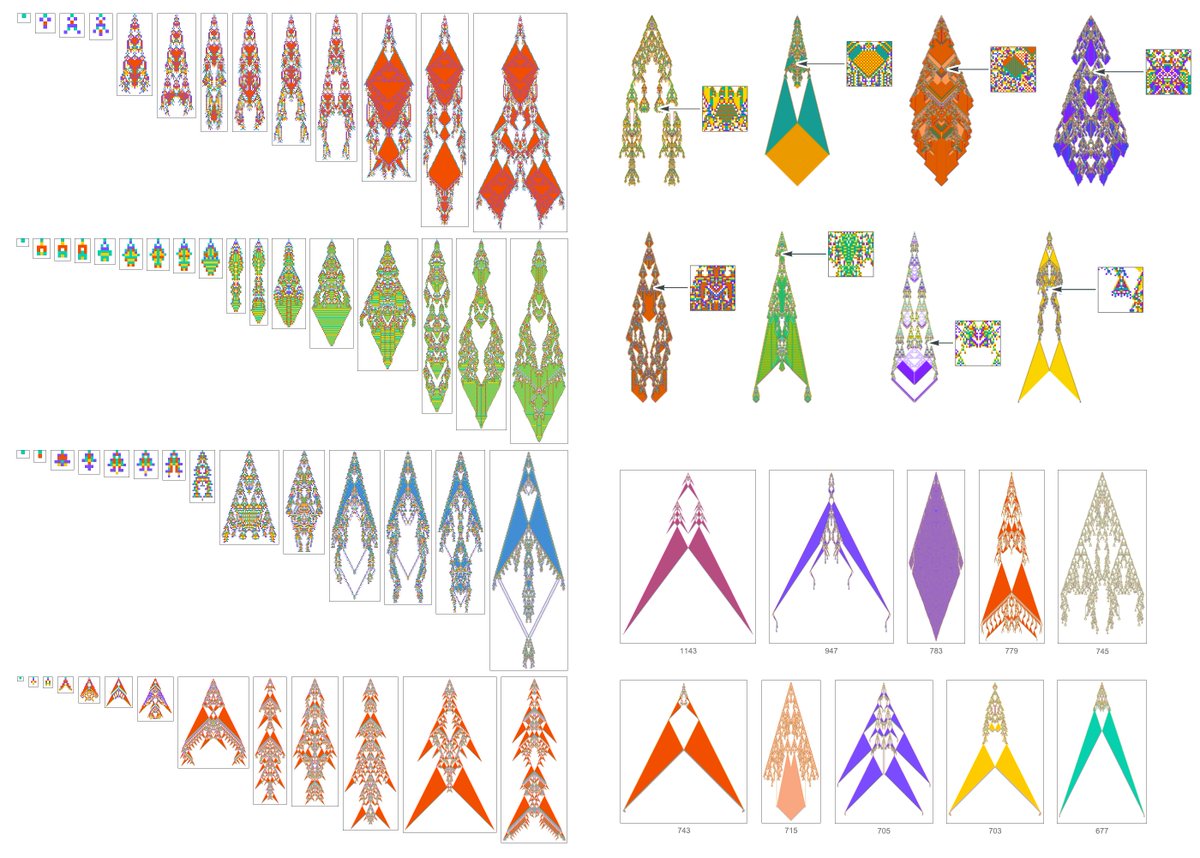
Can we finally make a theory for Darwin's "Endless Forms Most Beautiful and Most Wonderful"?
Introducing ruliobiology as a path to general theory in biology, starting with foundations for a theory of biological form
https://t.co/Bi9BTWl3J9
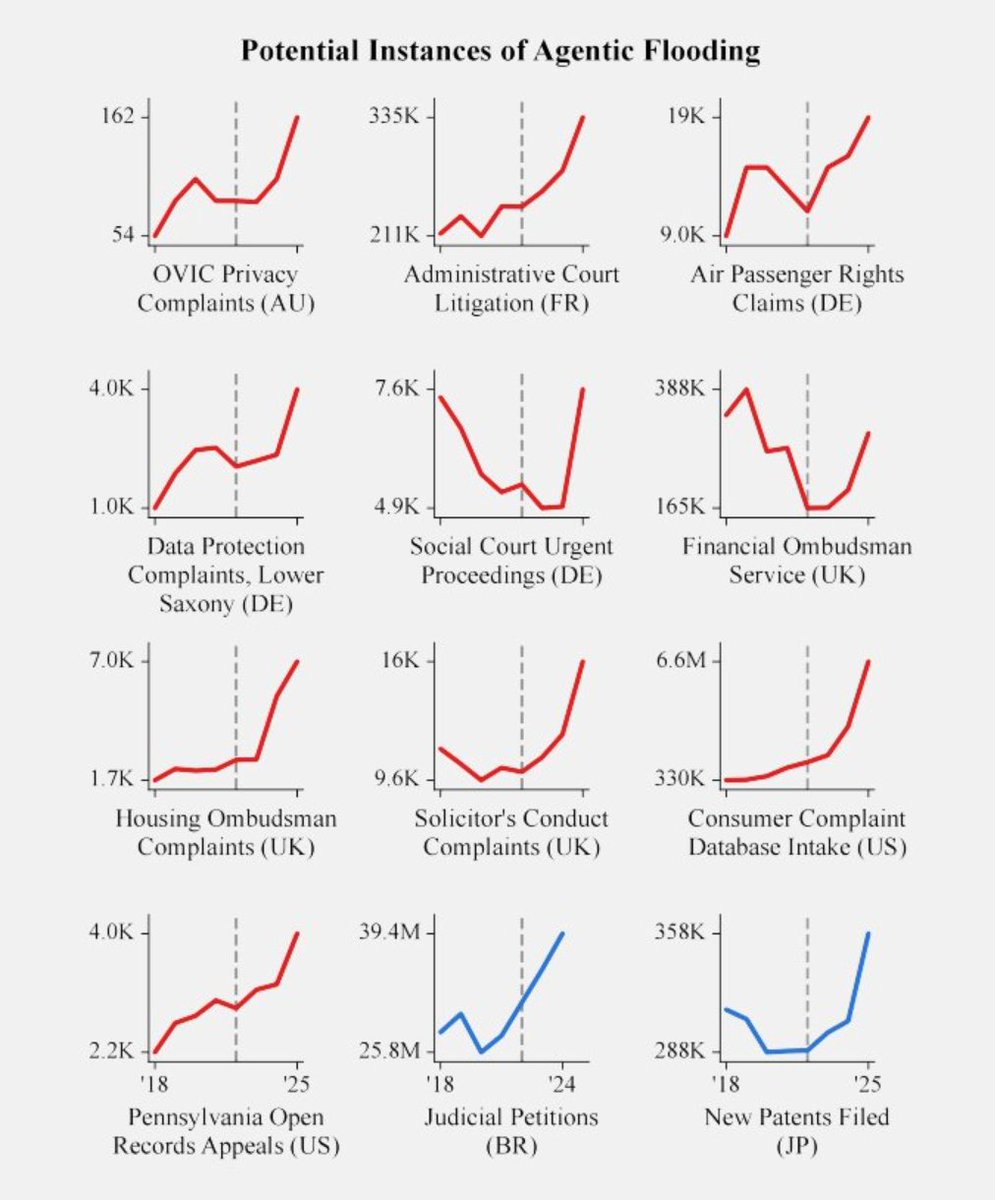
A legal tsunami is heading for government. They system is not built to handle the volume of input that agents are now able to produce. Without new infrastructure, our institutions will be under permanent DDOS attack. Who wants to build this?
Gonna re-post this post again because I think of it EVERYTIME my I instinctively/subconsciously reach for my phone (like a baby reaching for its binky or stuffy)
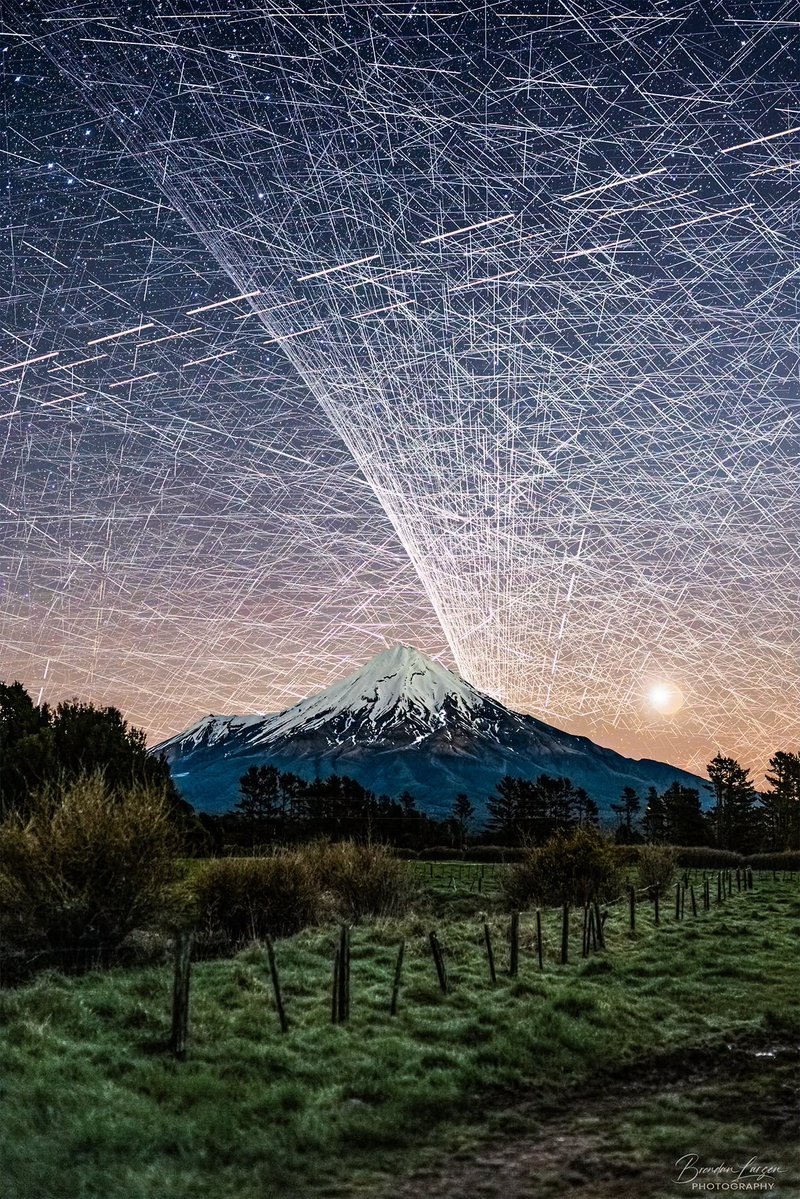
Snímek složený z 578 jednotlivých 8sekundových expozic pořídil 📷Brendan Larsen 9. září 2026 mezi 20:18 a 22:13 místního času nedaleko novozélandské sopky Mt. Taranaki. Na snímku je 14450 stop po přibližně 1400 jednotlivých družicích.
No, a Yandex cloud malfunction did not take down disinformation/troll bots. It's a dangerous misconception. This is not how it works, not even technically. After Ukrainian drones hit Yandex data centers, a viral chart showed Russian "bot traffic" collapsing. But those bots are mostly Yandex's own search crawlers, not the info-ops social media accounts. Troll farms hide behind proxies, hijacked devices and Western clouds. They're still operating. Hired influencers are also still around. The "bots went silent" story is misinformation. Believing it is plainly dangerous. It tells people the threat is gone while influence operations keep going. Ahead of elections that complacency is what they may count on.
Consider: millions of years ago our antecedents gave a massive sacrifice of their left hemisphere.
We lost a tremendous amount of short term memory and replaced it with Broca’s, Wernicke & the phonological loop.
But why?
So we can—talk.
Thus chimpanzees can do this—we can’t:
1/ We discovered something totally unexpected about the neural structure of consciousness that overturns decades of thinking on its biological basis and brings us significantly closer to the recipe for generating conscious awareness.
New preprint: https://t.co/K8BwiHXvXg (led by @HesseJanis, with @FrankLanfranchi, @_conor_mcgrory, @Yuelin_Shi, and @EngelTatiana)
Going forward, all advertising on 𝕏 will be subject to a reasonable esthetic standard.
Advertisers who post ads that are ugly, shrill, strident or overstate claims about their product will be barred from advertising.
Someone made a video explainer of @nickcammarata's thinking. I wonder if he agrees fully with the interpretation or if any edits are suggested. Either way, interesting! 👀
https://t.co/p7RoFpLQ8Y
interpretability might be the most important scientific problem in the world right now, as I don't think we can solve alignment if we don't know what we're building. I think I have good news about it. I co-authored early work in mechanistic interpretability at OpenAI and came away pessimistic, because neural networks appeared to fold into arbitrary tangled knots. years later, I started openai's first large-scale automated interpretability project, finding about 2% of neurons legible with the primitive tools we had
with modern agentic tools and a much closer look, the picture looks totally different. the vast majority in models up to trillions of parameters are legible, and their circuits beautiful. many famous examples of tangled neurons turned out to be misunderstood. The roadblocks I expected mostly aren't there. I now think ambitious interpretability will be solved by the time we need it most, and possibly quite soon, as automated scientists keep improving. it may be a bitter lesson for interpretability: the simple thing, at absurd scale, works
https://t.co/zHij5zwKGT