Today we announced our definitive agreement with The Mosaic Company to acquire their Faustina ammonia production facility in St. James, Louisiana, and related ammonia storage and logistics assets.
Learn more: https://t.co/bBopJ62lf1
Vaccines worked so well that people forgot the diseases.
Agriculture worked so well that people forgot the hunger.
Science worked so well that people forgot why we needed it.
That’s the paradox of progress.
Climate change. Glyphosate. Vaccines. Pesticides. GMOs.
Different subjects. Different science. But one thing in common: they’ve all been surrounded by prophecies of doom.
We’re told catastrophe is coming. That we’re poisoning ourselves, destroying our children, contaminating our food, or heading towards the end of civilisation.
And fear spreads.
It generates headlines, clicks, outrage, political movements, donations and sometimes entire careers.
But here’s the problem. A frightening prediction is not scientific evidence.
Science doesn’t ask how terrifying a claim sounds. It asks whether the evidence supports it.
Are vaccines causing autism? Decades of research say no.
Are approved GM foods inherently more dangerous than conventional foods? Decades of research say no.
Does detecting a pesticide residue mean someone is being poisoned? No. Exposure and dose matter.
Does glyphosate cause cancer under real-world conditions of approved use? Major regulatory assessments have not established that it does.
Is climate change real? Yes. The evidence is overwhelming. But that doesn’t make every apocalyptic prediction scientifically credible.
These are not interchangeable scientific questions. And the answers aren’t always reassuring.
Some risks are real. Some technologies have genuine drawbacks. Some warnings have saved lives and protected the environment.
That’s precisely why we need evidence instead of fear.
Because when everything is presented as a catastrophe, people eventually lose the ability to distinguish genuine dangers from manufactured ones.
And the consequences are real.
People refuse life-saving vaccines. Useful agricultural technologies are rejected. Public debate becomes dominated by emotion rather than evidence. Trust in science erodes.
Meanwhile, the people who made the most frightening predictions rarely return to explain what they got wrong.
They simply move on to the next scare.
We don’t need fewer warnings.
We need better ones.
Warnings that distinguish hazard from risk, possibility from probability, and scientific uncertainty from manufactured doubt.
Because science isn’t about telling people everything is safe.
It’s about finding out what is actually dangerous.
Fear makes people angrier.
Science makes people smarter.
And we desperately need more of the second.
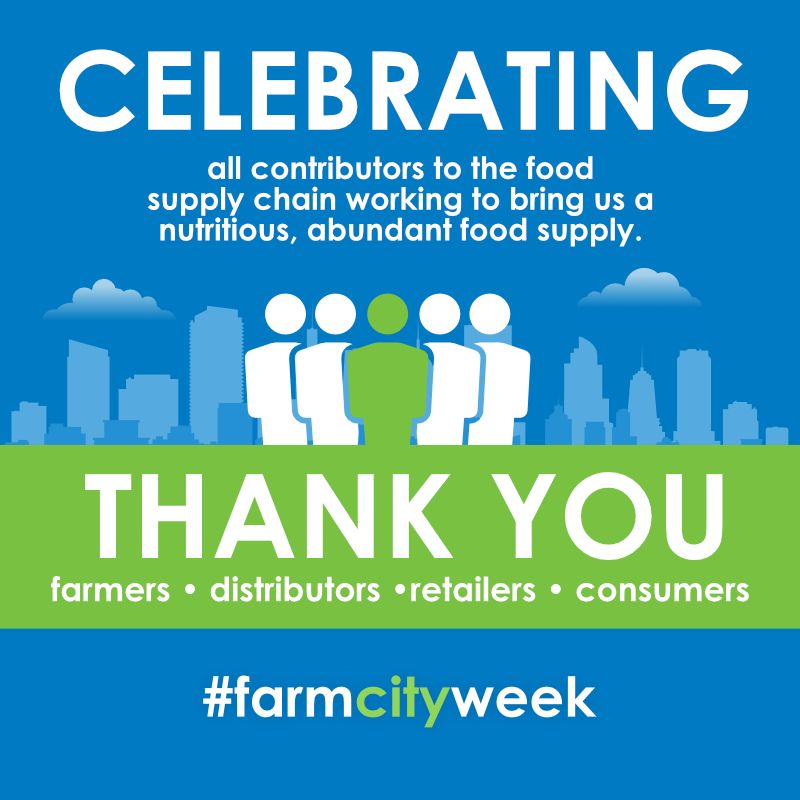
Farm-City Week is celebrated every year leading up to Thanksgiving 🦃
This week is used to celebrate and recognize the beneficial partnerships between rural and urban communities that make our food supply safe and plentiful.
Follow along all week as we highlight the Florida counties partnering with schools and community groups to host:
award banquets 🏅
farm tours 🚜
food drives 🥫
community dinners 🍽️
and much more!
Had the privilege of meeting @BenSasse at @UF today.
In our exchange, with a smile, he called dying a calling. That kind of clarity cut deep—especially in world that treats death as something to deny or avoid. Prayers.
"Legacy Defined" is Florida Farm Bureau Federation's theme for 2027. 🧑🌾
A brief summary of our members cannot fairly convey how these outstanding individuals have committed themselves to the future of agriculture in our state.
In doing so, they are living legacies of service to the quality of life we enjoy in Florida.
The ability to provide a steady volume of health sustaining nutrition for sale at grocery stores is a fundamental achievement of Florida's farm families. 🍓
Follow along all year as we highlight the lasting traditions of farm families across our great state!
Florida farmers and ranchers help provide a stable, local food supply.
Amendment 2 aims to lower taxes for farmers, helping them manage costs and bring crops to market.
Vote YES on Amendment 2 in November!
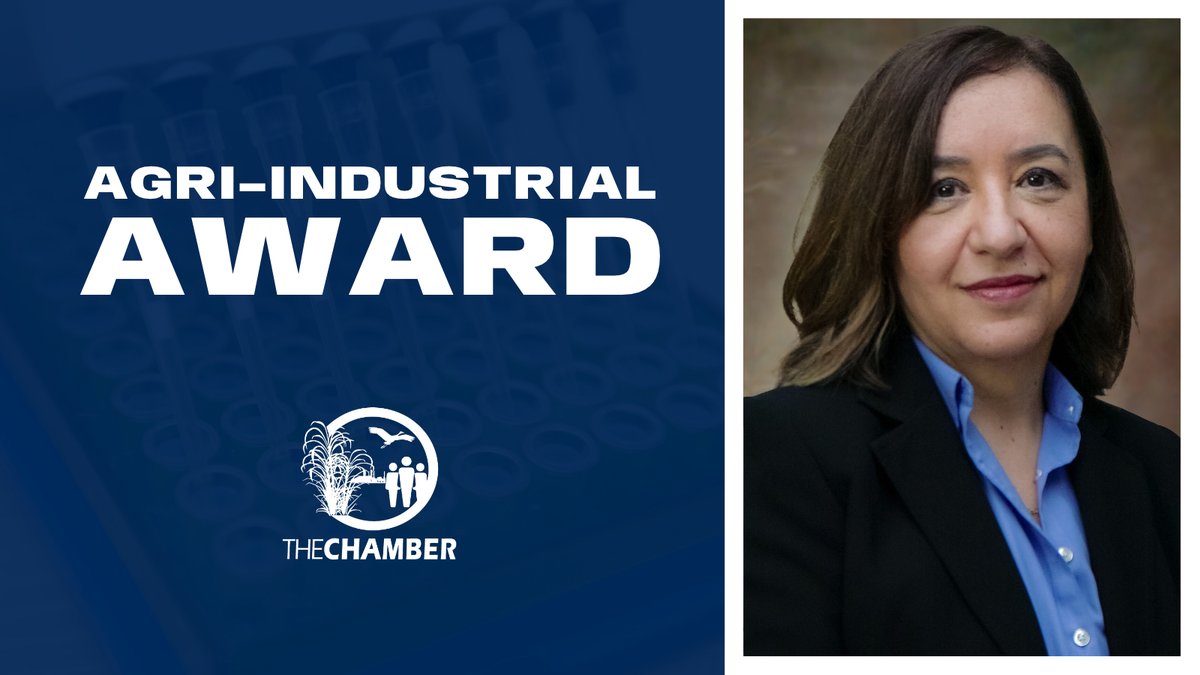
Samira Daroub has received the 2026 Agri-Industrial Award from the Belle Glade Chamber of Commerce, recognizing a career connecting our research with the needs of South Florida agriculture.
More on what earned the @EvergladesREC director this honor 🔗 https://t.co/ztXSeM1rpG
Congratulations to Dr. Unruh from his friends at FTGA!
From WFREC:
The University of Florida Institute of Food and Agricultural Sciences (UF/IFAS) West Florida Research and Education Center (WFREC) is pleased to announce that Dr. Bryan Unruh has been appointed Center Director, effective January 29, 2027.
Dr. Unruh brings 30 years of experience, expertise, and dedication to WFREC and is ready to take the reins. After earning three degrees from land-grant universities, he joined the WFREC faculty in 1996. Since then, he has established himself as a national leader in golf course turfgrass management science.
Dr. Unruh’s contributions include leading the development of both the Florida and U.S. golf course Best Management Practices manuals. His outstanding service to the industry has earned him numerous accolades, including a Lifetime Service Award from the Florida Golf Course Superintendents Association and the Florida Turfgrass Association’s prestigious Wreath of Grass Distinguished Service Award.
The faculty, staff, and students at WFREC look forward to a bright and productive future under Dr. Unruh’s leadership.
As Dr. Unruh prepares to step into this role, current Center Director Dr. Wes Wood will retire in January 2027. We extend our heartfelt thanks to Dr. Wood for his exceptional leadership, dedication, and many accomplishments over the past 12 years. His contributions have made a lasting impact on WFREC, and he will be greatly missed.
Please join us in congratulating Dr. Bryan Unruh on his appointment and thanking Dr. Wes Wood for his outstanding service to WFREC!
A YES vote on Amendment 2 helps us:
🌳 Keep the land in farmland
🍓 Keep growing Florida fresh food
🧑🌾 Keep future generations on the farm
Learn more at https://t.co/Pmjwm84s2K
Congratulations to @FLCrystalsCorp, @USSugarFLA, and @SCGCFL for being the first in the Everglades Agricultural Area to receive the This Farm CARES award. The @SFWMD announced that EAA farmers achieved a 65% reduction in phosphorus levels during Water Year 2026, more than double the 25% reduction required under the Everglades Forever Act.
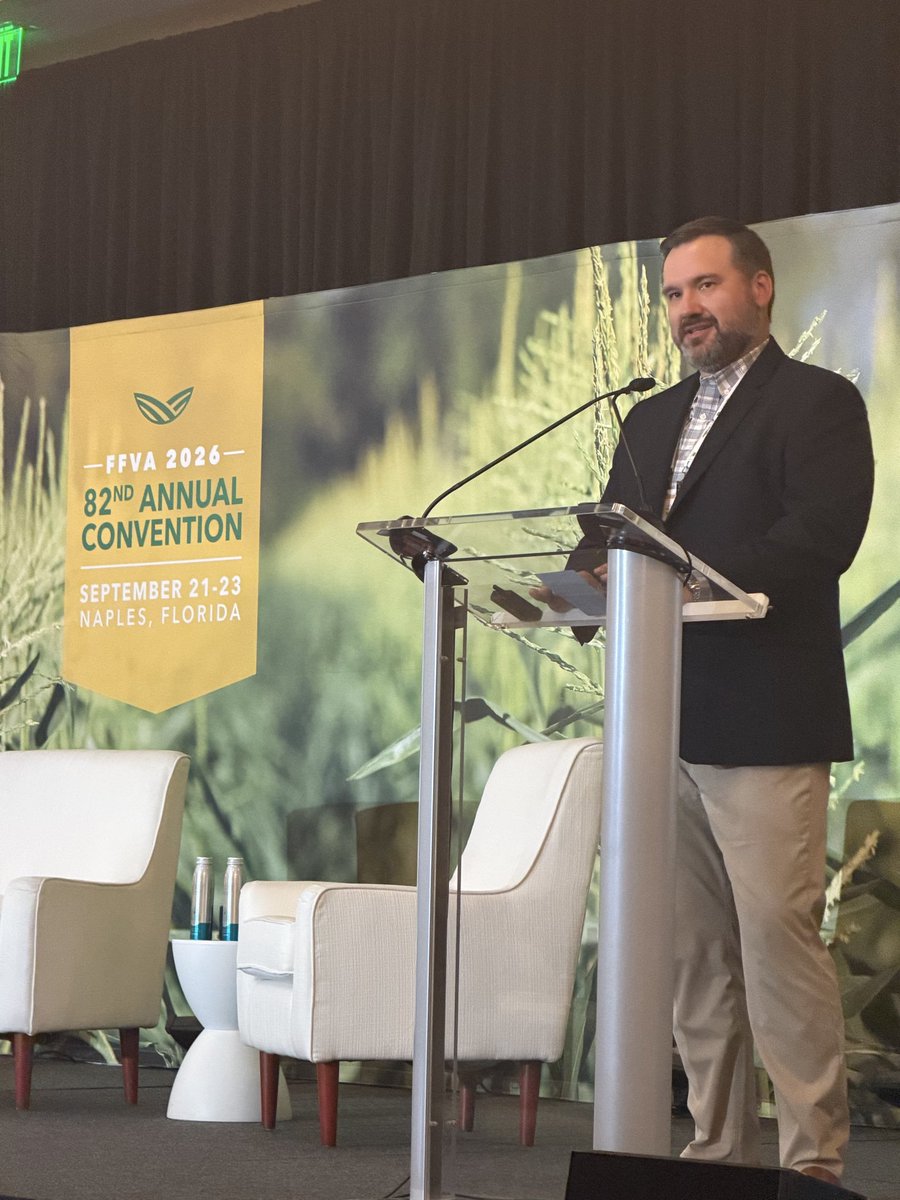
FFAA members support Florida farmers in so many ways—growers’ success is the industry’s goal. Sponsorships are just one example. Justin Newsome with Syngenta was the sponsor for FFVA’s Annual Conference breakfast today. Thank you Syngenta!
If you think Tallahassee will permanently fund Florida’s cities and counties for the next 20, 30 or 40 years if Amendment 3 passes, you haven’t spent much time in Tallahassee.
I spent 12 years there. The Legislature may fully intend to backfill local governments today. I even believe them in the short term.
But governors change. Legislatures change. Recessions happen. Budgets tighten. Priorities shift.
And inflation hits this promise from both directions: the homestead exemption grows with inflation, increasing the local revenue hole, while the cost of police, fire, roads, labor and everything else local governments buy rises too.
So the amount Tallahassee must send won’t stay flat. It permanently grows.
Eventually, Tallahassee will ask the obvious question: Why are we permanently subsidizing local governments?
And that’s when the trap closes.
We will have permanently damaged the local tax base in the Constitution, while the promise to replace those dollars was never permanent at all.
A permanent and growing obligation backed by a temporary political promise. What could possibly go wrong?